


French Empire Porcelain
French empire porcelain brings together gilt bronze and hand-painted ceramic forms that define nineteenth-century interiors.
French Empire Porcelain
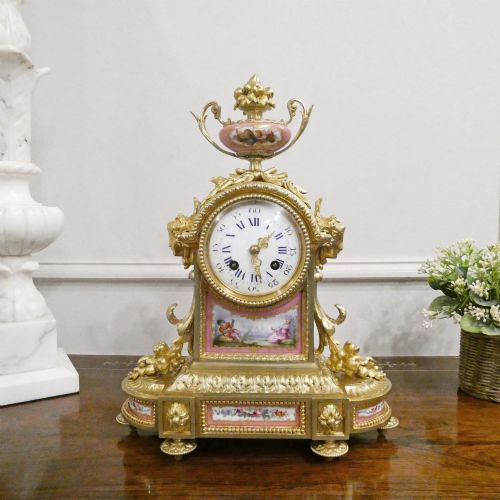
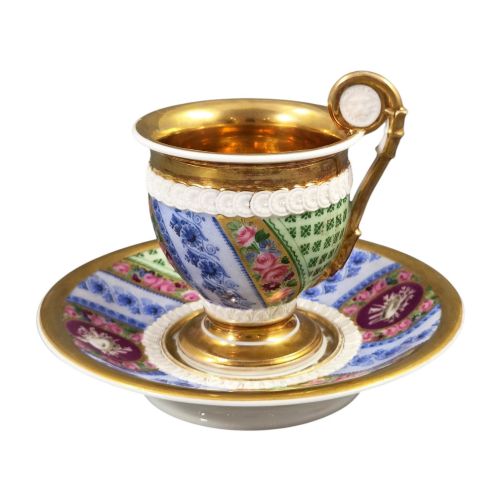
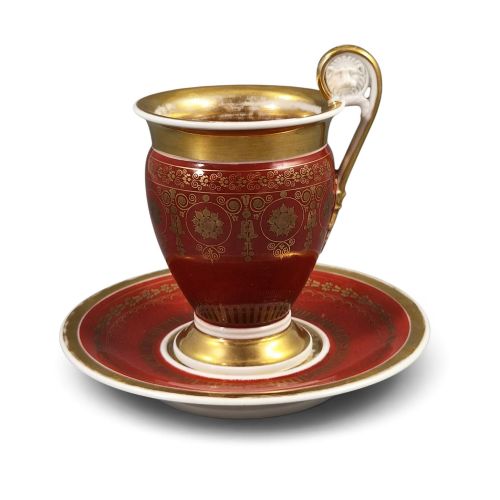
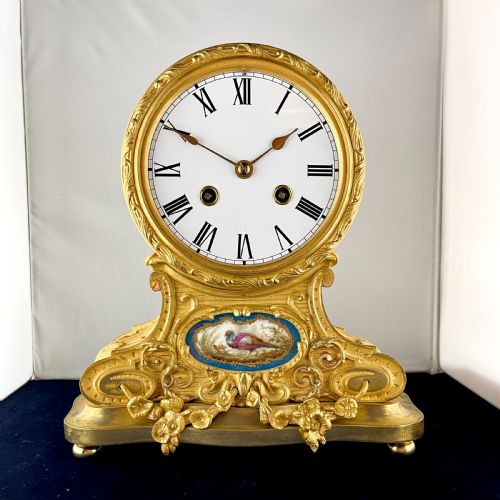
When you search for french empire porcelain, you encounter a selection spanning mantel clocks, cabinet cups, and decorative urns. The items recorded here date from the nineteenth century, including pieces marked by Victorian, Georgian, and 1870 periods.
Vases and mantel clocks dominate the selection, often mounted in ormolu or gilt bronze. Cabinet cups and saucers appear alongside garniture sets and display boxes, reflecting the formal tastes of French makers.
Materials and construction
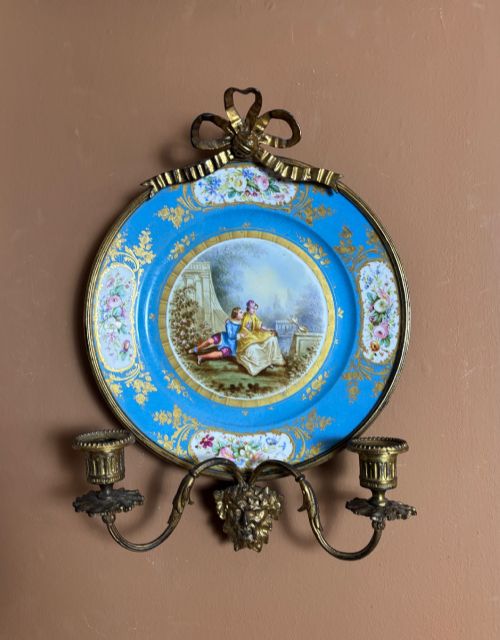
The objects combine porcelain bodies with mounts of gilt bronze, ormolu, and brass. Many incorporate enamel details, hand-painted scenes, and applied gold leaf.
Ceramic forms range from biscuit porcelain figures to glazed cabinet plates and lidded urns. Metal mounts are cast and gilded to frame the porcelain elements.
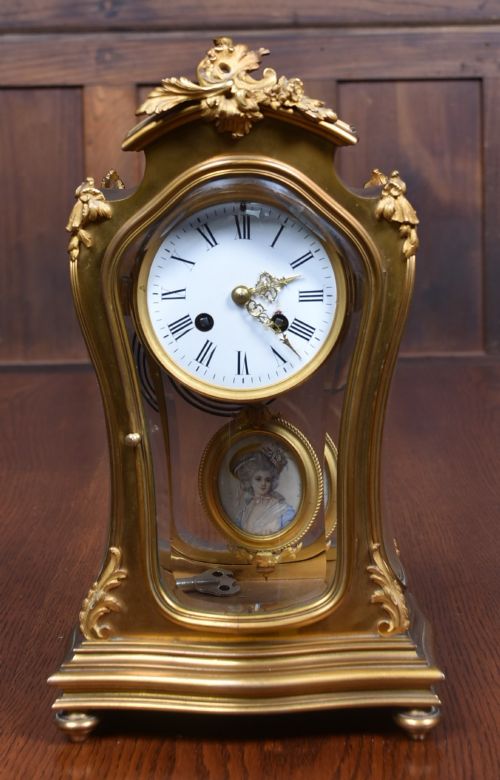
Some nineteenth-century French clocks managed to feature portraits of Moliere while keeping track of the hours between tea services.
Judging quality
Quality rests in the crispness of the gilt bronze chasing and the precision of the hand-painted scenes on the ceramic body. Better examples show meticulous detail in mounts and portrait plaques.
The integration between the porcelain and its metal frame distinguishes finer works. Heavy ormolu mounts and signed miniatures indicate higher workshop standards.
Japy Freres·Letu and Mauger·Darte Brothers·Vincenti of Paris·Jean Pierre Feuillet
The French Empire Porcelain Glossary
- Ormolu
- Gilded bronze used for mounts and decorative accents on clocks and vases. It provides a bright metallic contrast to the painted porcelain.
- Biscuit porcelain
- Unglazed ceramic fired to a matte, white finish resembling marble. It is often utilised for figural elements and caryatid shafts.
- Garniture
- A set of three or more matching decorative objects, typically vases or urns, designed to display on a mantelpiece. These sets coordinate in material and style.
- Cabinet cup
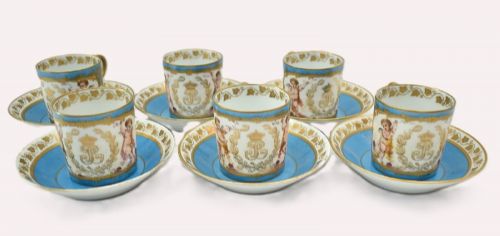
- A small cup and saucer intended for display rather than regular dining use. They frequently feature detailed hand-painted scenes and gilt handles.
French Empire Porcelain: Frequently Asked Questions
How do I identify a clock movement?
Clocks from this period often house movements stamped by makers such as Japy Freres or Vincenti. Examining the backplate reveals workshop stamps and serial numbers.
These marks help date the mechanism and confirm whether the movement is original to the gilt bronze case.
Where were these pieces displayed?
Mantel clocks and urn vases sat upon fireplace mantels, often arranged as matched garniture sets. Cabinet plates and cups were kept in glass-fronted display cabinets.
Their scale and gilding were intended to catch candlelight in formal nineteenth-century reception rooms.
What is Old Paris porcelain?
Old Paris or Vieux Paris refers to ceramic pieces produced by various independent workshops in and around Paris during the eighteenth and nineteenth centuries. These works are distinguished by heavy gilding and hand-painted motifs.
Items often lack factory marks, relying instead on stylistic attributes and specific handle forms like lion masks.
How should I clean gilt bronze mounts?
Dust gilt bronze and ormolu gently with a soft, dry brush to prevent accumulation in the chased recesses. Moisture and commercial metal cleaners can strip the original fire gilding.
Keeping the pieces away from direct heat sources protects both the bronze and the underlying porcelain.