


Gilded Oval Miniature Frame
These gilded oval miniature frame selections offer compact historic portraiture and mirrors suited to intimate wall displays.
Gilded Oval Miniature Frame
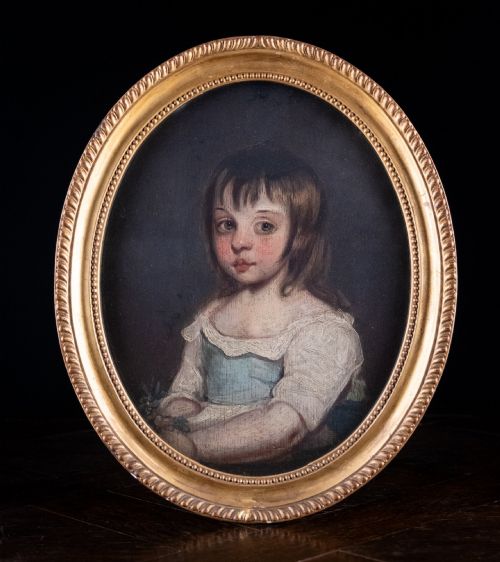
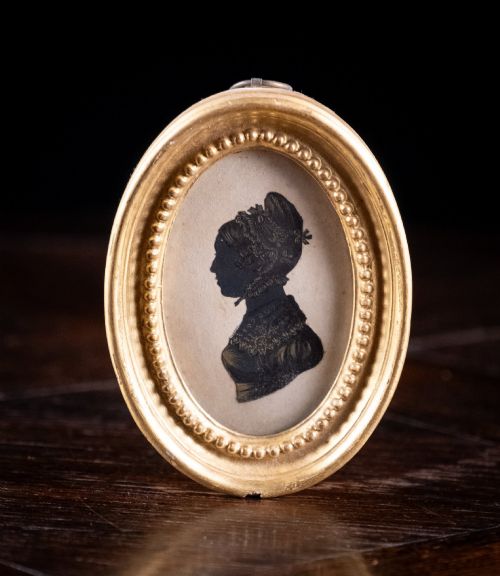
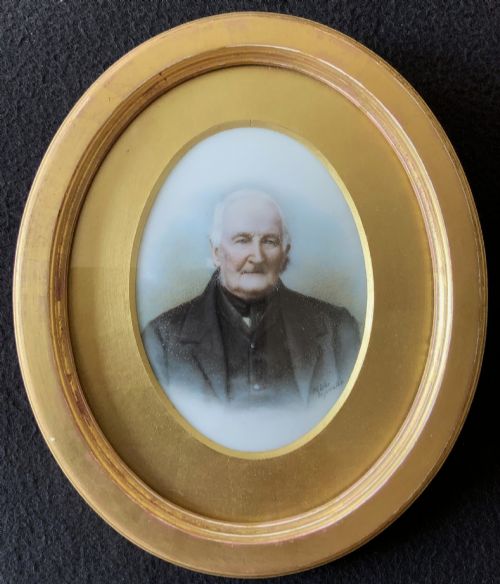
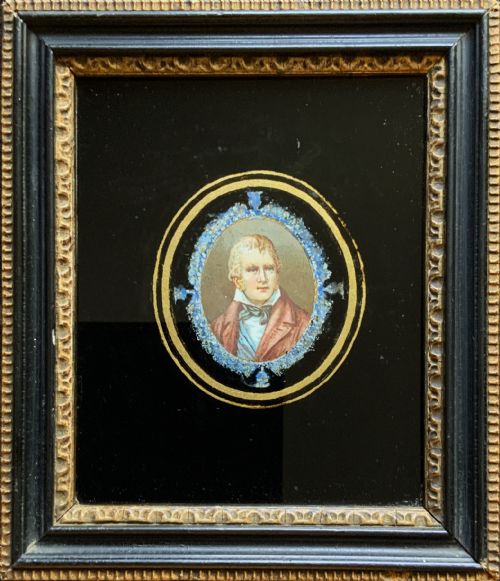
A gilded oval miniature frame holds small historic artworks, silhouettes, and mirrors from periods spanning the eighteenth century into the twentieth century. These pieces encompass Georgian and Regency profiles alongside Victorian watercolours and Art Deco hand-painted works.
The objects displayed within such frames range from watercolour on glass and porcelain plaques to cut-out silhouettes and pastel portraits. Buyers encounter both single portrait items and balanced pairs depicting ladies, gentlemen, and historic figures.
How they were made
Maker construction relies heavily on wood finished with gold leaf or giltwood, alongside ebonised wood elements and brass mounts. Glazing protects delicate paper surfaces, watercolours, and silhouettes.
Artisans applied gilding over gesso and timber bases to create reflective borders that complemented small-scale portrait paintings and miniature mirrors.
Materials recorded across the selection include glass, paper, brass, watercolour, ebonised wood, gilt wood, gold leaf, and wood.
What varies in quality
Quality differences emerge in the crispness of the carved or moulded frame ornament and the depth of the original gilding. Finer examples retain their original surface patination and secure glass without modern restoration.
The skill of the enclosed artwork - whether a detailed watercolour or a precise silhouette - directly influences the piece's overall standing among collectors.
George Atkinson·Sir Walter Scott·Susie Lassam·George Hargreaves·John Miers·Ozias Humphry·Nathaniel Bermingham·K P M·Berlin
The Gilded Oval Miniature Frame Glossary
- Giltwood
- Wood that has been treated with gold leaf or gilt preparation. This finish provides the characteristic metallic sheen seen on period frames and mirrors.
- Silhouette
- A solid dark profile portrait, usually cut from paper or painted against a pale background. These works frequently date from the Georgian and Regency eras.
- Miniature painting
- A detailed artwork executed on a very small scale. Painters often utilised ivory, paper, or glass as a base.
- Ormolu
- Finely chased and gilded bronze used for decorative mounts and frames. It adds substantial weight and lustre to nineteenth-century pieces.
Gilded Oval Miniature Frame: Frequently Asked Questions
What periods do these frames date from?
The pieces span the eighteenth and nineteenth centuries, including Georgian and Regency eras, as well as early twentieth-century examples.
Craftsmanship and materials shift across these decades, moving from eighteenth-century rococo influences to later Victorian and Art Deco aesthetics.
Are the paintings inside original to the frames?
Many items retain their original portraits, silhouettes, or mirrors, capturing the pairing intended by past owners or makers.
Paper, watercolour, and glass components within these historic enclosures require careful environmental conditions to preserve their condition.
How should I hang a miniature oval frame?
These small pieces suit gallery walls or narrow spaces where their compact scale can be appreciated up close.
Their light construction typically allows for simple wall hanging using secure, appropriately sized picture hooks.
What materials make up these frames?
Construction materials commonly include gilt wood, gold leaf, ebonised wood, and brass mounts, often paired with protective glass.
Some nineteenth-century examples incorporate cast or ormolu metal surrounds to house porcelain plaques and paintings.