
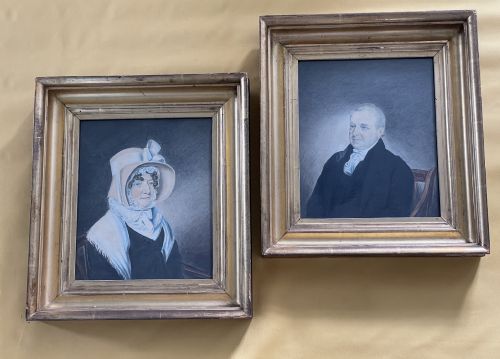


Regency Period Miniatures
Regency period miniatures are small-scale portraits, silhouettes, and diminutive furnishings that capture the elegance of the early nineteenth century.
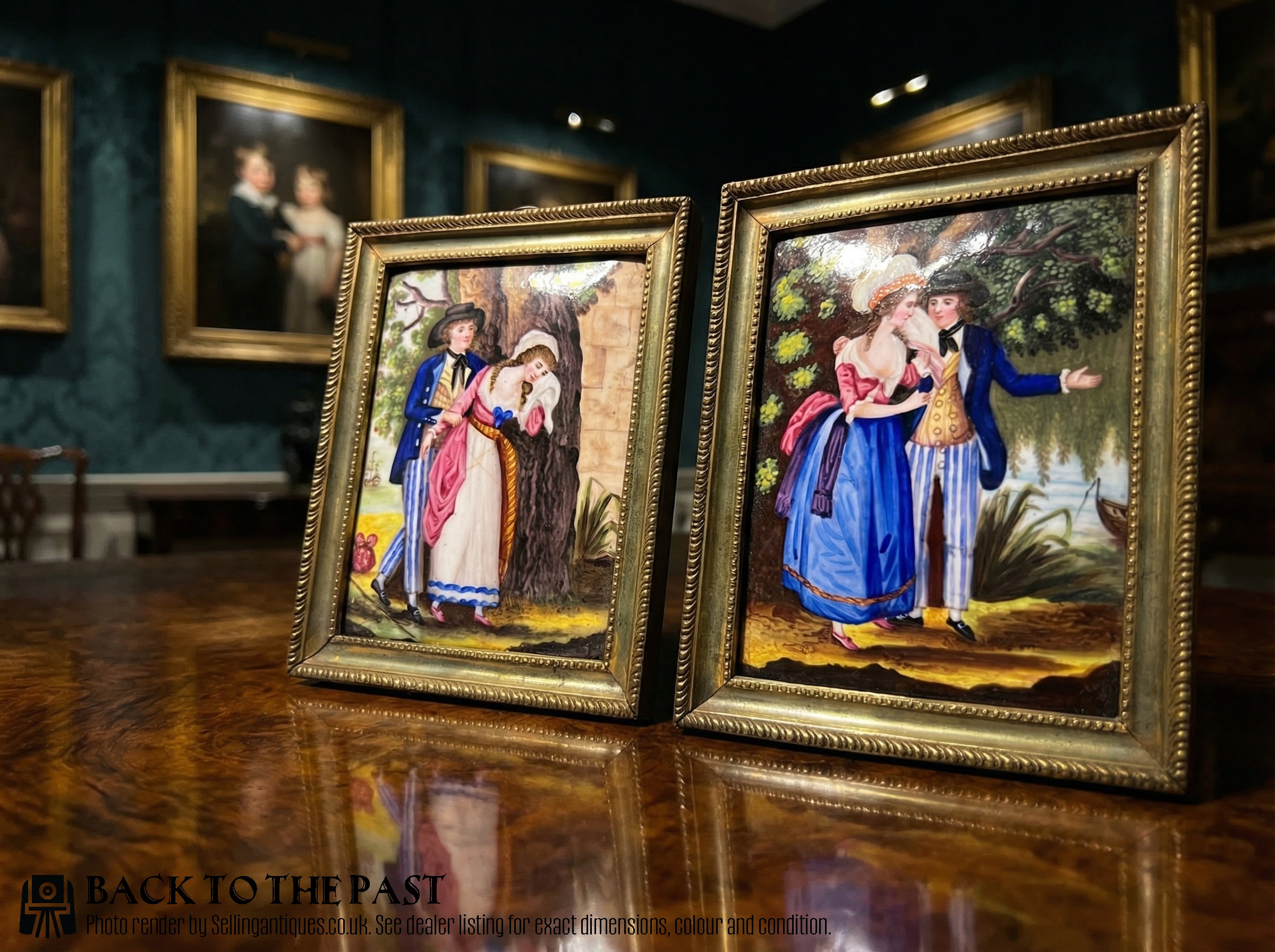
Regency Period Miniatures
When searching for regency period miniatures, collectors encounter portrait miniatures and silhouette portraits rendered in watercolour, ink, and glass, alongside small-scale mahogany furniture. These works span the Georgian, Regency, and William IV eras, reflecting the domestic tastes of the early nineteenth century.
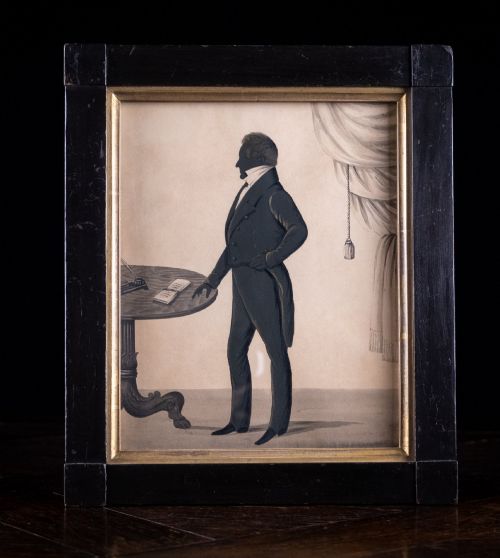
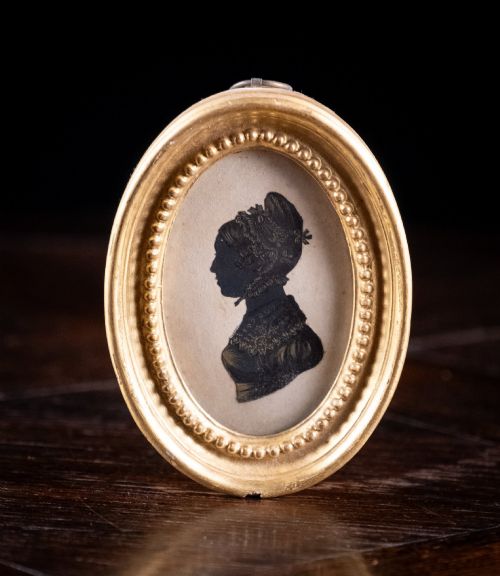
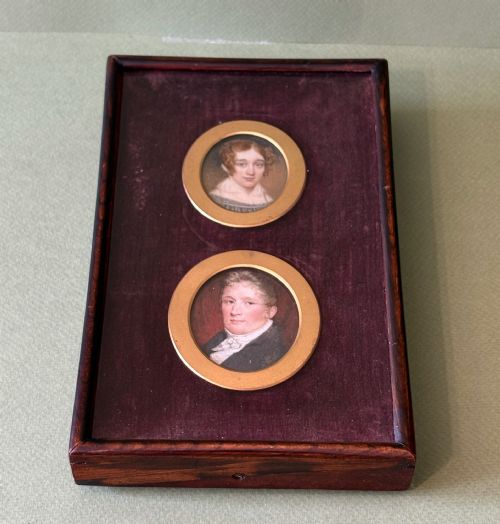
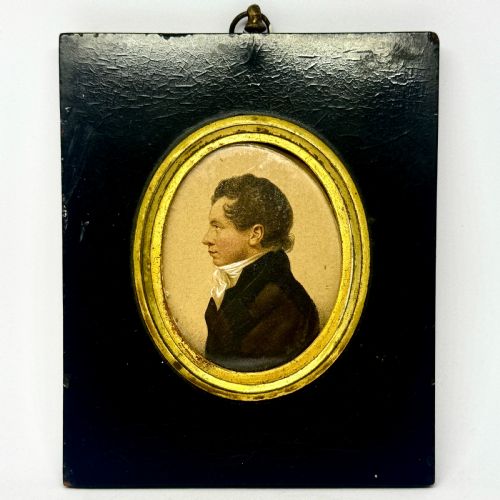
The selections on this page are most frequently watercolour portraits of gentlemen and ladies, alongside silhouettes painted on glass or highlighted with gold leaf. Diminutive chairs and miniature chests of drawers also appear, representing the diverse scale of the period's craftsmanship.
How they were made
Artists painted portrait miniatures using watercolour and gouache on paper or enamel plaques, frequently enclosing them in ebonised wood frames with brass or gilt metal mounts. Silhouettes were painted directly onto glass with added colour or gilded to catch the light.
Makers utilised mahogany and tortoiseshell for small-scale furniture and tea caddies, shaping timber with fine joinery appropriate to miniature dimensions.
The listings feature works from the Regency and Georgian periods, spanning paper, glass, brass, watercolour, and mahogany.
What varies in quality
The standard of painting on portrait miniatures dictates the visual merit, distinguishing precise facial expressions and delicate fabric details from more hurried brushwork. The preservation of the original ebonised frames and gilt metal mounts also influences the overall integrity of the piece.
In silhouettes, the crispness of the painted profile and the inclusion of subtle colour highlights or gold leaf separate standard domestic keepsakes from finer signed works.
Thomas London·Thomas Woolnoth·Emma Kendrick
The Regency Period Miniatures Glossary
- Silhouette
- A portrait profile filled in with a solid colour, usually black, often painted on glass or paper during this era. They gained popularity as an accessible form of likeness before photography.
- Gouache
- An opaque watercolour paint used by artists to achieve rich colour and solid areas in miniature portraits. It allows for greater depth than transparent watercolour alone.
- Ebonised
- Wood finished to resemble ebony, frequently utilised for the dark frames surrounding early nineteenth century portrait miniatures. This dark border creates a sharp contrast with the lighter tones of the subject.
- Enamel plaque
- A smooth metal surface fused with powdered glass and fired at high temperatures, providing a durable ground for painted miniatures. These plaques retain vibrant colours across the centuries.
Regency Period Miniatures: Frequently Asked Questions
How do I hang miniature portraits?
These small works hang best in intimate clusters on narrow wall spaces or beside larger paintings to create visual balance.
Their modest scale requires low placement so viewers can appreciate the fine painted details up close.
What materials make up these silhouettes?
Silhouettes from this era utilise paper, glass, and card as a base for black pigment, ink, and gold leaf highlights.
Frames are commonly constructed from wood finished with ebonisation and fitted with brass or gilt metal hangers.
How do I distinguish Regency portraits?
Regency portrait miniatures display specific costume details such as high-waisted dresses, turban caps, and gentlemanly cravats characteristic of the early nineteenth century.
Pets, furniture styles, and framing materials further help anchor these works to the Georgian and Regency periods.
Where were miniatures displayed?
Owners kept portrait miniatures in private chambers, hung them closely in sitting rooms, or placed them on small tables and desks.
Their diminutive size allowed for personal viewing rather than public display.