
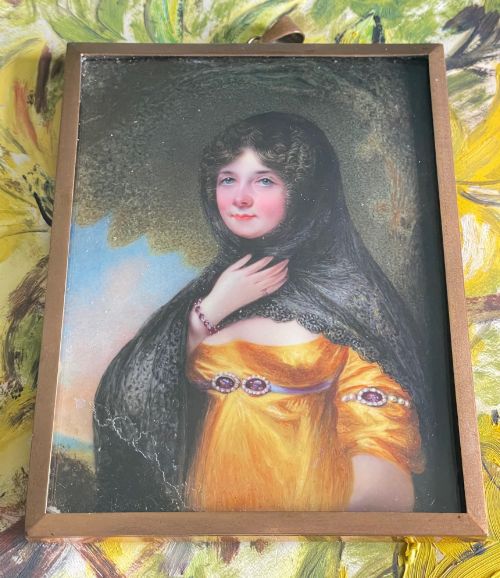


English Enamel Miniatures
These English enamel miniatures are vivid portraits and delicate boxes that bring Georgian and Regency craftsmanship right into your palm.
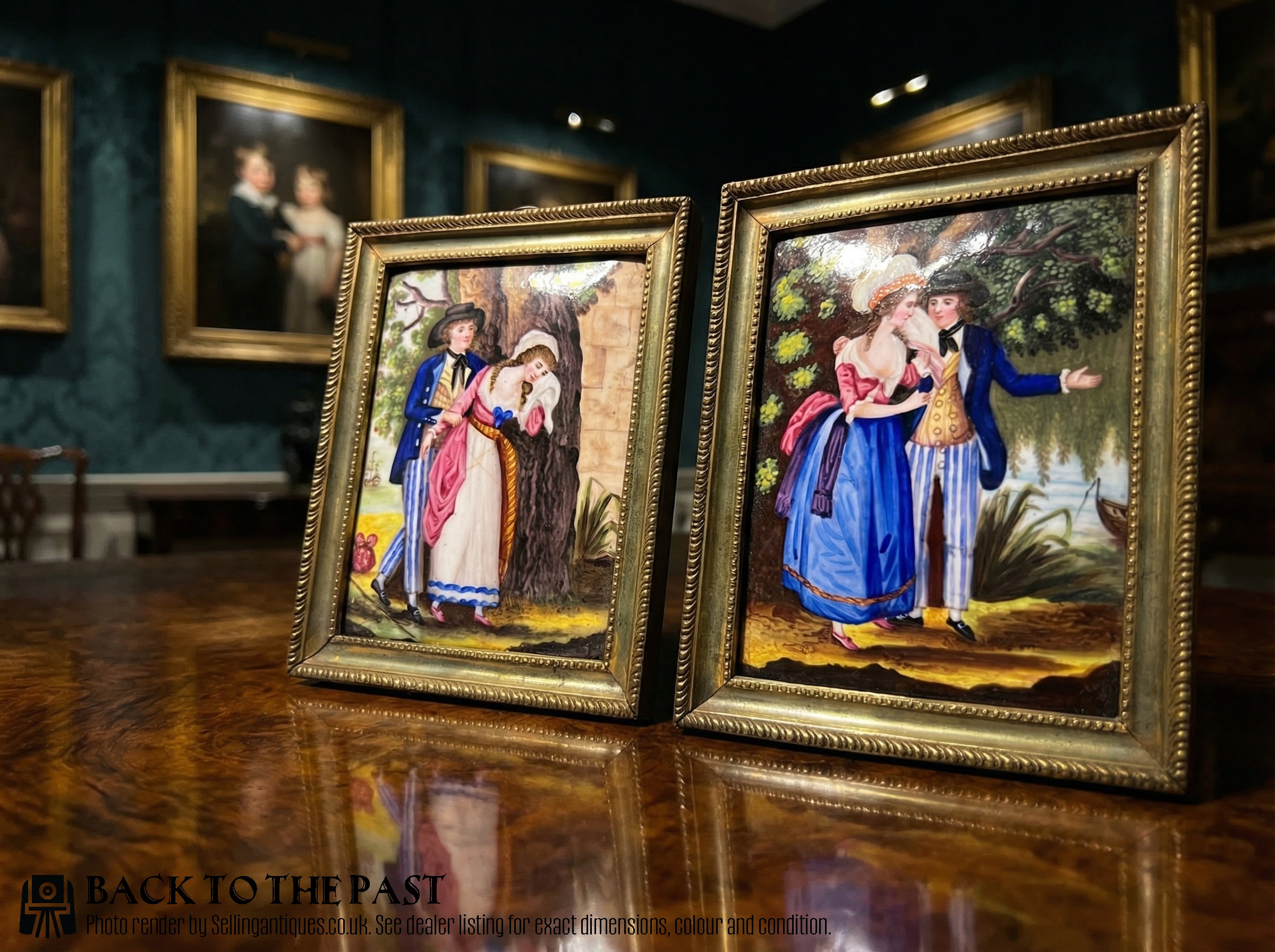
English Enamel Miniatures
When you search for english enamel miniatures, you encounter works ranging from portrait miniatures to decorative plaques and novelty trinket boxes. The pieces on this page span several eras, touching Georgian, Regency, Edwardian, and Art Deco periods.
The most frequent items you meet include South Staffordshire snuff box tops, patch boxes, and portrait miniatures. Artists painted these works on copper bases, capturing likenesses and scenes with remarkable permanence.
Makers produced wall plaques, brooches, and small carriage clocks alongside traditional portraiture and small boxes. These varied objects demonstrate the wide reach of enamel work across British decorative arts.
Materials and technique
Craftsmen fused powdered glass onto metal bases, predominantly copper, using high-heat kilns to create a smooth, glossy surface. Artisans often mounted these finished enamel panels in gilt metal, silver, or gold frames.
Painters applied enamels with fine brushes, firing the piece multiple times to build up rich colour without muddying the delicate pigments. This vitreous technique kept portraits and decorative scenes bright and protected from fading over centuries.
Sailors once departed and returned across rectangular enamel plaques, immortalising a sweet maritime goodbye in glass and copper.
Judging quality
The refinement of the surrounding metal mount, whether gilt metal, silver, or gold, matches the care given to the enamel plaque itself. Subtlety in shading and a clear, uncracked glaze separate exceptional boxes and plaques from simpler productions.
Horace Hone·Henry Bone ARA·Henry Matthews
The English Enamel Miniatures Glossary
- Enamel
- Powdered glass fused to a metal substrate through kiln firing. This creates a hard, glossy decorative coating.
- South Staffordshire
- A regional centre for English enamel production during the eighteenth century. Workshops here specialised in small boxes and plaques.
- Patch box
- A small trinket box fitted with a mirror inside the lid. Georgian ladies used these to hold cosmetic patches.
- Portrait miniature
- A small, intimate painting capturing a person's likeness. These works were often worn as jewellery or kept in protective cases.
- Gilt metal
- Base metal treated with a thin layer of gold wash or leaf. This provided a rich appearance for frames and mounts.
English Enamel Miniatures: Frequently Asked Questions
What are English enamel miniatures?
These pieces are small painted works created by fusing powdered glass onto copper or other metals. They include detailed portraits, decorative wall plaques, and small boxes.
Craftsmen produced them across the eighteenth, nineteenth, and early twentieth centuries, resulting in vibrant, lasting imagery.
How were enamel patch boxes used?
Georgian and Regency owners used patch boxes to store small silk or velvet beauty spots. People applied these patches to their faces to highlight complexions or hide blemishes.
Inside the hinged lid, a small mirror helped the owner check their appearance when adjusting these cosmetic additions.
How do I date an enamel miniature?
Dating relies on the style of the metal mount, the subject matter, and the painting technique. Georgian and Regency pieces often feature copper bases and hand-painted portraiture.
Later items from the Edwardian or Art Deco periods show shifts in framing materials, including silver settings and different aesthetic influences.
How should I care for enamel art?
Keep enamel pieces away from direct sunlight to protect the pigments from fading over time. Handle them carefully to avoid dropping the fragile copper and glass structure.
Clean the surface gently with a soft, dry cloth without using harsh chemical polishes that might damage the metal mounts or glaze.