
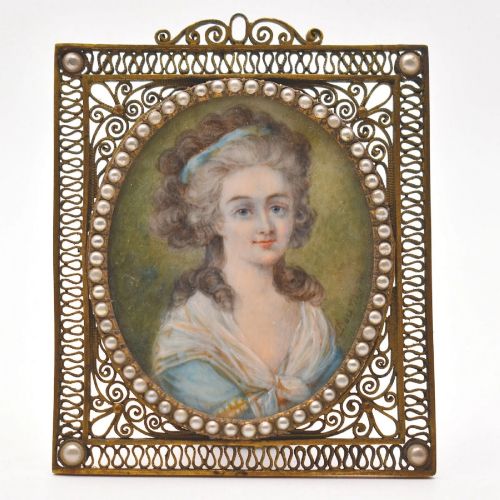


Small Oval Portrait Frame
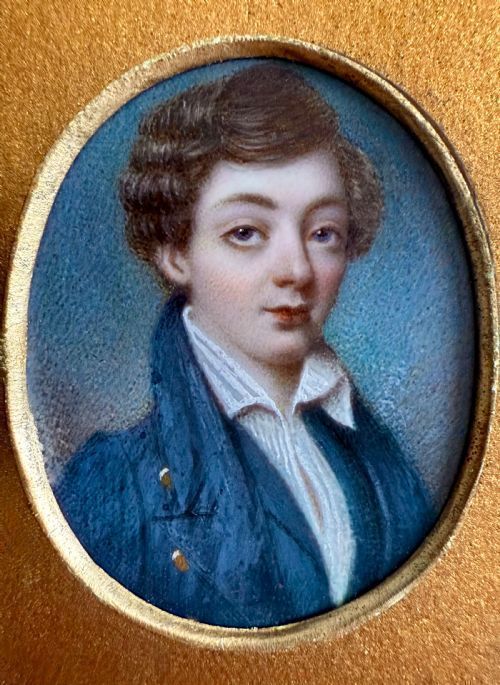
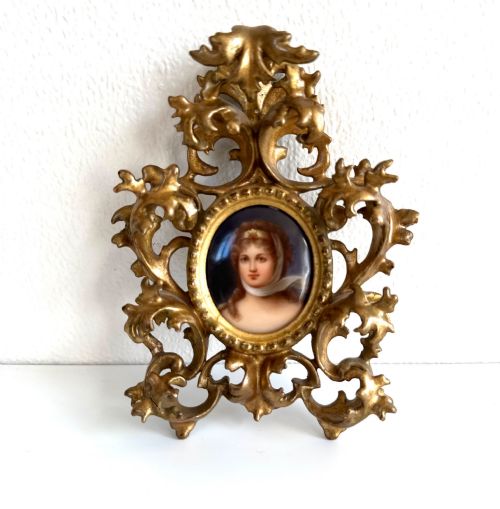
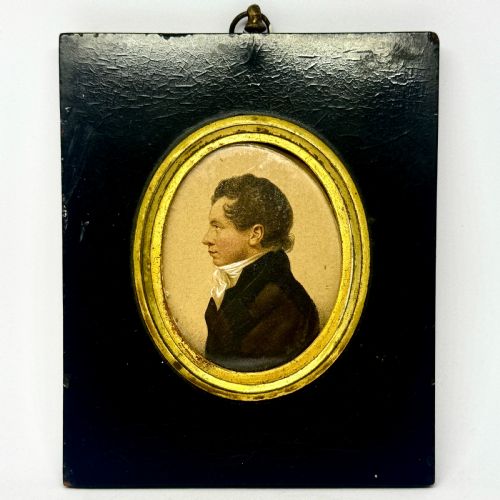
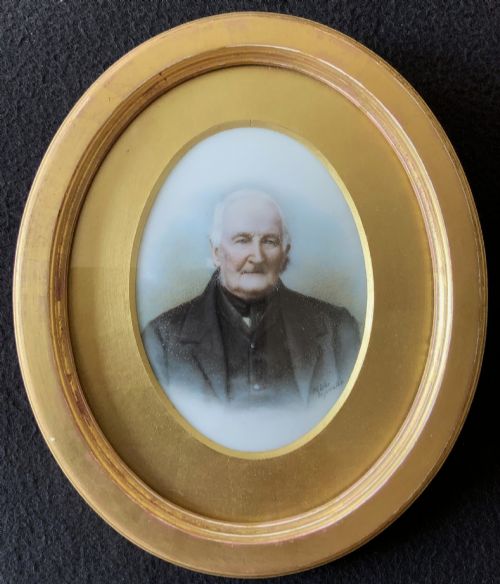
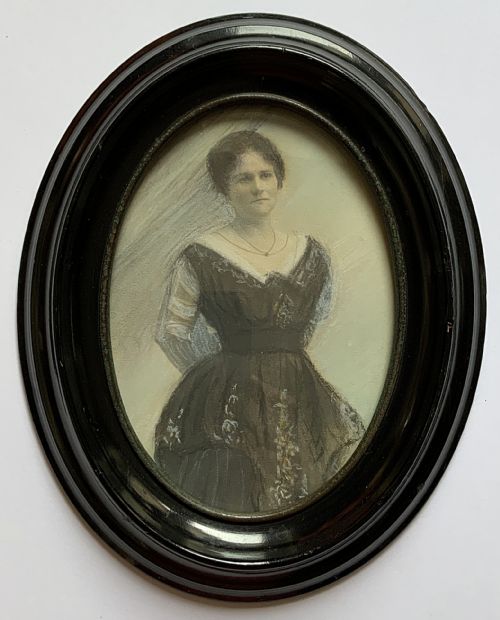
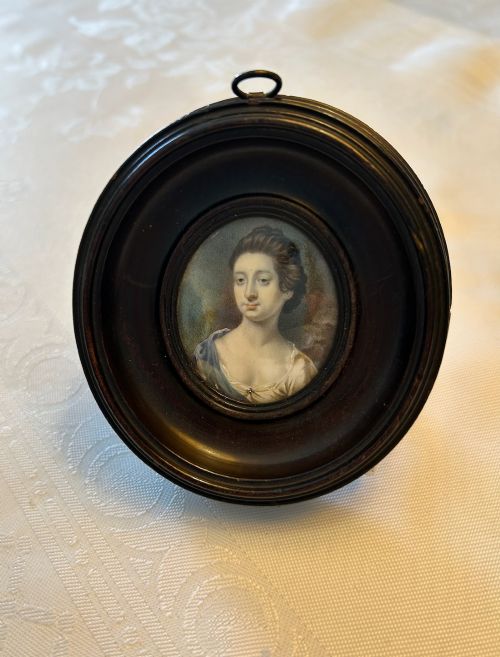
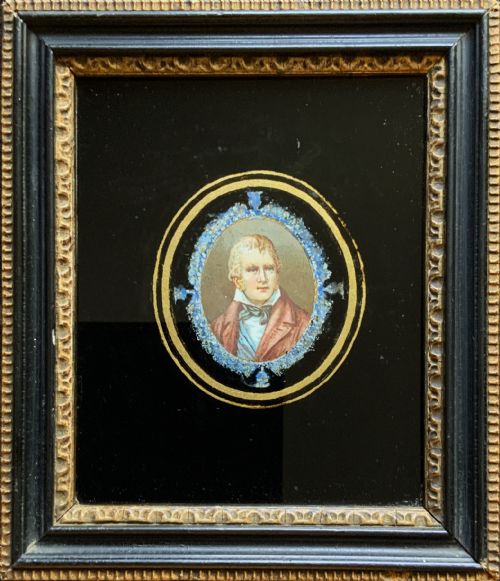
A small oval portrait frame houses miniatures of ladies, gentlemen and children painted in watercolour, oil and pastel during the Georgian, Regency and Victorian periods.
Small Oval Portrait Frame
A small oval portrait frame encloses delicate portrait miniatures painted on paper, glass, ivory and panel. These objects capture likenesses of sitters ranging from British school subjects to continental royals.
The pieces on this page appear in various historic guises, from 18th century examples to Victorian adaptations. They frequently accompany watercolour or pastel studies executed by named artists and regional schools alike.
Forms span hanging frames, desk stands and ebonised profiles designed to display intimate family likenesses. Collectors encounter brass, gilt metal and wood housings framing paintings dated from the mid 18th century through to the early 20th century.
How they were made
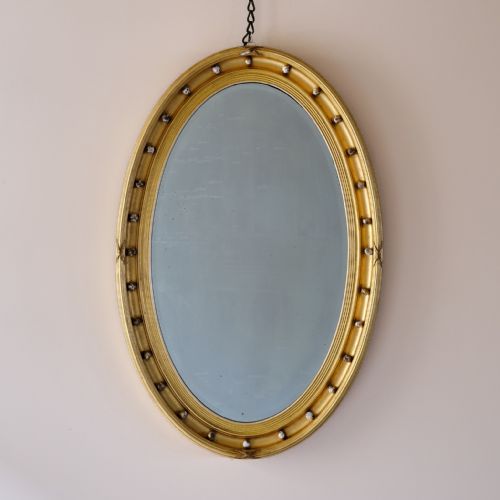
Frames rely on brass, gilt metal, ebonised wood and gold leaf to create durable borders around delicate painted surfaces. Artisans shaped these materials into precise ovals suited to pocket portraits and desk ornaments.
Internal elements combine glass, paper and watercolour with protective backing boards to preserve fragile miniature paintings. Metal components often feature cast detailing or stands designed for tabletop display.
Napoleon Bonaparte appears multiple times in these frames, keeping company with empresses, earls and unknown children.
What varies in quality
Quality rests upon the crispness of the metal casting or the depth of the ebonised wood finish surrounding the portrait. Finer housings display sharp chased decoration and secure bezels holding the original glass.
The pairing of the frame with the painting dictates desirability, particularly where frames retain original gilding and backings. Intact mounts and genuine period fixings elevate the significance of the entire piece.
Richard Cosway·Dumont·George Hargreaves·Isaac Wane Slater
The Small Oval Portrait Frame Glossary
- Ebonised wood
- Timber treated to resemble ebony, frequently utilised for dark contrasting frames in the 18th and 19th centuries. This finish highlights the pale tones of watercolour miniatures.
- Gilt metal
- Base metal treated with a gold-coloured surface or wash. It provides a bright decorative border without the cost of solid gold.
- Gilt and gesso
- Plaster mixture applied to a wooden base then gilded, used to form decorative relief ornament on frames. This technique creates textured surfaces that catch candlelight.
- Watercolour on glass
- Pigment applied directly to the rear of a glass plate, creating a luminous finish. Such works require careful framing to protect the paint layer from friction.
Small Oval Portrait Frame: Frequently Asked Questions
What fits inside these frames?
These frames house small portrait miniatures painted in watercolour, oil or pastel on media such as paper, ivory or glass. They depict ladies, gentlemen, children and historical figures from the 18th and 19th centuries.
Buyers often find them containing original companion pieces or single studies of sitters in historic dress. The apertures are strictly proportioned to oval miniature formats.
How were they displayed?
Historic owners displayed these pieces on walls grouped together or placed them upright on desks using integrated metal stands. Many featured suspension loops for hanging by ribbons in private chambers.
Desk variants incorporated kickstands or heavy bases to keep the portrait visible during daily correspondence and reading.
Are the frames usually original?
Many retain their period housings of ebonised wood, brass or gilt metal dating from the Georgian and Victorian eras. Original pairings ensure the rabbet and glass match the exact dimensions of the miniature.
Replacements do occur across centuries of handling, making the presence of matching period fixings a notable attribute for collectors.
How do I date the framing style?
Georgian and Regency examples tend towards simple ebonised profiles or slender brass rims. Later Victorian and Edwardian versions introduce heavier cast gilt metal, gesso ornamentation and easel backs.
Examining the backings, fixings and glass helps confirm whether the frame belongs to the period of the portrait inside.