




Gilded Japanese Imari Vases
Gilded japanese imari vases bring together rich cobalt blue underglaze and iron red porcelain with gleaming gold leaf, offering bold colour and intricate patterns for any room.
Gilded Japanese Imari Vases
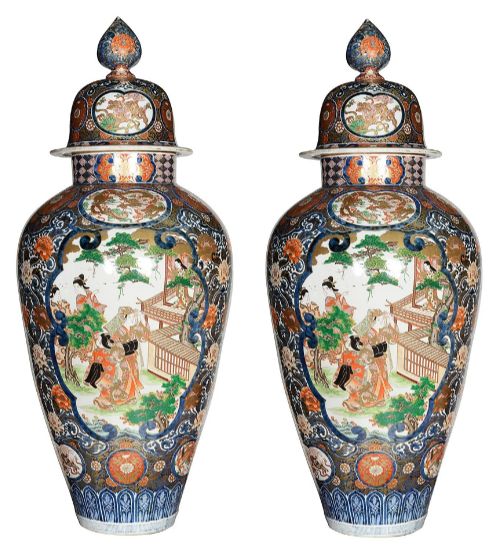
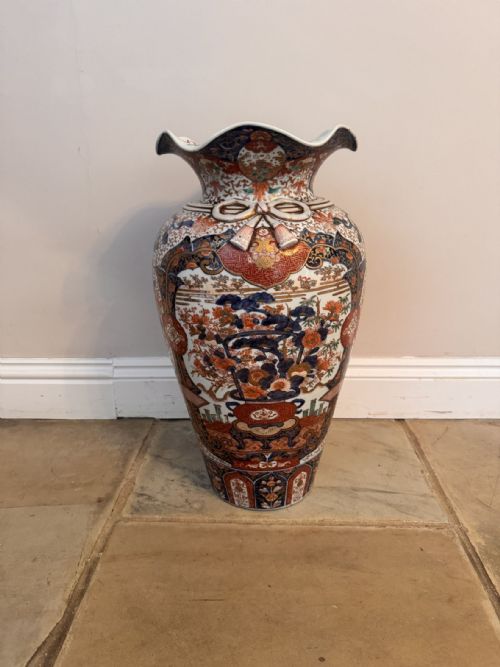
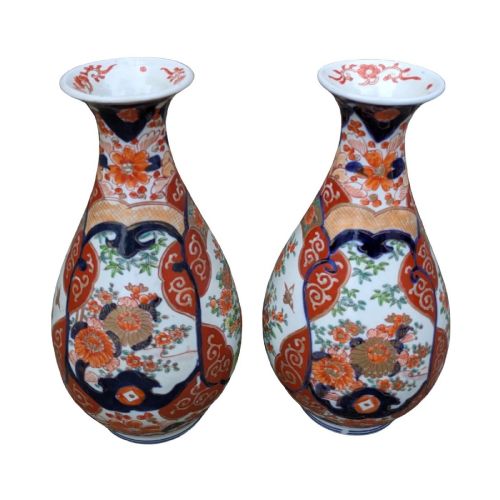
Gilded japanese imari vases appear in forms ranging from small bud vessels to monumental floor standing examples, often shaped as baluster jars, bottle necks, or lidded urns. These ceramics emerge most frequently from the nineteenth century and the Meiji period, reflecting strong export production alongside British interpretations.
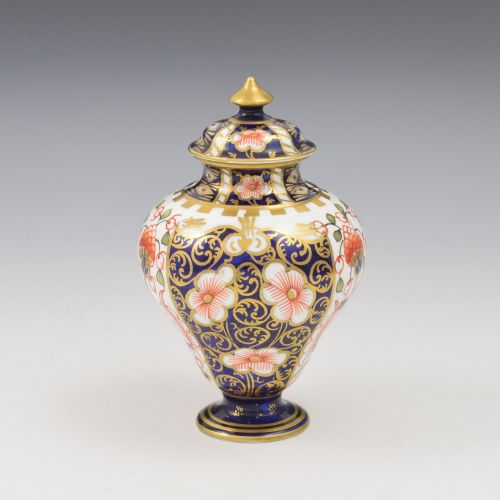
The aesthetic bridges traditional Japanese styles and Victorian taste, encompassing garnitures and pairs alongside single statement pieces. Buyers encounter both authentic export pieces created for Western markets and European porcelain factories producing faithful imitations in the same palette.
Materials and construction
Potters shaped hard paste porcelain into vessels before applying cobalt blue underglaze and enamel pigments in characteristic patterns. Artisans then added gold leaf, gilding, or gold gilding to highlight specific motifs across the surface.
Certain examples incorporate wood stands or lids that complete the composition of lidded vases and jars. Kiln techniques of the Edo, Meiji, and Victorian eras determined the density of the porcelain and the vibrancy of the glaze colours.
Gilded Japanese Imari Vases Retail Price Guide 2026
Typical asking prices for gilded japanese imari vases among the pieces listed under this phrase on Sellingantiques today, from the lower quarter to the upper quarter. They describe what is for sale here now, not the wider market.
Listings feature porcelain vessels decorated with enamel and gold leaf across the nineteenth century, the Meiji period, and the Victorian era.
Judging the work
The refinement of the hand painted detail and the crispness of the cobalt blue underglaze separate standard production from superior examples. Fineness in the application of gold leaf and enamel creates greater visual depth across the porcelain body.
Scale and ambition also dictate standing within the range, as monumental floor standing pieces and matched pairs demand greater technical skill during firing than small cabinet vases.
Royal Crown Derby·Stevenson and Hancock·Samson
The Gilded Japanese Imari Vases Glossary
- Imari palette
- A decorative scheme employing cobalt blue underglaze, iron red, and added gold on a white porcelain ground. This combination originated in Japan and was later copied by European kilns.
- Baluster
- A vase form with a rounded lower body that tapers toward the neck. This shape provides stability and generous surface area for complex painted patterns.
- Garniture
- A set of three or more matching vases designed to be displayed together on a mantelpiece or cabinet. These sets often comprise lidded jars and open vases.
- Meiji period
- The era in Japanese history spanning from eighteen sixty-eight to nineteen twelve, noted for extensive ceramic export to Western markets. Pieces from this time display exceptional decorative precision.
- Underglaze
- Pigment applied to the unglazed ceramic body before the final transparent glaze and firing. Cobalt blue is the primary colour utilised in this technique.
Gilded Japanese Imari Vases: Frequently Asked Questions
What is an imari vase?
An imari vase is a ceramic vessel decorated in a distinctive palette of cobalt blue, iron red, and gold. The style originated in Japan and became immensely popular across Europe during the nineteenth century.
These pieces were produced both for export in Japan and by European porcelain factories imitating the aesthetic. Their bold colours and intricate patterns make them striking decorative objects.
How are these vases displayed?
These vessels suit prominent placement on sideboards, tables, or mantelpieces where their gilding and colours catch the light. Larger floor standing examples stand alone as focal points in a room.
Matched pairs and garniture sets offer symmetrical arrangement options for formal interiors. Smaller bud and bottle shaped vases work well on smaller surfaces or within cabinet displays.
How do I identify a Meiji period piece?
Meiji period vases date from the late nineteenth or early twentieth century and typically feature dense, precise enamel work combined with gilding. They reflect the high output of Japanese export ceramics created specifically for Western collectors.
Evidence of this period often appears in the fineness of the porcelain body and the complexity of the Japanese export style. European copies from the same era often emulate these specific characteristics.
What is a lidded vase?
A lidded vase is a vessel manufactured with a matching removable cover, often forming part of a garniture set. These pieces served both decorative and functional purposes in traditional household displays.
The presence of the original lid significantly affects the completeness of the form, particularly in baluster and jar shapes from the nineteenth century.