




Japanese Porcelain Bottle Vases
Japanese porcelain bottle vases combine slender necks with robust ceramic bodies, offering striking display pieces for interiors.
Japanese Porcelain Bottle Vases
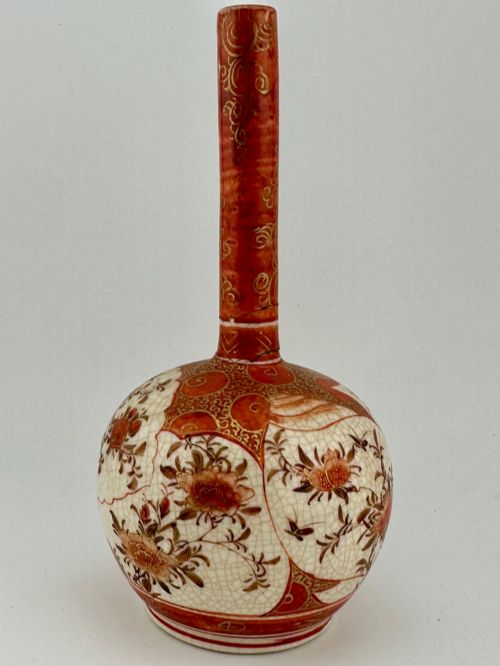
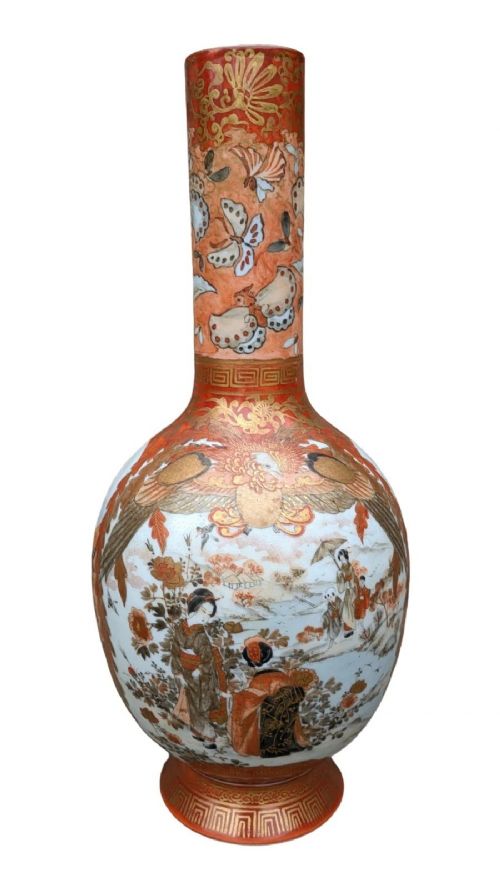
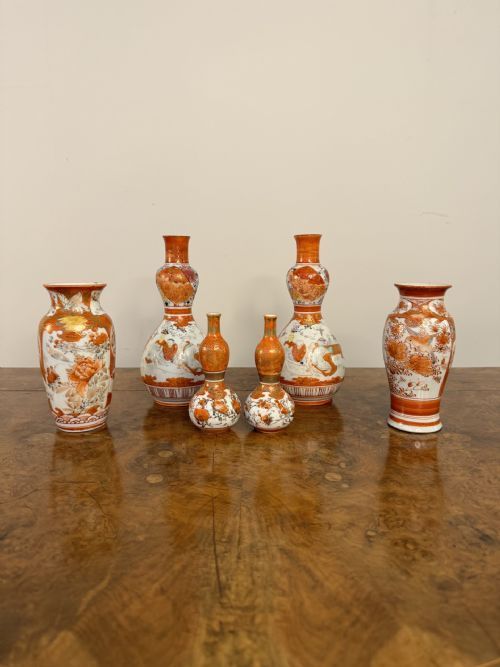
Japanese porcelain bottle vases encompass forms produced across multiple centuries, featuring both export wares and domestic items. Buyers encountering these pieces will find shapes ranging from slender neck examples to wine bottles and broader vessel forms.
The selections span distinct periods including the 17th century, the 18th century, the Victorian era, the Meiji period, and the Taisho period. These eras bring stylistic variations from Japanese Imari and Kutani traditions to Arita productions.
Object variations include individual cabinet pieces alongside pairs and garnitures of multiple vessels. The forms consistently maintain narrow necks suited for single stems or decorative display.
How they were made
Potters shaped these vessels from ceramic and porcelain bodies before applying intricate surface decoration. Production methods relied on high-temperature kilns to vitrify the porcelain and set the underlying forms.
Decoration frequently incorporated cobalt, enamel, and gold leaf applied over or under the glaze. Artisans utilised techniques distinctive to Japanese Imari, Kutani, and Arita kilns to achieve detailed pictorial and patterned surfaces.
Japanese Porcelain Bottle Vases Retail Price Guide 2026
Typical asking prices for japanese porcelain bottle vases among the pieces listed under this phrase on Sellingantiques today, from the lower quarter to the upper quarter. They describe what is for sale here now, not the wider market.
Listings feature porcelain, enamel, gold leaf, and cobalt across pieces spanning the 17th century to the Taisho period.
What varies in quality
Quality differences lie in the precision of the porcelain potting and the execution of the painted decoration. Superior examples display crisp cobalt painting, vibrant enamels, and carefully applied gold leaf details that remain well preserved.
The balance of the bottle shape and the fineness of the ceramic body distinguish standard production wares from more exceptional studio or kilnhouse outputs. Consistency in the glaze finish and the clarity of the underlying porcelain structure determine the overall standing of each piece.
Stevenson and Hancock
The Japanese Porcelain Bottle Vases Glossary
- Imari
- A style of Japanese porcelain featuring a distinct palette of underglaze cobalt blue, iron red, and gold. It originated in Hizen province and was shipped from the port of Imari for export.
- Kutani
- A style of Japanese coloured porcelain known for bold designs and rich enamel palettes. These wares often incorporate extensive pictorial scenes and floral motifs.
- Arita
- The Japanese town where porcelain production first began following the discovery of suitable ceramic stone. Arita wares form the foundation of much early Japanese export porcelain.
- Meiji Period
- The era in Japanese history lasting from 1868 to 1912, associated with increased production of decorative arts for Western export markets. Pieces from this time frequently demonstrate highly refined technical skill.
Japanese Porcelain Bottle Vases: Frequently Asked Questions
How do I date a Japanese bottle vase?
Dating relies on examining the stylistic traits, palette choices, and ceramic body characteristics associated with periods like the Edo, Meiji, or Taisho eras.
Kiln marks, where present, can also offer guidance on the production period and region of origin.
Were these bottles used for wine?
Certain forms, such as wine bottles, served practical containment functions within Japanese domestic life.
Many other bottle vases were created primarily as decorative display items for interiors.
What is the difference between Imari and Kutani?
Imari porcelain typically relies on a strong combination of cobalt blue and iron red, frequently accented with gold.
Kutani wares tend to feature broader and more varied enamel palettes dominated by greens, purples, and yellows.
How should I display a bottle vase?
The narrow necks of these vessels make them well suited for holding single flower stems or displaying in small groupings.
Placing them on stable surfaces away from high traffic areas protects their porcelain bodies and delicate enamel surfaces.