





Gilded Japanese Earthenware
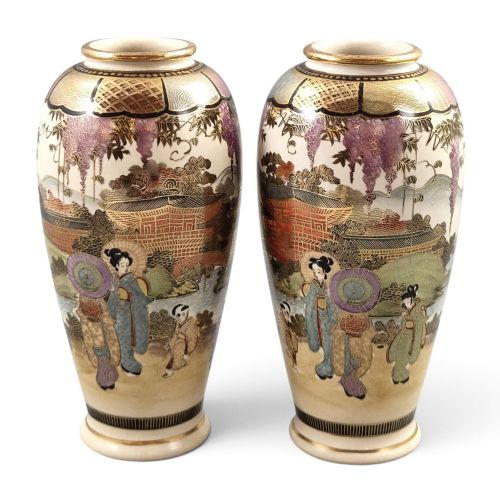
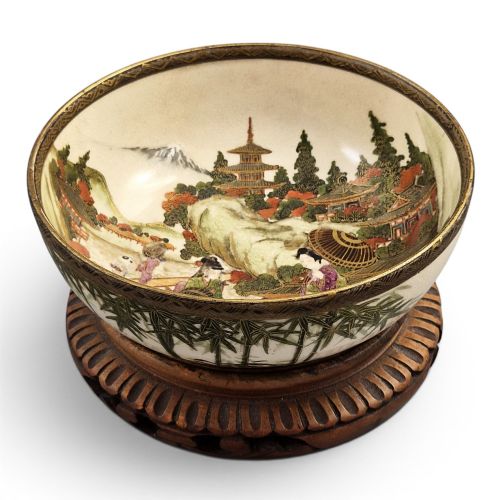
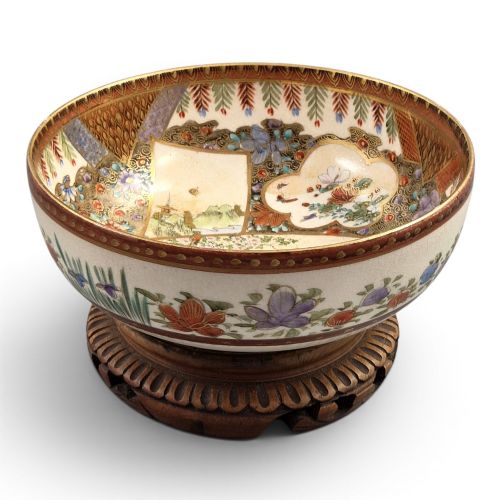
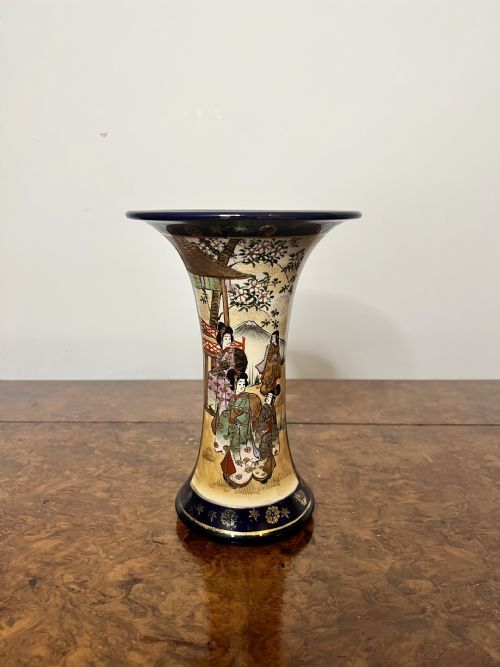
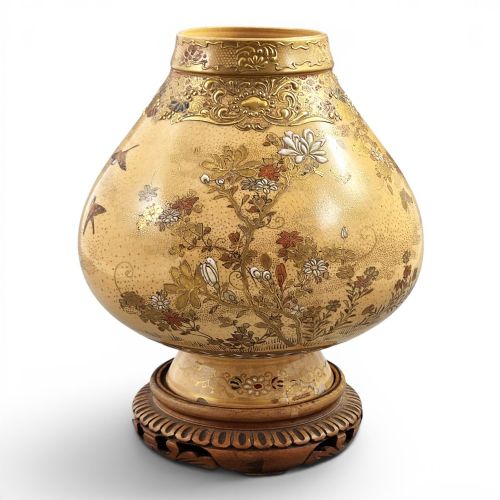
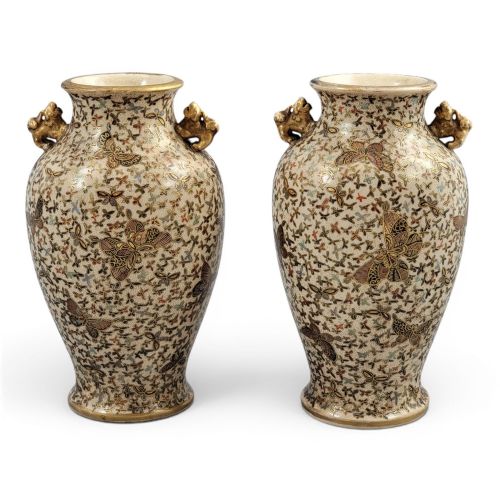
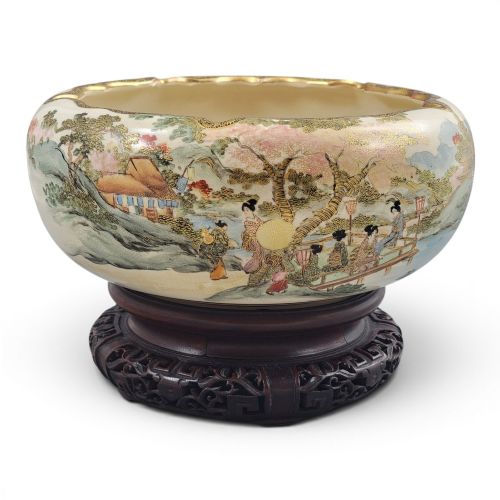
Gilded Japanese earthenware brings intricate Meiji period Satsuma ware into a room, offering finely painted court figures and landscapes heightened in gold.
Gilded Japanese Earthenware
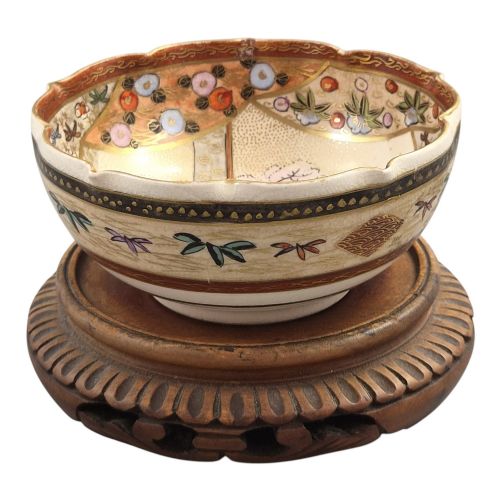
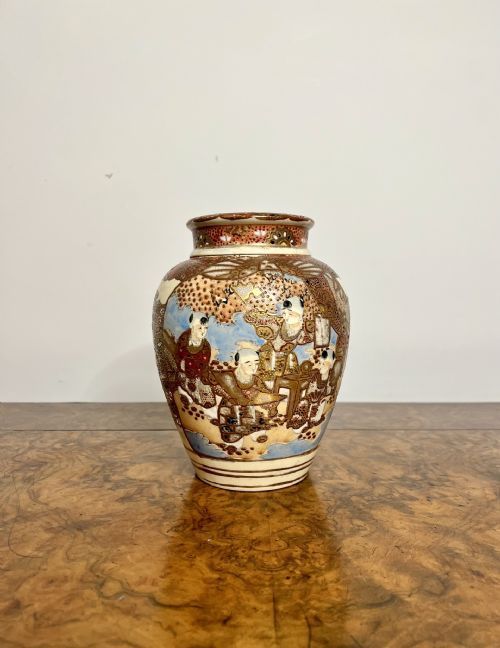
When you search for gilded Japanese earthenware, you are looking at items like vases, decorative bowls, chargers, tea caddies and trinket boxes. These decorative objects primarily emerge from the Meiji period through to the early twentieth century, spanning Victorian and Edwardian dates.
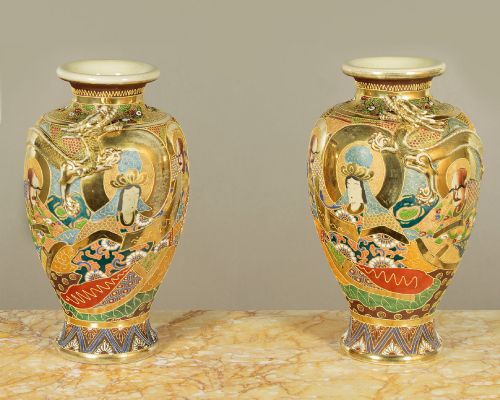
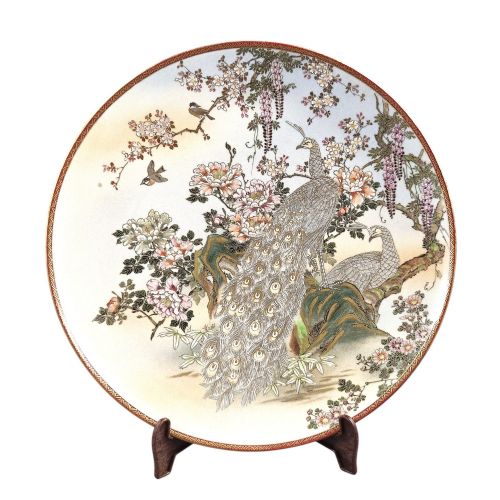
The version you are most likely to meet on this page is Satsuma ware originating from Kyoto and Yokohama. These pieces frequently display complex motifs involving figures such as arhats, women and children alongside natural elements like wisteria, peonies and dragons.
How They Were Made
Potters shaped these vessels from earthenware before applying detailed enamel painting and gold leaf or gilt ornamentation. Many surfaces incorporate moriage, a technique building raised relief patterns that add texture beneath the gilding.
Makers utilised cobalt ground pigments and delicate glazes to frame intricate scenes of flora and fauna. Wood and bronze elements occasionally appear alongside the ceramic bodies in specific forms such as boxes and jars.
Some vessels manage to crowd a thousand distinct arhats and a dragon onto a single vase.
What Varies in Quality
The distinction between standard items and exceptional examples lies in the density and precision of the enamel work and gold application. Master workshops executed tightly controlled compositions with meticulous attention to facial expressions and garment patterns.
Signatures by renowned artists or prominent production circles elevate a piece significantly above unmarked commercial output. The complexity of the narrative scenes, such as multi-figure processions or layered landscapes, separates simpler decorative vessels from exhibition-grade creations.
Koshida·Shozan·Kizan·Kozan·Kinkozan·Kinzan·Hotoda·Shizan·Toshozan·Ryuzan·Chosei·Shuzan·Seiko-en Chokei·Yamashu·Yasuda·Tagawa·Hododa
The Gilded Japanese Earthenware Glossary
- Satsuma ware
- A type of Japanese earthenware originating from Satsuma province, characterised by a crackle-glaze ivory body and detailed polychrome enamel and gilt decoration.
- Moriage
- A ceramic technique using piped clay to create raised relief ornamentation, which is subsequently painted and gilded.
- Natsume
- A small Japanese tea caddy traditionally used in the chanoyu tea ceremony, often featuring delicate lacquer or ceramic painted designs.
- Koro
- A traditional Japanese incense burner typically supported on three legs and fitted with a pierced cover.
- Mon
- A Japanese heraldic badge or crest used to identify families or clans, frequently found stamped or painted on Satsuma ceramics.
Gilded Japanese Earthenware: Frequently Asked Questions
What is Satsuma ware?
Satsuma ware is a specific style of earthenware featuring a distinctive crackle-glaze finish. Artisans decorated these ceramic bodies with elaborate polychrome enamel designs and heavy gilding.
Originally produced in the Satsuma province, production later flourished in urban centres like Kyoto and Yokohama during the Meiji period.
How do I identify Meiji period pieces?
Meiji period items generally date between 1868 and 1912, aligning with the reign of the Meiji Emperor. These pieces often bear artist signatures, workshop stamps or Shimazu family crests on the underside.
The artistic style during this era shifted towards highly detailed narrative scenes, intricate floral motifs and extensive use of raised gold relief.
How were these decorative bowls used?
These bowls served primarily as ornamental display pieces within Japanese and Western interiors rather than for dining purposes. Wealthy collectors during the Victorian and Edwardian eras showcased them in drawing rooms to demonstrate refined taste.
Smaller vessels and boxes functioned as delicate containers for tea leaves, incense or personal trinkets.
How should I care for gilded earthenware?
Gilded earthenware requires gentle handling to protect the delicate enamel and gold leaf layers on the surface. Dust the pieces softly with a dry cloth and avoid exposing them to moisture or harsh cleaning agents.
Keeping them out of direct sunlight helps preserve the vibrancy of the original pigments over time.