
Gilded Gesso Frame
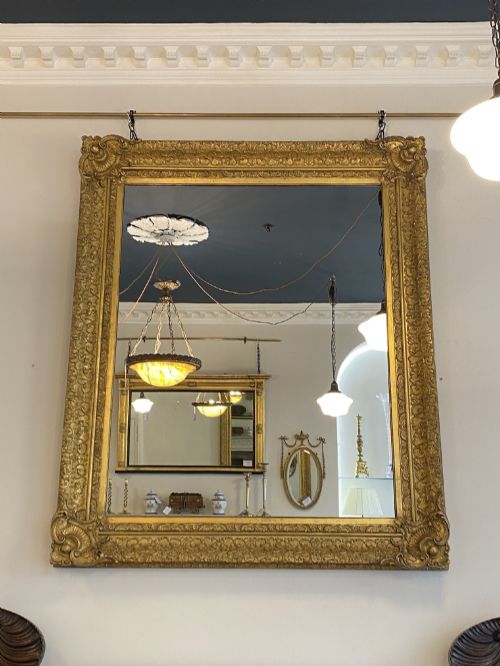
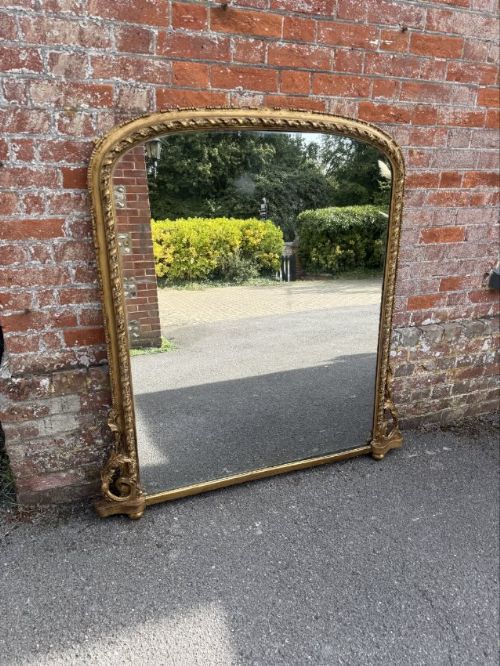
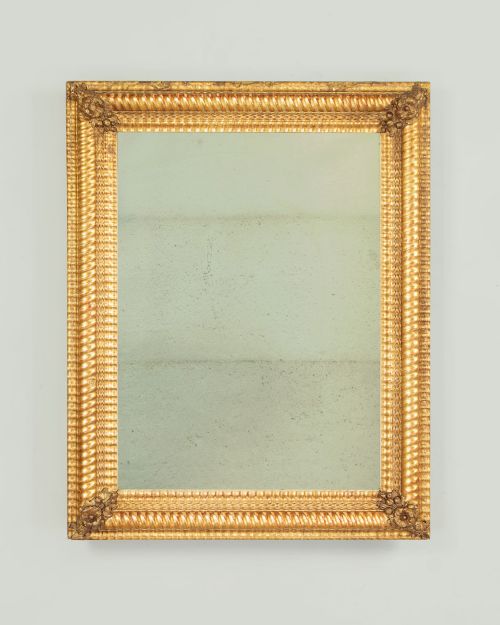
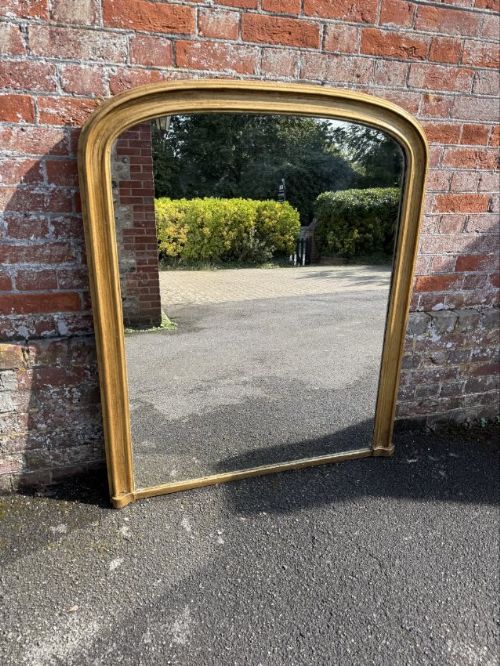
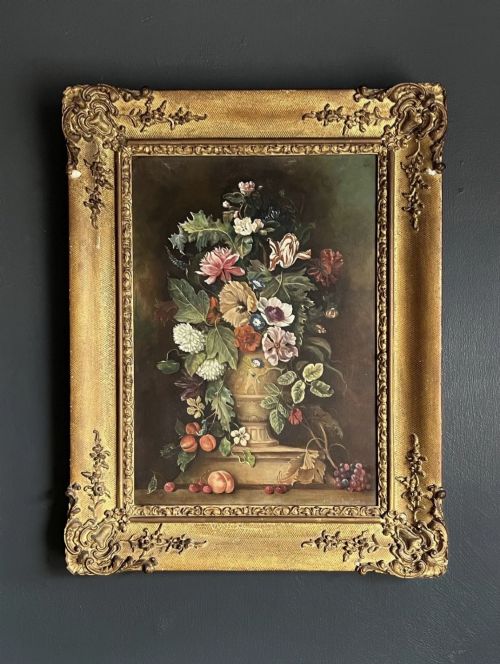
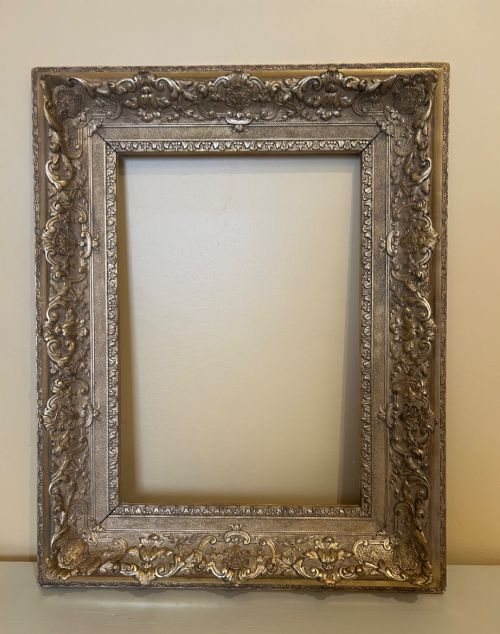
A gilded gesso frame brings brilliant reflective presence and deep historic ornament into a room.
Gilded Gesso Frame
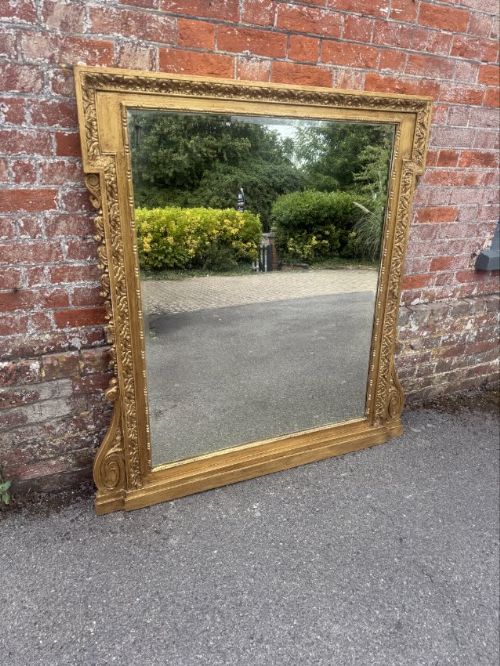
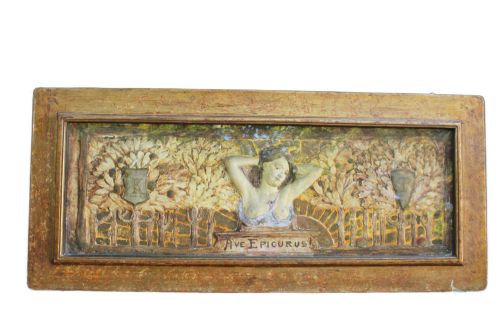
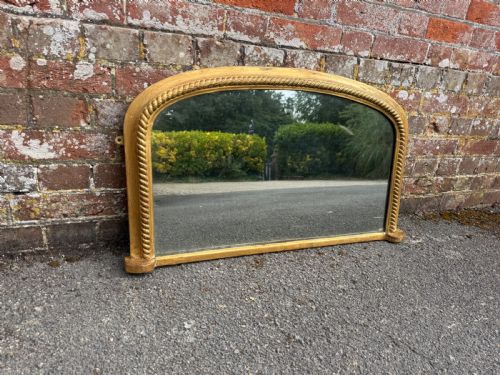
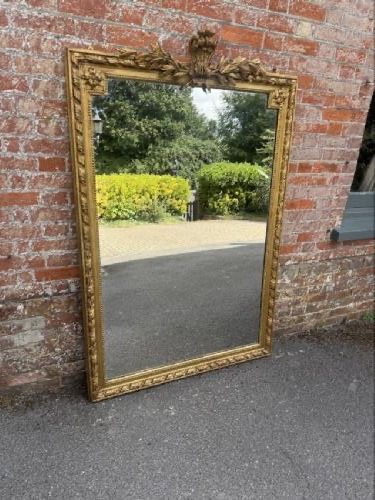
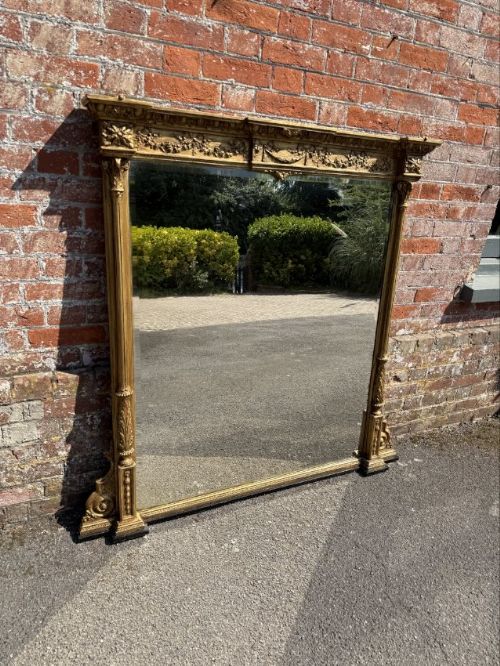
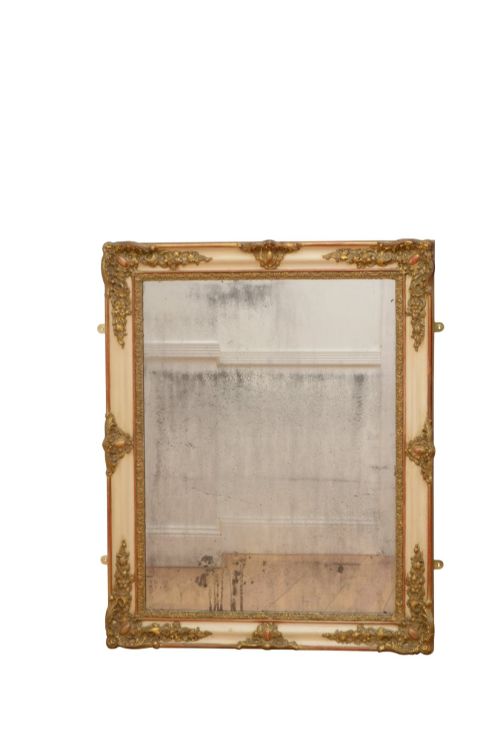
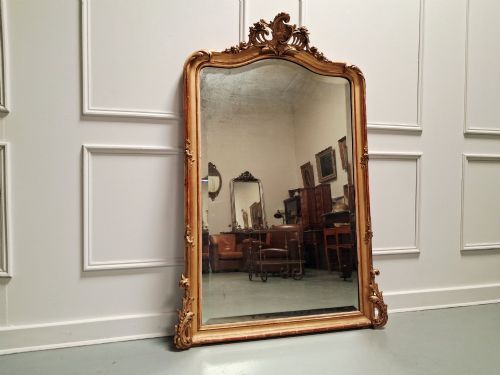
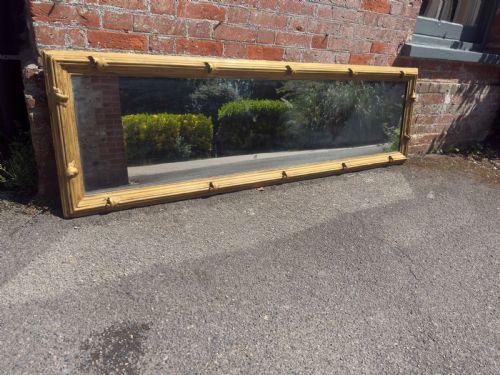
When you search for a gilded gesso frame, you encounter substantial nineteenth-century overmantel mirrors, pier glasses, and picture surrounds built for formal interiors. The most common version met on this page is the large English or French arched-top wall glass from the eighteen-sixties and seventies, carrying deep decorative mouldings.
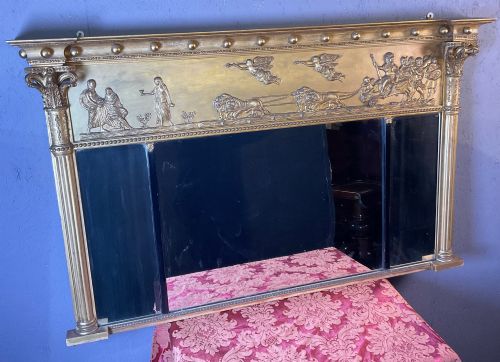
These pieces combine structural timber with moulded plaster layers finished in gold leaf or metallic paint. Makers employed this technique to achieve intricate relief work, scrolls, and rope twists that carved solid wood could not match with equal speed or depth.
How they were made
Craftsmen started with a carved wood foundation, often pine or hardwood, then built up the surface using successive layers of gesso. This fine plaster mixture was applied over the timber substrate to create smooth grounds and sharp relief details.
Workers then laid gold leaf over the prepared gesso base, burnishing the metal to create a brilliant reflective shine. Alternatively, some pieces received painted or polychrome finishes to suit specific domestic styles.
Some frames still hide nineteenth-century builder chalk marks tucked behind their heavy arched wooden crests.
What varies in quality
The sophistication of the moulded ornament dictates the standard of the piece, separating mass-produced items from finely hand-finished work. Crisp undercutting in the gesso relief indicates skilled hand-tooling rather than hasty casting.
The integrity of the underlying timber and the preservation of the original gilding define the overall state. Pieces retain higher value when the gesso remains stable without extensive replacement or heavy overpainting.
John Belchier
The Gilded Gesso Frame Glossary
- Gesso
- A dense plaster mixture composed of chalk, gypsum, and binding glue applied to wooden frames. It forms the smooth, responsive base layer that artisans carve and gild.
- Overmantel mirror
- A large horizontal looking glass designed specifically to hang above a fireplace mantel. These architectural pieces often feature arched tops and elaborate crestings.
- Giltwood
- Timber that has been decorated with thin sheets of gold leaf or powder. It provides the luxurious metallic finish characteristic of formal period furnishings.
- Pier mirror
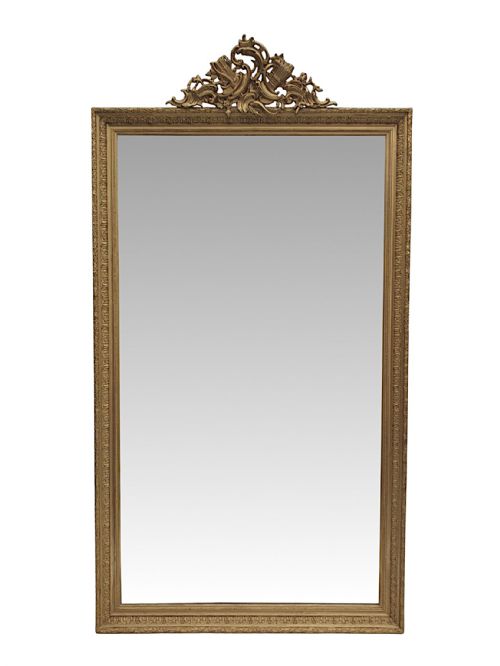
- A tall, narrow looking glass built to hang on the wall space between two windows. They frequently incorporate lower console tables or match interior pier tables.
- Rococo Revival
- A nineteenth-century design movement inspired by eighteenth-century French style. It utilises asymmetrical scrolls, floral motifs, and organic curves.
Gilded Gesso Frame: Frequently Asked Questions
Where should I hang an overmantel mirror?
These large glasses fit naturally above a living room fireplace or along a primary dining room wall. Their reflective surface bounces natural light deep into the space.
Ensure the wall anchors securely hold the substantial weight of the timber and gesso construction.
How do I clean a gilded gesso frame?
Dust the ornate surface gently with a soft, dry brush to prevent accumulation in the deep relief crevices. Avoid liquid cleaners and damp cloths entirely.
Moisture softens the historic gesso layer and damages the delicate gold leaf finish.
Can I use these frames for modern art?
Historic picture frames and mirrors introduce striking contrast when paired with contemporary oil paintings or minimalist interiors. The elaborate nineteenth-century ornament anchors modern canvases.
Ensure the rabbet depth accommodates your chosen artwork securely.