


Gilded French Glass
Gilded French glass brings together luminous crystal, opaline, and gilt frames from the eighteenth century onwards.
Gilded French Glass
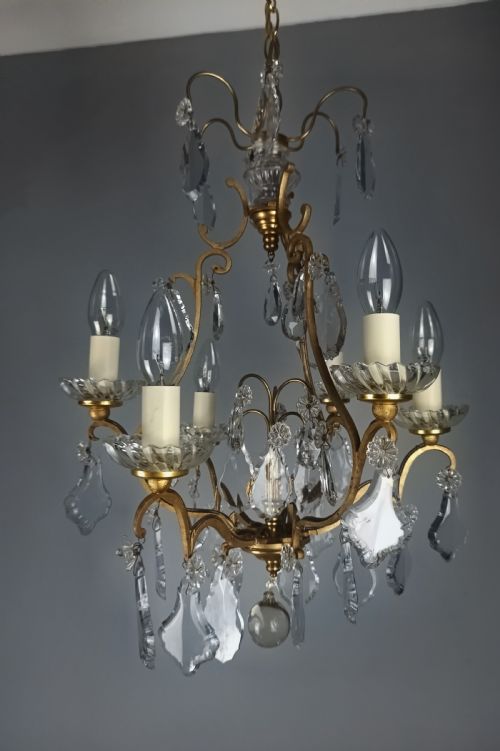
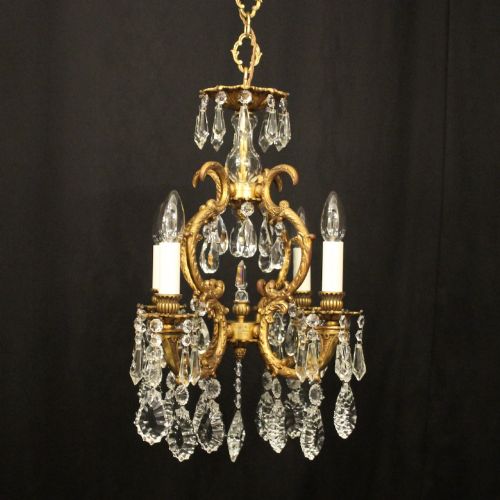
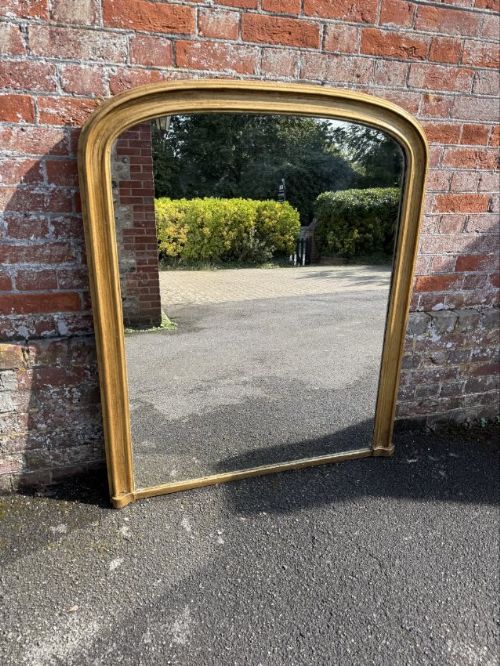
When searching for gilded french glass, a buyer encounters a diverse range of decorative objects, from chandeliers and wall mirrors to scent bottles, vases, and trinket boxes. These pieces span several centuries, with items originating from periods such as the eighteenth century, the Victorian era, the nineteenth century, and the early decades of the twentieth century.
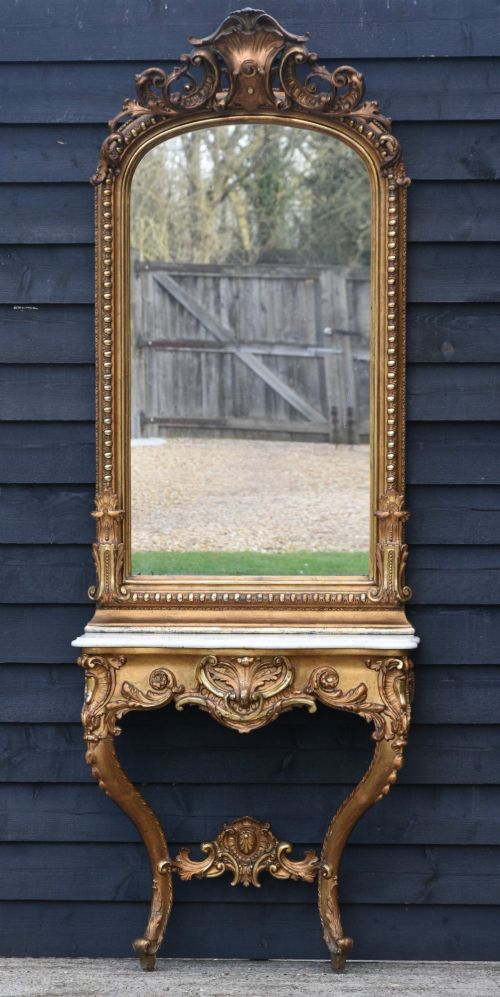
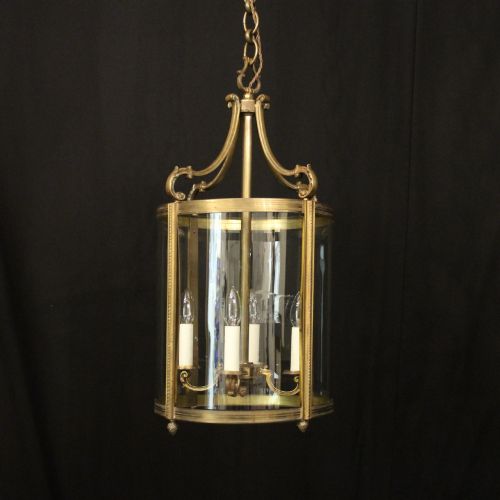
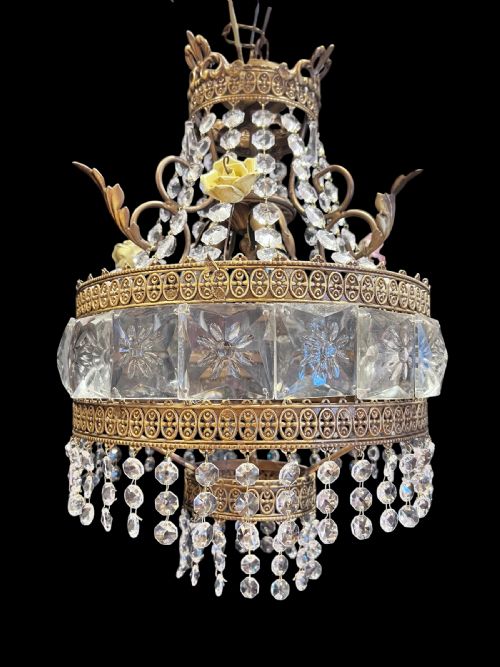
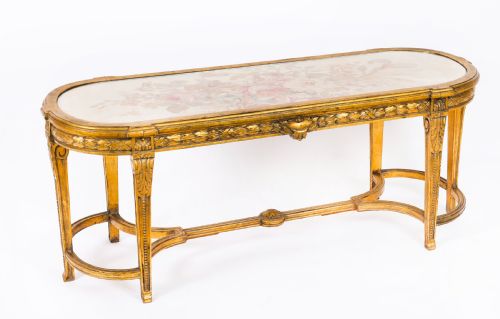
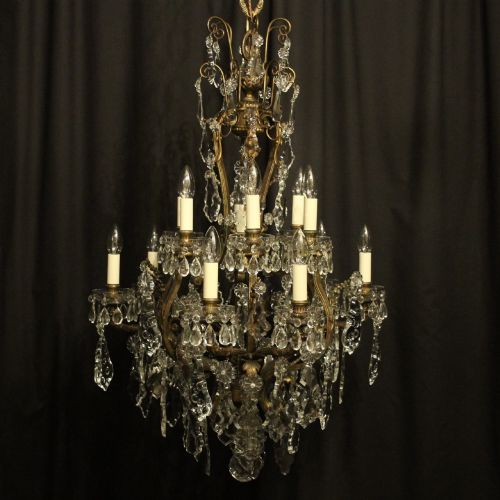
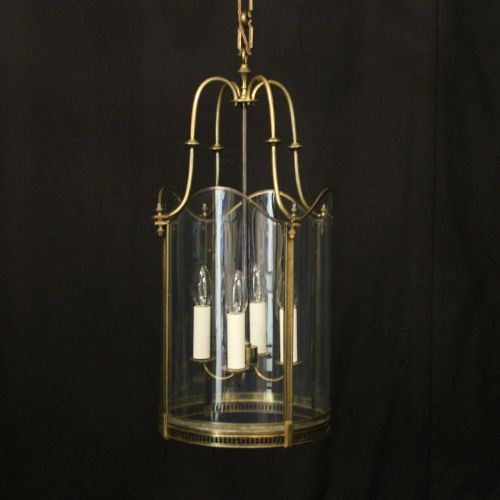
The selection frequently includes lighting fixtures like lanterns, plafonieres, and multi-light crystal chandeliers alongside table accessories, console tables, and trumeau mirrors. Many items reflect distinct historical aesthetics, notably French Rococo, Neoclassical, Napoleon III, and Empire styles.
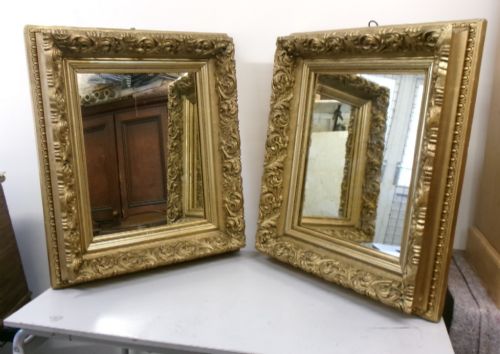
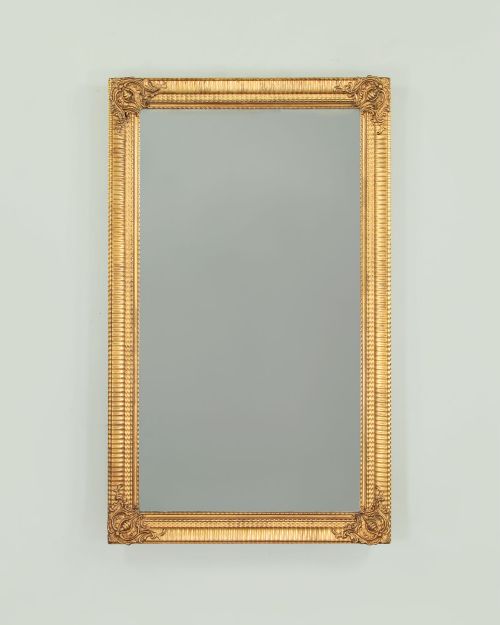
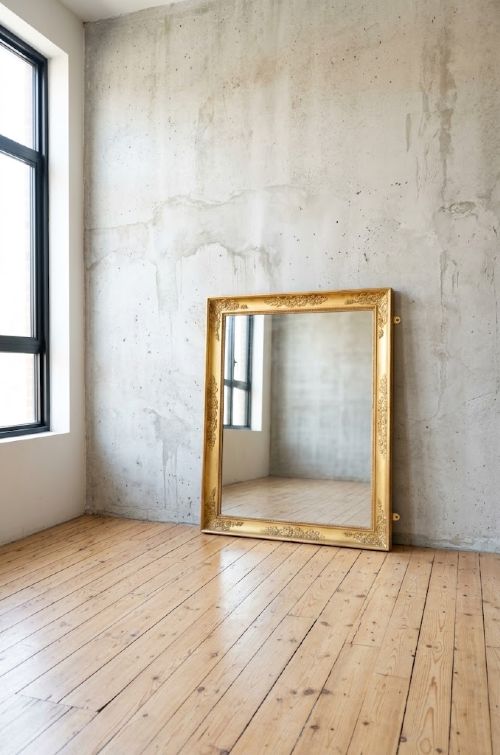
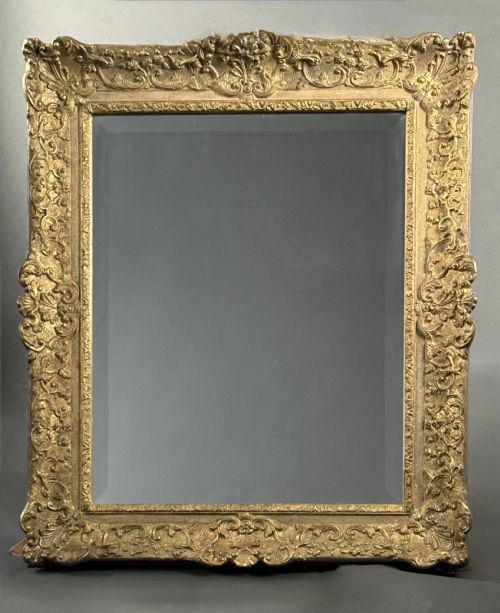
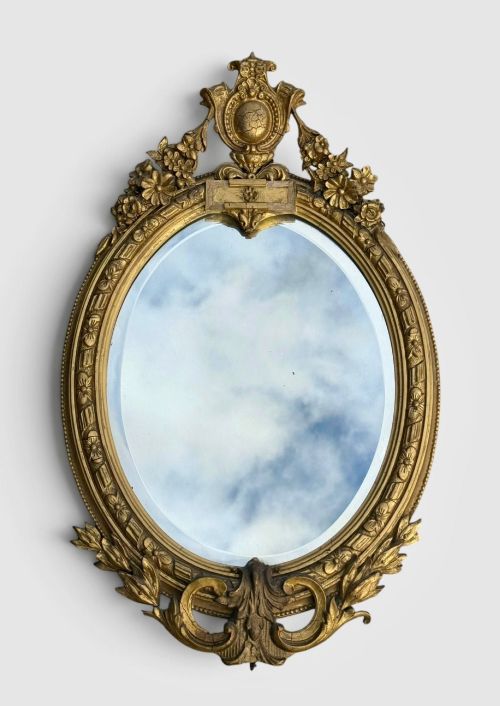
Vessels and tableware such as opaline perfume bottles, wine glasses, bowls, and tazzas appear alongside grander architectural mirrors framed in giltwood and gesso. Each category displays the marriage of transparent or coloured glass with metallic gilding, bronze, or brass mounts.
How they were made
Artisans combined glassblowing, mould-pressing, and cutting techniques to form the crystal and glass components, creating bowls, chandeliers, and scent bottles with facets and icicles. Frames and mounts utilised carved wood, gesso, composition, cast bronze, and brass, which were then finished with gold leaf or silver gilding.
Mirrors incorporated glass plates, frequently utilising historical mercury glass methods that resulted in characteristic foxing over time. Decorative details on frames, clocks, and light fittings often featured applied floral motifs, mythological carvings, and porcelain mounts.
Listings feature items from the eighteenth, nineteenth, and early twentieth centuries, constructed from glass, giltwood, gesso, crystal, and bronze.
What varies in quality
The definition and depth of the carving on wooden or gesso frames set certain mirrors and consoles apart, alongside the crispness of cast detail on bronze and brass mounts. Superior pieces maintain intact original gilding and retain authentic components like mercury glass plates or hand-cut crystal drops.
Makers known for exceptional work, such as Baccarat, St Louis, and Moser, produced glass with superior clarity, weight, and hand-painted or gilt ornamentation. The structural integrity of multi-light chandeliers and the precision of fitted components also distinguish finer examples from standard production.
Moser·Baccarat·St Louis
The Gilded French Glass Glossary
- Mercury glass
- A type of double-walled blown glass created by pouring a silvering mixture between the layers and sealing the opening, common in nineteenth-century mirrors and decorative items. Over decades, this process develops characteristic dark spots known as foxing.
- Trumeau mirror
- A decorative wall mirror featuring an upper panel painted with pastoral scenes or containing a carved oil painting, framed into wooden wall panelling. These were popular in French interiors during the nineteenth century.
- Opaline glass
- An opaque or translucent pale glass developed in France, frequently coloured in shades of blue or white and embellished with applied gilding. It was widely utilised for nineteenth-century perfume bottles and trinket sets.
- Gesso
- A plaster-like material applied to carved wooden frames to provide a smooth base for laying gold leaf or paint. It allows for intricate, sharp relief mouldings around mirror plates.
- Plafoinere
- A ceiling-mounted light fixture designed to sit flush or close to the ceiling surface, typically constructed from brass and cut crystal glass. These fixtures illuminate interior spaces while housing multiple light bulbs.
Gilded French Glass: Frequently Asked Questions
What is mercury glass?
Mercury glass involves a silvering solution sealed between double-walled blown glass rather than actual mercury. It produces a reflective, mirror-like finish that ages with atmospheric spots.
This ageing process, termed foxing, helps confirm the antiquity of eighteenth and nineteenth-century French mirrors and decorative objects.
How do I date a mirror?
Dating relies on examining the framing materials, construction techniques, and the glass plate itself. Styles like Rococo Revival or Napoleon III point to specific mid to late nineteenth-century decades.
Backboards, screw types, and the presence of original mercury glass plates further narrow down the exact period of manufacture.
How do I clean chandeliers?
Cleaning requires a soft cloth and a mild solution applied directly to the glass drops and metallic mounts. Removing components individually prevents damage to delicate brass and bronze arms.
Harsh chemical cleaners should be avoided to protect the integrity of the original gold leaf or gilt finishes on the frame.
Where were these placed?
These items occupied formal French interiors, including salons, grand hallways, and dining rooms. Large mirrors hung above mantelpieces or console tables to amplify light in the room.
Chandeliers and hall lanterns illuminated high-ceilinged spaces, while smaller opaline vessels and scent bottles rested on dressing tables.