

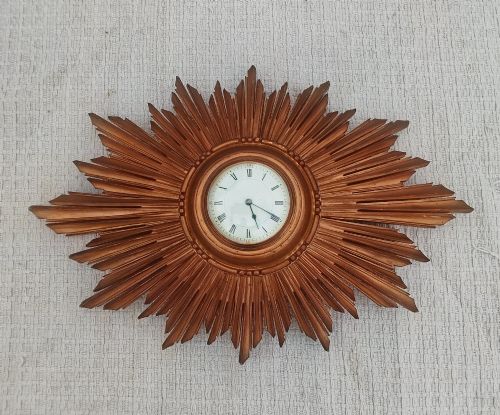
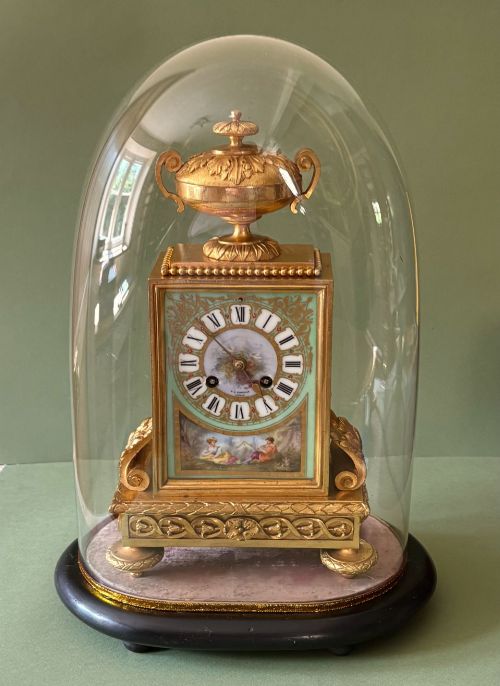
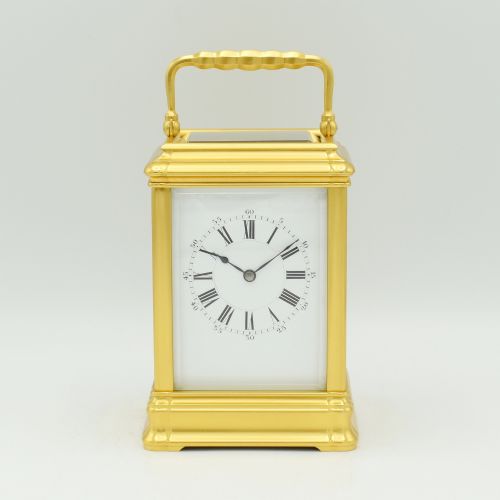
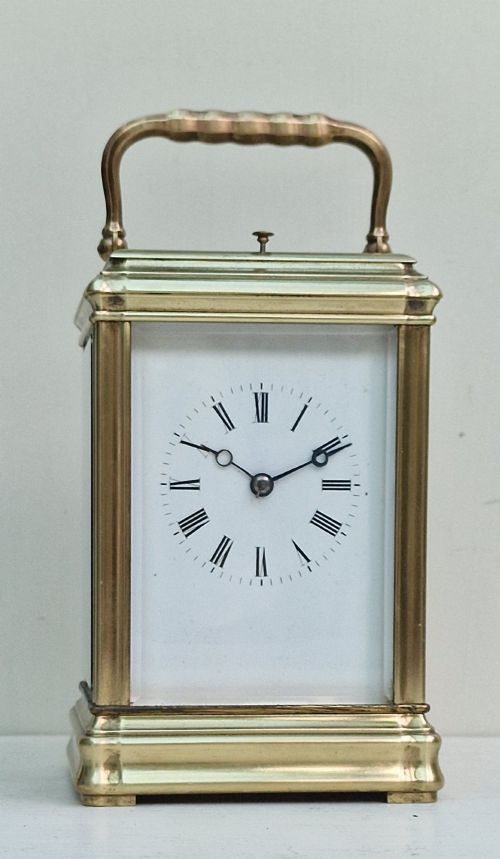
Gilded French Clock
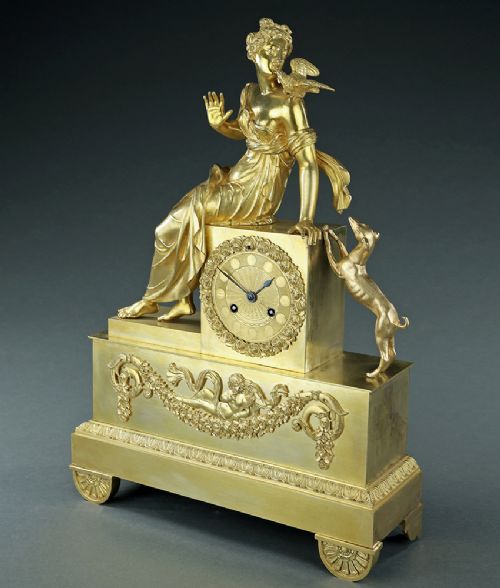
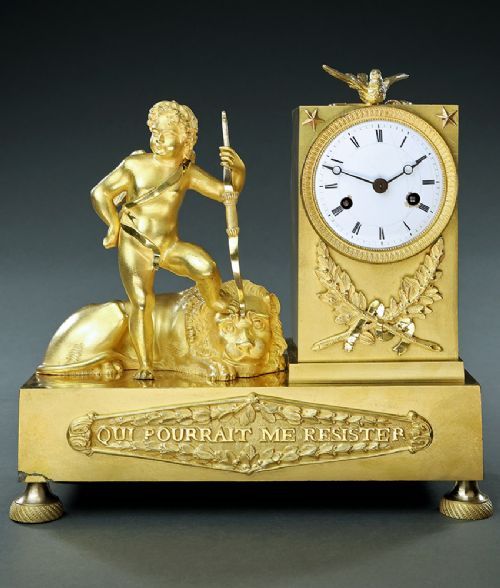
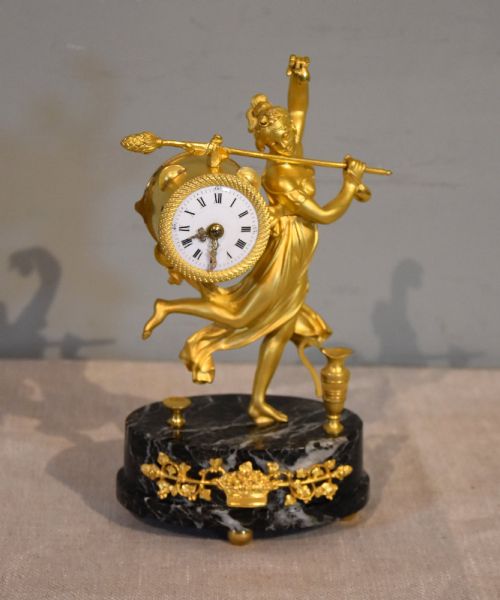
A gilded french clock brings nineteenth-century drawing-room elegance to a mantelpiece through gleaming metalwork and precise mechanical movement.
Gilded French Clock
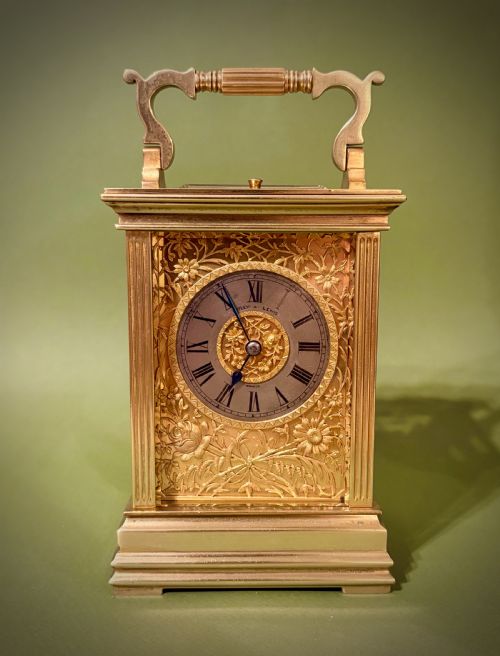
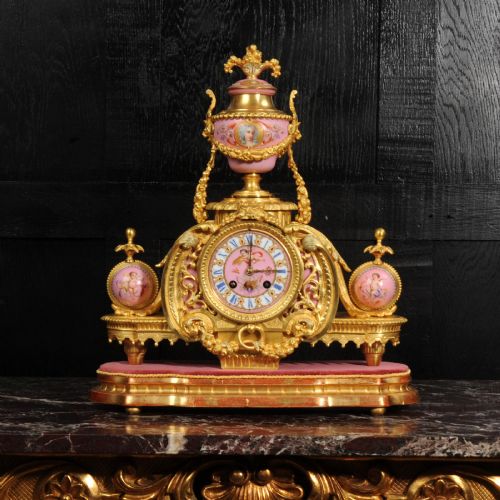
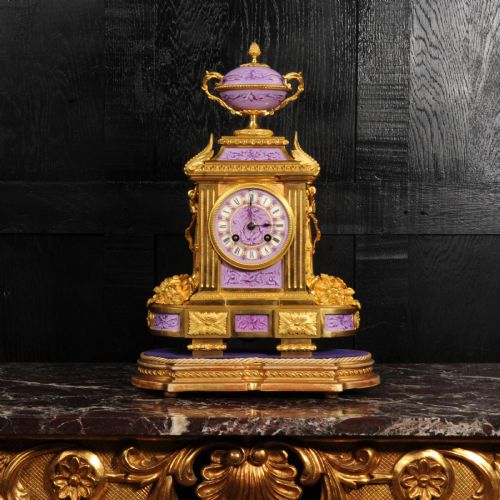
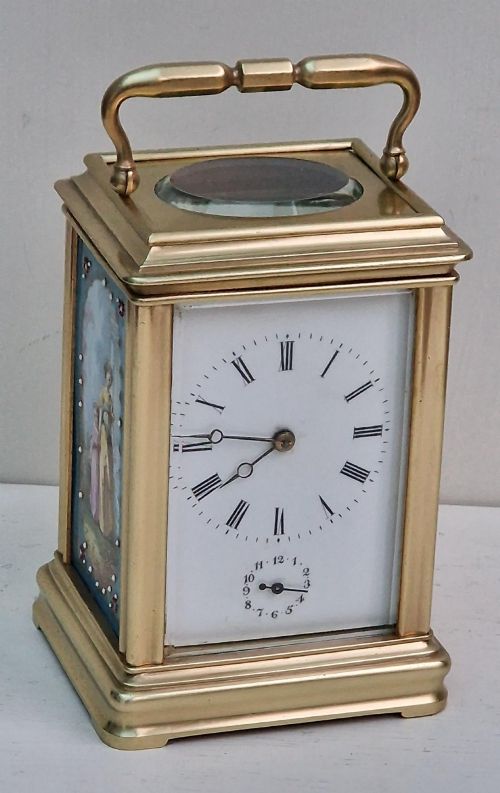
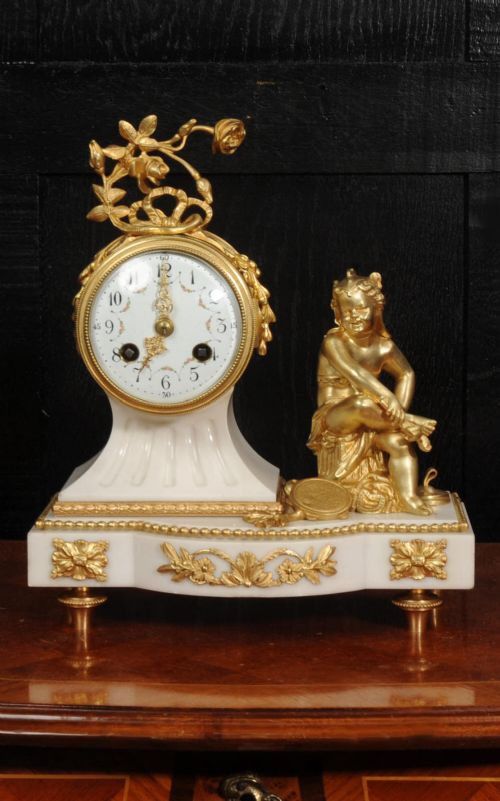
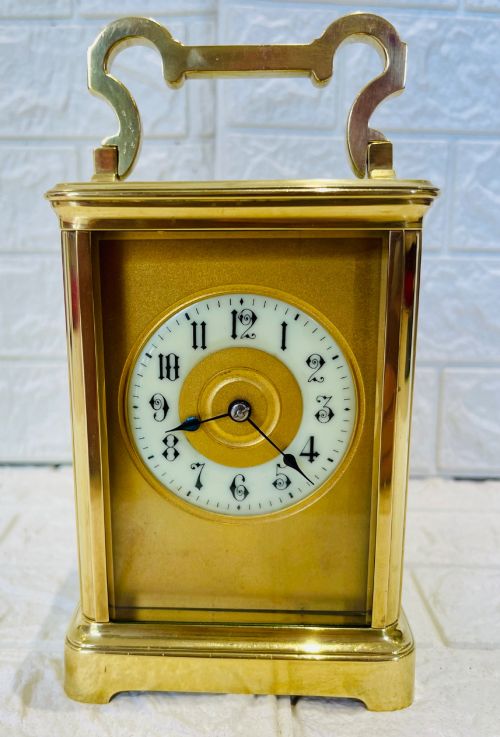
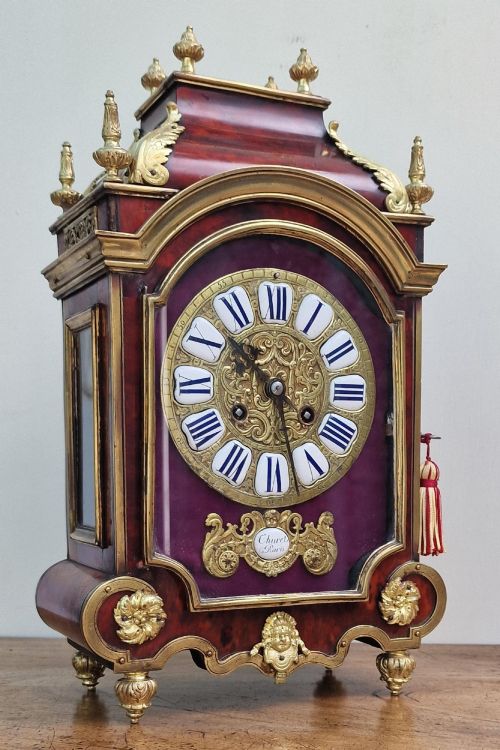
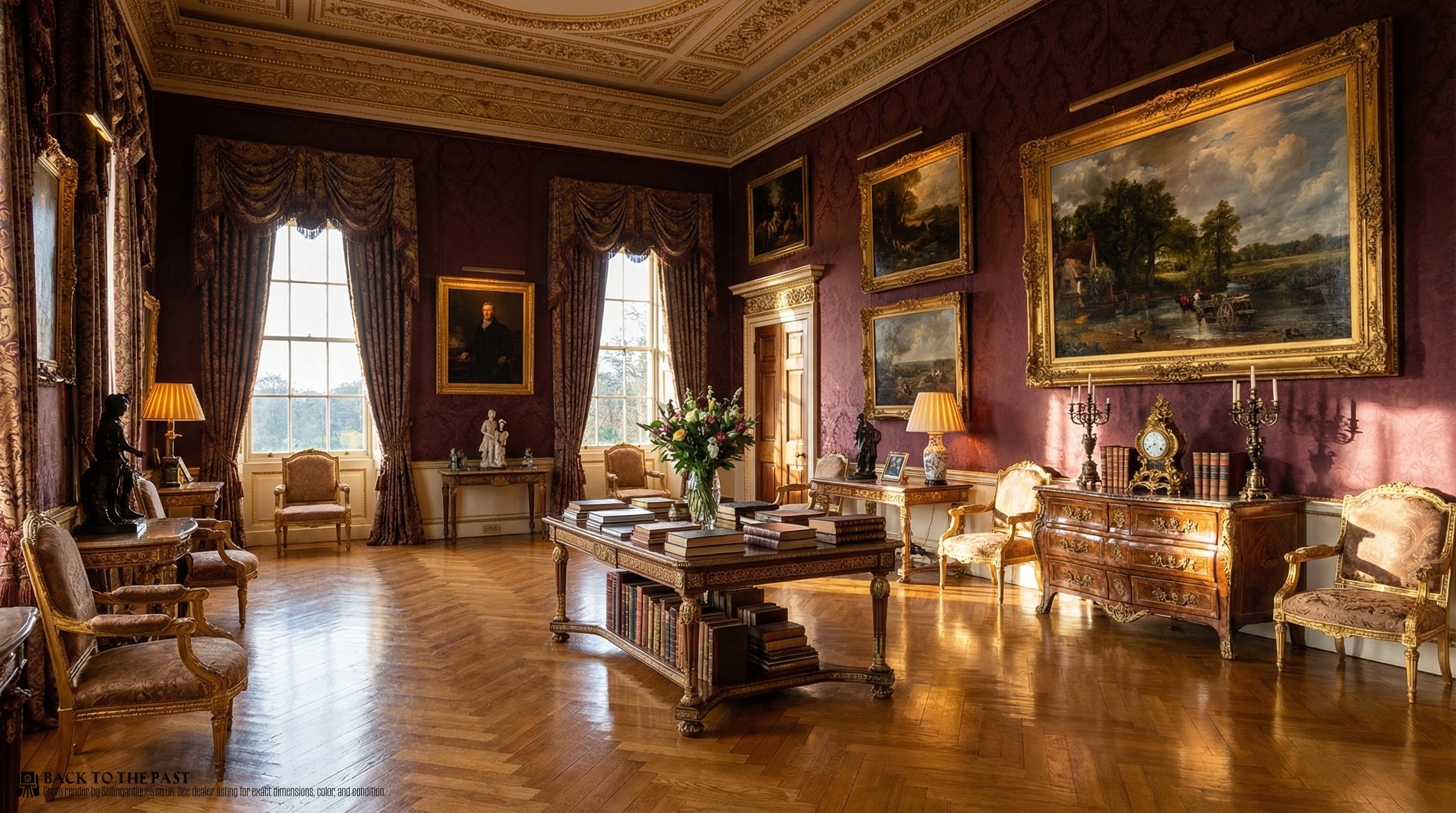
A gilded french clock encompasses a wide variety of domestic timepieces produced across the nineteenth century, ranging from architectural portico models to portable carriage clocks housed in brass frames. Buyers seeking this phrase usually encounter ornate mantel clocks and freestanding garnitures designed to dominate the interior display of a nineteenth-century parlour.
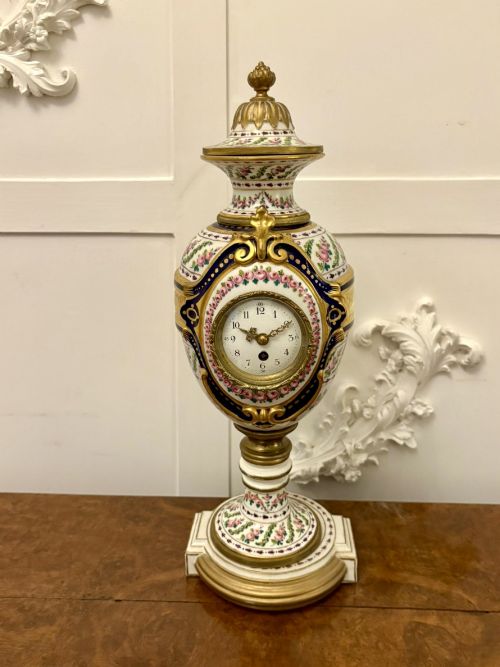
The material vocabulary relies heavily on cast brass, ormolu, and fire-gilded bronze, frequently accented with hand-painted porcelain panels depicting pastoral scenes or floral motifs. Many examples stem from distinct stylistic revivals such as French Rococo, Neoclassical, and Empire periods, reflecting historical design movements popular across the decades.
Mantel clocks dominate the selection, often accompanied by matching side urns in clock garniture sets, alongside smaller gorge-case carriage clocks featuring enamel dials. Makers across Paris workshops and provincial foundries produced these pieces for both domestic use and export markets, establishing a rich variety of movement types and decorative schemes.
How they were made
The construction of a gilded french clock combines heavy cast bronze or brass frames with mercury gilding or modern electroplated ormolu finishes. Movement plates and gear trains were meticulously cut and fitted by specialised horologists working in Parisian workshops, often bearing the stamps of established makers on the backplate.
Enamel dials, hand-painted porcelain plaques, and inset marble slabs were integrated into the metal housings to create contrast and texture. Cases frequently incorporated applied decorative chased mounts, horn veneers, or tortoiseshell panels secured to wooden or slate carcases.
Some carriage clocks were built specifically for export to distant markets, featuring special sweep seconds hands and custom dials.
What varies in quality
Quality in a gilded french clock is determined by the crispness of the bronze chasing and the depth of the original gilding rather than the sheer weight of the metal. Finer pieces display sharply defined cast ornamentation, hand-engraved dial masks, and movements signed by renowned makers with repeating or striking complications.
Achille Brocot·Japy Freres·Henri Jacot·Le Roy·C. Detouche·Margaine·Philippes Paris·A. D. Mougin
The Gilded French Clock Glossary
- Ormolu
- A technique of applying finely ground high-carat gold-mercury amalgam to a bronze object, creating a durable golden surface finish. This finish defines the lustrous appearance of many nineteenth-century French timepieces.
- Gorge case
- A stepped, rectangular brass carriage clock housing with distinct moulded shoulders. This specific case style provides a robust frame for bevelled glass panels.
- Garniture
- A set consisting of a central clock flanked by matching ornamental side pieces such as vases or urns. These matched ensembles created a balanced decorative display on a mantelpiece.
- Champlevé
- An enamelling technique where troughs are dug into a metal surface and filled with vitreous paste before firing. The resulting colourful patterns accent the bronze or brass framework.
- Escapement
- The mechanical linkage that controls the release of gear train energy to maintain the pendulum swing. Visible versions allow the observer to watch the beating heart of the clock.
Gilded French Clock: Frequently Asked Questions
How do I wind a carriage clock?
Carriage clocks generally utilise a key inserted into the winding square on the underside or backplate of the movement. Turn the key gently clockwise until resistance indicates the mainspring is fully wound.
Avoid overwinding the spring, as this can damage the internal components. Ensure the clock is standing on a level surface before setting the time by moving the hands carefully.
What is a clock garniture?
A clock garniture is a matched decorative set comprising a central mantel clock accompanied by two matching side ornaments, typically urns or candelabra. These sets were designed to sit harmoniously on a fireplace mantel as a unified decorative scheme.
The side pieces echo the materials and decorative motifs of the clock case, often combining ormolu mounts with porcelain bodies or marble plinths.
How do striking and repeating work?
A striking movement sounds the hours and half-hours automatically using a small internal bell or gong. This mechanism relies on a countwheel or rack system to regulate the number of strikes.
A repeating function allows the owner to press a button or cord on the case, causing the clock to sound the most recent hour and quarter-hour on demand.
Where should I place my mantel clock?
Place your mantel clock on a sturdy, level surface away from direct sunlight, excessive heat sources, and damp environments. A stable mantelpiece or heavy sideboard provides the ideal foundation for keeping the pendulum beat even.
Ensure there is adequate clearance around the piece so that winding keys and regulating levers can be accessed without disturbing the case.