
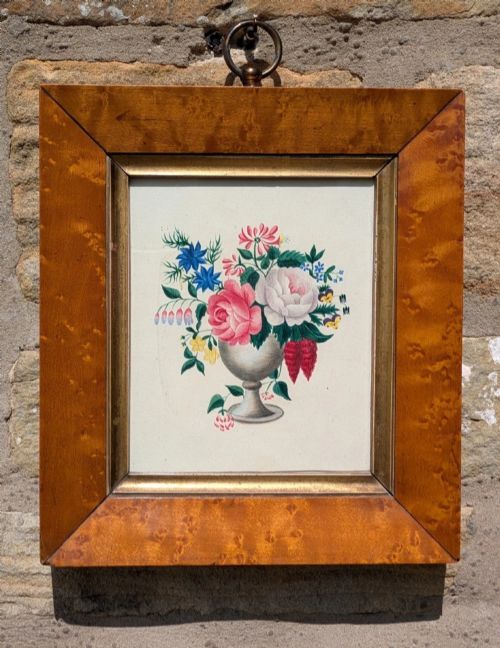
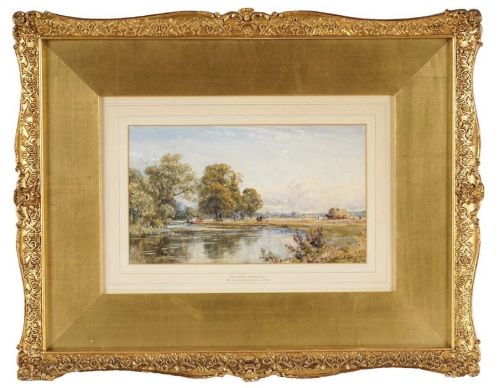
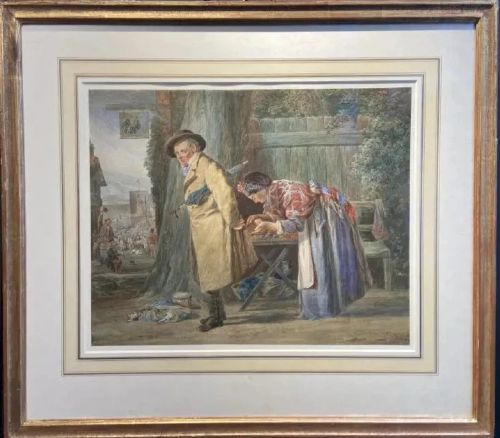
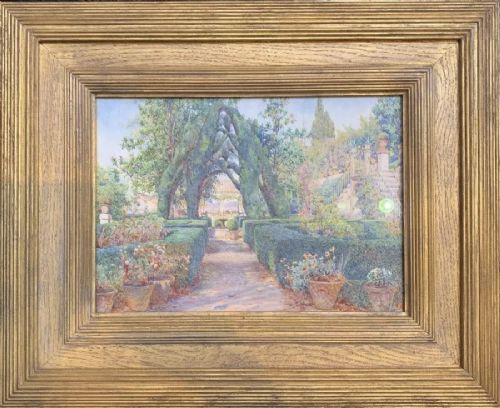

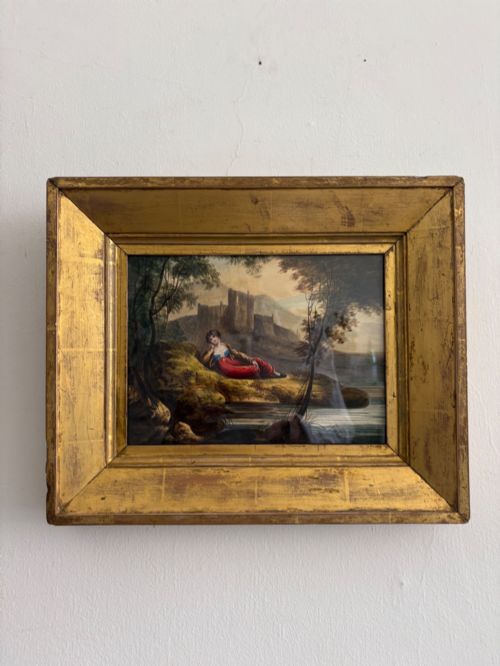
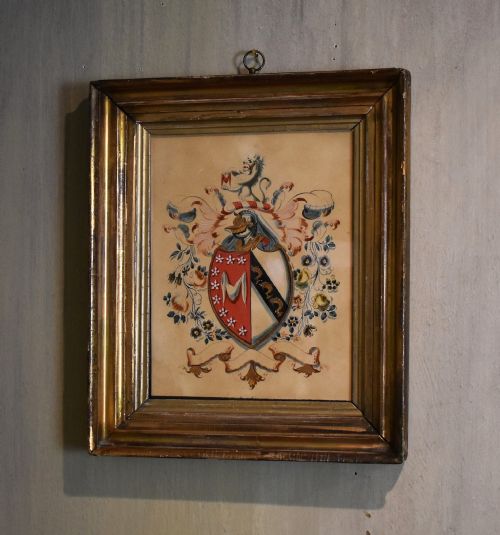
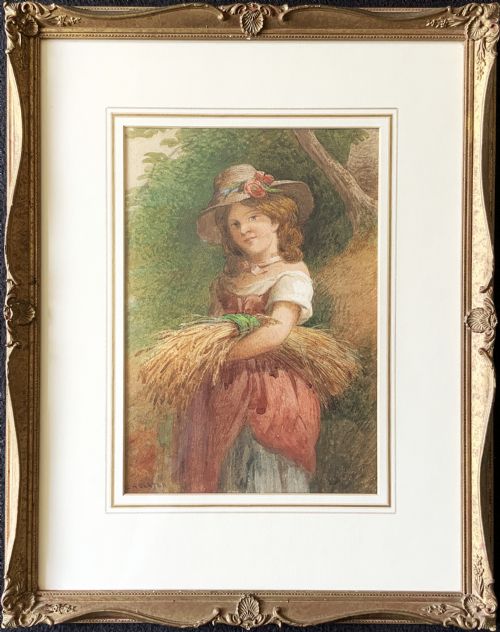
Gilded Frame Watercolour
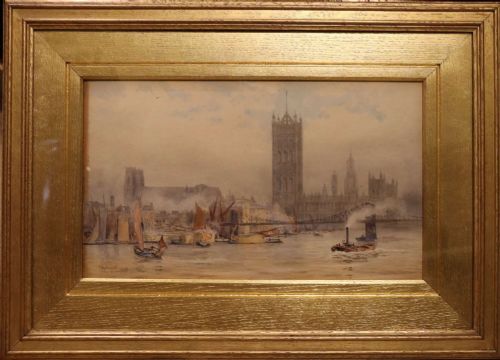
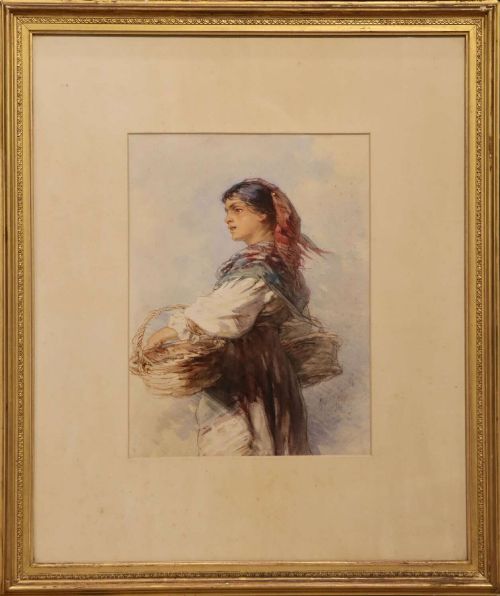
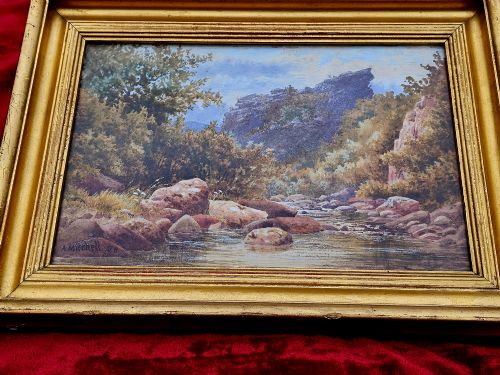
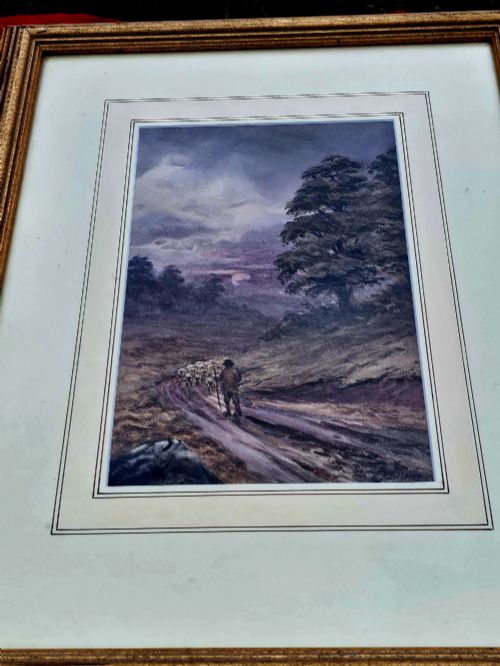
These gilded frame watercolour works bring nineteenth-century landscapes and portraits to life inside period gold leaf mouldings.
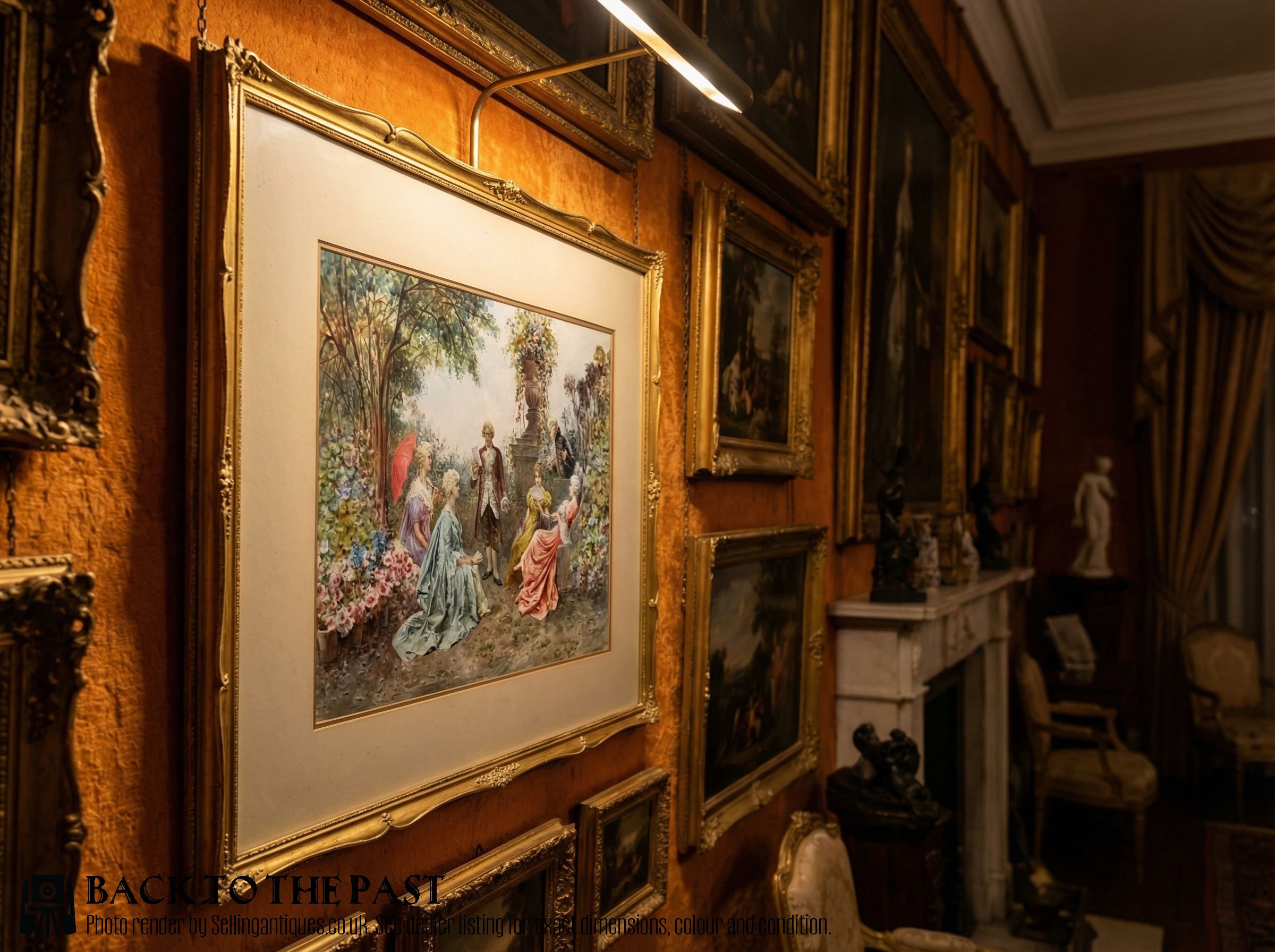
Gilded Frame Watercolour
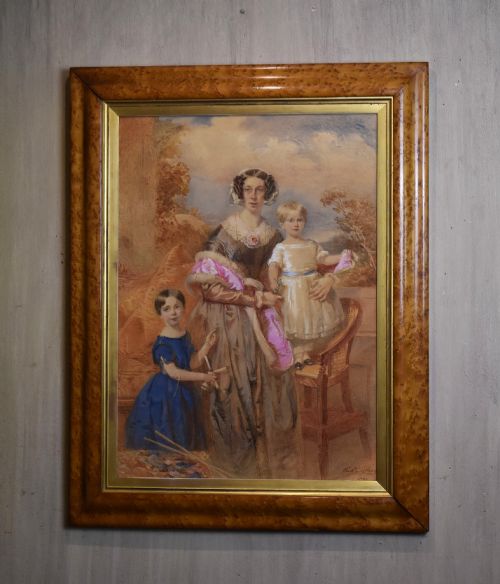
A gilded frame watercolour brings together works on paper executed in pigment and wash with elaborate wooden surrounds finished in gold leaf. When searching for a gilded frame watercolour, buyers encounter predominantly nineteenth-century pieces ranging from Regency botanicals to Victorian landscapes and portraits.
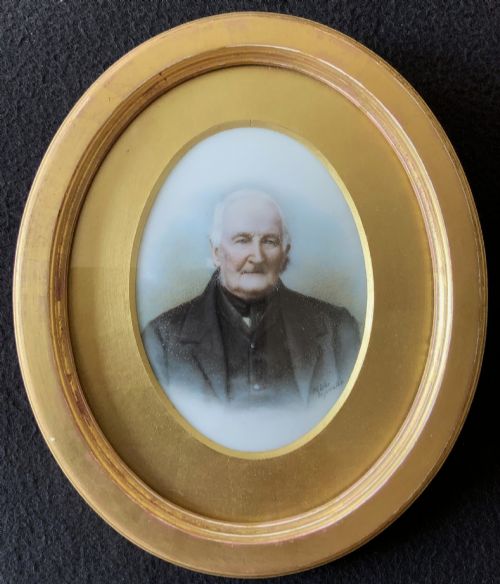
The selection encompasses diverse regional schools, including English coastal views, Italian peasant scenes, and miniature portraits on glass or paper. Works span from the Georgian era through to the Edwardian period, often retained in their original ornate wooden frames.
How They Were Made
Watercolour pigments were applied to heavy paper or sometimes glass using gum arabic binders for luminosity, occasionally enhanced with bodycolour or gouache for opacity. The accompanying frames consist of carved or moulded wood finished with layers of gesso and applied gold leaf.
Makers constructed these housings to protect delicate paper works from atmospheric moisture while complementing the tonal qualities of the painting within.
Gilded Frame Watercolour Retail Price Guide 2026
Typical asking prices for gilded frame watercolour among the pieces listed under this phrase on Sellingantiques today, from the lower quarter to the upper quarter. They describe what is for sale here now, not the wider market.
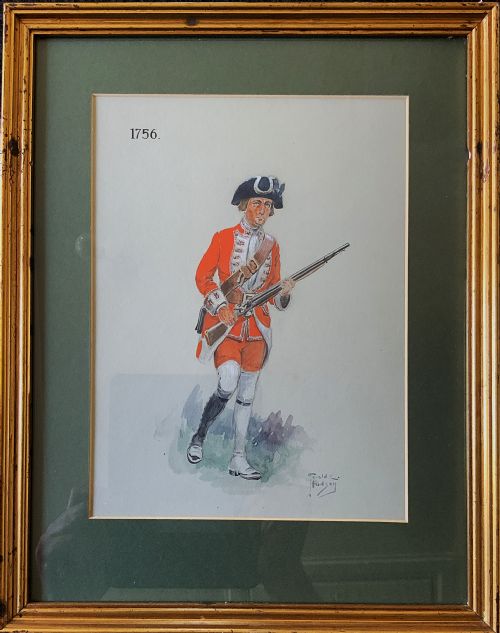
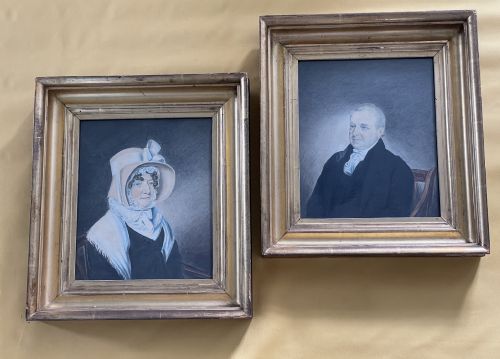
Sheep, cows, and noble officials share these historical windows into past lives.
What Varies In Quality
The standard of execution in the painted surface sets the primary tier, distinguishing masterly handling of light and perspective from routine topographical recording. Brushwork control, compositional balance, and the preservation of pigment vibrancy dictate the artistic merit of each piece.
Framing integrity also plays a decisive role, where original gilded wood mouldings with undisturbed gesso and leaf retain higher historical authenticity than later replacements.
H Medlycott·Guido Bach·Ernest Arthur Rowe·Frederick Tatham·Charles Henry Slater·David Cox Jnr·Thomas Bush Hardy
The Gilded Frame Watercolour Glossary
- Gesso
- A plaster mixture applied to wood frames as a smooth base before gilding. It allows for crisp moulding of decorative details.
- Gouache
- An opaque watercolour medium containing white pigment for solid highlights. It provides dense colour saturation compared to transparent washes.
- Wash
- A thin, transparent layer of diluted watercolour pigment. It creates atmospheric skies and subtle water gradients.
- Diptych
- A painting divided into two hinged or paired panels. This format was frequently utilised for companion landscapes or portraits.
- Miniature
- A small-scale portrait or painting executed with meticulous detail. These were often housed in pocket-sized or wall-hanging frames.
Gilded Frame Watercolour: Frequently Asked Questions
How should I hang a framed watercolour?
Keep these works out of direct sunlight to prevent the watercolour pigments from fading over time. Environmental stability in the room also protects the delicate paper and the gilded wood frame.
Use secure picture hooks rated for the weight of the piece and hang it at eye level. Avoid damp walls that might introduce moisture behind the glass.
What is the difference between watercolour and gouache?
Standard watercolour relies on transparent washes where the white of the paper illuminates the pigment. This creates a luminous and airy effect suited for skies and landscapes.
Gouache incorporates an opaque white additive that blocks light, producing solid colours and flat areas. Artists frequently combined both techniques within the same composition for contrast.
How do I identify a nineteenth-century painting?
Examinations of the paper stock, framing construction, and subject matter provide key chronological indicators. Nineteenth-century works often feature distinct romantic or realistic conventions reflecting the era's artistic training.
Signatures, artist registry records, and dated inscriptions on the reverse further clarify the period of creation.