



Gilded Frame Portrait
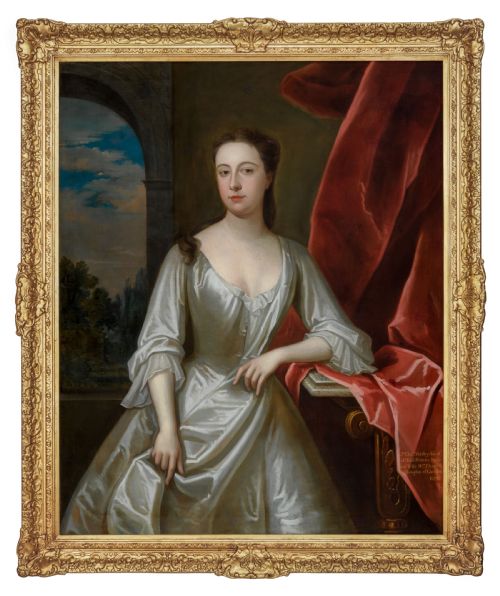
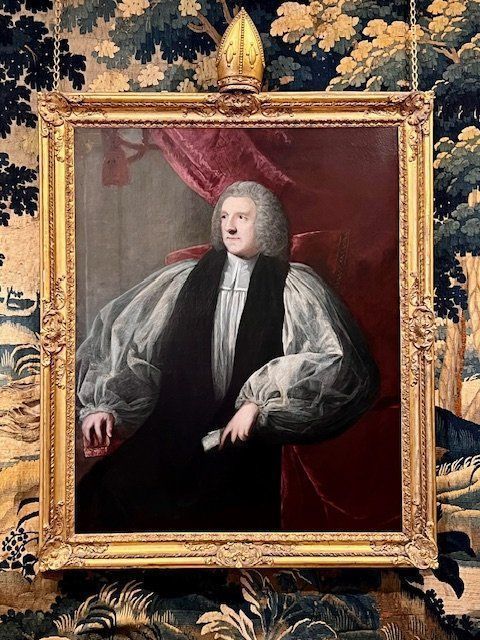
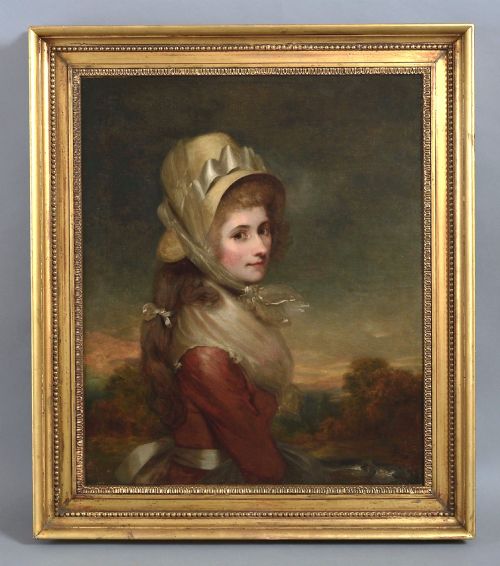
A gilded frame portrait carries the presence of past centuries through oil paint, pastel, and silhouette held within gleaming wood.
Gilded Frame Portrait
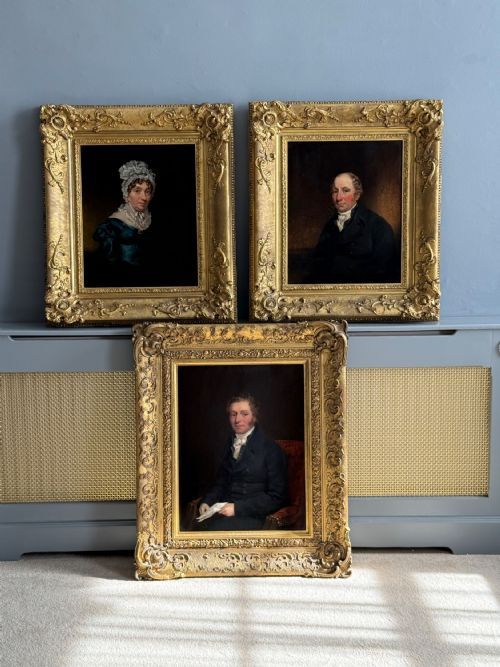
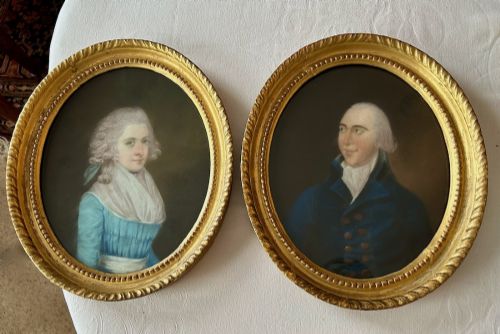
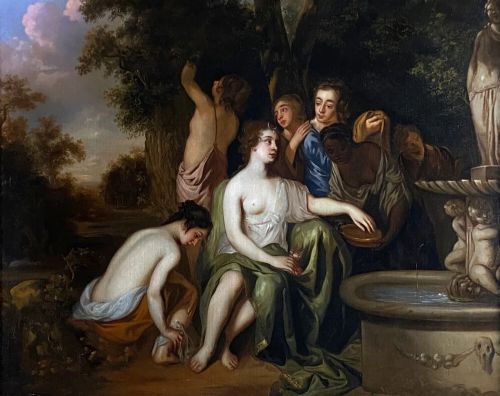
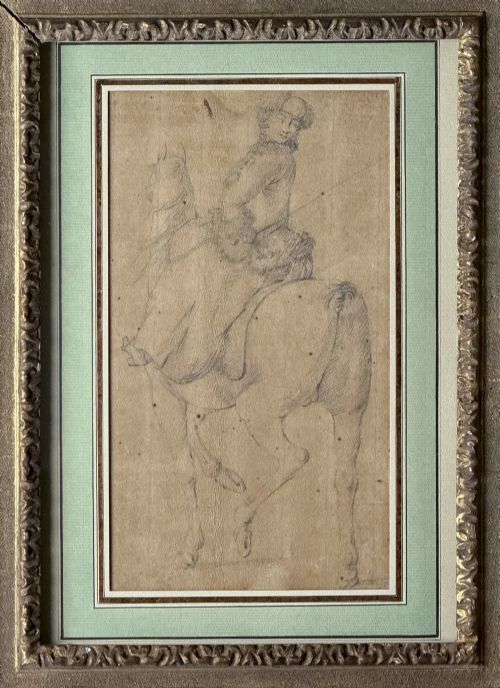
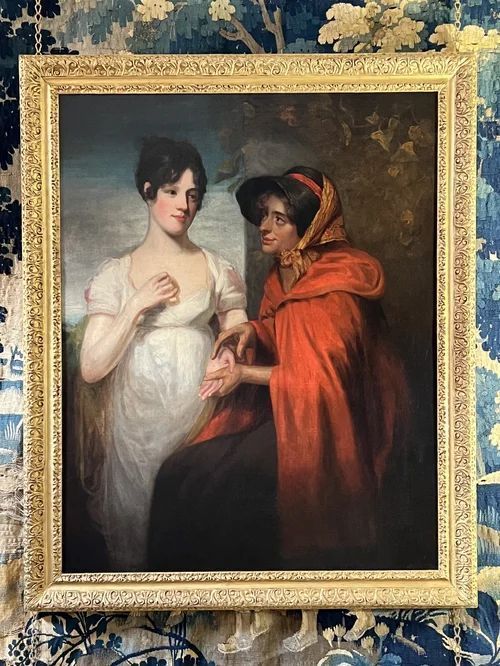
A gilded frame portrait unites historic likenesses with decorative metal finishes, presenting subjects from nobility to country folk in media ranging from oil on canvas to delicate pastel. These works span the seventeenth through the nineteenth centuries, capturing individual identity alongside the prevailing aesthetic of Georgian, Regency, and Victorian eras.
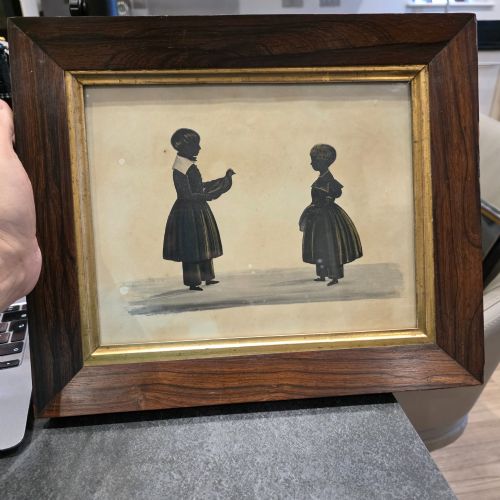
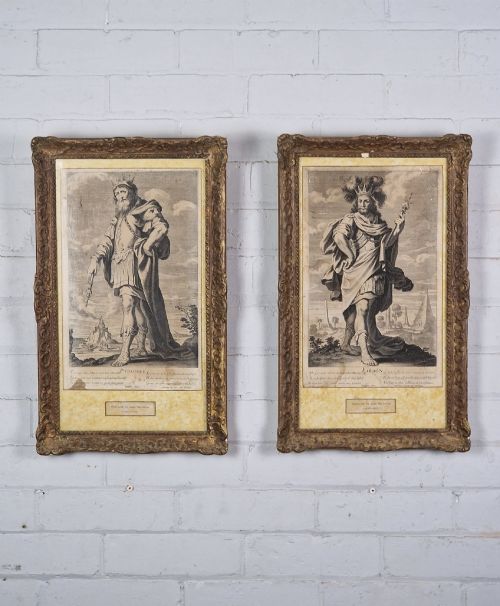
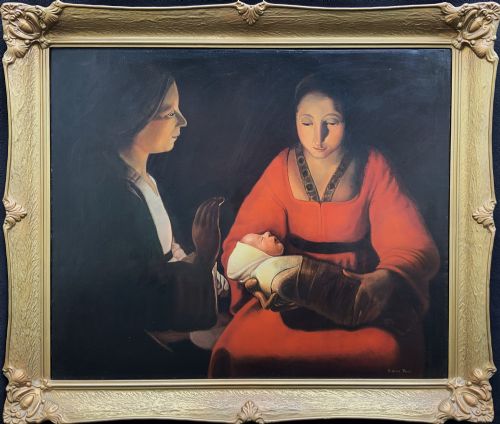
The most common examples on this page are oil paintings on canvas or panel, frequently housed in original or period-appropriate carved wood frames finished with gold leaf. Alongside full-scale oils, buyers encounter pastel portraits, silhouette profiles, and engravings, each format utilising the reflective warmth of a gilded border to draw the eye toward the subject.
Origins stretch across British, Dutch, and French schools, offering glimpses into domestic life, formal portraiture, and classical interpretation from periods such as the Baroque and Early Victorian. Whether depicting named sitters or anonymous subjects, these pieces serve as historical documents and interior focal points alike.
Materials and Construction
The foundation of these works typically involves woven canvas or wooden panels prepared with gesso before the application of oil or pastel pigments by the artist. Frames are constructed from timber, carved by hand in many historic examples, and subsequently coated in gold leaf or liquid gilding to achieve a luminous surface.
Mezzotints and engravings on paper introduce printed techniques, whilst silhouettes utilise cut card or painted profiles often enhanced with metallic highlights. Each medium relies on the interaction between the pigment of the portrait and the radiant border of the frame to create visual depth.
Gilded Frame Portrait Retail Price Guide 2026
Typical asking prices for gilded frame portrait among the pieces listed under this phrase on Sellingantiques today, from the lower quarter to the upper quarter. They describe what is for sale here now, not the wider market.
Several sitters share wall space with an assortment of historic dogs, a cat, and an abundance of fresh fruit.
Distinctions in Quality
Quality rests upon the skill of the hand that rendered the likeness and the fidelity of the frame's carving, where deeper relief and finer chisel work separate standard production from master craftsmanship. The handling of light and proportion in the subject's face indicates the capability of the artist or studio.
The integrity of the surface materials also defines the piece, noting how well oil paint retains its pigment or how cleanly a silhouette is cut. Frames that retain their original gilding without excessive modern intervention hold a greater visual harmony with the artwork they enclose.
Sir Godfrey Kneller·Sir Joshua Reynolds·Joseph Clover·John Opie·Anthony Van Dyck
The Gilded Frame Portrait Glossary
- Giltwood
- Wood that has been coated with thin sheets of gold leaf or gold powder over a prepared gesso base. This technique provides the characteristic metallic brilliance seen on period frames.
- Mezzotint
- A printmaking process where the copper plate is roughened to achieve rich dark tones and subtle gradations of light. It became popular for reproducing famous painted portraits in monochrome.
- Pastel
- A medium consisting of powdered pigment combined with a binder, applied directly to paper or vellum. These works require glass protection to preserve the delicate pigment particles.
- Panel
- A flat wooden board used as a rigid support for painting instead of stretched canvas. Oak and mahogany were frequently utilised by artists during earlier centuries.
- Silhouette
- A profile portrait cut from dark card or painted onto a pale background, named after the French finance minister Étienne de Silhouette. They gained widespread popularity during the eighteenth and nineteenth centuries.
Gilded Frame Portrait: Frequently Asked Questions
How do I care for an oil portrait?
Keep the painting away from direct sunlight and steady humidity fluctuations to protect both the canvas and the wooden support.
Dust the surface gently with a soft, dry brush and avoid using liquid cleaners on either the paint or the gilded frame.
Are these frames original to the paintings?
Many works retain their period frames, which were often designed to complement the specific aesthetic of the era in which the portrait was created.
Some pieces have been paired with replacement frames from a similar period to protect and display the artwork effectively.
How can I tell the age of a portrait?
Dating relies on the costume and hairstyle of the sitter, the stretcher construction of the canvas, and the style of the frame's carving.
Signatures, inscriptions, and artist attributions recorded in the historical documentation also help narrow down the period.
Where should I hang a gilded frame portrait?
Select an interior wall with stable temperature conditions, away from heat sources such as radiators or open fireplaces.
Position the piece at eye level where ambient room light can catch the metallic details of the frame.