


Gilded Frame Portrait Art
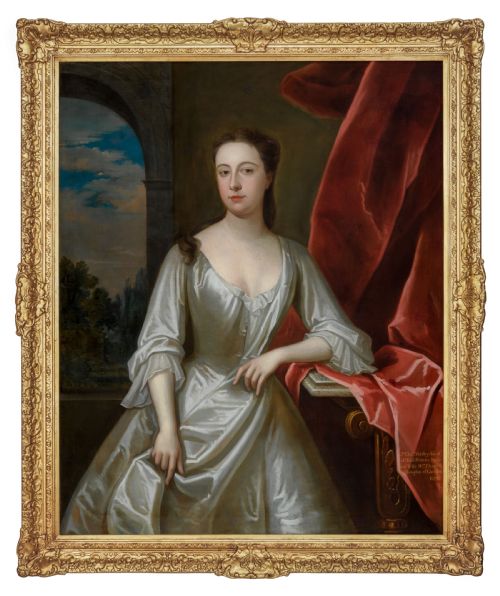
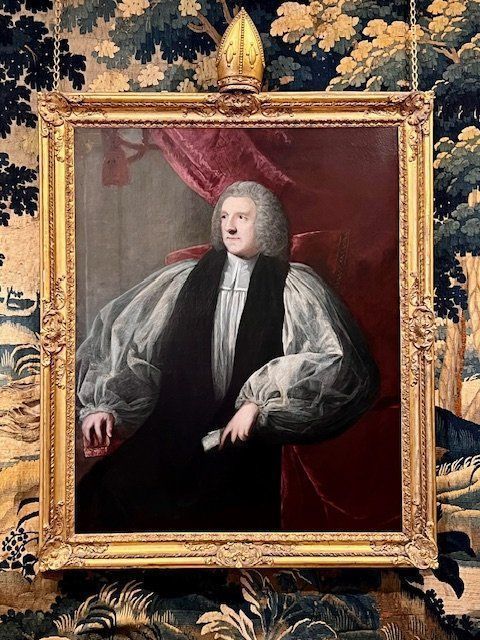
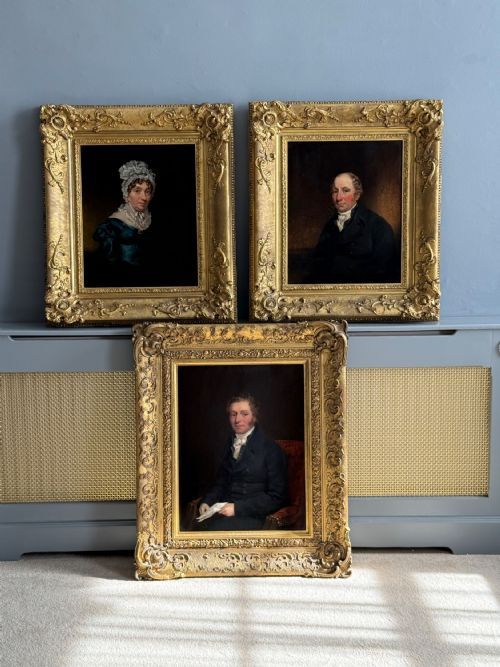
Gilded frame portrait art captures centuries of likeness through oil, pastel and silhouette held within ornate wooden surrounds.
Gilded Frame Portrait Art
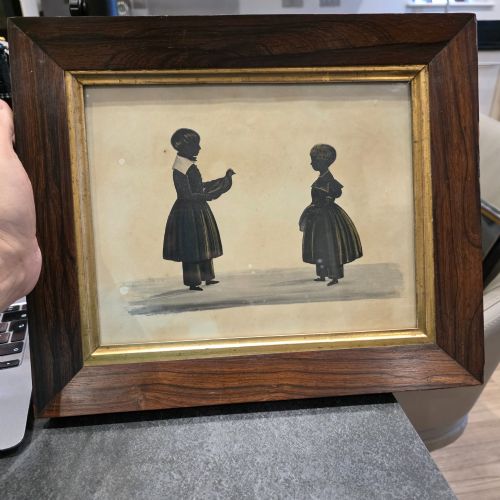
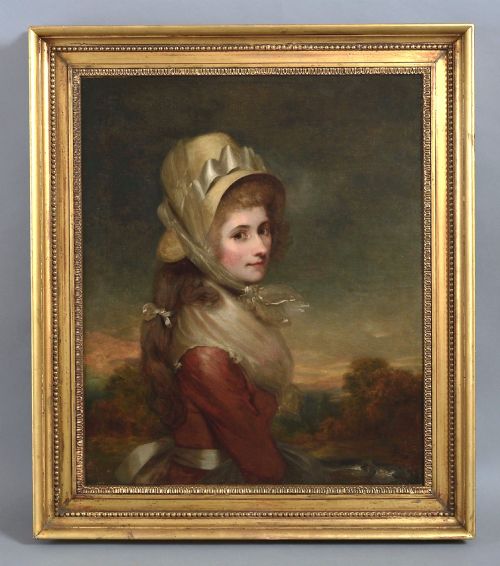
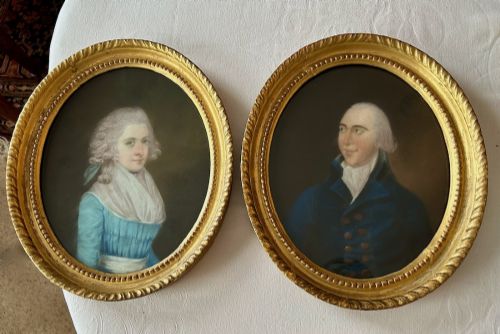
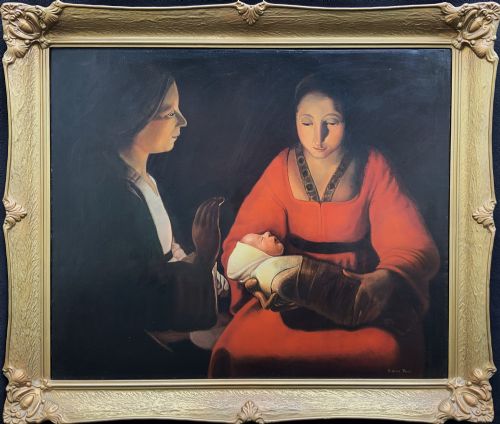
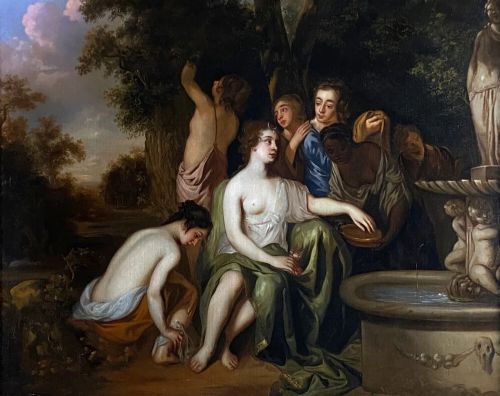
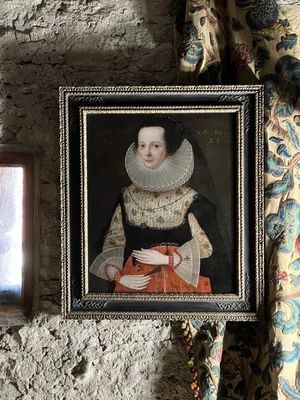
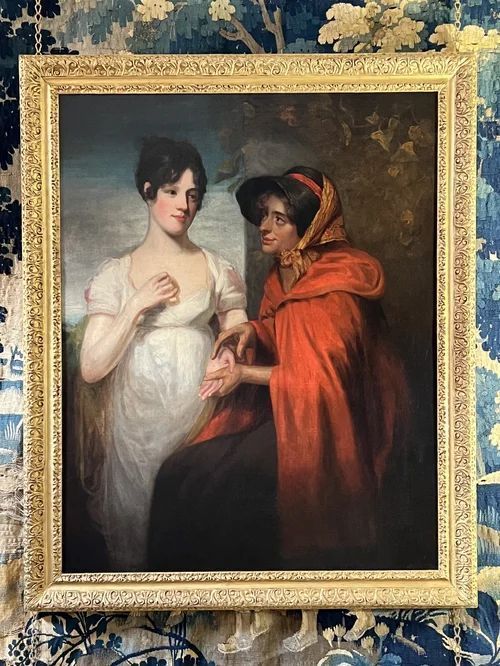
Gilded frame portrait art encompasses painted, drawn and printed likenesses enclosed in metallic leaf and wood decorative mountings. These works range from grand aristocratic oils to intimate paper silhouettes and pastel studies originating across several centuries.
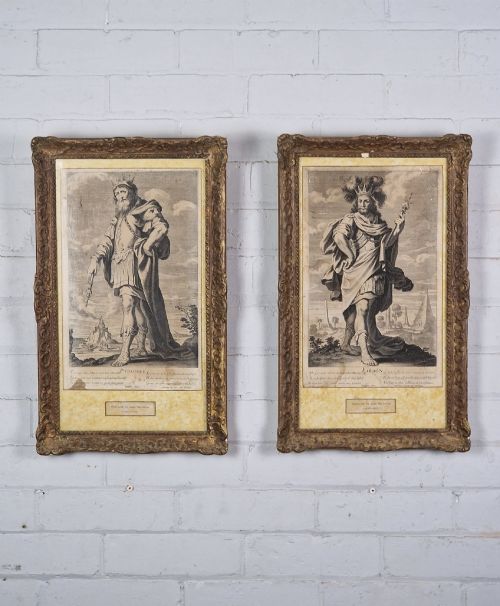
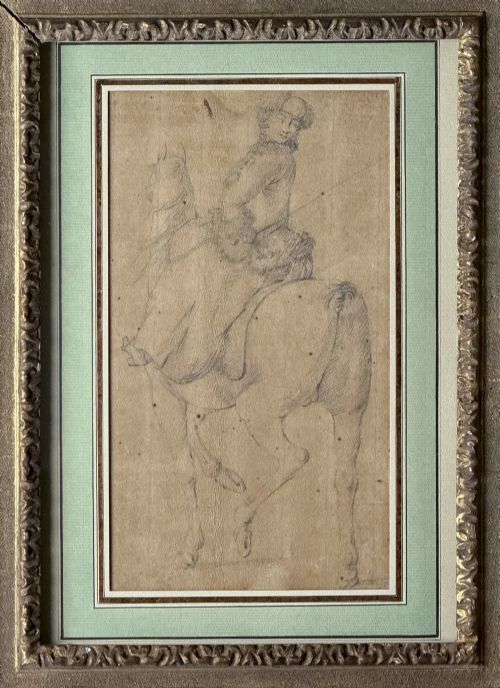
The selections here lean heavily toward historical oil paintings on canvas and panel alongside works on paper. Portrait miniatures, pastel drawings and framed prints also appear within the varied selections.
Origins span British, Dutch, French and wider European schools, recording subjects from nobility to country children. Styles shift from the robust forms of the seventeenth century through Georgian and Regency elegance to Victorian realism.
How They Were Made
Makers built these pieces using oil on canvas, wood panels and paper supported by stretcher frames or mounts. Artists applied pigments with brushes while pastels utilised dry media on paper surfaces.
Frames utilise wood bases shaped by hand and covered in gold leaf or giltwood finishes. Many surrounds employ applied composition ornaments to achieve intricate Baroque, Regency or Victorian decorative motifs.
Materials documented in current stock include oil on canvas, giltwood, gold leaf, glass and paper.
What Varies in Quality
Technical skill in rendering anatomy, fabric and expression distinguishes master portraiture from standard workshop production. Superior examples capture individual psychology and light convincingly across the subject's face.
The integrity and hand-carved detail of the surrounding frame affect overall quality. Original period giltwood surrounds retaining their early gold leaf finish elevate the historical significance of the artwork.
Sir Godfrey Kneller·Sir Joshua Reynolds·Joseph Clover·Anthony Van Dyck·John Opie
The Gilded Frame Portrait Art Glossary
- Giltwood
- Wood carved and coated with gold leaf or metallic powder. This material defines the lustrous borders surrounding historical canvases.
- Mezzotint
- A printmaking process of the intaglio family where the plate is roughened to achieve tonal graduation. These works offer rich dark tones and subtle highlights.
- Pastel
- A dry medium of powdered pigment and binder shaped into sticks. Artists apply these to paper to create soft-textured portraits.
- Silhouette
- A profile likeness cut from black paper or painted on card. Early examples often feature delicate gilded highlights.
- Panel
- A flat piece of wood used as a rigid support for painting before canvas became dominant. Oak and mahogany served common usage.
Gilded Frame Portrait Art: Frequently Asked Questions
How do I date a gilded frame?
Frame dating relies on stylistic clues in the ornamentation, such as deep pierced carvings from the seventeenth century or crisp neoclassical lines from the Regency period. Construction methods like corner mitres and material composition also indicate the era of manufacture.
Secondary indicators include the type of wood used behind the gilding and the presence of underlying gesso layers. Examining the fastening techniques at the reverse helps confirm whether the frame matches the age of the artwork it holds.
Are these portraits original period pieces?
The selections encompass authentic period works created by contemporary artists as well as later interpretations and studio copies. Catalogues record dates and attributions to distinguish seventeenth, eighteenth and nineteenth-century originals from subsequent iterations.
Examining pigment maturity, canvas weave and panel construction assists in establishing the actual period of creation. Signatures, inscriptions and historical provenance provide further documentation for attribution.
How should I hang an oil painting?
Heavy oil paintings require secure wall anchors rated to support the combined weight of the canvas and the dense wooden frame. Hanging hardware must attach firmly to structural wall studs or utilise appropriate masonry fixings.
Positioning works away from direct sunlight and steady heat sources protects both the pigment and the wooden support from warping or fading. Maintaining stable indoor humidity preserves the structural integrity of the canvas and gilt finish.
What is the difference between an oil and a pastel?
Oil paintings utilise pigments suspended in drying oils applied to stretched canvas or wooden panels, offering durable surfaces that accept cleaning. Pastels consist of dry pigment sticks applied to paper, producing a velvety matte texture requiring glass protection.
Pastel portraits are particularly sensitive to movement and moisture because the dry medium sits loosely on the paper substrate. Oils generally present a glossy or satin finish capable of withstanding environmental fluctuations better than works on paper.