
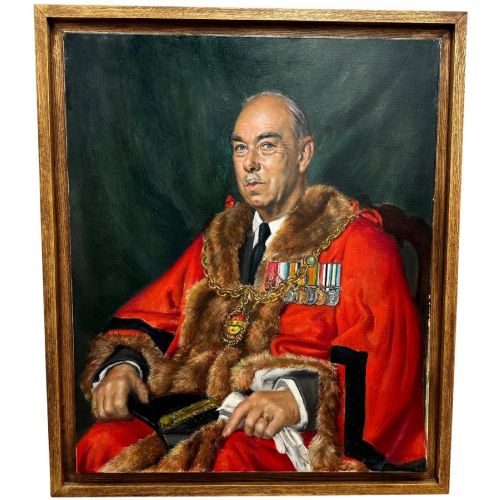
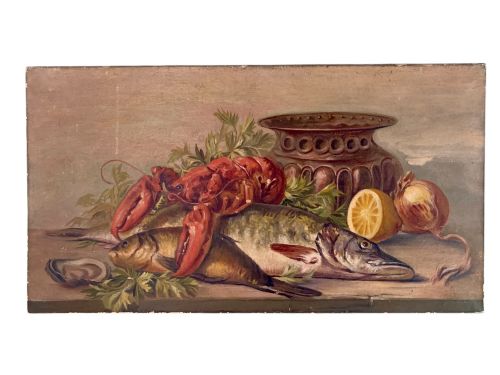


Red Background Oil Painting
These red background oil painting works span portraits and still lifes from the seventeenth century to modern times, offering striking chromatic depth for any room.
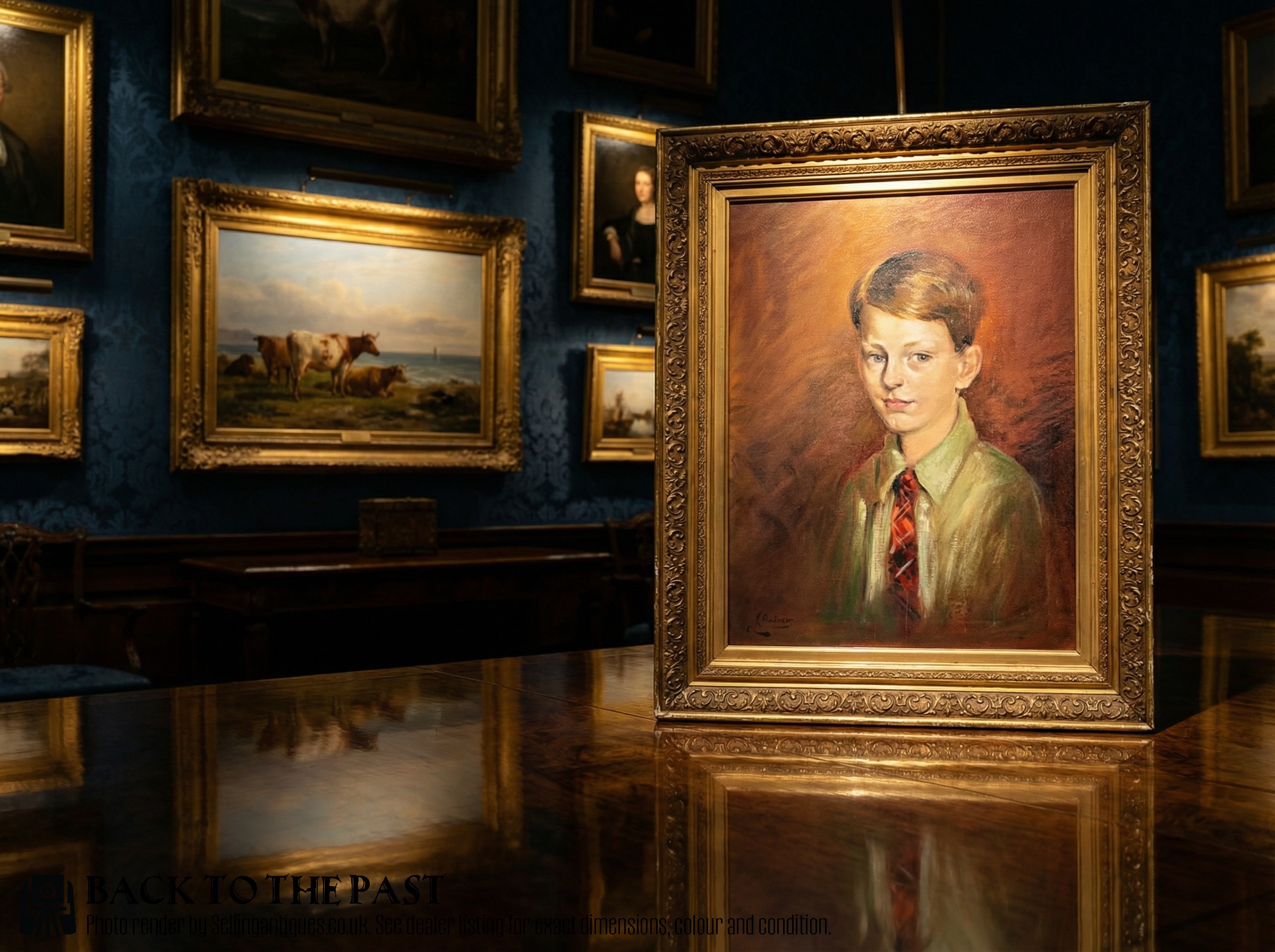
Red Background Oil Painting
A red background oil painting uses a crimson or scarlet backdrop to draw focus to the primary subject, whether a seated sitter or a cluster of fruit. These works appear across several periods, from seventeenth century panels to mid twentieth century canvases.
The format encompasses formal portraiture and botanical still life. Buyers most frequently encounter nineteenth century portraiture and twentieth century realist or impressionist studies on this page.
What varies in quality
Brushwork precision and anatomical accuracy define the higher tier of portraiture. Master painters handle the interplay between the red background and the subject with subtle tonal shifts.
The condition of the paint surface and the originality of the frame affect the standing of each piece. Superior works retain their pigment saturation without excessive craquelure or later overpainting.
The selection includes British, French, Italian, and Spanish school paintings across portrait and still life genres.
Bernard Hailstone·Pierre Mignard·Vladimir Aldoshin·John Hamilton Mortimer·Philip Naviasky·James Stuart Park·John Raphael Smith·John Irvine·Neville Stephen Lytton
The Red Background Oil Painting Glossary
- Oil paint
- Pigment suspended in a drying oil, typically linseed oil, which allows for smooth blending and rich colour depth. This medium permits both transparent glazes and thick impasto marks.
- Wood panel
- A rigid support made from timber used by painters before canvas became dominant. Panels provide a stable surface that prevents the cracking seen on flexible supports.
- Gilded wood
- Wood carved and coated with a thin layer of gold leaf or metallic powder. This finish enhances the decorative weight of the surrounding frame.
- Still life
- A painting featuring inanimate objects such as fruit, flowers, or tableware. These compositions often use a strong red background to heighten contrast.
- Impressionism
- A nineteenth century style characterised by relatively small, thin yet visible brush strokes and open composition. It prioritises accurate depiction of light in its changing qualities.
Red Background Oil Painting: Frequently Asked Questions
How do I hang a heavy oil painting safely?
Use appropriate wall fixings that match the weight of the canvas and its wooden frame. Secure the hanging wire to sturdy D-rings screwed directly into the frame or stretcher bars.
Position the painting at eye level away from direct sunlight and heat sources. This protects both the oil pigments and the wooden support from warping over time.
What periods do these paintings come from?
The selection includes works from the seventeenth, eighteenth, nineteenth, and twentieth centuries. Each period brings distinct painting techniques and framing styles.
Earlier pieces often use wood panels, while later works predominantly utilise stretched canvas or board. Dates range from seventeenth century portraits to mid century still life compositions.
How do I clean an antique oil painting?
Dust the surface gently with a soft, dry brush to remove loose particles. Avoid using water, household cleaners, or solvents on the paint layer.
Professional conservators should handle deeper cleaning or varnish removal. Improper cleaning can strip away delicate glazes applied by the artist.
Why use a red background in a portrait?
A red backdrop creates strong visual contrast that pushes the subject forward in the composition. This technique draws the viewer's eye directly to the sitter's face and attire.
Historically, red pigments also signalled wealth and status. Painters used rich crimson tones to add dramatic warmth to portraits and still lifes alike.