
Classic Portrait Art Canvas
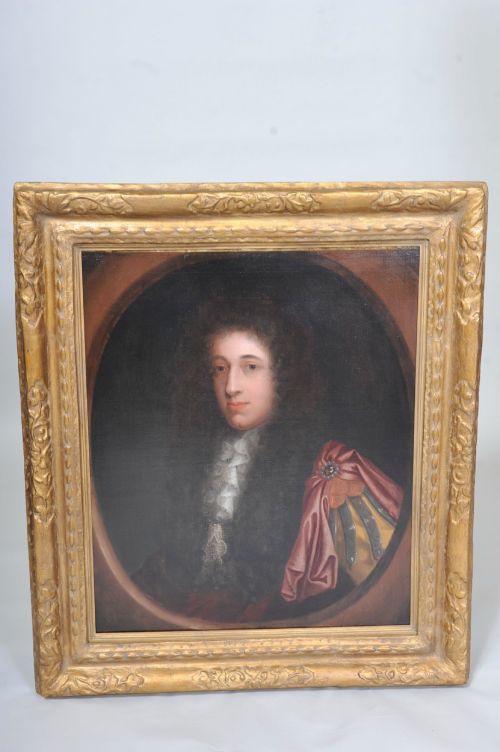
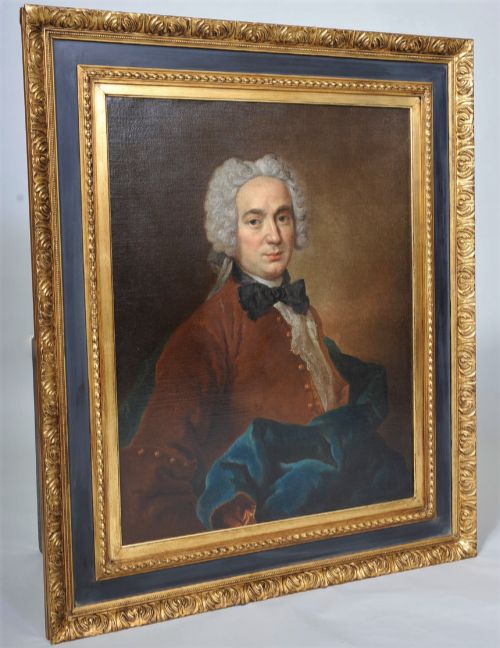
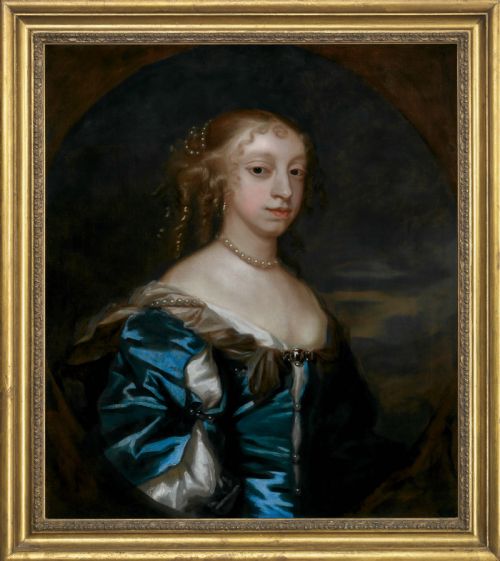
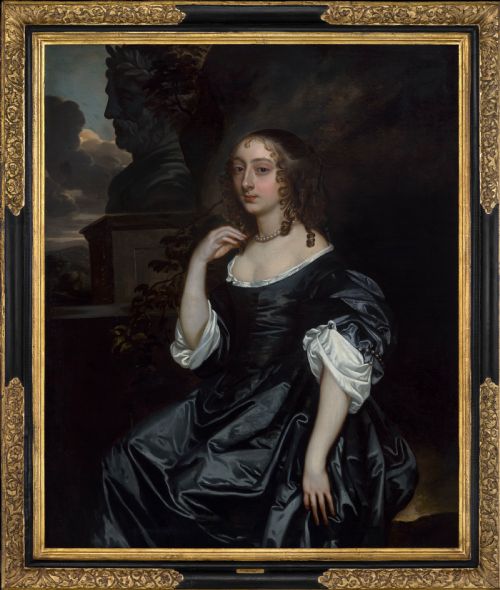
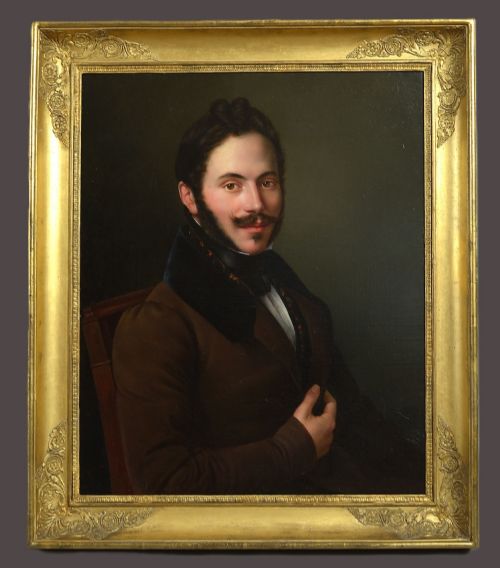
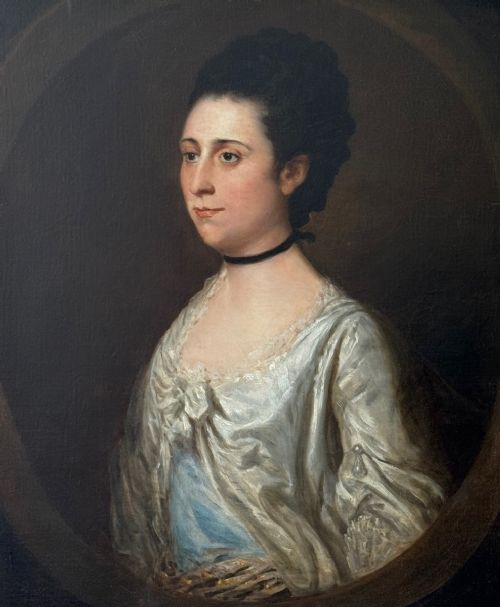
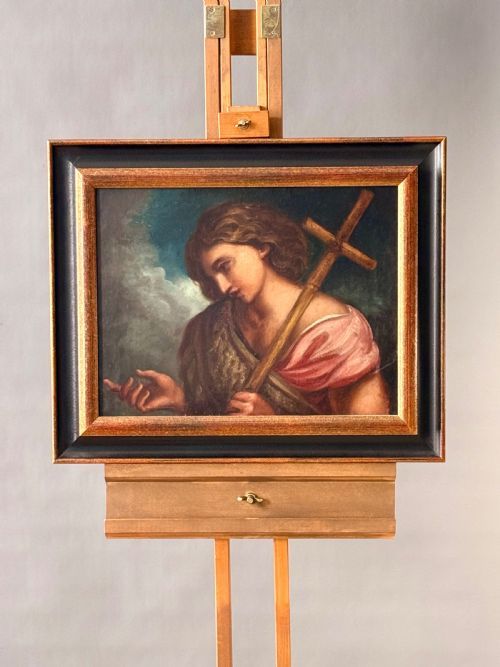
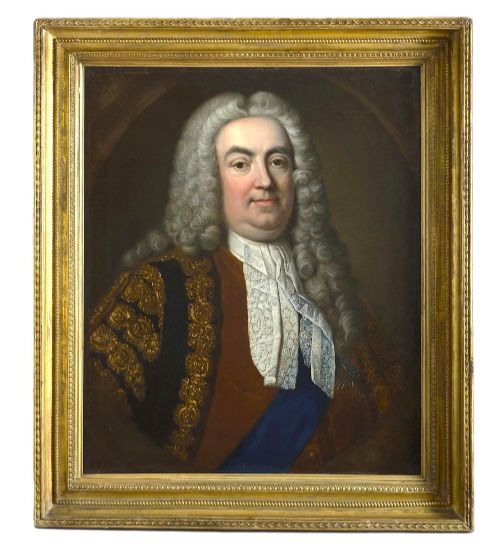
When you search for classic portrait art canvas, you are looking at historic oil paintings on stretched fabric that capture the likeness and presence of past figures.
Classic Portrait Art Canvas
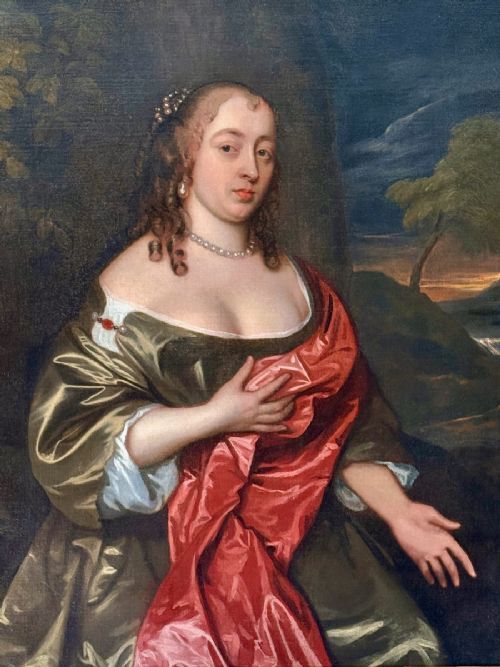
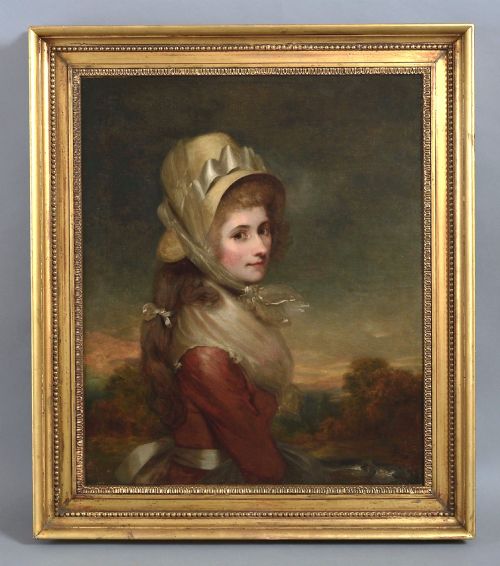
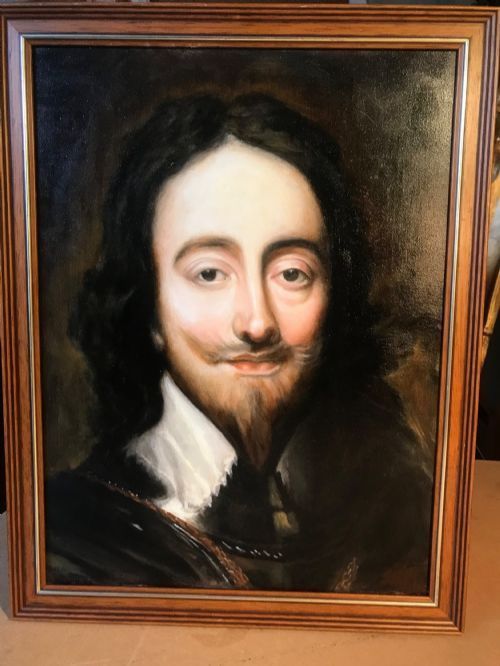
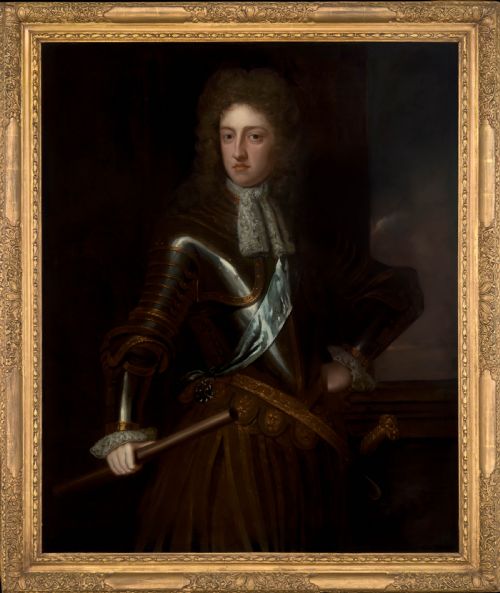
The classic portrait art canvas category spans several centuries of figurative painting, ranging from seventeenth-century aristocrats to nineteenth-century gentlemen and ladies. You will frequently encounter works originating from the seventeenth, eighteenth, and nineteenth centuries, often framed in period wood or giltwood.
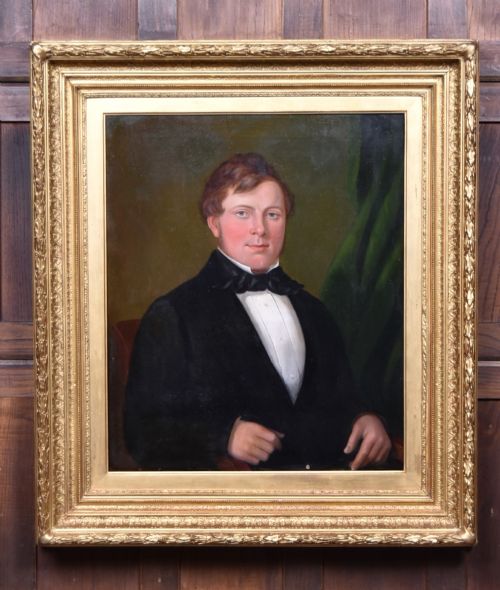
Many pieces on this page represent specific historical personages, nobility, or literary figures, while others depict anonymous sitters captured in traditional poses. These works encompass various regional schools, including British, Dutch, and Italian traditions, reflecting the prevailing aesthetic values of their respective eras.
How they were made
Artists built these works by applying oil paint onto woven canvas supports, utilising the natural tooth of the fabric to hold pigment and binder. Over centuries, these canvases were stretched over wooden frames and frequently housed within ornate gilt wood mouldings that complemented the richness of the painted surface.
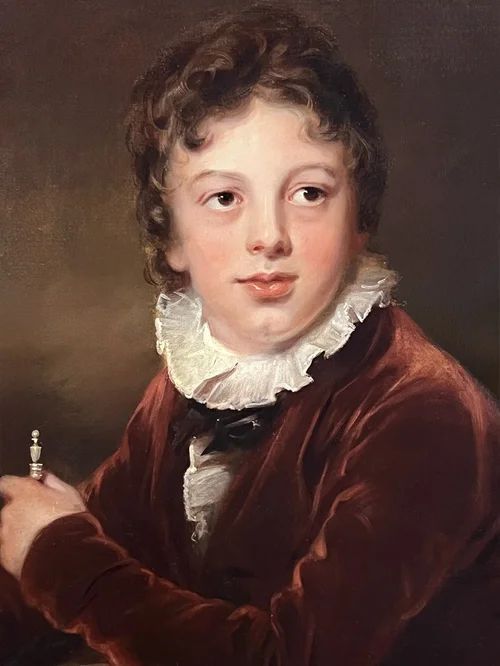
The application of paint involved layered glazes and opaque pigments to render realistic skin tones, fabric textures, and deep background shadows. Gold leaf was often applied to decorative frames to enhance the visual weight and presentation of the artwork.
Listings feature canvases spanning from the seventeenth century through to the 1960s, employing traditional oil painting techniques on wood and fabric supports.
What varies in quality
The distinction between ordinary and superior works lies in the anatomical precision, the subtlety of facial expression, and the confidence of brushwork shown by the artist. Master painters achieved a lifelike luminosity in skin and drapery that lesser studio hands often missed.
Condition and provenance also determine the standing of a piece, particularly the stability of the original canvas and the presence of documented attribution to a known studio or master. Works associated directly with established portraitists command greater attention than anonymous provincial copies.
Sir Martin Archer Shee·Anthony Van Dyck·Sir Godfrey Kneller·Sir Peter Lely·Edouard Pingret·Thomas Beach·Jean Baptiste Van Loo·William Hogarth·Nicolaes Maes·Bertram Priestman
The Classic Portrait Art Canvas Glossary
- Oil on Canvas
- A traditional painting medium where pigments suspended in drying oils are applied to a woven fabric support. This combination allows for rich colour blending and lasting durability.
- Giltwood
- Wood carved and coated with a thin layer of gold leaf or metallic gilt powder. It is frequently seen on period frames designed to showcase important portraits.
- Studio of
- A term indicating a work produced by assistants or pupils working under the direct supervision of a master artist. Such pieces often replicate the style and composition of the primary master.
- Dutch Golden Age
- A period in seventeenth-century painting known for dramatic lighting, psychological depth, and exceptional realism in portraiture. Works from this tradition heavily influence later European figurative art.
Classic Portrait Art Canvas: Frequently Asked Questions
How do I identify seventeenth-century portraits?
Seventeenth-century portraits typically feature specific clothing styles such as lace collars, velvet doublets, and dark, restrained backgrounds designed to focus attention entirely on the sitter's face.
Studying the handling of light and shadow, characteristic of the Baroque period, helps distinguish these early works from later nineteenth-century interpretations.
What is a studio piece?
A studio piece is a painting executed by assistants or students within the workshop of a prominent master artist, often under their direct supervision.
These works frequently share compositional elements with the master's known output while maintaining independent artistic merit.
How should I display an oil portrait?
Oil portraits on canvas require stable environmental conditions away from direct sunlight and excessive humidity to protect both the fabric and the paint layers.
Housing the canvas in its appropriate period frame provides structural support and preserves the historical context of the artwork.
What distinguishes an oil painting from other media?
Oil paint utilises slow-drying vegetable oils that allow artists to blend tones seamlessly and achieve remarkable depth through translucent layers of glaze.
This working method gives historical portraits their characteristic richness of colour and enduring surface texture.