
Antique Pencil Sketches
These antique pencil sketches capture the immediacy of an artist's hand, offering direct studies of portraits, architecture, and life that bring historic rooms to life.
Antique Pencil Sketches
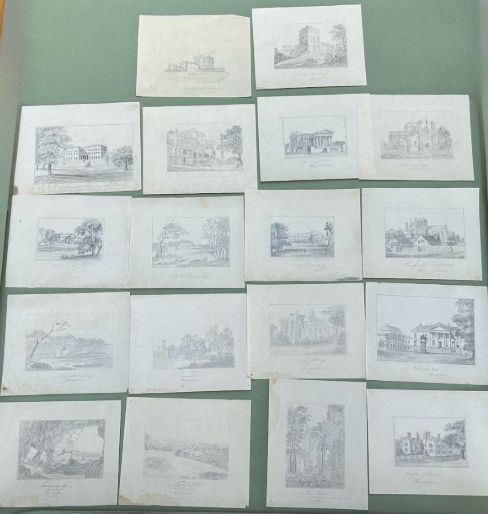
When you search for antique pencil sketches, you encounter original works on paper spanning from the eighteenth century through the early twentieth century. The selection ranges from informal studio studies and academic exercises to finished portraits and topographical landscapes.
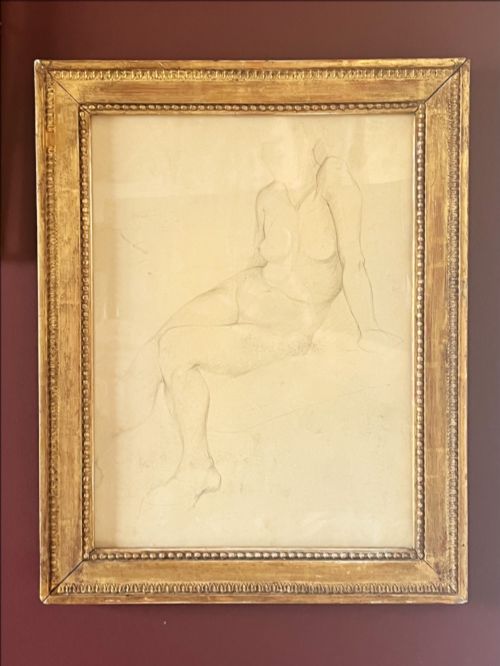
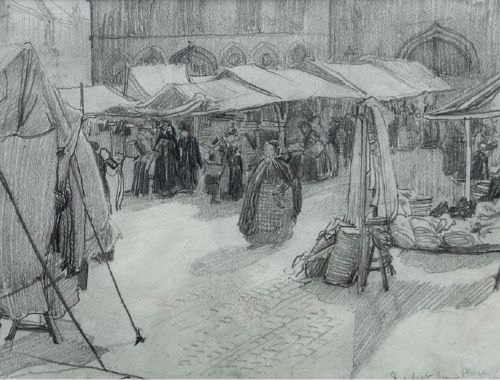
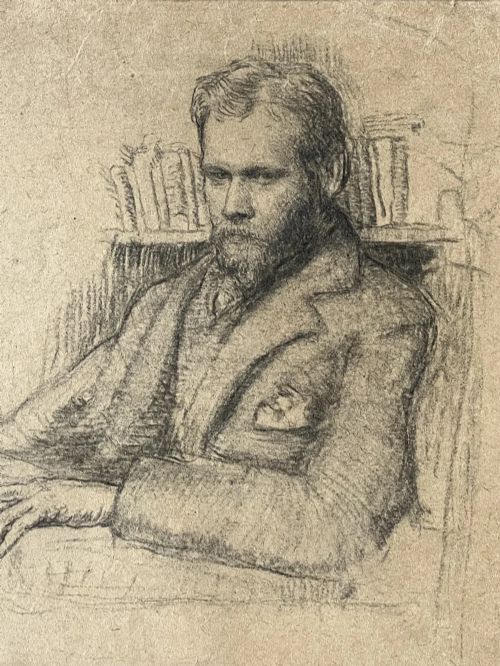
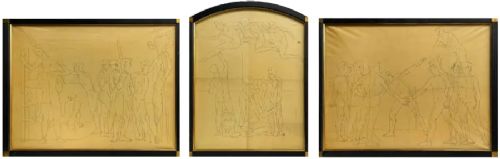
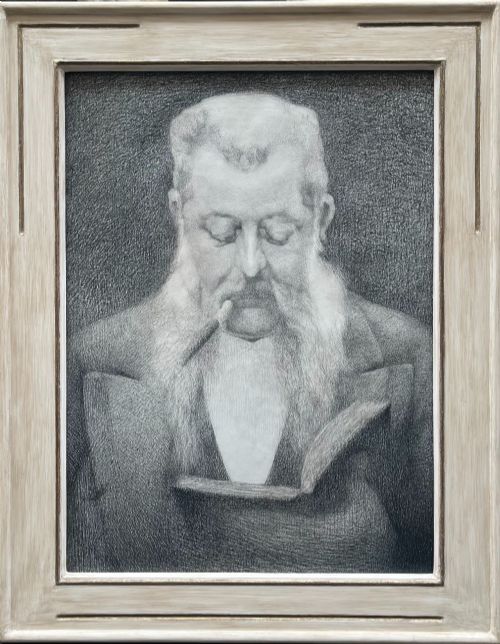
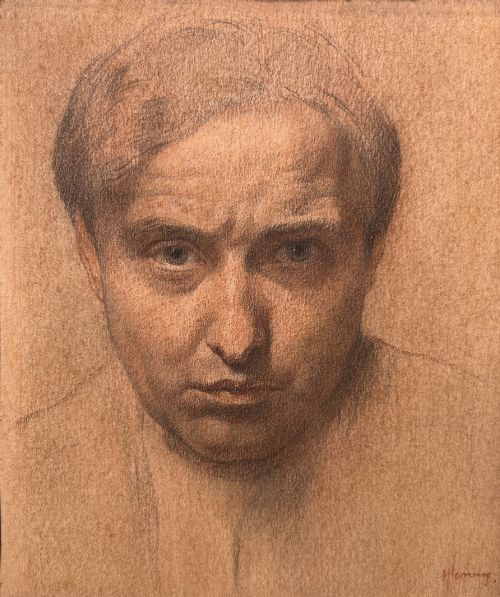
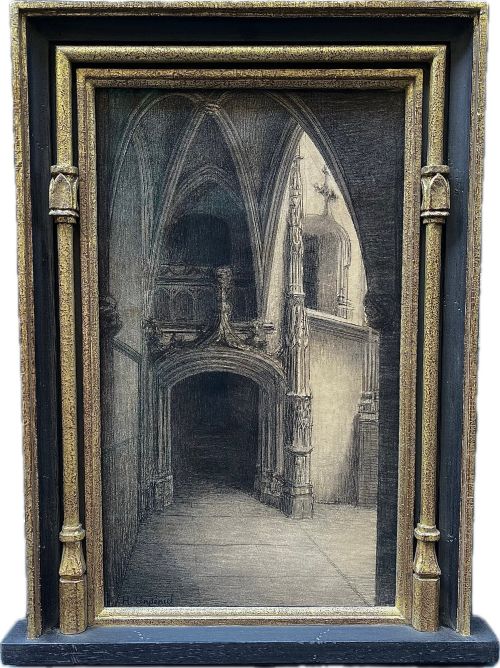
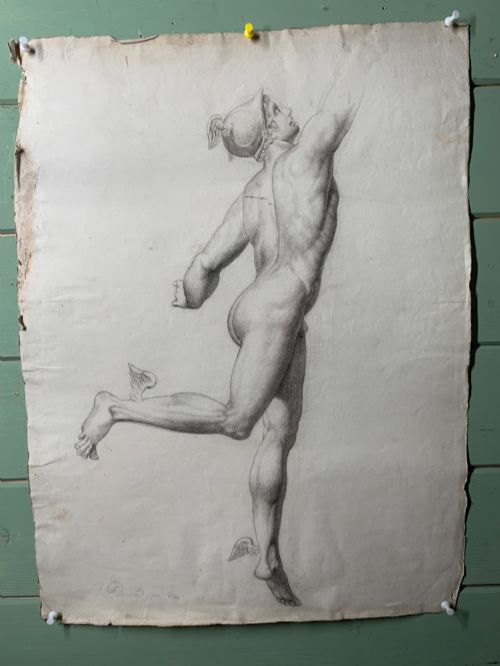
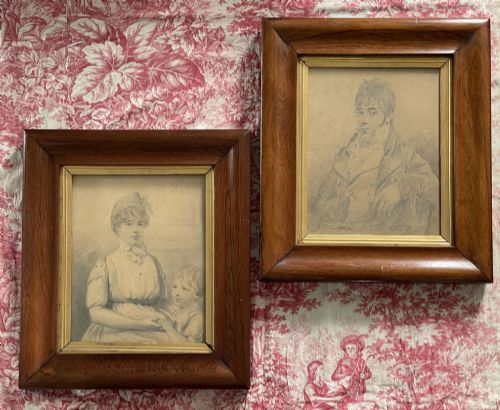
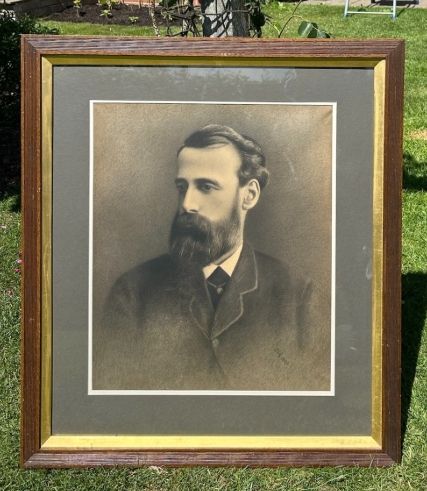
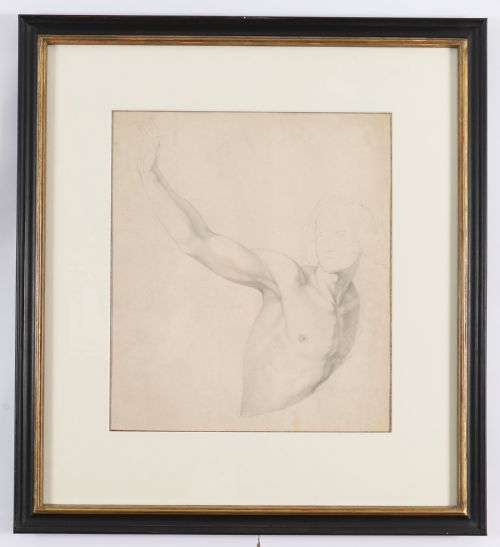
You are most likely to meet nineteenth-century examples on this page, often framed in period wood or gilt mouldings alongside glass. These drawings include individual portraiture, figurative studies after classical masters, and architectural renderings executed in graphite, charcoal, or chalk.
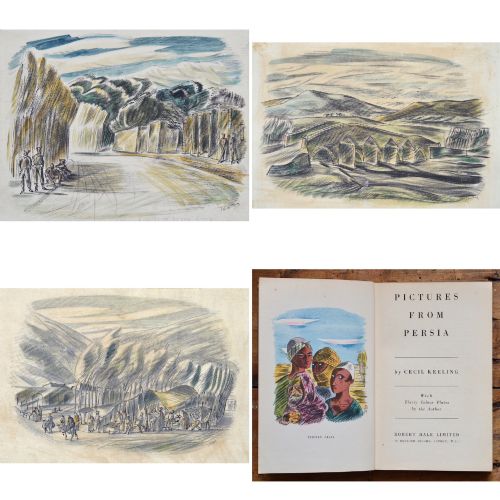
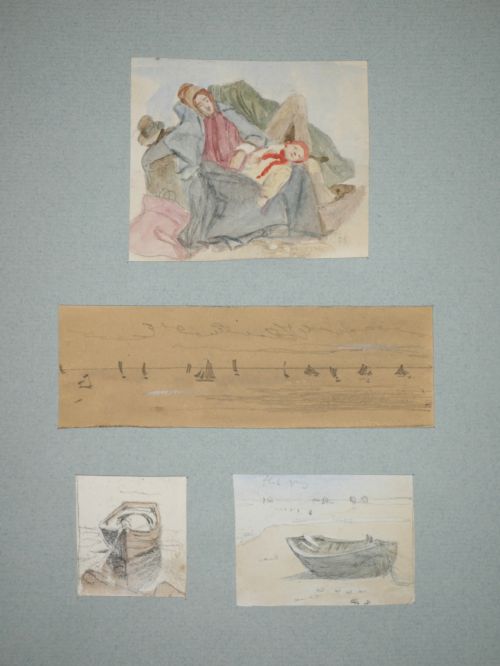
The material surface frequently incorporates touches of watercolour, wash, or gouache to add depth to the monochrome line work. Such pieces offer an intimate glimpse into historical domestic spaces and artistic training methods.
Materials and Techniques
Draftsmen relied primarily on graphite pencil, charcoal, and chalk applied to various grades of handmade or tinted paper. Buff paper and prepared card were frequently utilised to absorb media and provide a tonal background for highlights.
Artists often combined graphite with watercolour washes, sepia ink, or gouache to create layered effects of light and shadow. Works from the Georgian and Regency periods regularly show fine lead pencil lines strengthened with ink or wash.
Protection came from framing behind glass, sometimes incorporating mounts that preserved the fragile paper surface from atmospheric moisture and handling. Many surviving works retain their original wooden frames or remain gathered in period albums.
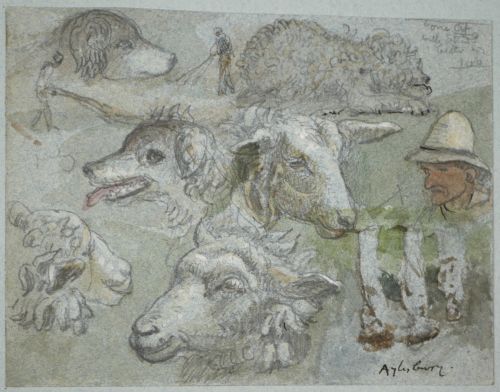
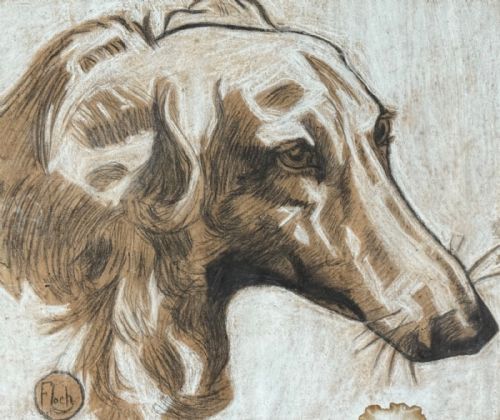
Several drawings preserve fleeting domestic moments, featuring family pets, resting dogs, and everyday domestic scenes recorded by observant hands.
Assessing Quality and Execution
The distinction between ordinary and superior works rests on the confidence and precision of the draughtsmanship. A master hand reveals itself in economy of line and accurate anatomical proportion, whereas lesser examples show hesitation and heavy correction.
Execution depth also determines a piece's standing, with fully developed tonal studies commanding greater attention than quick preliminary outlines. The integration of light, shadow, and facial expression separates accomplished academic or professional outputs from amateur exercises.
Provenance and documentation contribute significantly to the standing of a drawing, particularly when signed, dated, or linked to a known studio or exhibition history. Well-preserved sheets retain crisp contrast without excessive foxing or fading to the graphite.
Henry Percy Huggill·James Smetham·Augustus John·Thomas Sidney Cooper·Demetrios Galanis·Sir Francis Leggatt Chantrey·Ozias Humphry
The Antique Pencil Sketches Glossary
- Graphite
- A form of crystalline carbon used in pencils to produce grey or black marks on paper. It replaced lead for artistic drawing during the sixteenth century.
- Gouache
- An opaque water-based paint often used alongside pencil or charcoal to apply white highlights to tinted paper. This technique adds opacity and contrast to monochrome drawings.
- Plumbago
- A term used in the eighteenth century for graphite, specifically applied to highly finished graphite portrait miniatures on vellum or fine paper.
- Wash
- A diluted application of ink or watercolour applied with a brush to create tonal background shadows behind a pencil sketch. It provides depth and atmosphere to architectural and landscape subjects.
- Foxing
- Brown spots and discolouration caused by chemical reactions in ageing paper exposed to humidity. It is a common feature of historic works on paper.
Antique Pencil Sketches: Frequently Asked Questions
How should I frame and display antique pencil sketches?
Keep these works behind protective glass with conservation-grade mounts to prevent the paper from touching the glazing directly. Hang them away from direct sunlight and high humidity to protect the graphite and tinted paper from fading.
Using stable framing materials ensures the delicate medium remains secure over decades. Proper preservation maintains the visual contrast between the pencil lines and the aged background paper.
What is the difference between a sketch and a finished drawing?
A sketch is generally a quick preliminary study used by an artist to capture a pose, composition, or lighting effect. These pieces often show visible construction lines and spontaneous marks.
A finished drawing is a more deliberate, fully realised artwork intended for exhibition or collection. Such works exhibit careful attention to detail, tone, and overall balance.
How do I identify the period of an antique drawing?
Examine the paper type, watermark, and framing style, as these elements often correspond to specific manufacturing eras. Handmade papers from the eighteenth and early nineteenth centuries display distinct chain lines and textures.
Stylistic conventions and handwriting on the mount or reverse also offer clues. Costume details, hairstyles, and framing techniques help narrow down the date of execution.
Were these drawings meant to be kept in albums?
Many historic sketches originated in portable sketchbooks or keepsake books compiled by artists and travellers. These volumes contained mixed media including poetry, botanical studies, and landscape views.
Collectors often disbound these books over time to frame individual sheets for display. Surviving leaves sometimes retain binding marks or ink inscriptions on the reverse.