





Child Portrait Drawings
Child portrait drawings capture youthful likenesses across centuries through delicate pencil, pastel, and ink on paper.
Child Portrait Drawings
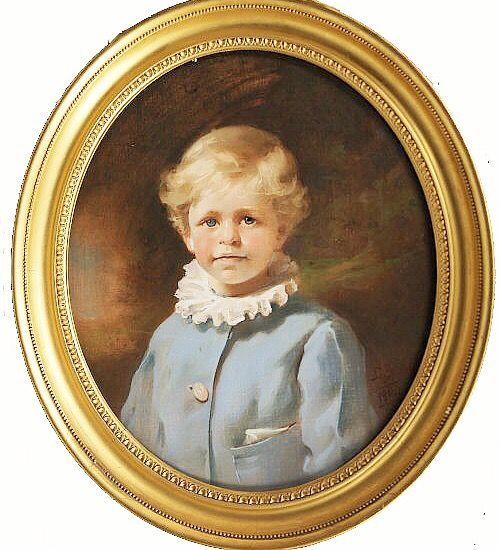
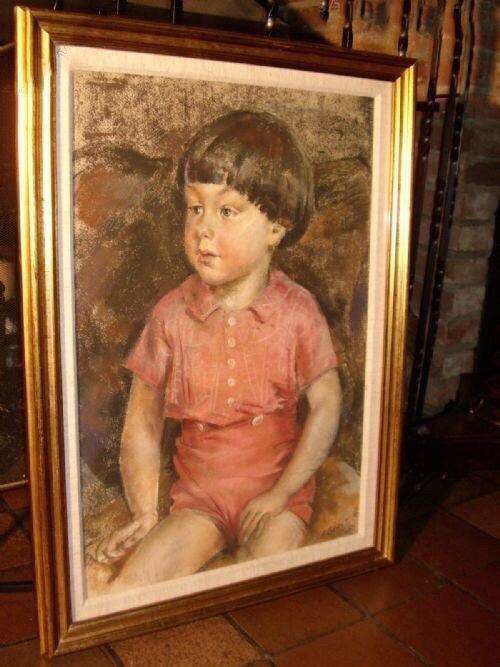
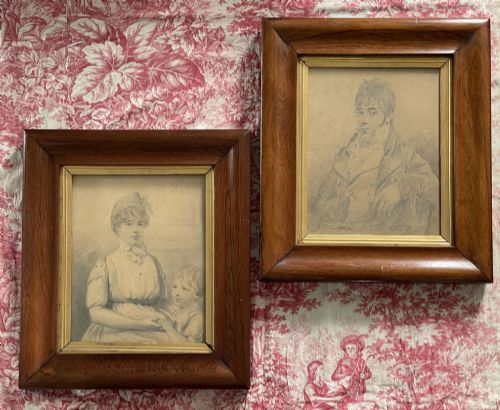
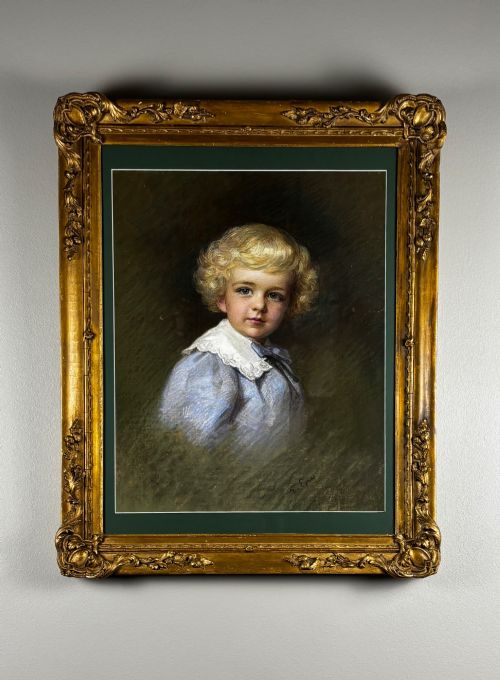
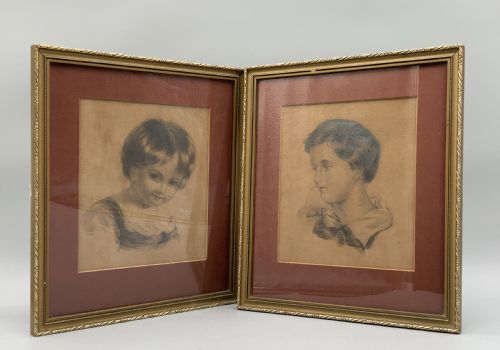
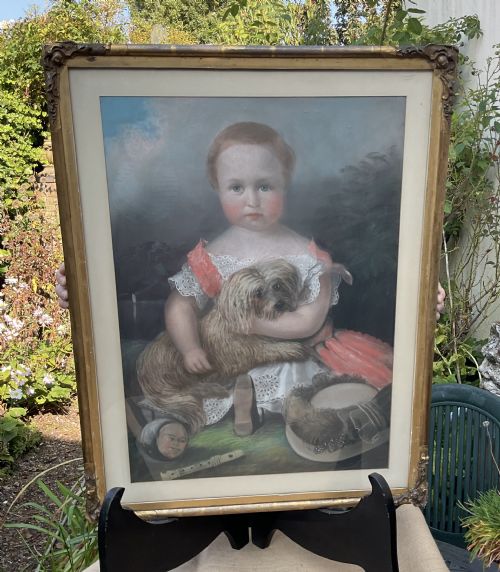
Child portrait drawings represent historical likenesses executed in pencil, pastel, ink, and gouache on paper surfaces, often presented within framed wall art. These works span multiple stylistic periods including Georgian, Regency, Victorian, Edwardian, and mid-century modern eras.
The selection ranges from intimate pencil sketches and naive ink studies to finished pastel paintings depicting young subjects alone or with family members. Surviving pieces frequently retain their original period frames, incorporating materials such as giltwood and glass to protect the delicate medium.
Materials and execution
Artists utilised graphite, charcoal, and ink for linear precision in early sketches, while pastel and gouache introduced soft colour and opacity to paper supports. These materials required careful handling and immediate framing behind glass to prevent smudging and degradation over time.
Supports predominantly consist of paper sheets or canvas mounted securely within wooden and gilded frames. Draftsmen applied shading through delicate hatching and blending techniques to capture the distinct expressions of young sitters.
Listings span works executed on paper, canvas, and glass, utilising graphite, pastel, ink, and gold leaf across multiple historic periods.
Assessing quality and execution
Quality rests upon the draftsman's ability to render anatomical proportion and facial expression convincingly within a fleeting sitting. Superior examples demonstrate confident line work and subtle tonal transitions that bring vitality to the subject.
The preservation of the paper surface and the integrity of the original framing elements influence the overall desirability of each piece. Works attributed to documented artists or established circles command greater attention for their historical context.
Emily Eyres·Leon Sprinck·J.A. Grant·Arthur Pond·Henry Edridge
The Child Portrait Drawings Glossary
- Pastel
- A dry painting medium consisting of powdered pigment and a binder, producing velvety colour tones on paper. It requires protection beneath glass due to its fragile surface.
- Graphite
- A form of carbon used to create fine grey or black pencil lines in preparatory sketches and finished drawings. Artists valued it for precise detail.
- Gouache
- An opaque water-based paint that provides solid colour areas and highlights in mixed-media works on paper. It dries to a matte finish.
- Naïve art
- Artwork produced by self-taught individuals working outside academic traditions, often prioritising direct expression over strict proportion. These pieces possess distinct charm.
- Giltwood
- Wood carved and coated with a thin layer of gold leaf, commonly utilised for traditional picture frames. It adds warmth and reflection to the artwork presentation.
Child Portrait Drawings: Frequently Asked Questions
How should I hang child portrait drawings?
Position these works away from direct sunlight to prevent the fading of delicate pastel pigments and paper supports. Maintaining stable indoor humidity protects both the antique frame and the drawing within.
Utilise secure wall fixings suited to the weight of traditional gilded frames and glass. Grouping smaller sketches together creates a balanced display reminiscent of period gallery walls.
What periods do these drawings represent?
The available inventory encompasses Georgian, Regency, Victorian, and Edwardian eras, extending into mid-century twentieth-century modern works. Each era introduces distinct clothing styles, framing techniques, and artistic conventions for portraying children.
Earlier eighteenth-century and Regency examples often feature softer romantic styling, whilst Victorian and Edwardian works show greater illustrative precision. Twentieth-century pieces reflect changing modernist sensibilities on paper.
Are these works glazed?
Most surviving pastel, graphite, and ink works on paper remain protected beneath historical or period glass. Glazing prevents airborne dust and moisture from damaging the vulnerable dry media.
When handling or cleaning framed works, take care not to press against the glass surface where fragile pastel dust might adhere. Original glass panes often display minor bubbles and imperfections characteristic of age.
How do I identify a naive portrait?
Naïve portrait drawings display simplified perspective and charming anatomical variations rather than strict academic proportions. Artists working in this manner focused on capturing character and costume details directly.
These works frequently emerge from the Georgian and Regency periods, rendered in ink and watercolour or pencil. Their unpretentious execution sets them apart from formal court or salon commissions.