





Gilded Frame Oil
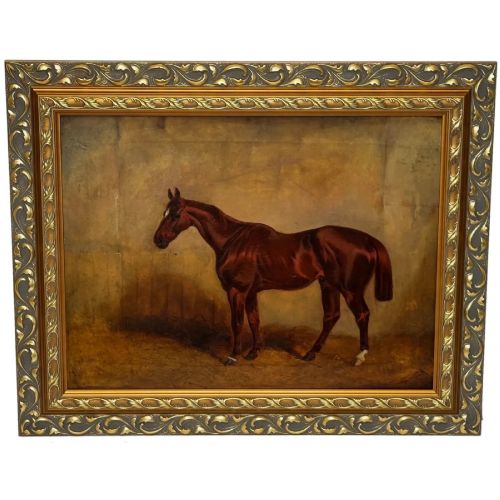
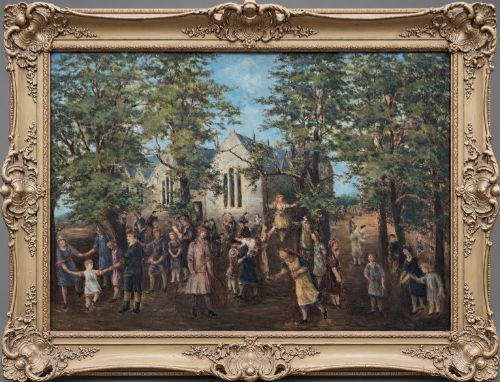
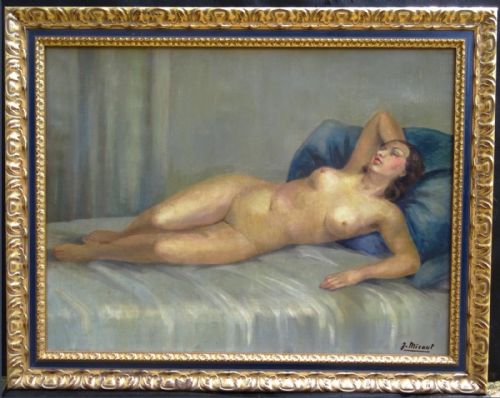
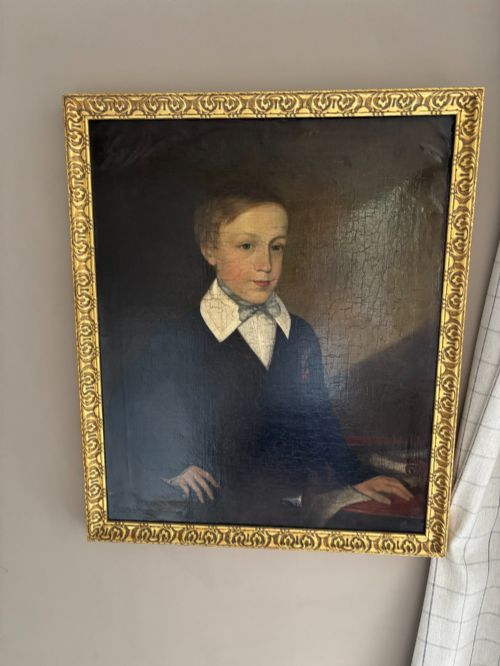
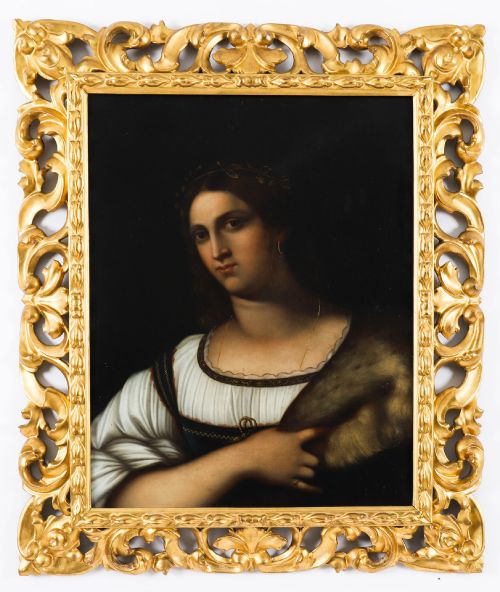
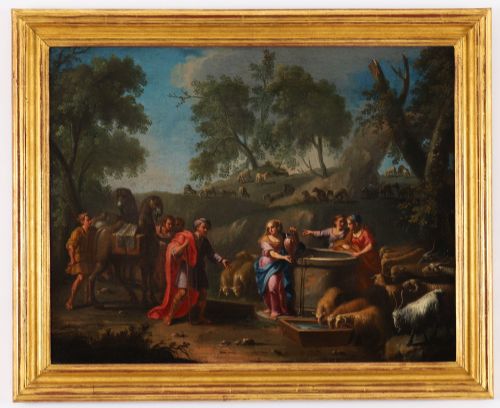
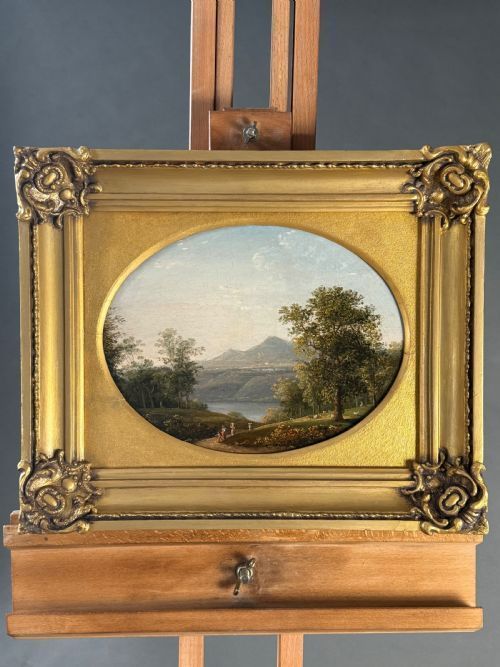
These gilded frame oil paintings unite centuries of portraiture and landscape within carved wooden surrounds coated in gold leaf.
Gilded Frame Oil
A gilded frame oil search reveals centuries of fine art, spanning seventeenth-century portraits of nobility and nineteenth-century romantic landscapes. These works combine oil paint applied to canvas, wood panels, or board with ornate metallic surrounds that frame the composition.
The most common examples on this page date from the eighteenth and nineteenth centuries, featuring both detailed portrait studies and pastoral scenes housed in period giltwood borders.
How they were made
Makers applied oil paint to prepared surfaces including stretched canvas, wooden panels, and milk glass, layering pigments to build depth and luminosity. Canvases were secured within timber structures shaped into profiles before receiving decorative finishes.
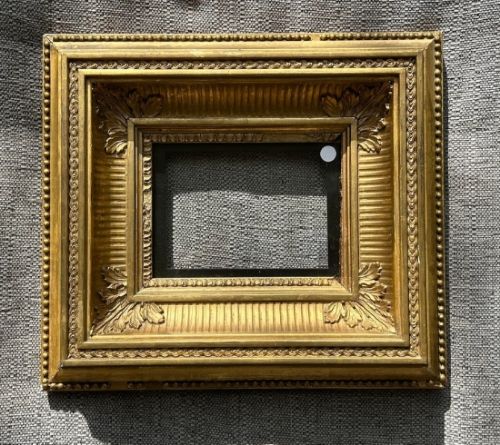
The surrounds rely on carved wood or moulded gesso as a base, upon which fine sheets of gold leaf are carefully laid and burnished to create a reflective metallic surface.
Several noble subjects gaze outward clutching freshly picked oranges or accompanied by remarkably stern canine companions.
What varies in quality
The standard of these works depends heavily on the dexterity of the brushwork within the painted canvas and the sculptural depth of the surrounding frame. Superior examples demonstrate meticulous anatomical precision in portraits or nuanced atmospheric perspective in landscapes, paired with hand-carved wooden ornament rather than simple moulded composition.
Preservation of both the pigment layers and the original gilding significantly influences the overall integrity of the piece.
Sir Godfrey Kneller·Charles Antoine Coypel·Sir Joshua Reynolds·Richard Sebastian Bond·Joseph Clover·Sir Peter Lely·John Opie·Anthony Van Dyck·Michael Dahl·Thomas Murray·Constantyn Netscher·Pieter Borsseler·Oliver Clare·Francois Boucher·John Theodore Heins·John Closterman·Pierre Mignard
The Gilded Frame Oil Glossary
- Gesso
- A plaster-like mixture applied to wooden frame bases to create a smooth surface for gilding. This compound is built up and carved into intricate decorative motifs before gold leaf is applied.
- Giltwood
- Timber that has been coated with gold leaf or metallic powder. It forms the primary structural and decorative material for traditional picture frames.
- Oil on Canvas
- Pigments suspended in a drying oil medium and applied to woven fabric stretched over a wooden frame. This technique allows for rich colour blending and durability.
- Swept Frame
- A style of picture frame featuring undulating, curved mouldings shaped by hand or cast in relief. These ornate surrounds often complement large nineteenth-century landscapes.
Gilded Frame Oil: Frequently Asked Questions
What periods do these paintings come from?
The selections span from the seventeenth century through the Victorian era and into the mid-twentieth century. Works frequently originate from Georgian and Regency periods.
Earlier pieces often showcase aristocratic portraiture, while later centuries favour romantic landscapes and floral still lifes.
Are the frames original to the paintings?
Many works retain their period surrounds made of carved wood, gesso, and gold leaf. Some combinations reflect historic pairings assembled over centuries of display.
Inspect the fit between the canvas edge and the rebate of the timber moulding to understand the relationship between artwork and border.
How should I clean a gilded frame?
Dust accumulation requires only a very soft, dry brush used with extreme gentleness. Moisture and chemical cleaners damage the delicate gold leaf layer instantly.
Avoid rubbing metallic surfaces, as the underlying gesso and leaf flake away easily under pressure.
How do I identify a wood panel from a canvas?
Panel paintings utilise solid wooden boards or prepared board surfaces that remain rigid to the touch. Canvases yield slightly under gentle pressure because fabric stretches across an internal stretcher frame.
Examining the reverse side reveals either the timber grain or the woven texture of the textile support.