
Gilded Floral Vase
A gilded floral vase brings hand-painted botanicals and metallic enrichment together, spanning centuries of porcelain, earthenware, and glass production.
Gilded Floral Vase
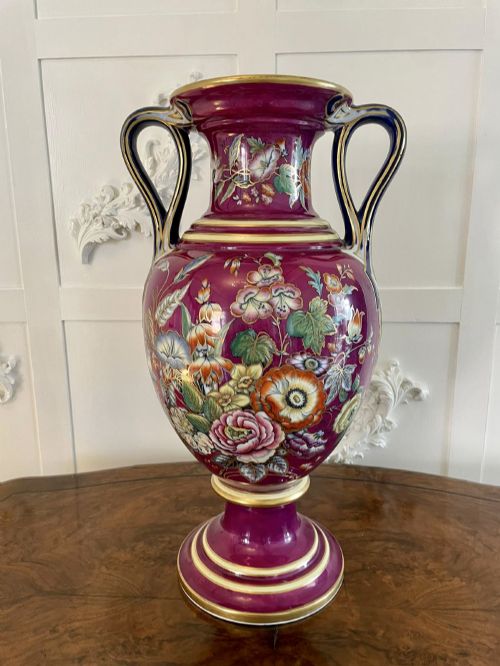
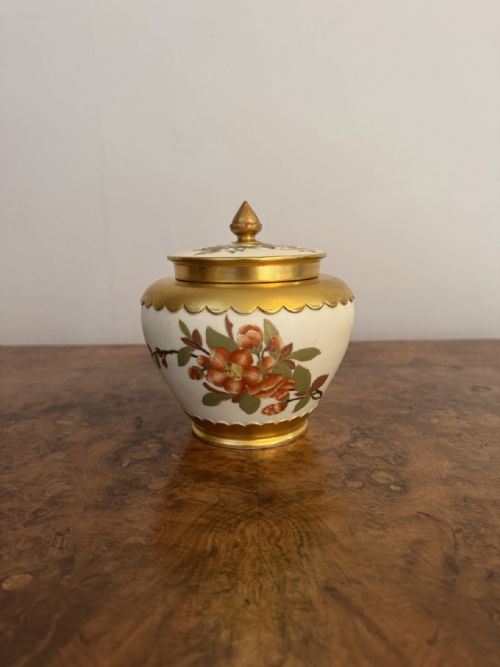
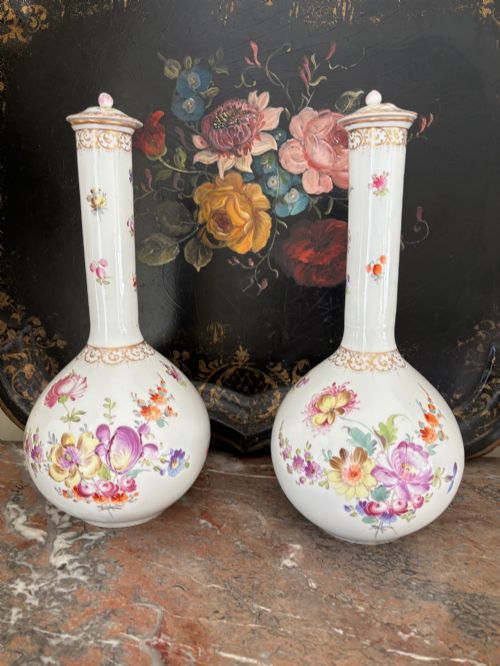
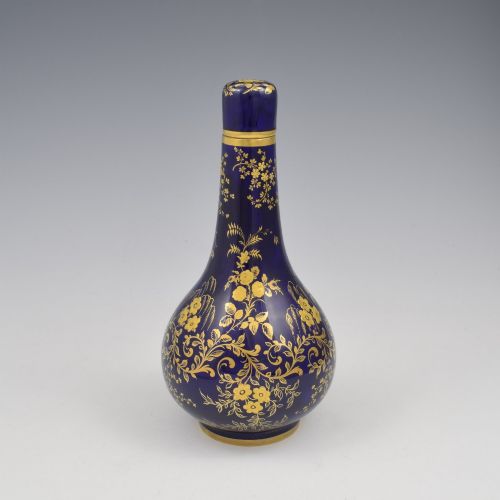
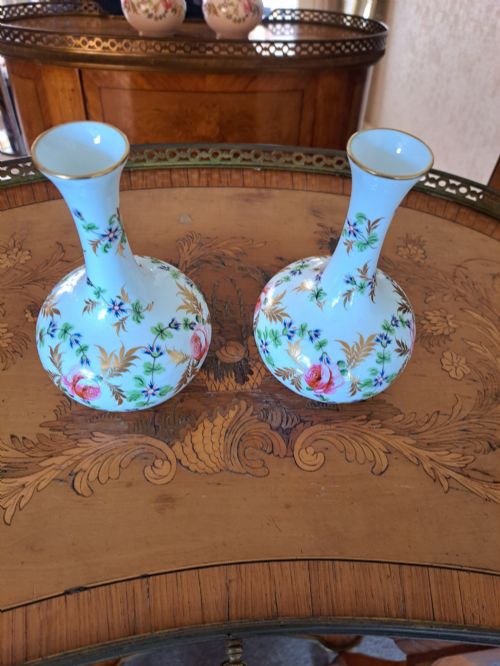
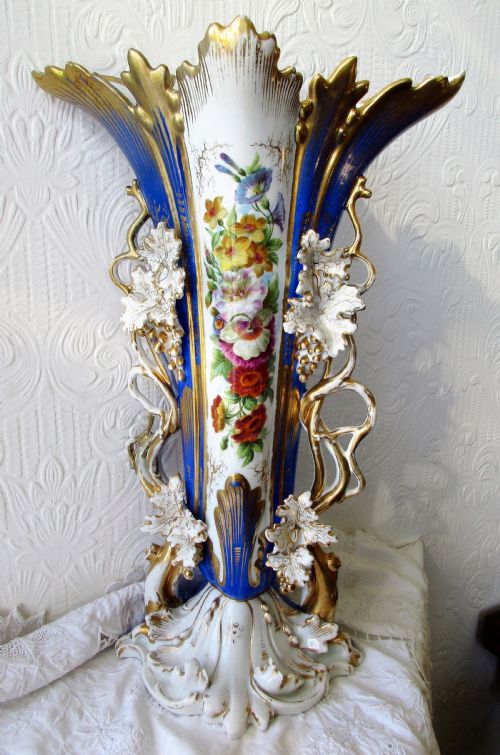
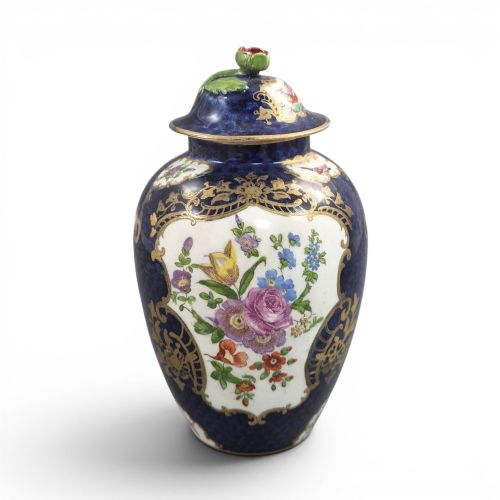
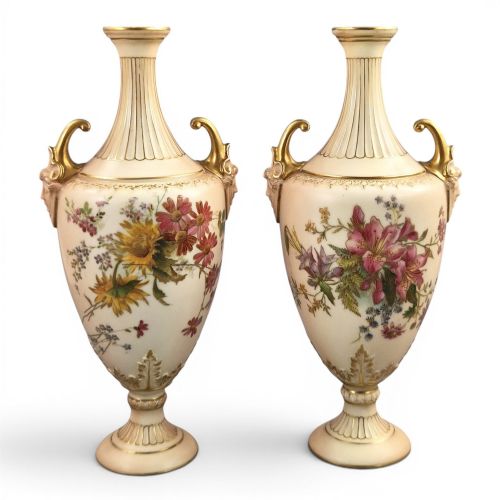
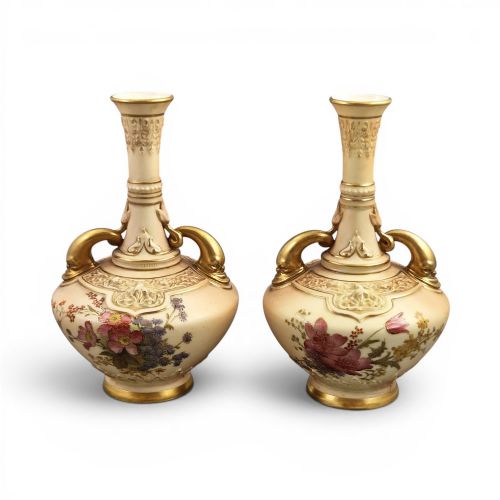
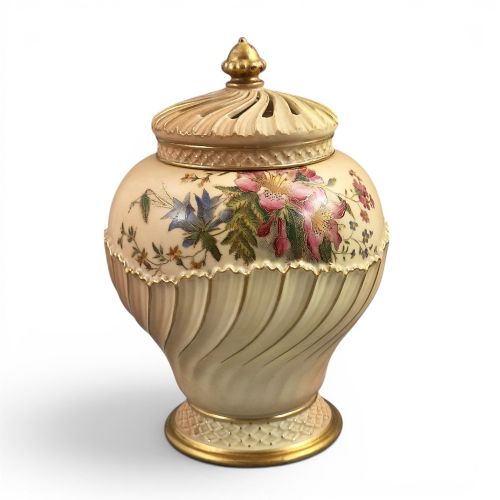
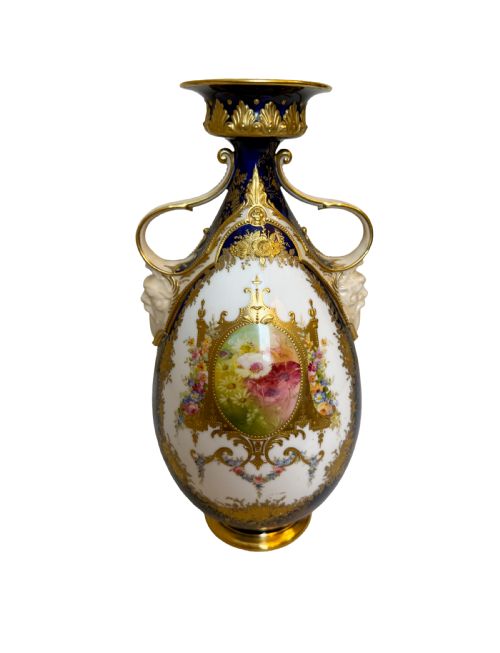
When searching for a gilded floral vase, buyers encounter decorative vessels shaped as bulbous urns, slender neck bottles, lidded potpourri jars, and campana shapes. These pieces emerge primarily from nineteenth-century English factories, Victorian workshops, Edwardian makers, and continental European kilns.
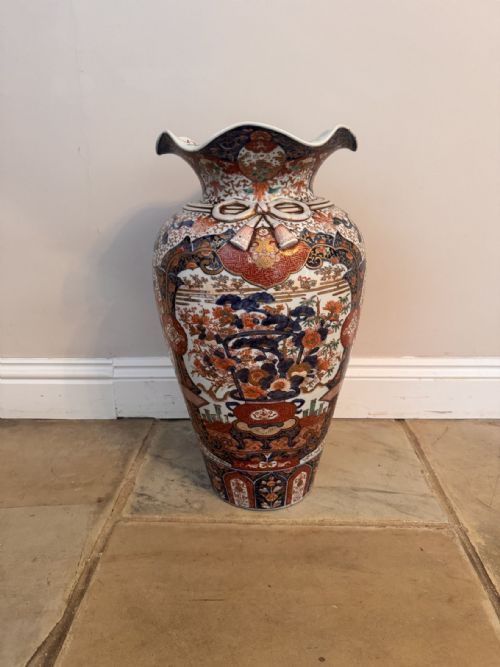
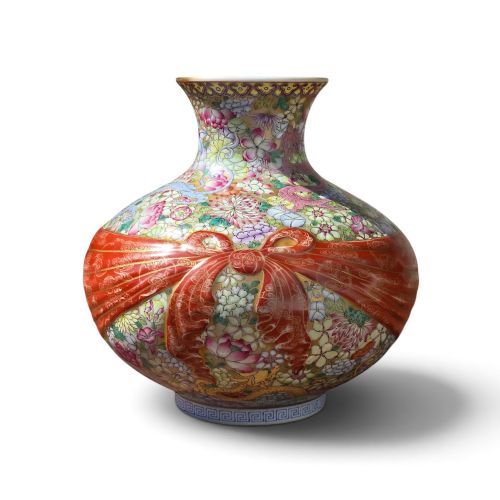
The inventory on this page also reveals Japanese Imari and Satsuma vessels alongside Chinese creations, expanding the form into floor-standing models and garniture sets. Ceramic and porcelain dominate the selections, carrying botanical motifs enriched with gold leaf and enamel.
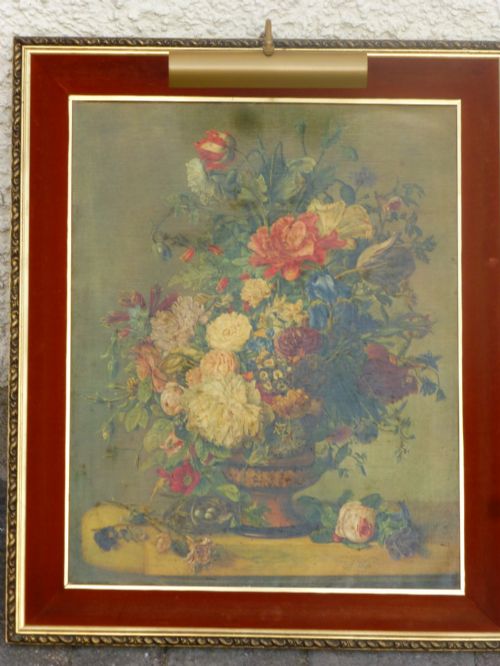
Most examples date across the nineteenth century into the Edwardian era, featuring hand-painted botanical details combined with gilt highlights, twin handles, and fitted covers. Certain items cross into related forms such as centrepieces, scent bottles, and oil paintings depicting floral still lifes.
Assessing quality and execution
Quality rests upon the precision of the hand-painted botanical decoration and the crispness of the porcelain or ceramic potting. Superior pieces display intricate brushwork, nuanced shading on petals and leaves, and carefully registered gilt detailing rather than stencilled transfers.
The application and preservation of the gold leaf or gilding distinguish finer examples, particularly where burnishing creates varied textures against glazed or matte grounds. Maker attribution also influences standing, with renowned factories and signed works achieving distinct recognition.
Listings feature porcelain, earthenware, and glass forms spanning the 19th Century, Regency, Victorian, and Edwardian periods with hand-painted floral motifs.
Royal Worcester·Crown Derby·Sitzendorf·Royal Doulton·Spode·Meissen·Coalport·Samson of Paris·H and R Daniel
The Gilded Floral Vase Glossary
- Blush ivory
- A matte cream-coloured ceramic ground developed by Royal Worcester in the late nineteenth century to imitate ivory. This finish often serves as a subtle backdrop for floral hand-painting.
- Campana urn
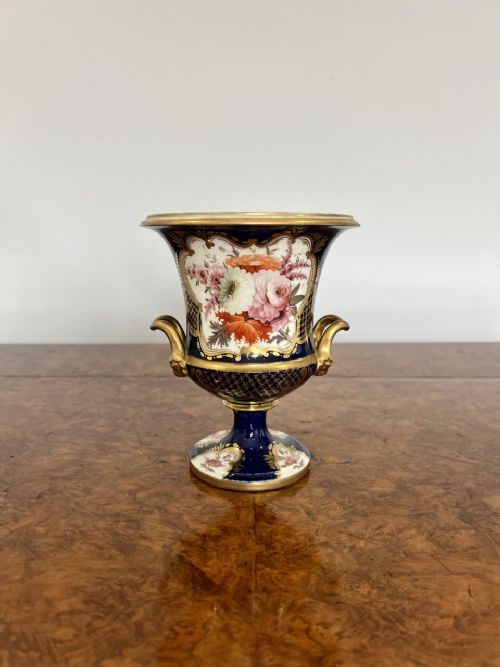
- A bell-shaped vessel with an everted rim and footed base, popular during the Regency and Victorian periods. These pieces frequently feature twin handles and classical proportions.
- Gilding
- The application of gold leaf or powdered gold to the surface of ceramics, glass, or metal. It highlights handles, rims, and botanical motifs.
- Imari
- A traditional Japanese style of porcelain decoration defined by underglaze blue, iron red, and abundant gold. Pieces often incorporate floral and panel designs.
- Millefleurs
- A decorative pattern featuring a dense field of small flowers covering the entire surface of the object. The term translates from French as a thousand flowers.
Gilded Floral Vase: Frequently Asked Questions
How do I clean a gilded floral vase?
Dust the surface gently with a soft, dry brush to protect fragile enamel and gold leaf. Avoid liquid cleaners and immersion, which can damage historic gilding and hand-painted pigments.
Keep pieces away from direct sunlight and moisture to preserve the integrity of the ceramic ground and metallic highlights.
Are these vases meant for holding water?
Many antique ceramic and porcelain vessels serve primarily a decorative function rather than acting as functional flower holders. Earthenware and older bodies can remain porous or vulnerable to moisture inside the unglazed base.
Utilise a small glass insert if water is necessary, protecting the interior glaze and historic fabric from mineral deposits.
How can I date a piece?
Examine the base for factory backstamps, impressed registration marks, and painted pattern numbers. Reference archives link specific styles, such as blush ivory or Art Nouveau motifs, to exact manufacturing decades.
Consider the weight of the clay, the method of gilding application, and the potting technique, which evolved from Georgian heft to Victorian refinement.
What is a garniture set?
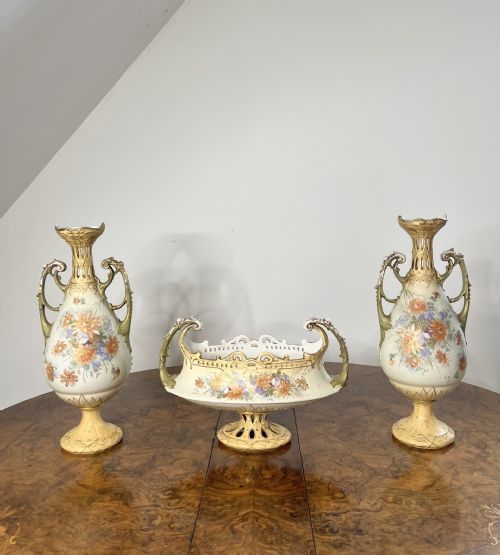
A garniture set consists of three or more matching vessels designed to be displayed together on a mantelpiece or sideboard. These arrangements typically include a central lidded urn flanked by matching vases or beaker forms.
The matching decorative scheme unites floral hand-painting and gilt highlights across all pieces in the grouping.