







Vintage Decorative Table Urns
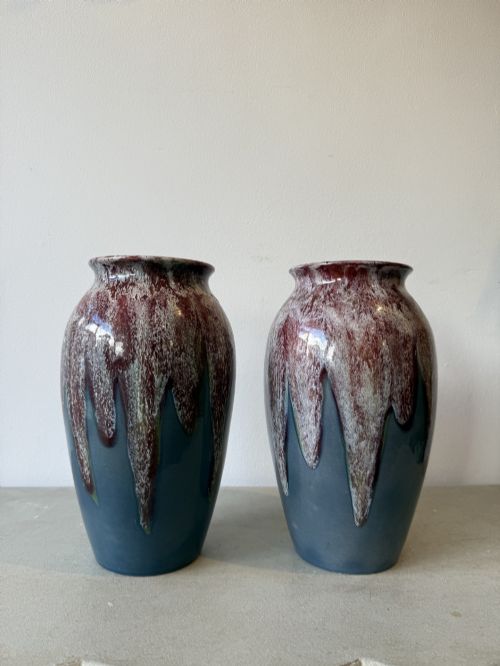
Vintage decorative table urns bring sculptural presence and historic character to a room, functioning as striking focal points or converted lamps.
Vintage Decorative Table Urns
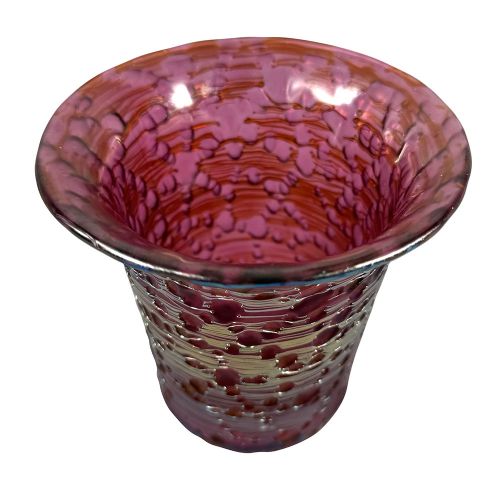
When you search for vintage decorative table urns, you encounter a varied selection of ornamental vessels that often span the Victorian era, the Edwardian period, and the early twentieth century. These pieces encompass traditional decorative urns alongside objects such as vases, ewers, and jardinières that serve a similar aesthetic purpose on a table or surface.
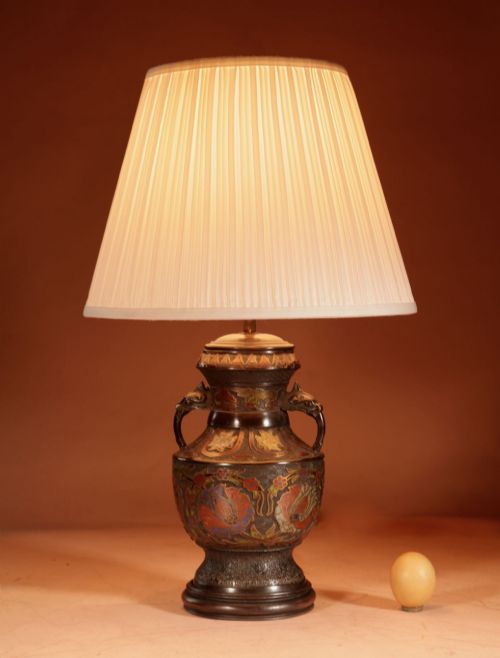
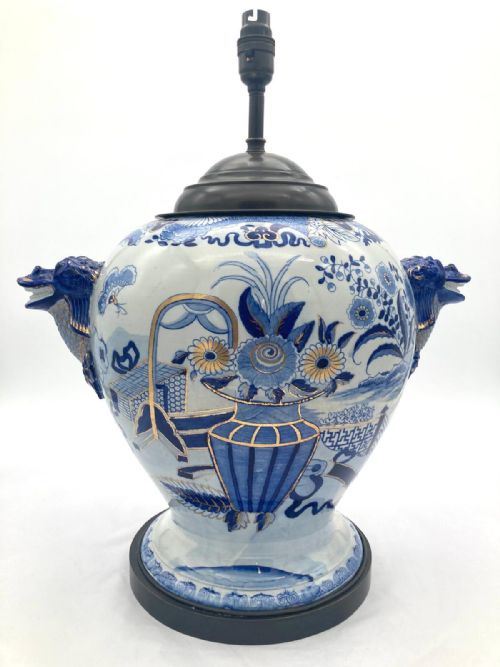
The selection frequently includes examples adapted as table lamps, combining classical vessel forms with functional lighting. Materials range from porcelain and stoneware to bronze, brass, copper, and marble, reflecting diverse stylistic influences from French neoclassical design to Japanese Meiji aesthetics.
How they were made
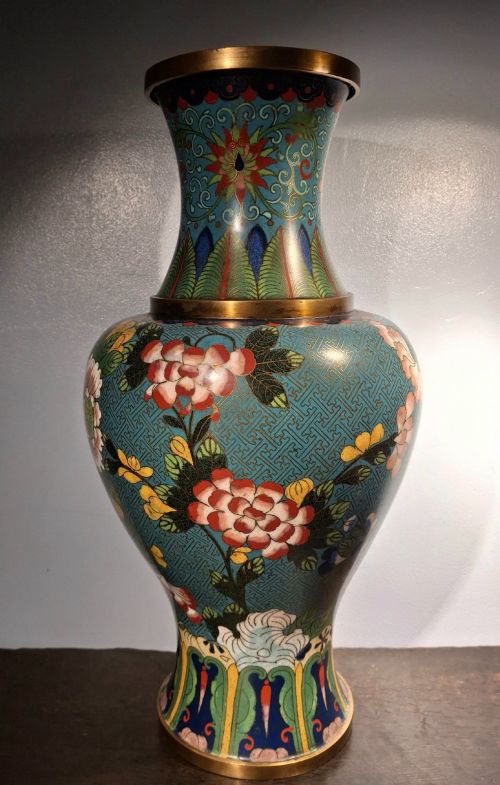
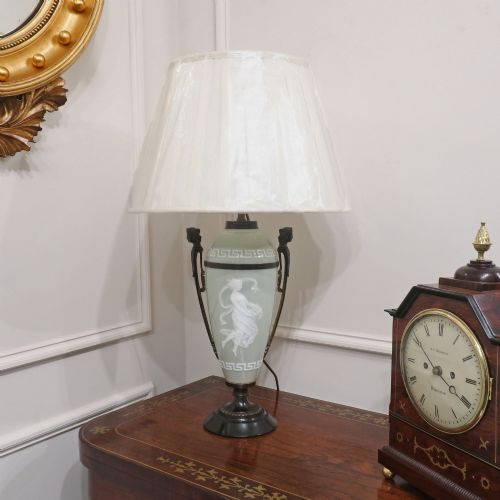
The construction of these pieces relies on traditional craftsmanship involving ceramic throwing, casting in bronze and brass, and hand-carving in wood and marble. Artisans utilised techniques such as champlevé, cloisonné, and pâte-sur-pâte to apply intricate surface decoration and colourful enamel details.
Metal vessels often feature chased floral motifs and applied patination, while ceramic urns display hand-painted glazes, transfer printing, or raised stoneware decoration. Many examples incorporate mixed media, pairing ceramic bodies with gilt bronze mounts or alabaster bases.
Vintage Decorative Table Urns Retail Price Guide 2026
Typical asking prices for vintage decorative table urns among the pieces listed under this phrase on Sellingantiques today, from the lower quarter to the upper quarter. They describe what is for sale here now, not the wider market.
Among the converted vessels, unsuspecting fruit lamps rest upon alabaster campana urn bases.
What varies in quality
Quality in these decorative vessels is determined by the precision of the modelling, the crispness of the chased or cast metalwork, and the refinement of the hand-painted or glazed finishes. Superior examples display balanced proportions and harmonious integration between decorative elements and structural form.
The distinction between standard production and higher-grade work often lies in the depth of detail, such as finely executed enamel work, intricate bronze mounts, or the original integrity of the decorative scheme.
The Vintage Decorative Table Urns Glossary
- Campana urn
- A bell-shaped vessel with a flared rim and footed base, frequently rendered in marble or metal. This classical form originates from ancient Roman pottery and metalwork.
- Champlevé
- An enamelling technique where troughs are dug into a metal surface and filled with vitreous enamel before firing. The resulting design displays vibrant colour bounded by thin metal lines.
- Cloisonné
- A metalwork technique where fine wires form raised partitions, known as cloisons, which are filled with enamel paste. This method creates intricate patterned designs across the body of the vessel.
- Pâte-sur-pâte
- A ceramic decoration method where liquid clay is applied in successive layers to a contrasting body to create a low relief cameo effect. The technique requires meticulous brushwork by skilled artisans.
- Jardinière
- An ornamental pot or stand designed to hold plants or floral arrangements, often matching the materials and decorative style of table urns.
Vintage Decorative Table Urns: Frequently Asked Questions
How were table urns used historically?
Table urns served primarily as decorative ornaments on side tables, mantelpieces, and cabinets within formal interiors. They reflected the classical tastes of their owners and often functioned as display pieces or centrepieces in a room.
Over time, many of these vessels were adapted into table lamps, retaining their sculptural silhouette while accommodating electrical fittings for practical domestic lighting.
How do I identify the period of an urn?
Dating relies on examining the combination of materials, manufacturing techniques, and stylistic markers such as Victorian ornamentation, Art Nouveau curves, or Neoclassical symmetry. Markings, stamps, or signatures on the base of ceramic pieces also provide clues to the maker and era.
Hardware styles, wiring methods in lamps, and the nature of the metal patination offer further evidence regarding the age of the piece.
Are converted lamp urns altered permanently?
Many urns and vases were fitted for electricity during the twentieth century, sometimes involving drilled bases or fitted brass collars. The extent of the adaptation varies between pieces, with professional conversions preserving the primary body of the vessel.
Collectors assess these alterations on an individual basis, balancing the original form of the vessel against the quality of the subsequent conversion.
Where should I place a table urn?
These pieces suit surfaces where their vertical form and decorative detail can be appreciated, such as sideboards, console tables, or occasional tables. Pairing them with complementary lighting or objects enhances their visual impact in a room.
Placement should consider the weight and material of the vessel, ensuring stable support on wooden or marble surfaces.