
Gilded Decorative China Plate
These gilded decorative china plate examples bring together meticulous hand-painting and lustrous metal leaf across centuries of ceramic artistry.
Gilded Decorative China Plate
A gilded decorative china plate serves as a vibrant focal point for cabinet display or formal dessert service. When searching for a gilded decorative china plate, collectors encounter everything from early eighteenth-century porcelain to mid-twentieth-century bone china.
Most examples found here originate from nineteenth-century British factories, alongside continental porcelain from Sèvres, Meissen, and Dresden. Forms range from standard cabinet plates and dessert dishes to deep soup dishes and basketweave shapes.
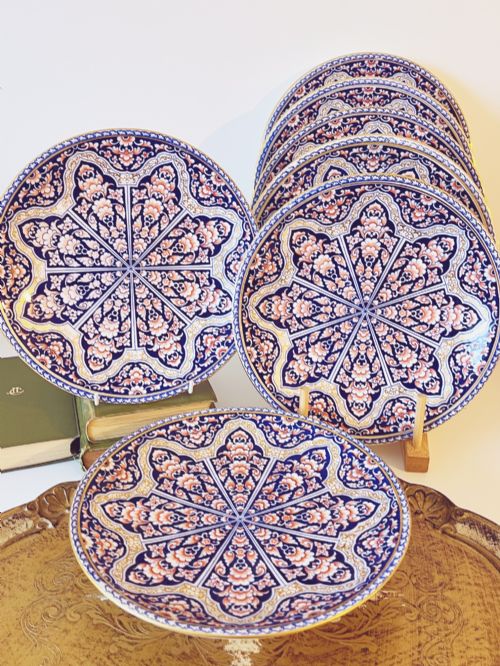
Makers utilised various styles, including Rococo Revival, Victorian Imari, and Art Deco. These items were designed primarily for visual display in dining rooms and drawing rooms rather than everyday dining.
Materials and construction
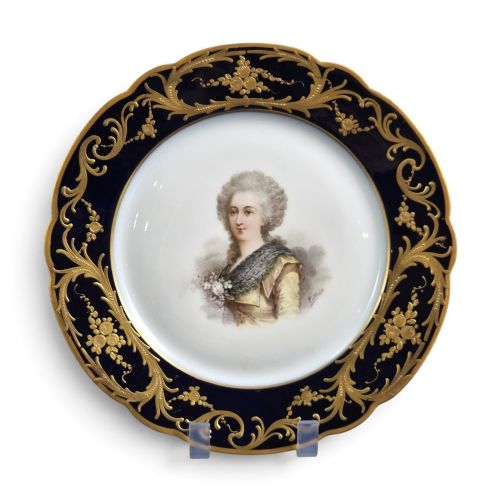
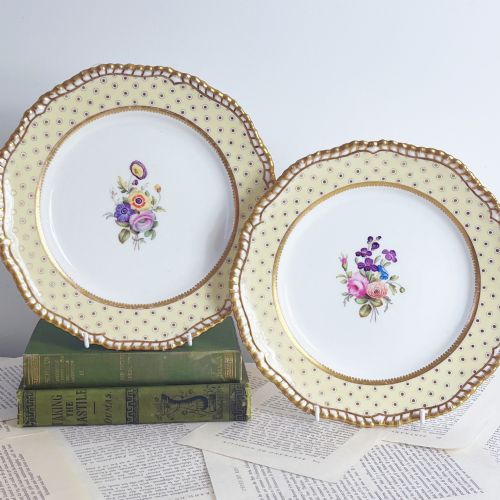
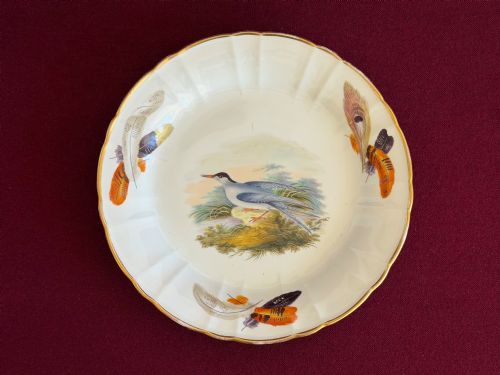
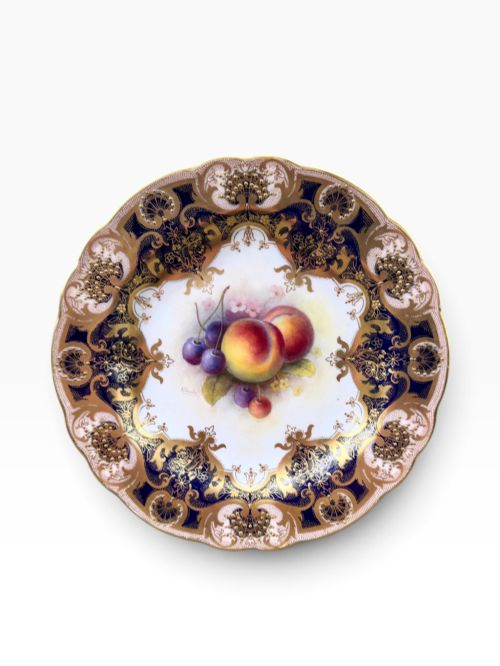
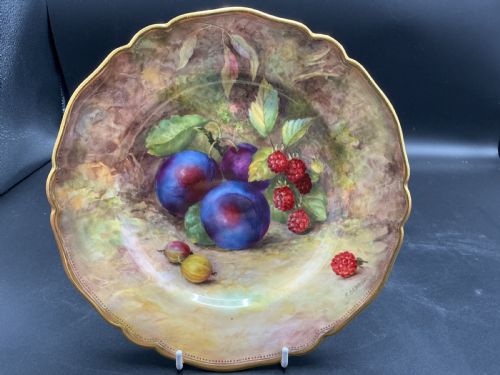
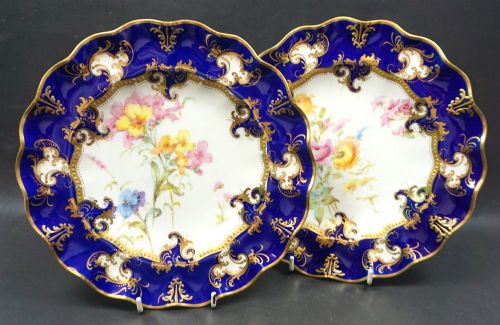
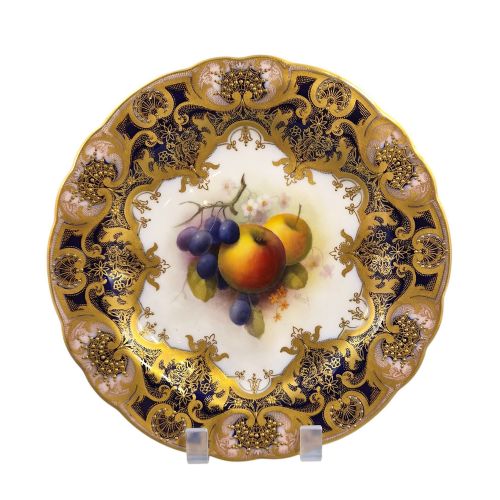
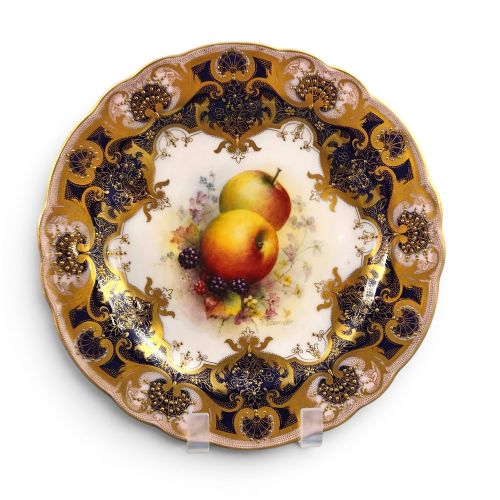
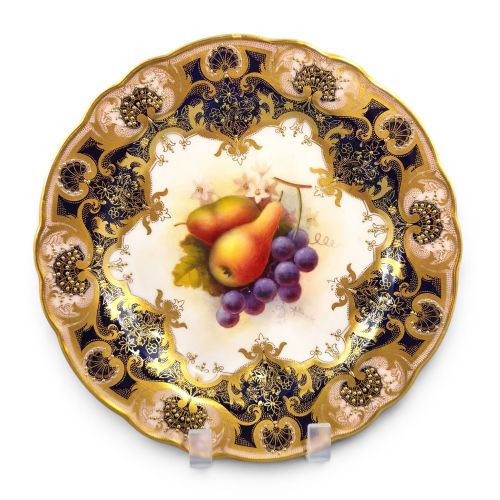
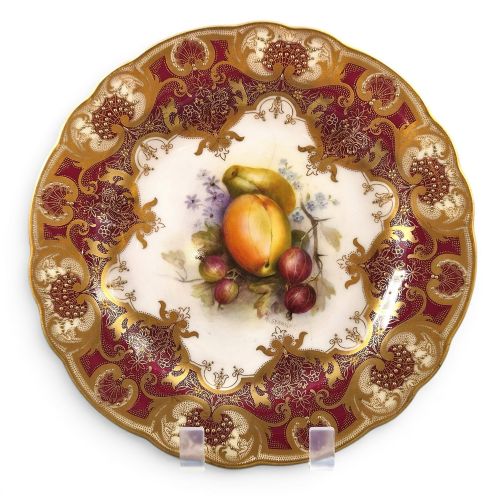
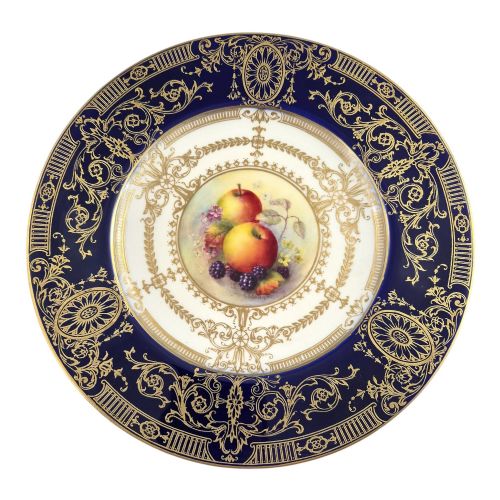
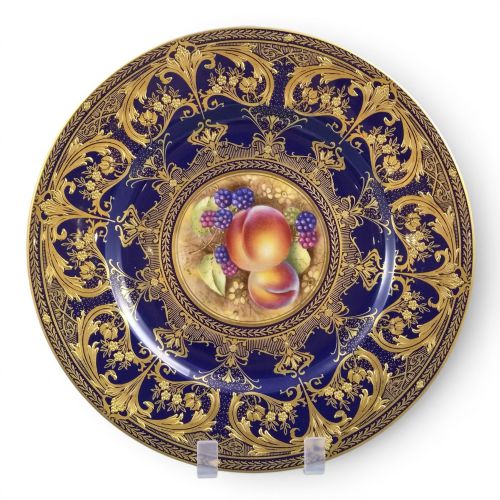
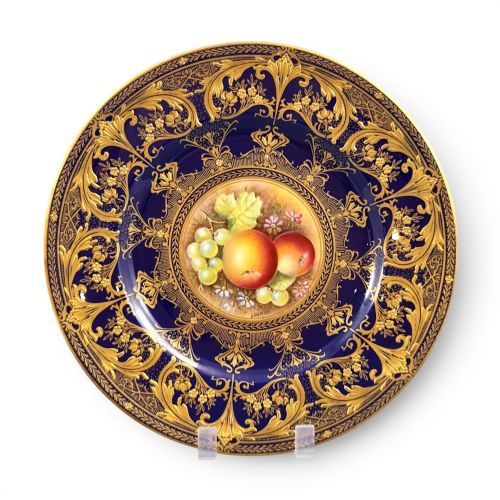
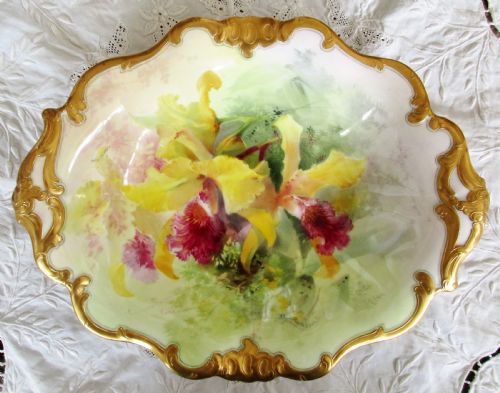
Potters shaped these objects using hard-paste porcelain, bone china, and ironstone before firing them at high temperatures. Artisans then applied enamel paints and intricate motifs by hand, depicting birds, fruit, landscapes, and portraits.
Gilding was applied using gold leaf, liquid gold, or gold leaf that was subsequently burnished to a high sheen. Tooling techniques added texture and depth to the metallic borders and surrounds.
Jabberwocky patterns and common terns share shelf space with hand-painted swans and game birds.
Assessing craftsmanship
The distinction between standard factory output and top-tier pieces lies in the quality of the hand-painting and the complexity of the gilding. Named artists and documented painters elevate a plate significantly beyond generic factory decoration.
The precision of the tooled gilding and the delicacy of the porcelain body also separate exceptional service items from ordinary wares. Furthermore, provenance tied to specific exhibitions or bespoke commissions indicates superior craftsmanship.
Royal Worcester·Royal Crown Derby·Coalport·Spode·Minton·Wedgwood·New Hall·Meissen·Helena Wolfsohn·Aynsley
The Gilded Decorative China Plate Glossary
- Bone china
- A type of soft-paste porcelain incorporating bone ash for enhanced durability and translucency. It forms the base of many nineteenth-century British cabinet plates.
- Cabinet plate
- A decorative ceramic dish intended for display in a glass-fronted cabinet rather than functional table use. These often feature elaborate painted scenes.
- Gilding
- The application of gold leaf or gold powder to ceramic surfaces for ornamentation. Burnished versions offer a reflective, mirror-like finish.
- Imari
- A decorative style inspired by Japanese export porcelain featuring cobalt blue, iron red, and abundant gold. Victorian potters frequently reinterpreted this aesthetic.
- Porcelain
- A ceramic material made by heating raw materials, generally including clay in the form of kaolin, in a kiln. It yields a hard, non-porous white body.
Gilded Decorative China Plate: Frequently Asked Questions
What is a cabinet plate?
A cabinet plate is a decorative ceramic dish manufactured primarily for display in a parlour or dining room rather than for holding food. These items typically feature elaborate hand-painted subjects and rich gilding.
Potters designed them to showcase the artistic capabilities of their workforce. Consequently, they often remain in pristine condition compared to utilitarian dinner services.
How are these plates displayed?
Historically, these items sat upright in glazed display cabinets or hung on walls using specialised wire hangers. Modern collectors continue to use wall mounts or dedicated plate stands.
Placement away from direct sunlight preserves the vibrancy of the hand-painted enamels and prevents the gold leaf from fading over time.
How can I identify the maker?
Makers indicated their output through printed or impressed factory marks on the underside of the ceramic body. Many nineteenth-century British firms also included date ciphers or pattern numbers.
Artist signatures, such as those found on painted fruit studies, frequently appear discreetly near the edge of the central illustration.
Were these used for dining?
Certain forms, such as dessert plates and dessert service comports, served functional roles during formal nineteenth-century dining courses. However, heavy gilding often restricted their use to decorative functions.
Plates featuring thick raised gold leaf were strictly intended for visual appreciation on sideboards and display tables.