





Gilded Carved Wood Stand
A gilded carved wood stand brings surface richness and formal elevation to a room through centuries of continental craftsmanship.
Gilded Carved Wood Stand
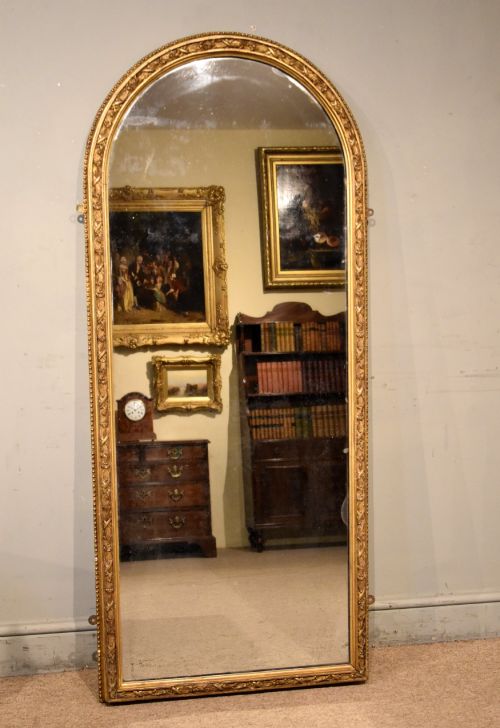
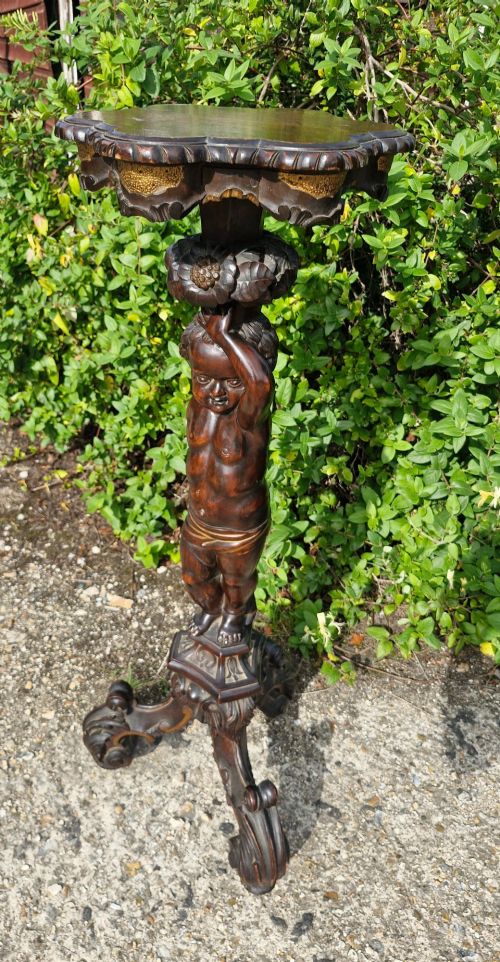
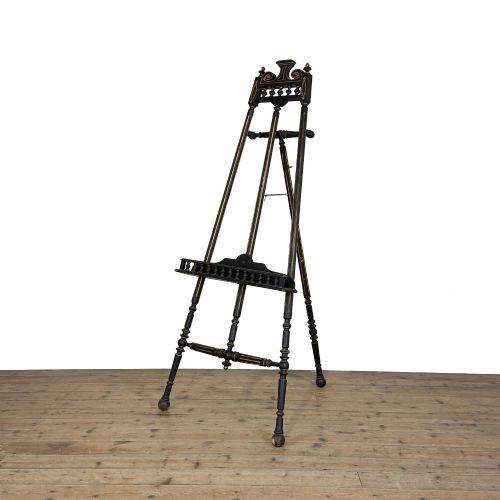
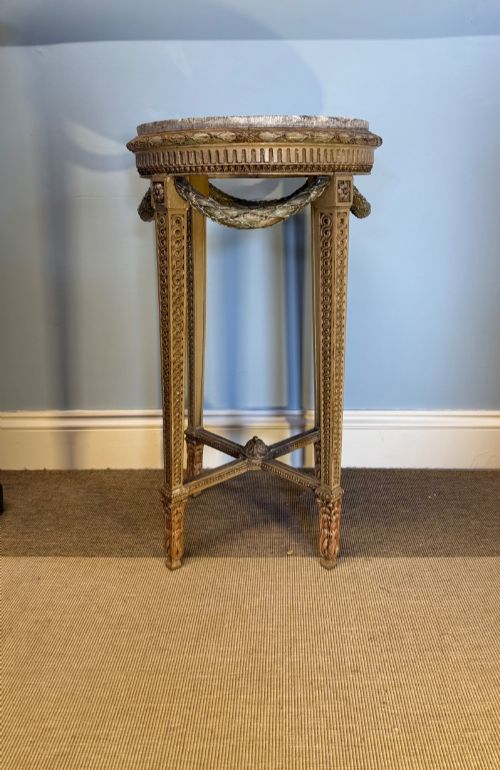
When you search for a gilded carved wood stand, you encounter a diverse group of functional objects designed to elevate items or furnish interiors with ornamental presence. The pieces on this page span from the eighteenth century through the Art Deco period of the nineteen-thirties, drawing on Victorian and continental aesthetic traditions. You will frequently find supports for urns, pedestals, console tables, and small occasional tables among the varied forms.
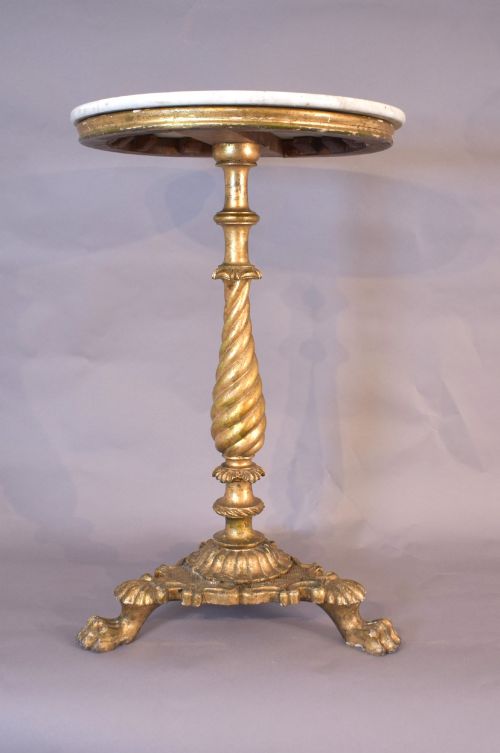
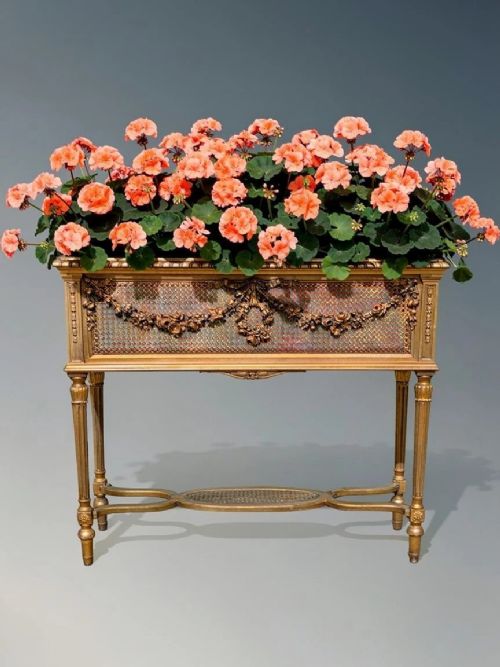
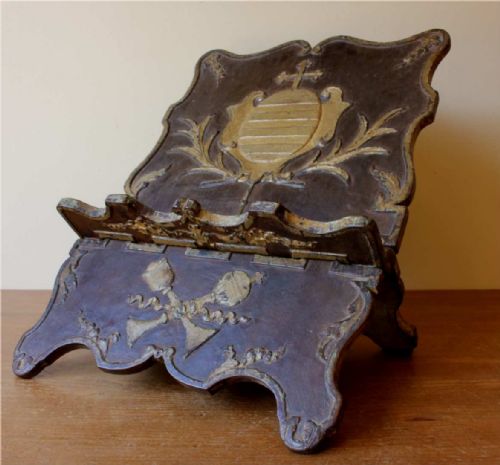
Italian and French regional workshops dominate the design vocabulary, channelling Baroque, Rococo Revival, and Neoclassical styles. These items range from diminutive plant stands and tripod tables to substantial marble-topped console tables and missal rests. The forms serve both decorative and practical roles within domestic spaces, acting as structural bases for display.
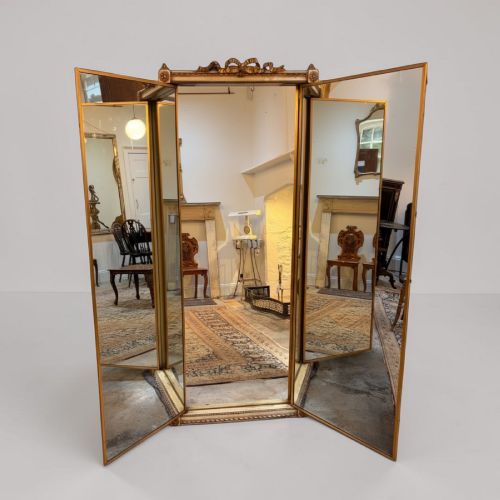
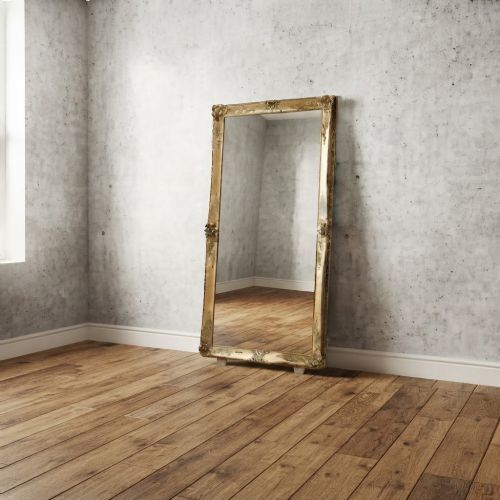
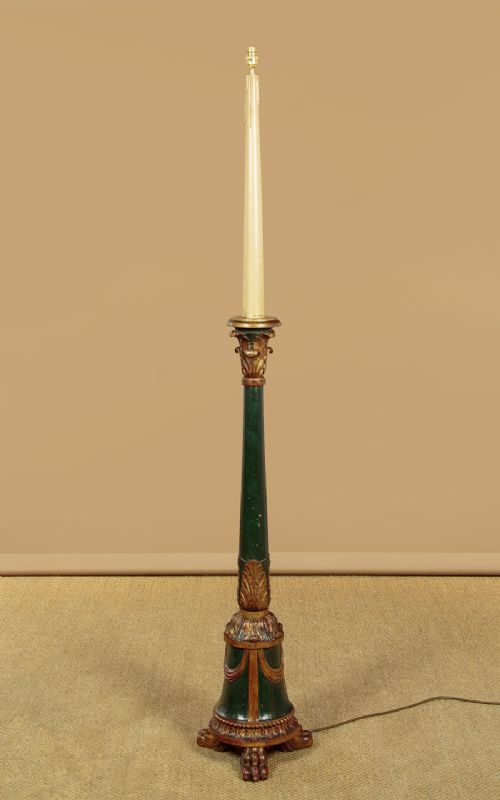
The selection also encompasses lighting supports, including standard lamps and floor lamps alongside sculptural figures and mirrors mounted on stands. While utility varies from holding a Bible to supporting a planter, the shared foundation remains carved timber finished with reflective metal leaf or pigment.
Materials and construction
Makers shaped these objects primarily from solid timber, utilising woods such as oak and pine as a base for intricate sculptural carving. Craftsmen then applied gesso, a fine plaster mixture, directly to the carved wooden surface to create a smooth, resilient ground for subsequent gilding. This preparation layer allowed artisans to sharpen crisp architectural details and organic motifs before applying metal.
Application of gold leaf or giltwood finishes provided the characteristic metallic brilliance seen across the pieces. Artisans often combined this gilding with paint or ebonising to articulate depth, while certain items integrated secondary materials like inset marble tops or glass components to complete the composition.
Gilded Carved Wood Stand Retail Price Guide 2026
Typical asking prices for gilded carved wood stand among the pieces listed under this phrase on Sellingantiques today, from the lower quarter to the upper quarter. They describe what is for sale here now, not the wider market.
Elephants and snakes both make unexpected appearances beneath the gilding, proving that historical craftsmen welcomed exotic wildlife into the parlour.
Distinctions in craftsmanship
The degree of refinement in the hand-carved ornamentation separates standard production from exceptional work. Crisp, deep undercut foliage and sculptural figures display a sculptor's mastery, whereas mechanical or shallow carving yields a flat appearance.
The integrity of the gesso and gilt surface layer dictates long-term visual success. Skillful application of gold leaf over a well-prepared gesso ground retains sharp contours and subtle burnishing, while lesser examples show loss or heavy-handed restoration.
The Gilded Carved Wood Stand Glossary
- Giltwood
- Timber that has been coated with thin sheets of gold leaf over a prepared gesso base. This finish provides a warm, reflective metallic surface characteristic of formal antique furniture.
- Gesso
- A mixture of plaster of Paris and glue binder applied to wood surfaces. It creates a smooth, absorbent ground suitable for carving fine details prior to gilding.
- Console table
- A wall-mounted or freestanding table designed to stand against a vertical surface. These tables often feature elaborate carved and gilded supports beneath marble tops.
- Tripod table
- A small freestanding table supported by a central pillar resting on three feet. This form frequently appears in nineteenth-century decorative interiors.
- Overmantel mirror
- A large mirror designed to hang above a fireplace mantel. They often incorporate heavy carved and gilded frames matching the stylistic vocabulary of the room.
Gilded Carved Wood Stand: Frequently Asked Questions
What is a gilded carved wood stand used for?
These pieces serve primarily to elevate objects such as urns, planters, sculptures, or reading materials within a room. They function as decorative furniture that combines structural support with ornamental presence.
Historically, they occupied prominent spaces in drawing rooms and halls to display prized possessions or provide auxiliary surface area. Their dual role as utilitarian furniture and sculptural art made them central to period interior design.
How do I identify a 19th-century piece?
Nineteenth-century items often exhibit revival styles such as French Neoclassical, Baroque, or Rococo Revival. Examine the construction methods, timber types, and the wear patterns on the gilt surface to gauge age.
Makers of this era frequently utilised traditional gesso and gold leaf techniques over solid timber carcase work. Comparing the decorative motifs to documented design books of the period helps confirm the date of origin.
How should I clean a giltwood surface?
Dust the surface gently using a dry, soft brush or a clean microfiber cloth. Avoid applying water, chemical solvents, or commercial cleaning sprays directly onto the delicate gold leaf.
Because the historic gesso and metal leaf layers are sensitive to moisture and abrasion, minimal intervention preserves the finish. Professional conservation is recommended for any significant accumulation of grime.
Where should I place this in my home?
Position your stand in a stable environment away from direct sunlight, dampness, and extreme temperature fluctuations. Placing it against a wall in a hallway or living room protects it from accidental knocks.
Ensure the piece is not subjected to heavy weight if it is designed for lighter decorative use, such as holding a plant or a small lamp.