


Gilded Bronze Timepiece
A gilded bronze timepiece brings sculptural presence and mechanical precision together, offering interiors a focal point of enduring metalwork.

What these timepieces are
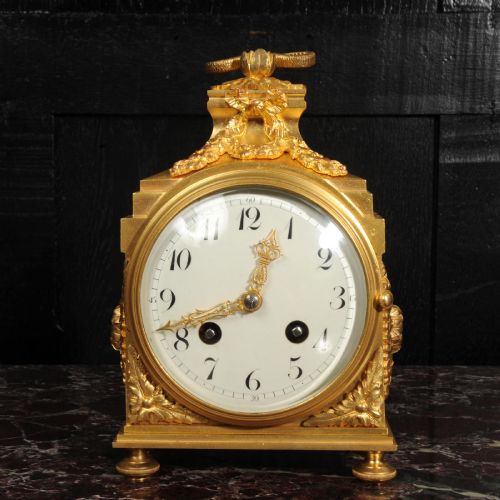
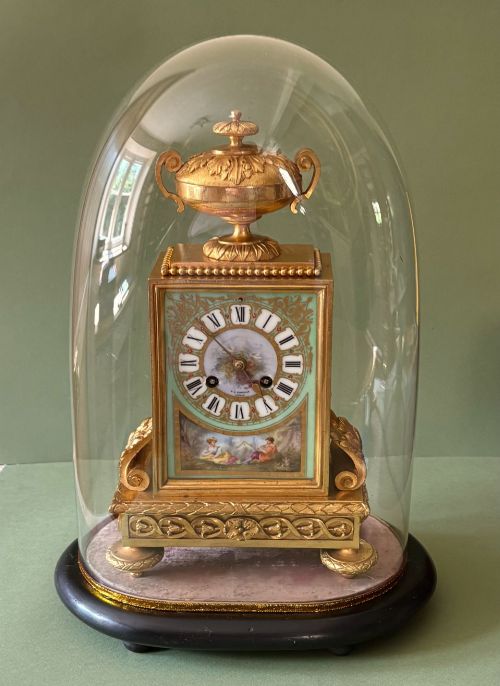
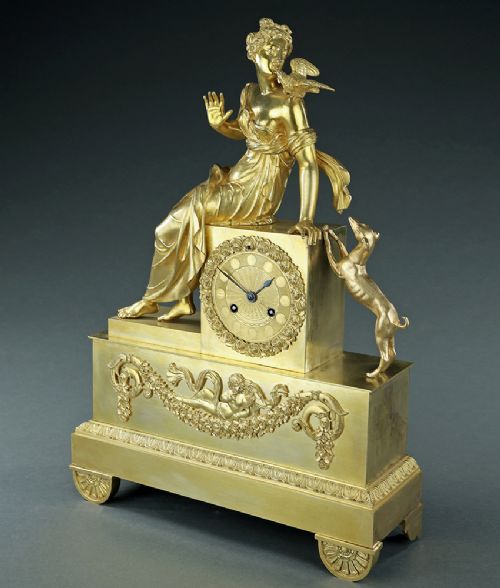
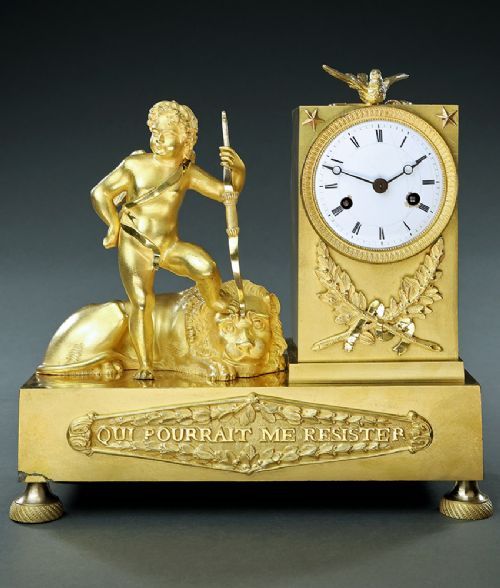
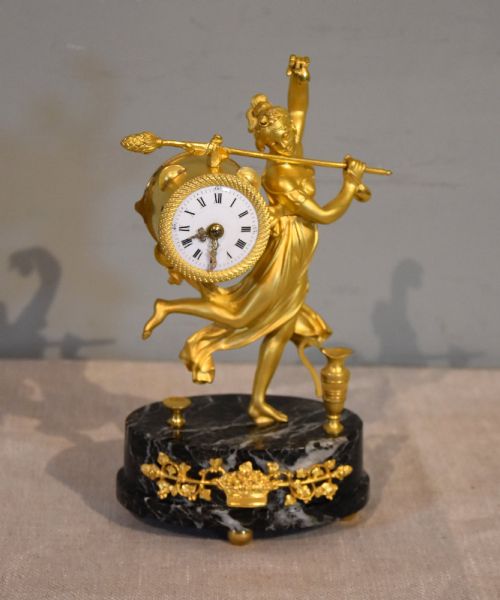
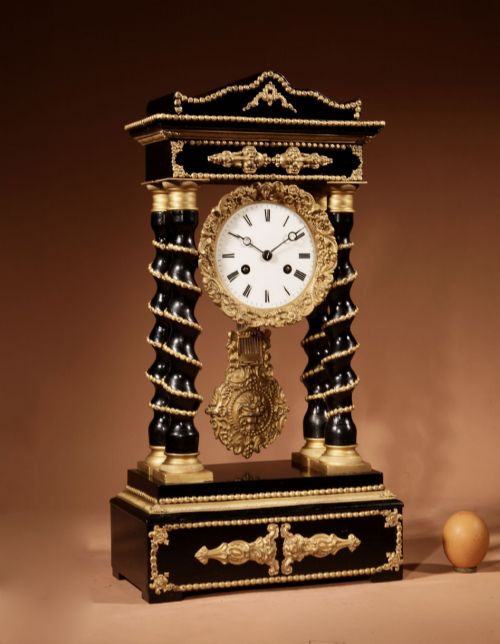
A gilded bronze timepiece represents a sophisticated category of decorative mantel clock developed across various nineteenth century eras, including the Regency and French Empire periods. These objects combine cast metal figures or architectural frames with functional clockwork, serving both to measure hours and adorn domestic spaces.
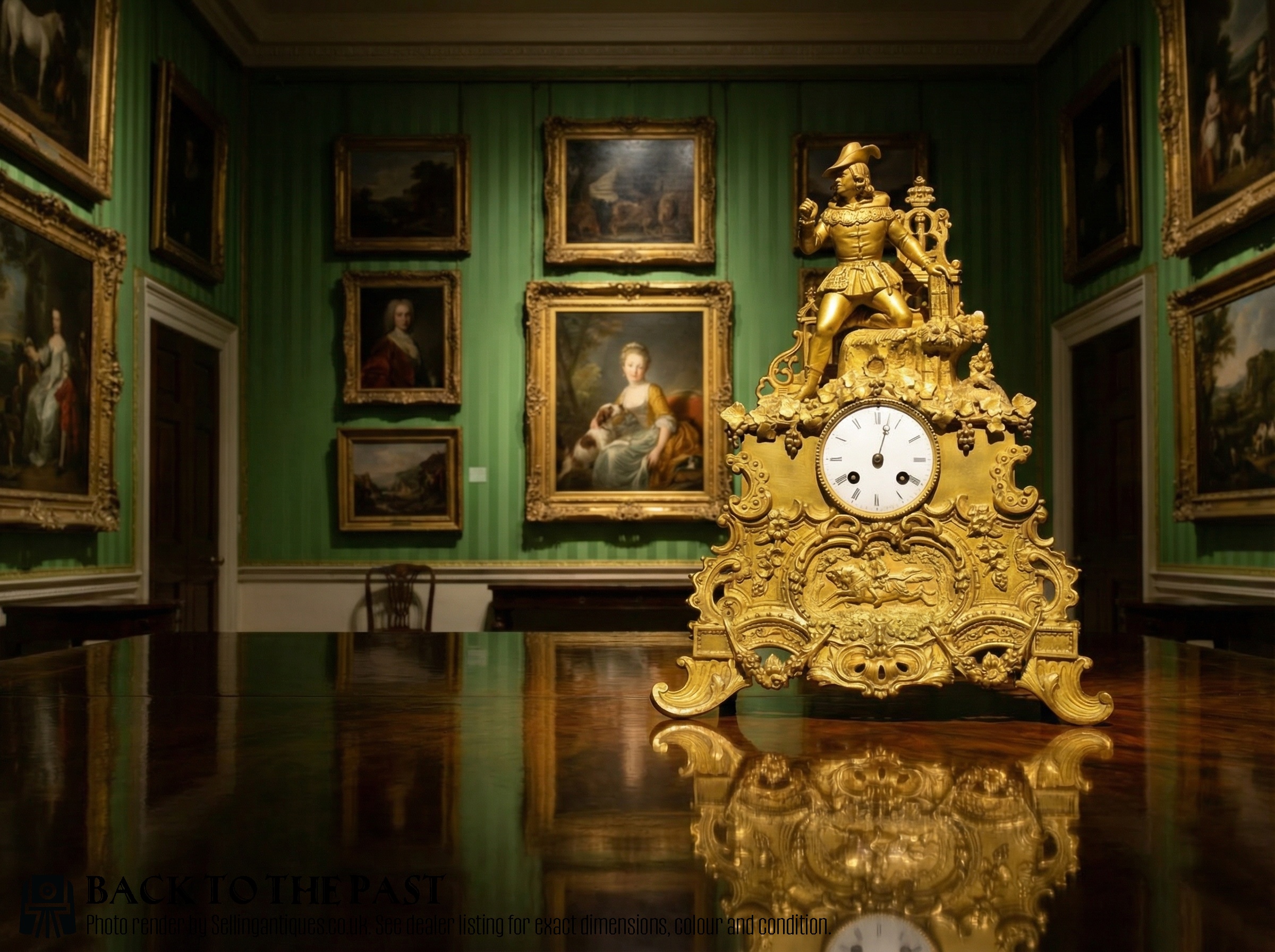
Most examples encountered on this page originate from French workshops, executed in decorative vocabularies such as French Rococo, Rococo Revival, and Second Empire. Buyers frequently find figural designs featuring subjects like love and fidelity, musical allegories, or exotic motifs.
The physical form typically takes the shape of a mantel clock, often incorporating contrasting materials like marble or patinated bronze alongside the primary gilt surface. These pieces range from restrained Regency designs to exuberant, large-scale Rococo compositions.
How they were made
Construction relies upon casting bronze or brass, which is subsequently fire-gilded or treated to create the bright ormolu finish characteristic of these objects. The resulting metal mounts require meticulous chasing to sharpen details on drapery, foliage, and figural elements.
Movements within these timepieces, including chain fusee mechanisms, demand skilled clockmaking to ensure reliable timekeeping. Additional decorative elements such as champleve enamel dials or glass panels complete the assembly.
Retail Price Guide 2026
Typical UK retail prices for gilded bronze timepiece, calculated from the Sellingantiques database of over a million retail prices indexed since 2003. This retail price guide relies exclusively on Sellingantiques data; no external sources or auction records are used, so the figures do not describe the wider market.
Materials documented across the inventory include gilt bronze, ormolu, marble, enamel, and glass.
What varies in quality
Quality in a gilded bronze timepiece rests upon the crispness of the bronze casting and the depth of the subsequent gilding. Finer examples display sharp definition in chased details that weaker or worn castings simply lack.
The sophistication of the internal movement and the integration of secondary materials like marble or enamel also divide standard production from exceptional work. Signed pieces by established makers demonstrate superior mechanical and artistic execution.

Le Roy and Fils·FB Adams London
The Gilded Bronze Timepiece Glossary
- Ormolu
- A metallic technique involving the application of finely ground high-carat gold to a bronze base. This process creates the rich, golden lustre seen on nineteenth century French clock cases.
- Chain fusee
- A mechanical device designed to maintain even tension on the clock train as the mainspring unwinds. This system improves accuracy in better quality timepieces.
- Champleve
- An enamelling technique where troughs are dug into the metal surface and filled with vitreous enamel. It frequently decorates the dials and bezels of French mantel clocks.
- Patinated bronze
- Bronze treated with chemical solutions to produce a dark, aged surface contrast. This treatment often highlights the gilt bronze elements by juxtaposition.
Frequently Asked Questions
How do I wind my clock?
Most mechanical timepieces require a key inserted into the dial holes to tension the spring or weights.
Care must be taken not to overwind the mechanism, as this can damage the internal gearing.
Where should I place a mantel clock?
These heavy metal and marble objects require a sturdy, level surface such as a mantelpiece or a strong console table.
Placement should avoid direct sunlight and damp environments to protect the gilt finish and internal metalwork.
How do I identify the period?
Stylistic indicators such as Regency symmetry or Rococo asymmetry point towards specific design eras.
Makers' signatures and movement construction provide further clues to the date of manufacture.
Why does the clock need servicing?
Mechanical movements accumulate dust and old oil that thickens over decades, impeding the gear train.
Periodic professional cleaning ensures the bronze case and delicate escapement continue to function correctly.