
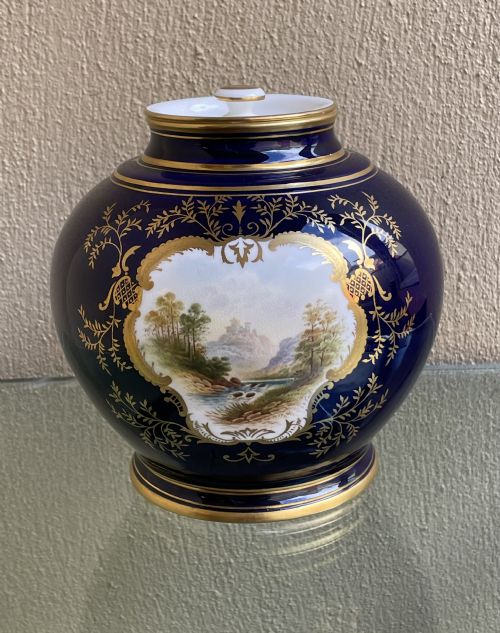


Gilded Bone China Urn
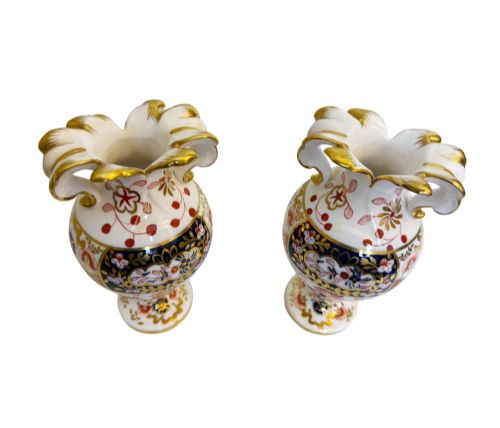
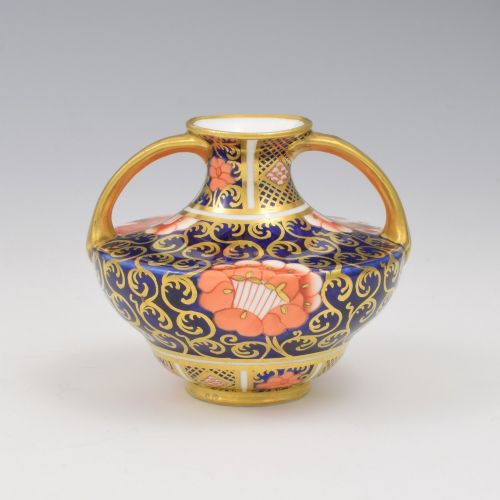
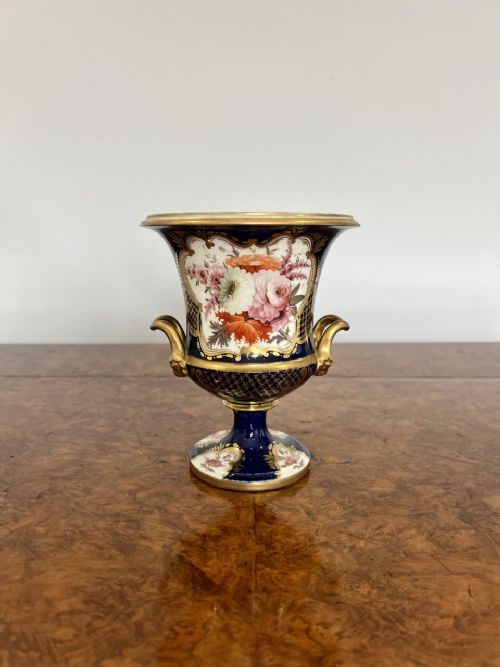
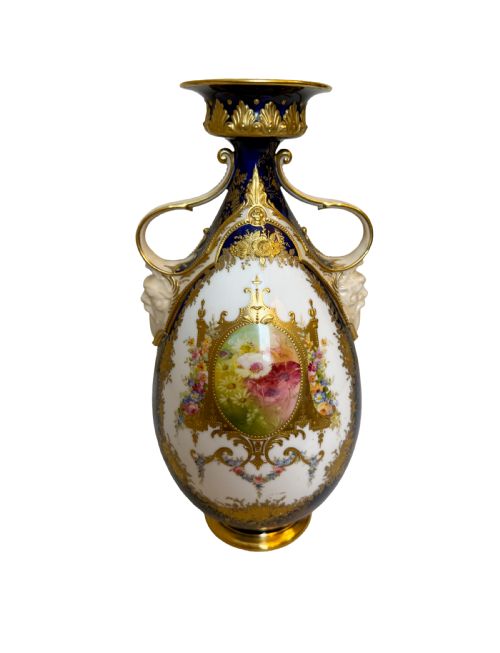
These gilded bone china urn pieces are refined ceramic vessels finished with metallic leaf and glaze, prized for their traditional English decorative presence.
Gilded Bone China Urn
When you search for a gilded bone china urn, you enter a field of decorative vessels, vases, and ginger jars produced across the nineteenth and twentieth centuries. These objects range from miniature bud vases to substantial twin-handled urns and covered pot pourri jars.
The pieces appearing on this page span the Edwardian and Victorian eras through to the mid-twentieth century, with earlier examples dating from the early nineteenth century. Traditional English and Imari styles dominate the visual language of these ceramic forms.
How they were made
Potteries utilised bone china and fine porcelain bodies, shaped into classical urns, ewers, and covered jars. Artisans then applied hand-painted details, often depicting fruit, landscapes, or sheep, alongside enamel colours.
Gold leaf, gilding, and gold gilt provide the signature metallic enrichment on these vessels. Skilled hands painted the ceramic surfaces before firing, securing both the polychrome scenes and the lustrous gold embellishments.
The listings span multiple decades of English ceramic production, running from the early nineteenth century through to the nineteen-sixties using porcelain and bone china.
What varies in quality
The distinction between standard production and the finest work rests upon the execution of the hand-painted decoration and the precision of the gilding. Master painters signed their floral, fruit, or pastoral scenes, elevating the status of the vessel.
The crispness of the porcelain moulding and the balance of the twin handles or covers also separate standard decorative pieces from exceptional studio output. Heavier application of burnished gold leaf typically accompanies the more ambitious forms.
Spode·Royal Crown Derby·Royal Doulton·Coalport·Royal Worcester
The Gilded Bone China Urn Glossary
- Bone china
- A type of soft-paste porcelain incorporating bone ash, known for its high strength, chip resistance, and milky translucency. It provides a smooth white canvas for intricate enamel painting and gilding.
- Gilding
- The application of gold leaf, gold gilt, or gold paint to the surface of a ceramic vessel. This technique highlights rims, handles, and decorative borders.
- Imari
- A decorative style featuring dense cobalt blue, iron red, and gold ornamentation. Originating in Japan, it was widely adopted by English potteries.
- Pot pourri
- A decorative vase or jar featuring a pierced cover designed to diffuse scent from dried flower petals. These pieces often feature painted panels and heavy gilding.
- Ewer
- A large jug with a wide spout and a shaped handle, traditionally used for holding water but frequently produced purely for display.
Gilded Bone China Urn: Frequently Asked Questions
What is a gilded bone china urn?
A gilded bone china urn is a decorative ceramic vessel finished with gold leaf or gilt accents, produced by prominent English potteries from the nineteenth century onwards.
These pieces function primarily as ornamental objects for display on mantelpieces, sideboards, or cabinets, often taking the form of covered jars, ewers, or twin-handled vases.
How do I care for these antique vases?
Dust these porcelain vessels gently with a soft, dry cloth to protect the delicate hand-painted enamel and gold leaf decoration from abrasion.
Keep them away from direct sunlight to prevent any fading of the pigments, and avoid using liquid cleaners or water on the gilded surfaces.
How can I tell the period of a piece?
Examine the style of decoration, the form of the vessel, and any factory backstamps or artist signatures present on the base. Victorian and Edwardian examples often display rich Imari patterns or floral motifs.
Mid-century pieces frequently feature naturalistic hand-painted fruit or pastoral scenes by named studio artists working within established English potteries.
Were these urns used for ashes?
Despite the terminology, the vast majority of these decorative vessels served purely as ornamental garnitures or display pieces rather than funerary urns.
Many were produced as pairs or matched sets alongside pot pourri jars and ginger jars to ornament grand interior spaces.