




Gilded Blue Glass
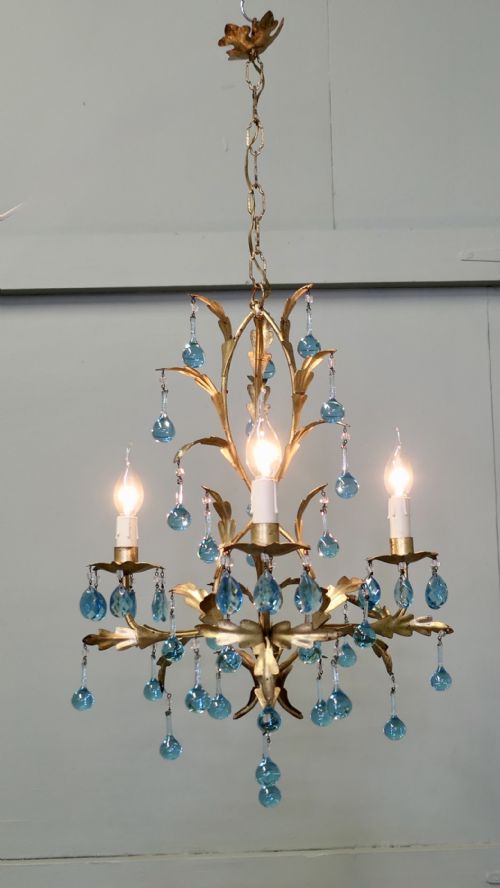
These gilded blue glass pieces combine deep coloured vessels with bright metallic highlights, offering a striking display for any room.
Gilded Blue Glass
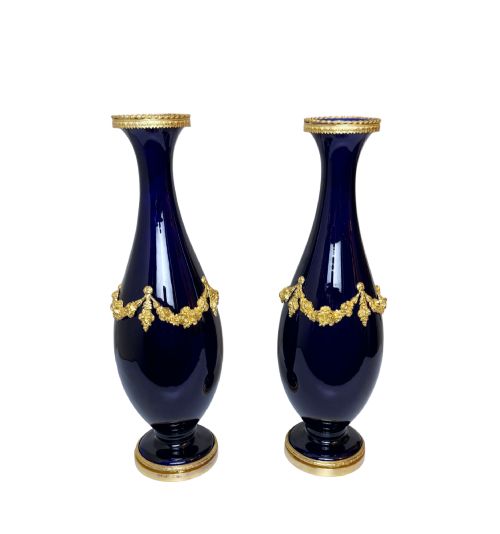
Gilded blue glass encompasses practical vessels and decorative objects created across the eighteenth, nineteenth, and early twentieth centuries. When searching for gilded blue glass, buyers encounter decanters, vases, scent bottles, and tableware originating from British, Bohemian, and French workshops.
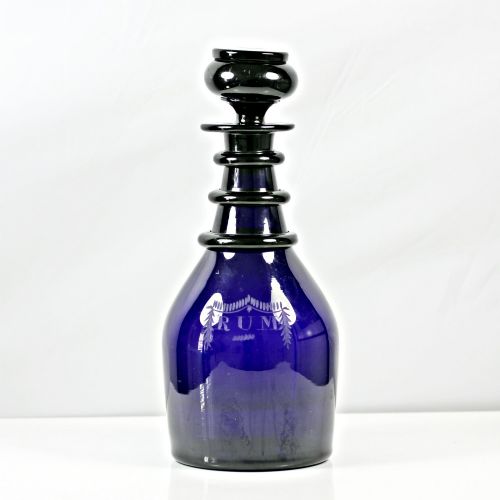
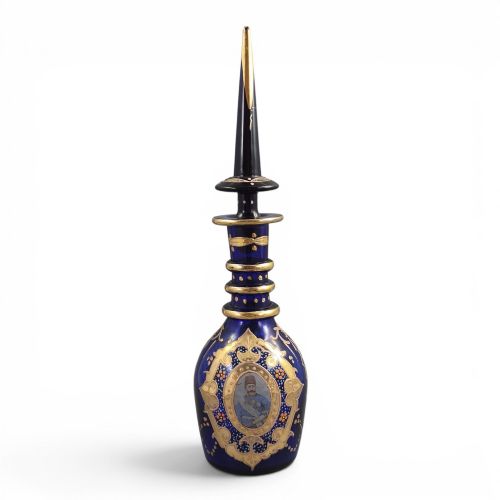
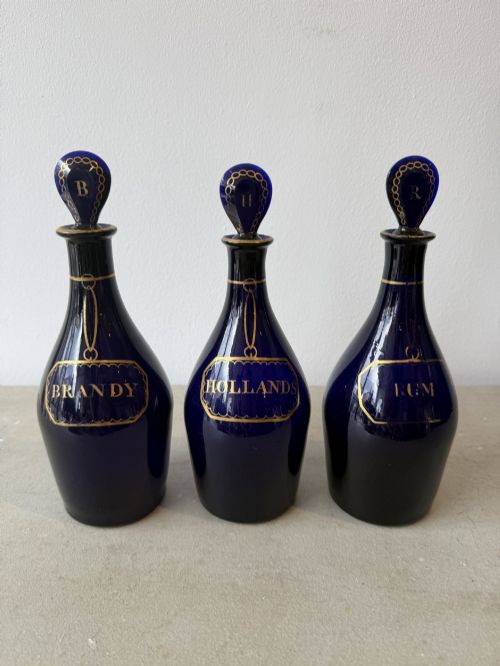
The most common forms met in these collections are Georgian and Victorian Bristol blue decanters alongside nineteenth-century Bohemian wares. These pieces range from three-ring rum decanters to enameled presentation vases made for international export markets.
How they were made
The foundation of these pieces relies on glass production utilising metallic oxides, notably cobalt, to achieve deep blue and peacock tones. Artisans then applied gold leaf or liquid gold paint by hand to the exterior surfaces, frequently combining the metal with polychrome enamels.
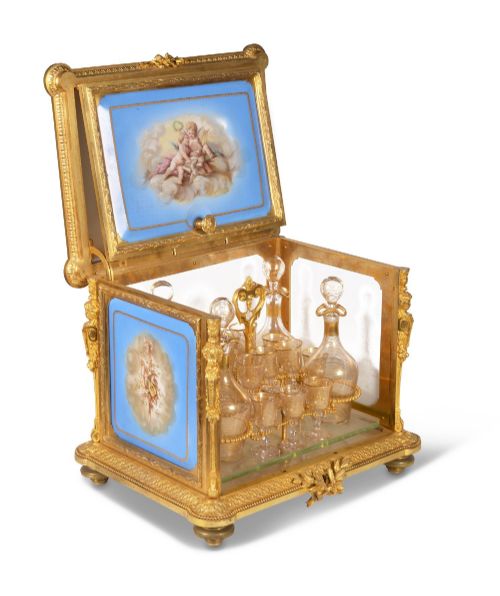
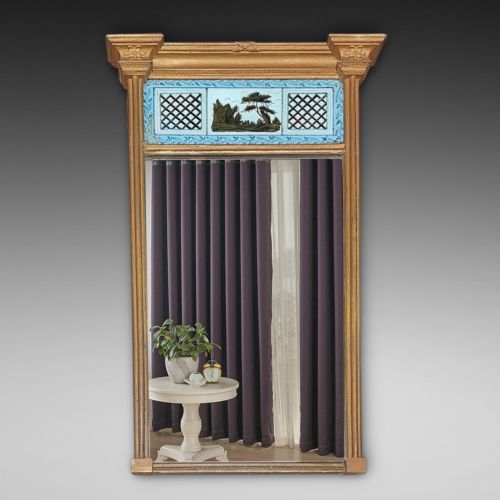
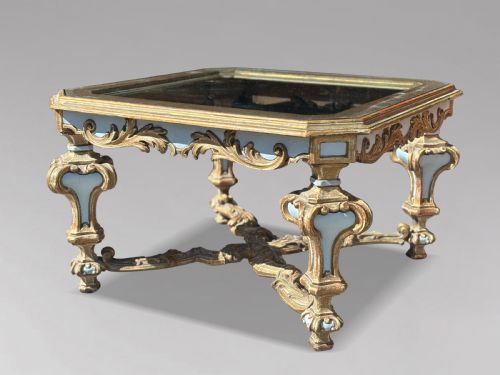
Many items underwent firing processes to bond the metallic decoration to the glass body. Additional framing and mounts on mirrors and clocks incorporate secondary materials such as giltwood, gilt bronze, and painted timber.
Gilded Blue Glass Retail Price Guide 2026
Typical asking prices for gilded blue glass among the pieces listed under this phrase on Sellingantiques today, from the lower quarter to the upper quarter. They describe what is for sale here now, not the wider market.
A boutique shoe shop once utilised a bright blue glass and gold sign to catch the eye of Edwardian passersby.
What varies in quality
The fineness of the hand-painted gilding separates standard production from superior examples, with master decorators achieving intricate, durable patterns rather than flat, faded applications. The clarity and weight of the underlying blue glass also dictate the standard of the piece.
Design complexity marks the division between basic utility items and luxury display objects. Elaborate enamel work, multi-tier decanter rings, and specialised export commissions reflect greater artisan skill during manufacturing.
Fritz Heckert·Moser
The Gilded Blue Glass Glossary
- Bristol blue
- A deep cobalt glass associated with West Country glasshouses in England, frequently utilised for spirit decanters and tableware during the Georgian and Victorian periods.
- Verre eglomise
- A cold decoration technique where gold or silver leaf is applied to the reverse side of a glass panel, then etched and painted to create a reflective picture or mirror frame.
- Mell decanter
- A specific nineteenth-century bottle shape with a wide, heavy base and a tapered neck, designed for storing spirits safely aboard ships or in cellarets.
- Comport
- A decorative pedestal dish or bowl elevated on a foot, used historically for serving fruit or sweets on a dining table.
- Ormolu
- Gilded bronze mounts and decorative details cast and chased to adorn nineteenth-century clocks, mirrors, and furniture stands.
Gilded Blue Glass: Frequently Asked Questions
How do I clean gilded blue glass?
Wash pieces gently in lukewarm water with mild soap using a soft cloth, avoiding abrasive sponges or harsh chemical solutions that can damage the delicate gold leaf and enamel surface.
Dry the vessel immediately with a lint-free towel to prevent water spots from forming on the glass and metallic decorations.
Were these decanters meant for daily use?
Georgian and Victorian blue glass decanters served a practical purpose on dining tables and in cellarets for holding rum, wine, and whiskey.
Over time, many transitioned into purely decorative display items due to the fragile nature of their hand-gilded surfaces.
How can I tell Georgian from Victorian pieces?
Georgian examples often feature simpler, heavier silhouettes like club or ring decanters with restrained gold lettering identifying specific spirits.
Victorian and later nineteenth-century pieces frequently display heavier ornamentation, including elaborate polychrome enamelling and association with Bohemian export styles.
What caused the gold to wear off?
Frequent handling during service, aggressive washing over generations, and natural friction inside display cabinets gradually wear away hand-applied gold leaf and enamel.
Partial rubbing of the gilding remains common on functional items that saw active use in nineteenth-century homes.