




Gilded Bedside Lamps
Gilded bedside lamps bring warmth and metallic sheen to a room, drawing on centuries of European and Asian decorative traditions.
Gilded Bedside Lamps
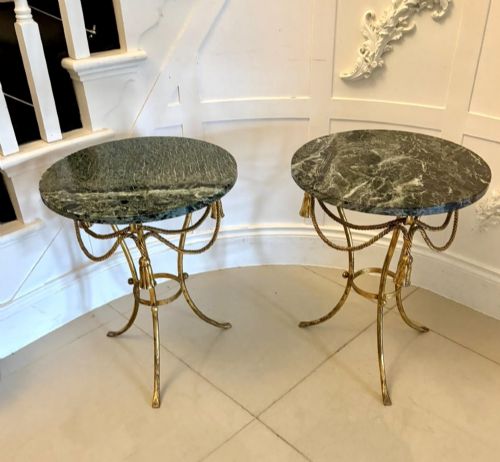
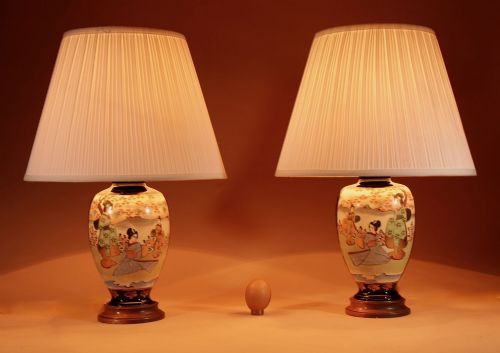
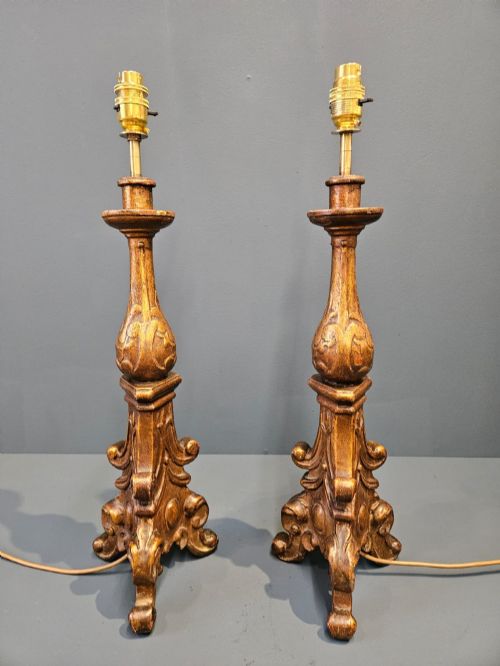
Gilded bedside lamps draw on diverse global traditions, ranging from European classical styling to Japanese Satsuma and Kutani ceramics fitted for illumination. You will frequently encounter pairs dating from the nineteenth century onward, often adapted from earlier vases, candlesticks, or carved wooden forms.
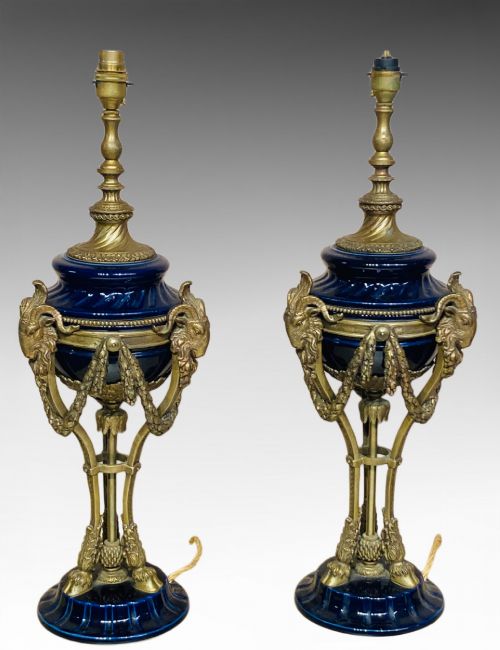
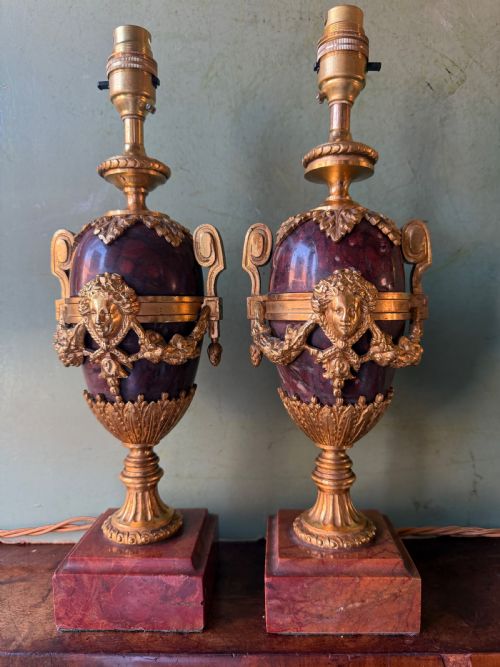
The selection includes French ormolu-mounted marble, Italian carved giltwood, and lacquered finishes that bring a distinct historical presence to a domestic interior. Many pieces combine gilt bronze or brass with contrasting materials like cobalt blue glass, porcelain, and rouge marble.
Materials and construction
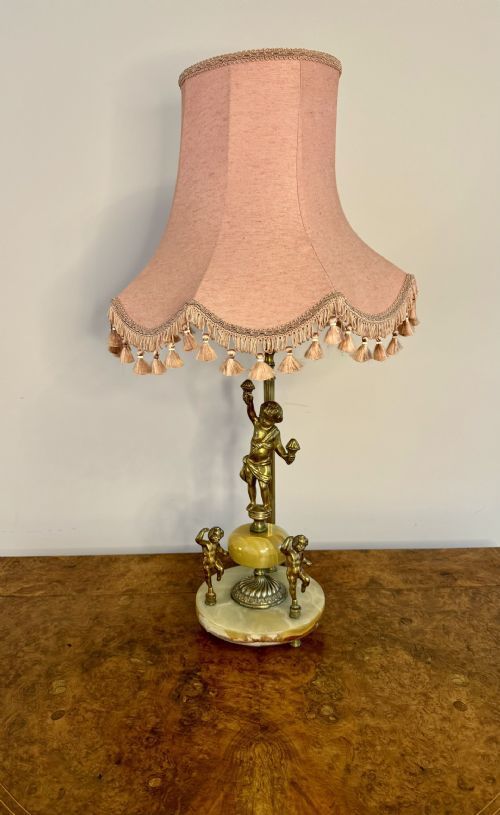
Makers utilised cast bronze, brass, and carved wood as foundations for gold leaf application or ormolu mercury gilding, creating durable metallic surfaces. Structural elements frequently incorporate natural stones such as marble and onyx to provide sturdy bases for taller lighting fixtures.
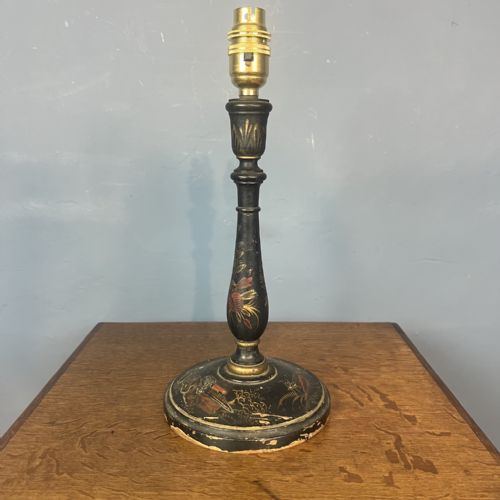
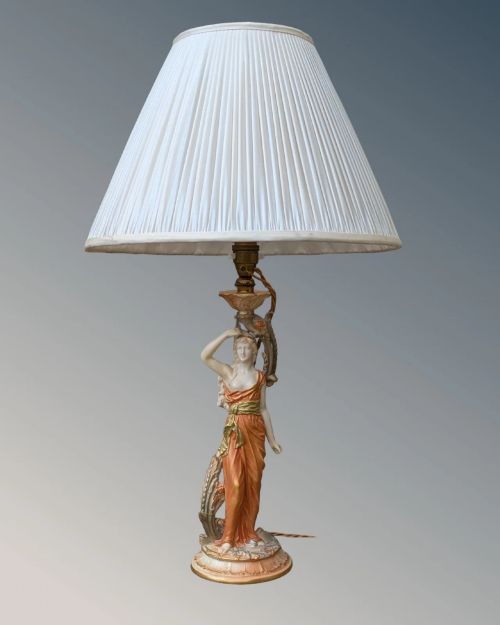
Ceramic bodies from Japanese kilns and European porcelain factories were routinely drilled and fitted with metal mounts, combining imported pottery with domestic metalwork. Lacquered and painted finishes on wood or metal added layers of colour and intricate detail, particularly in Chinoiserie and Japanese Meiji pieces.
Listings feature periods spanning from the 18th century through to the 1940s, alongside styles like Louis XVI Revival and Chinoiserie.
Evaluating the work
The precision of the metal chasing and the depth of the original gilding distinguish finer examples from standard production pieces. Crisp details in cast ormolu and delicately carved giltwood demonstrate superior craftsmanship compared to softer, more uniform modern castings.
Integration between the primary lamp body and its mounts reveals the maker's skill, particularly in converted items like antique vases or candlesticks. High-grade materials such as heavy rouge marble or genuine porcelain retain their structural integrity and surface lustre far better over time.
The Gilded Bedside Lamps Glossary
- Ormolu
- Gilt bronze produced by applying a finely ground high-carat gold-mercury amalgam to a bronze object before heating. This French technique imparts a distinctive warm, metallic glow.
- Giltwood
- Timber, commonly carved pine or gesso-coated wood, treated with gold leaf or metallic powder. It provides lightweight architectural detail for decorative lighting.
- Chinoiserie
- European decorative style reflecting Chinese artistic influences, popular in lacquerwork and painted furniture. It often incorporates asymmetric motifs and fantastical landscapes.
- Satsuma
- Japanese earthenware pottery featuring a crackle-glaze finish and detailed polychrome enamel painting. These vessels are frequently converted into distinctive table lamps.
- Spelter
- An alloy of zinc and lead used as a cost-effective substitute for bronze in decorative metalwork. It accepts metallic paint or electroplating to simulate genuine bronze.
Gilded Bedside Lamps: Frequently Asked Questions
How do I style these lamps?
These lamps suit traditional and eclectic interiors alike, providing functional light alongside a strong decorative statement. Pair them with simple fabric shades to balance the ornate metallic bases.
Position them on bedside tables or side cabinets where their reflective surfaces can catch natural light during the day. Ensure the scale of the lamp complements the proportions of the surrounding furniture.
Are these original conversions?
Many antique lighting pieces started life as vases, ewers, or candlesticks before receiving electrical wiring in later decades. This adaptation was common practice for preserving decorative objects while making them useful.
Examining the base and internal fittings reveals how the conversion was achieved without compromising the antique components. Retaining original ceramic or metal bodies ensures historical authenticity.
How do I clean gilded surfaces?
Dust gilded wood and metal gently with a soft, dry brush to prevent accumulation without disturbing the delicate finish. Avoid using abrasive cloths, chemical solvents, or water, which can strip gold leaf or damage ormolu.
Marble and glass sections tolerate gentle wiping with a damp cloth if dried immediately afterwards. Careful handling preserves the historical patina.
How do I identify the period?
Dating relies on stylistic clues, such as the neoclassical motifs of Louis XVI revival pieces or the organic asymmetry of Art Nouveau designs. Examining the casting quality, fastening screws, and mounting techniques offers further chronological context.
Materials like nineteenth-century ormolu or early twentieth-century lacquered wood display specific manufacturing traits unique to their era of production.