


Gilded Accent Lighting
These gilded accent lighting pieces combine metallic warmth with period forms to illuminate interiors with distinct character.
Gilded Accent Lighting
When you search for gilded accent lighting, you encounter table lamps created to provide atmospheric illumination rather than primary room light. These fixtures range from nineteenth-century European creations to early twentieth-century decorative pieces.
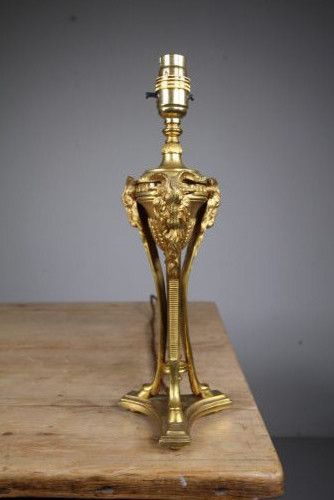
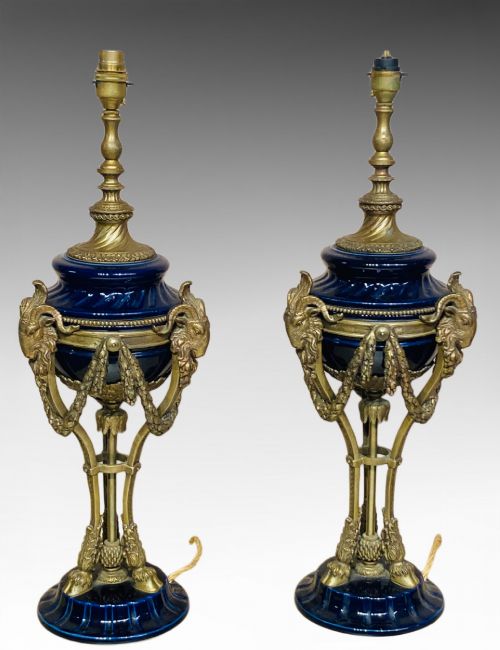
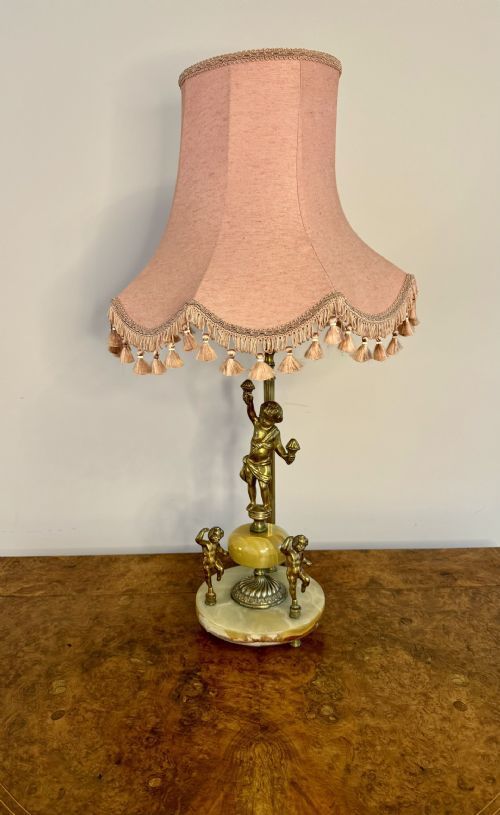
The most common form on this page is the table lamp, frequently styled with ormolu, gilt bronze, or carved giltwood. Many examples incorporate fabric shades or display figural elements such as cherubs and rams' heads.
Origins span English, French, Italian, Spanish, and Japanese workshops, reflecting diverse regional interpretations of classical and revival styles. Pieces frequently draw upon Neoclassical, Louis XVI, Empire, and Chinoiserie aesthetics.
How they were made
Maker's workshops utilised cast metals such as ormolu and gilt bronze, applying gold leaf to brass and carved wood bases. Skilled artisans combined patinated bronze with fire-gilt mounts to achieve contrasting metallic textures.
Construction methods involved carving timber bases by hand and assembling cast metal components with threaded rods and fixings. Ceramic elements, including Satsuma earthenware and French porcelain, were frequently integrated into the metallic framework.
Listings feature table lamps spanning the eighteenth, nineteenth, and early twentieth centuries, incorporating materials such as ormolu, giltwood, fabric, and earthenware.
What varies in quality
Quality depends upon the crispness of the metal chasing and the depth of the original gilding on bronze and wood surfaces. Superior pieces exhibit precise detailing in cast motifs such as acanthus leaves, cherubs, and classical drapery.
The integration of materials determines the overall success of the piece, with finer examples maintaining proportion between ceramic bodies, stone mounts, and metallic bases. Original surface patination and untouched finishes carry greater distinction than later interventions.
The Gilded Accent Lighting Glossary
- Ormolu
- Gilded bronze produced by applying a mercury and gold amalgam to a bronze object before heating. This technique creates a durable golden finish characteristic of French decorative metalwork.
- Giltwood
- Timber that has been coated in a thin layer of gold leaf or powder over a prepared gesso ground. It appears frequently on carved Italian and French lamp bases.
- Satsuma
- Japanese earthenware pottery decorated with intricate enamel patterns and gilt highlights over a crackle-glaze ceramic body. These vessels were frequently converted into table lamps for Western markets.
- Neoclassical
- A decorative style inspired by the art and architecture of classical Greece and Rome, prominent during the eighteenth and nineteenth centuries. It relies on symmetry, columns, and restrained ornamentation.
- Chinoiserie
- European artistic style that reflects Chinese decorative motifs, often featuring lacquerwork and scenic imagery. This aesthetic influenced various table lamp designs across different periods.
Gilded Accent Lighting: Frequently Asked Questions
What is gilded accent lighting?
These pieces are decorative table lamps incorporating gold leaf, ormolu, or gilt bronze mounts designed to add warm illumination to a room.
They function primarily as decorative objects that introduce metallic lustre and historic style to interior spaces.
How do I identify the period?
Dating relies on stylistic clues such as revival motifs, casting techniques, and the integration of materials like porcelain or earthenware.
Examining the construction methods and the wear on the gilding helps determine whether a piece originates from the nineteenth or early twentieth century.
Where were these lamps made?
Originating workshops span across France, England, Italy, Spain, and Japan, each bringing distinct regional aesthetics to the designs.
French pieces often favour ormolu and classical revival themes, whereas Japanese examples utilise Satsuma earthenware within gilded mountings.
How should I live with them?
These lamps suit side tables, desks, or console tables where their metallic surfaces can catch and reflect ambient light.
Pairing them with appropriate fabric shades preserves their character while providing soft, functional illumination.