




Gilded Base Wood Carving
These gilded base wood carving pieces bring sculptural presence and historic craft to a room, offering rich metallic surfaces over carved timber forms.
Gilded Base Wood Carving
A gilded base wood carving combines carved timber with applied gold leaf, gesso, or giltwood finishes to create decorative supports and functional objects. When you search for gilded base wood carving, you encounter items spanning the seventeenth through the early twentieth centuries, reflecting diverse European traditions.
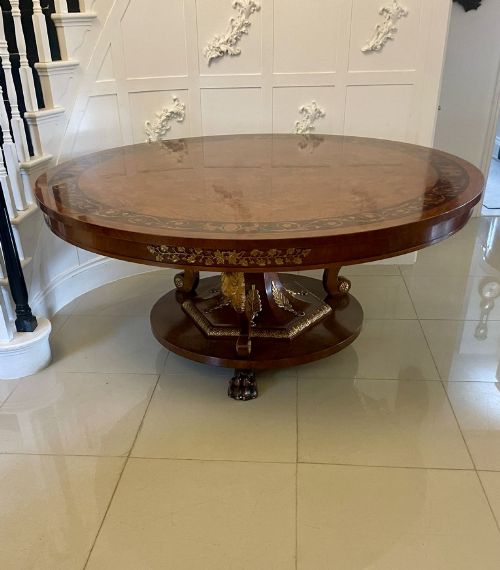
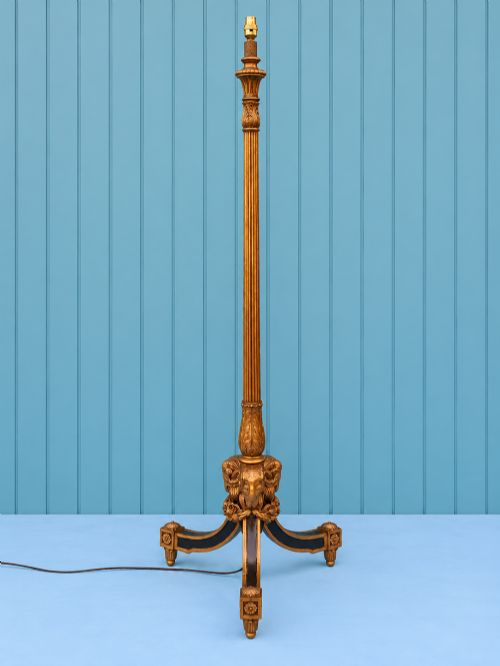
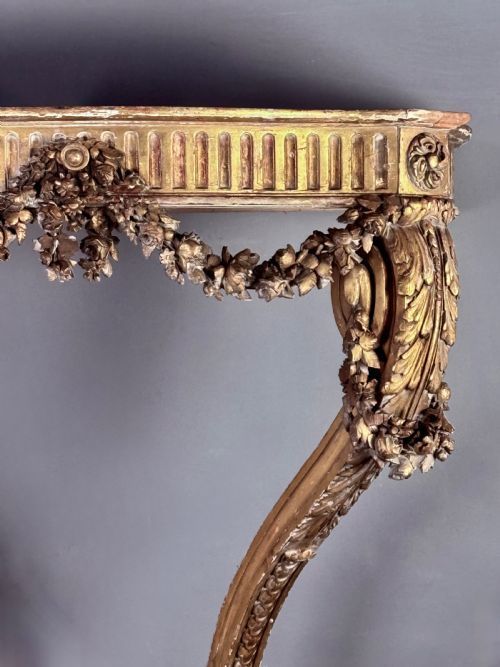
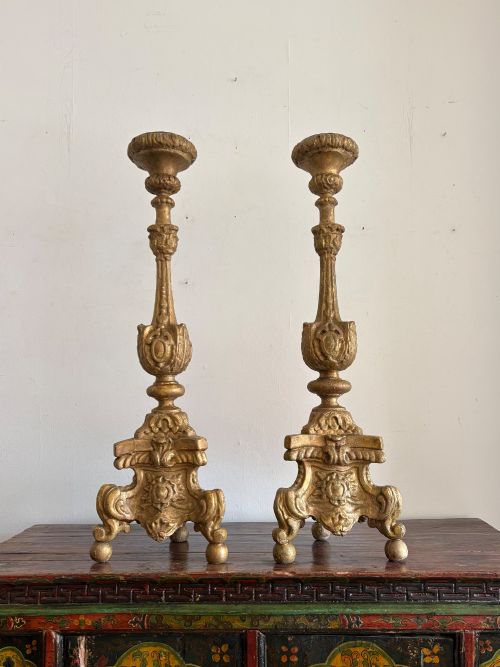
The selection here encompasses practical furnishings and ecclesiastical items such as console tables, standard lamps, candlesticks, and table bases. Many pieces emerge from Italian, French, and German workshops, showcasing regional interpretations of Baroque, Neoclassical, and Victorian design.
How They Were Made
Artisans typically carved structural elements from domestic timbers like lime wood, walnut, or general hardwoods before applying fine layers of gesso to smooth the surface. This preparation provided a receptive ground for laying gold leaf by hand.
Makers finished the metallic surfaces with burnishing techniques to achieve contrasting matte and polished areas, enhancing the visual depth of the carved motifs under changing light.
Gilded Base Wood Carving Retail Price Guide 2026
Typical asking prices for gilded base wood carving among the pieces listed under this phrase on Sellingantiques today, from the lower quarter to the upper quarter. They describe what is for sale here now, not the wider market.
Listings feature items spanning the seventeenth to the twentieth century, incorporating materials such as lime wood, marble, brass, and velvet alongside giltwood.
What Varies in Quality
The refinement of the underlying wood carving dictates the primary distinction between standard production and exceptional work, visible in the crispness of acanthus leaves, scrollwork, and figurative details. Master carvers achieved anatomical and botanical precision that lesser hands missed.
The integrity and depth of the gilt layer further separate examples, with superior items retaining original gold leaf and gesso layers that show harmonious ageing rather than flat, modern repainting.
Felix Alfred Ternisien
The Gilded Base Wood Carving Glossary
- Giltwood
- Timber that has been coated with gold leaf or gold paint. It provides a luminous metallic surface widely used in high-status European furniture.
- Gesso
- A plaster-like mixture applied to wood surfaces as a smooth base for gilding and painting. It creates a solid foundation that holds intricate relief work.
- Pricket Stick
- An altar candlestick featuring an upward-pointing metal spike designed to secure a candle. These functional ecclesiastical objects often double as decorative lamp bases today.
- Curule Stool
- An ancient form of seating featuring X-shaped legs. Neoclassical examples often combine this classical silhouette with carved and gilded wood finishes.
- Papillero Vargueno
- A traditional Spanish cabinet form featuring a drop front and numerous small drawers, frequently supported on an elaborate stand.
Gilded Base Wood Carving: Frequently Asked Questions
What is a gilded base wood carving?
These items are sculptural and functional objects made from timber that has been shaped through hand carving and finished with gold leaf or gesso.
They include table bases, console furniture, candlesticks, and lamps originating from various European decorative periods.
How do I care for giltwood?
Giltwood requires gentle maintenance to protect the delicate metallic leaf and underlying gesso from moisture and abrasive cleaning.
Dusting lightly with a soft, dry brush preserves the original surface without disturbing the historic finish.
Where were these pieces made?
The listings show items originating primarily from European workshops, with strong representation from Italian, French, and German centres of craftsmanship.
Regional styles range from ornate Baroque altar pieces to restrained Neoclassical furnishings.
How do I date a carved wooden base?
Dating relies on stylistic clues, tool marks left by the maker, and the specific composition of the gesso and wood materials.
Comparing the decorative vocabulary to known period designs helps place an item within centuries such as the seventeenth, eighteenth, or nineteenth.