




Carved Wood Devotional Statue
A carved wood devotional statue brings centuries of private worship into a room, offering tactile connection through enduring timber forms.
Carved Wood Devotional Statue
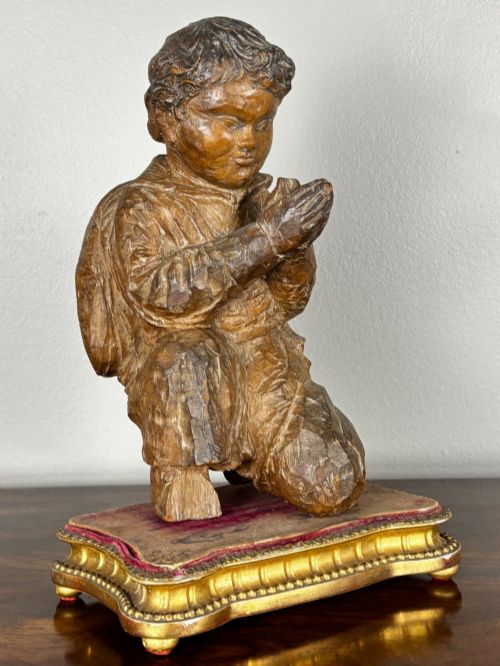
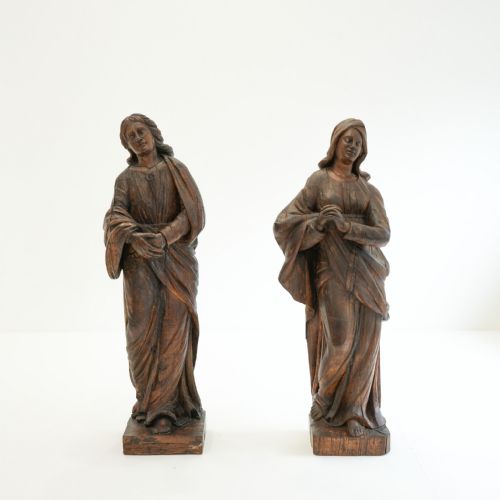
A carved wood devotional statue represents saints, holy figures, and sacred narratives intended for domestic shrines and private contemplation. These pieces range from medieval oak fragments to exuberant Baroque figures fashioned across European workshops.
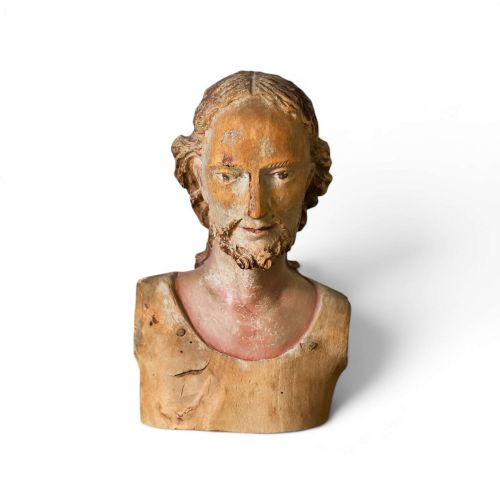
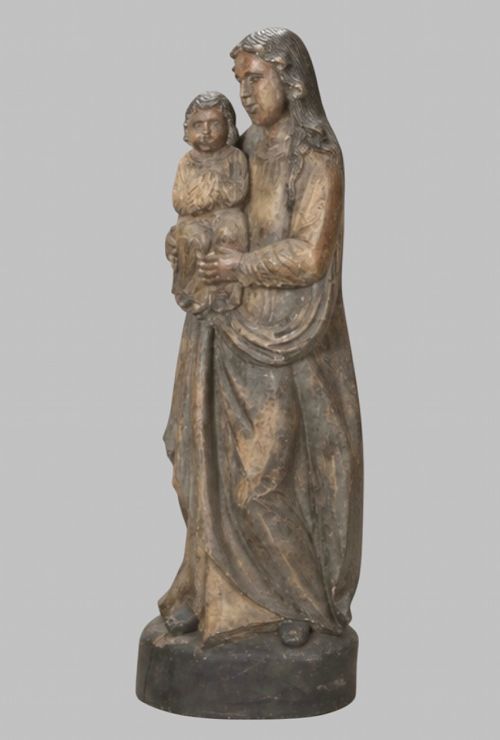
The most frequent examples encountered on this page date from the eighteenth and nineteenth centuries, often showing regional European folk traditions. Buyers will regularly find representations of the Madonna and Child, processional Santos figures, and depictions of Christ.
Forms vary from intimate busts and home altars to full-height statues intended for domestic niches. Each object reflects the specific religious devotion and vernacular style of its origin, spanning Italian, Spanish, and German traditions.
Judging Quality and Execution
Quality rests in the anatomical understanding and fluidity of the carver's chisel work, separating stiff vernacular pieces from masterworks. The handling of drapery folds and the expressive depth of the face reveal the artisan's skill.
The survival of original surface treatments, such as polychrome paint and gesso, dictates the visual integrity of the piece. Retained traces of early gilding and pigment hold greater historical weight than later overpainting.
Carved Wood Devotional Statue Retail Price Guide 2026
Typical asking prices for carved wood devotional statue among the pieces listed under this phrase on Sellingantiques today, from the lower quarter to the upper quarter. They describe what is for sale here now, not the wider market.
Several figures retain inquisitive glass eyes that follow you across the room with unsettling divine watchfulness.
The Carved Wood Devotional Statue Glossary
- Polychrome
- Decoration applied in multiple colours to the surface of wood sculpture. This technique brought realism and symbolic resonance to religious figures.
- Gesso
- A plaster mixture applied to wood as a smooth preparation layer for paint and gold leaf. It seals the timber grain and accepts fine detail.
- Santos
- A carved figure representing a saint or holy person used in Hispanic religious traditions. These often served in domestic shrines or processional displays.
- Home Altar
- A small architectural structure or cabinet housing sacred images for private prayer. They concentrate devotional focus within a domestic interior.
- Corpus Christi
- A sculptural representation of the body of Jesus Christ on the cross. These figures emphasise anatomical suffering and spiritual devotion.
Carved Wood Devotional Statue: Frequently Asked Questions
Where were these statues originally displayed?
These statues found homes in domestic shrines, private chapels, and local parish churches across Europe. They served as focal points for daily prayer and contemplation within family spaces.
Larger figures participated in religious processions or occupied prominent niches within home altars, connecting the domestic sphere directly to wider ecclesiastical traditions.
How should I care for a wooden statue?
Keep wooden devotional sculptures away from direct sunlight and sudden temperature shifts to prevent timber splitting. Stable indoor humidity preserves both the carved wood and fragile gesso layers.
Dust the surface gently with a dry, soft brush rather than using wet cloths or polishes. Protecting the original finish maintains the historical integrity of the piece.
What distinguishes Spanish Baroque from German Baroque figures?
Spanish Baroque sculptures often display intense emotional drama, heightened by rich polychrome paint and realistic glass eyes. They prioritize visceral spiritual impact and fervent devotion.
German Baroque carvers tended to focus on intricate wood articulation, fluid drapery movement, and the natural grain of lindenwood or lime wood. Their work emphasises sculptural line and harmonious form.
How can I identify a processional figure?
Processional figures, often referred to as Santos, frequently feature lightweight construction for ease of movement during religious festivals. They sometimes retain sockets for interchangeable hands or textile clothing.
Their stances and wear patterns often indicate handling during outdoor or church processions rather than stationary placement inside a permanent architectural niche.