



German Carved Wood Figure
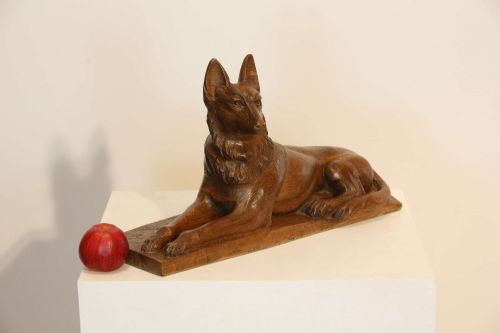
A german carved wood figure brings centuries of European artistry into a room, offering tactile presence through historic craftsmanship.
German Carved Wood Figure
A german carved wood figure encompasses religious sculptures, secular figures, and folkloric carvings produced across several centuries in Central Europe. The pieces available span from pre-sixteenth century Gothic works and seventeenth-century Baroque saints to eighteenth-century devotional carvings and nineteenth-century Black Forest folk art.
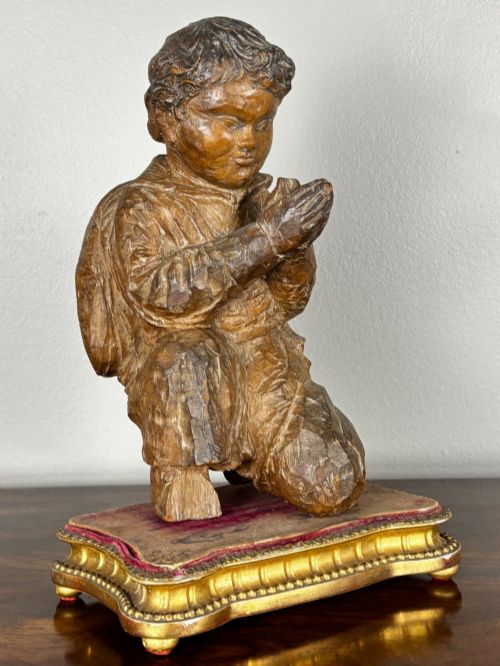
Buyers will encounter diverse forms including praying figures, religious icons such as Saint Barbara and Saint Nepomuk, artists' sculptors models, peasant couples, and functional nutcrackers. These objects reflect both the pious traditions of church workshops and the regional secular carving traditions of areas like the Black Forest.
Originating predominantly from southern German workshops and broader Germanic regions, these sculptures showcase distinct regional aesthetics. From the dramatic drapery of Baroque figures to the rustic charm of folk art, each german carved wood figure bears the sculptural conventions of its specific era.
Assessing quality and execution
Original surface preservation heavily dictates the integrity of a piece. Examples retaining their historic polychrome paint, gesso layers, or gilding demonstrate greater survival of their original artistic intent compared to stripped or heavily repainted surfaces.
German Carved Wood Figure Retail Price Guide 2026
Typical asking prices for german carved wood figure among the pieces listed under this phrase on Sellingantiques today, from the lower quarter to the upper quarter. They describe what is for sale here now, not the wider market.
The Pied Piper of Hamelin stands immortalised in carved oak, forever leading away an invisible procession.
Simon Troger·Franz Keller
The German Carved Wood Figure Glossary
- Polychrome
- Painted in several colours. This term describes historic sculptures decorated with pigmented finishes over gesso.
- Giltwood
- Wood that has been covered with gold leaf or a thin layer of gold. It creates a luminous, reflective surface often seen on religious altarpiece figures.
- Lindenwood
- A pale timber with a fine, even grain favoured by German carvers. It allows for microscopic detail in figurative sculpture.
- Gesso
- A plaster mixture used as a smooth base for paint or gold leaf. It was applied directly to the carved wooden surface before decoration.
- Baroque
- An ornate artistic style from the seventeenth and eighteenth centuries. It is characterised by dynamic movement and dramatic emotional intensity in sculpture.
German Carved Wood Figure: Frequently Asked Questions
How do I date a wooden figure?
Dating relies on stylistic clues such as the cut of the garments, the posture, and the artistic conventions of periods like the Baroque or Gothic eras. Tool marks and the ageing process of the timber also provide chronological context.
Examining the preparation layers, such as gesso and original paint pigments, helps confirm the historic period of manufacture.
Where were these figures displayed?
Earlier religious figures were primarily created for domestic shrines, private chapels, or larger ecclesiastical settings as objects of devotion. Secular and folk art pieces later found homes in domestic interiors as decorative displays or functional items.
Their placement depended entirely on their original function, shifting from sacred spaces to collector cabinets and living rooms over time.
How should I care for antique wood?
Antique wooden sculptures require stable environmental conditions away from direct sunlight and dramatic humidity fluctuations. Excessive dryness can cause timber to split, while moisture damages historic surface treatments.
Dusting should be performed gently with a soft, dry brush without applying commercial polishes or cleaning agents that might harm delicate gesso or paint.
What is Black Forest carving?
Black Forest carving refers to a distinct style of nineteenth-century wood sculpture originating from the Brienz region and southwestern Germany. These pieces often depict animals, forest motifs, and rustic human figures with deep realism.
The style gained immense popularity during the Victorian era as decorative souvenirs and finely worked household objects.