



Late 18th Century Statue
A late 18th century statue brings carved wood, gilt bronze, and polychrome detail into a room, offering tactile historical presence.
Late 18th Century Statue
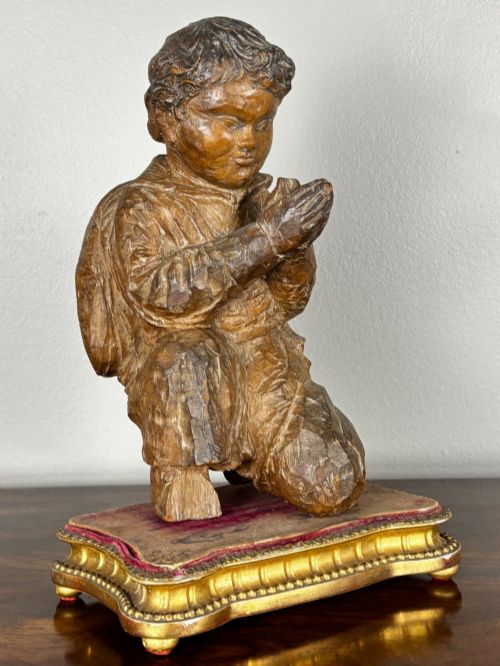
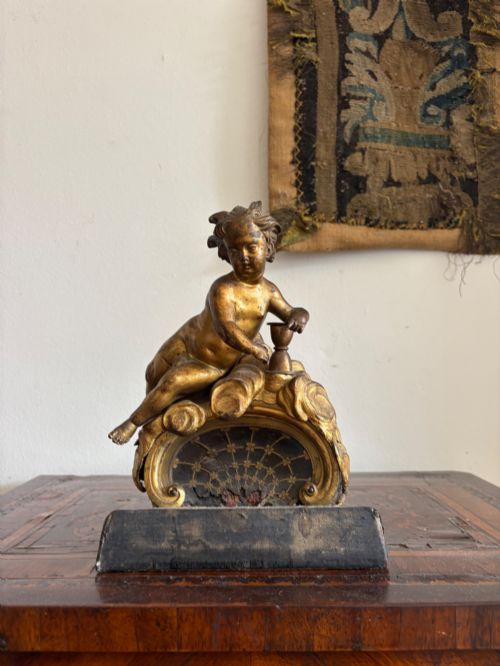
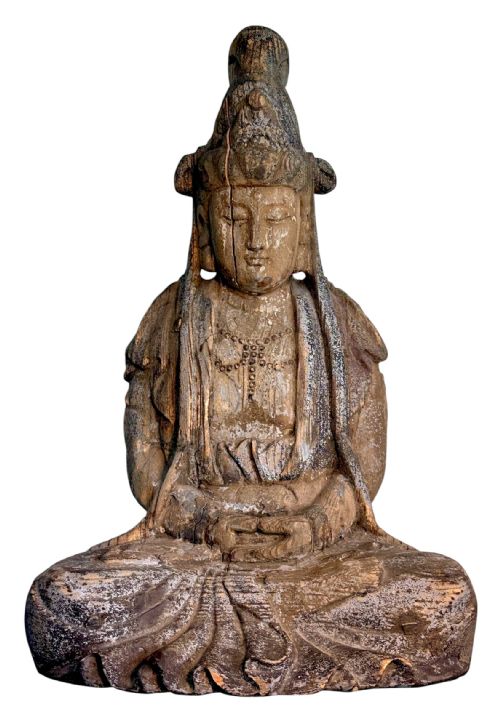
A late 18th century statue encompasses carved wooden figures, gilt bronze ornaments, and sculptural carvings spanning European and Asian workshops. Buyers searching this phrase encounter German limewood praying figures, French ormolu putto mounts, Italian gilt-wood swans, and Chinese carved wood figures.
The selection on this page leans heavily toward devotional and decorative wooden carving alongside metalwork ornaments. Forms range from cherubs and deities to botanical mounts and animal figures, reflecting diverse regional sculpture traditions from the late 1700s.
Materials vary from unpainted limewood and polychromed timber to gleaming gilt bronze and applied gold leaf over gesso. Each piece carries the distinct chisel marks or casting textures of its period.
How they were made
Carvers shaped these sculptures from dense timbers like limewood, employing sharp gouges and chisels to define flowing drapery and facial expressions. Surfaces often received a preparatory layer of gesso before accepting gold leaf, polychrome paint, or fine gilding.
Metal components such as ormolu mounts utilised lost-wax bronze casting methods. Artisans then chased the cooled metal surfaces by hand to sharpen the intricate details of hair, wings, and ornamentation.
Late 18th Century Statue Retail Price Guide 2026
Typical asking prices for late 18th century statue among the pieces listed under this phrase on Sellingantiques today, from the lower quarter to the upper quarter. They describe what is for sale here now, not the wider market.
Listings feature works in wood, gold leaf, gesso, limewood, velvet, gilded wood, gilt bronze, and ormolu.
What varies in quality
The mastery of the carver dictates the sculptural success of wooden examples, visible in the natural drape of fabric and the anatomical confidence of hands and faces. Crisp tool work separates exceptional carving from softer, less articulated production.
Surface finish determines the visual impact of gilt and polychrome items. Intact original gold leaf and restrained pigment retention hold greater aesthetic integrity than heavy, later repainting.
The Late 18th Century Statue Glossary
- Ormolu
- Gilded bronze, particularly popular for decorative mounts and architectural ornaments during the eighteenth century. The technique involves applying a mercury and gold amalgam to bronze before heating.
- Gesso
- A plaster mixture applied to wood surfaces as a smooth base for gilding and painting. It creates a crisp ground that holds fine decorative details.
- Limewood
- A fine-grained, pale wood favoured by European carvers for intricate and detailed sculptural work. Its even texture allows deep undercutting without splintering.
- Putto
- A plump, often winged male infant figure common in classical and baroque art. These motifs frequently appeared on furniture mounts and decorative architectural carvings.
- Polychromed
- Decorated in several colours. This term describes wooden sculptures painted directly on the timber or over a prepared gesso ground.
Late 18th Century Statue: Frequently Asked Questions
What materials make up a late 18th century statue?
These sculptures utilise carved woods such as limewood alongside applied finishes like gold leaf, gesso, and polychrome paint. Metal examples feature gilt bronze and ormolu.
Material choice often reflects the regional workshop origin, separating European devotional limewood figures from French bronze mounts.
Where were these statues originally placed?
Devotional figures stood in private chapels or churches, while decorative carvings and bronze mounts adorned grand furniture and architectural interiors.
Some items functioned as furniture finials or ornamental accents rather than freestanding gallery sculptures.
How do I care for a wooden antique statue?
Keep wooden and gilded sculptures away from direct sunlight, dampness, and sudden temperature shifts. Stable indoor humidity prevents timber from splitting.
Dust gently with a soft, dry brush without applying modern polishes or chemical cleaners to the aged surfaces.
How can I tell the period of a carved figure?
Examine the tool marks left by the carver, the wear patterns on the gilding, and the characteristic style of the carving. Late eighteenth-century work often displays specific baroque or neoclassical design traits.
Comparing the timber shrinkage and surface oxidation helps confirm the age of the material.