




Antique Limewood Statue
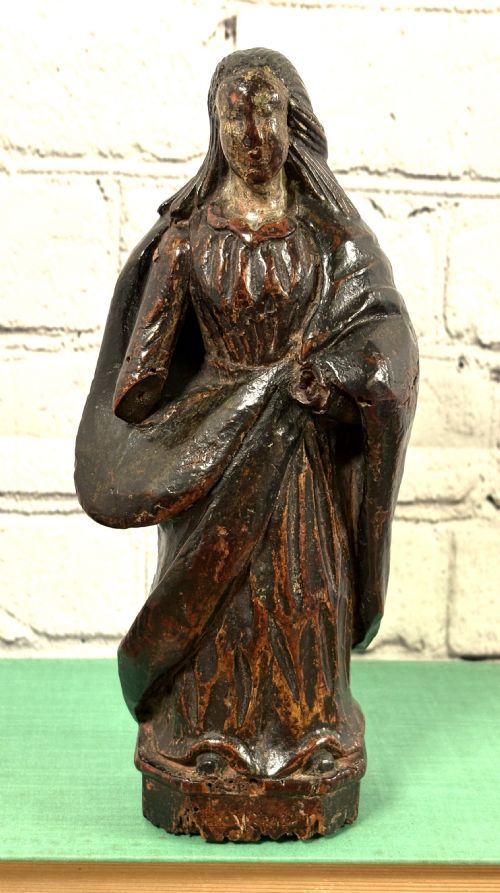
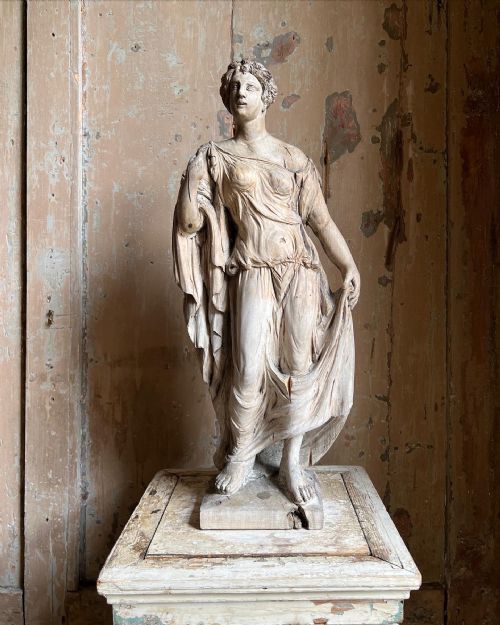
An antique limewood statue brings tactile warmth and intricate hand-carved detail into a room, offering centuries of sculptural craft.
Antique Limewood Statue
An antique limewood statue represents a tradition of intricate wood carving spanning from the sixteenth century through to the early twentieth century. When searching for an antique limewood statue, buyers encounter sacred figures, mythological subjects, and folk art carvings.
The selection ranges from sixteenth-century continental saints and seventeenth-century Baroque devotional figures to nineteenth-century Black Forest animals and early twentieth-century decorative pieces. German and Swiss workshops predominate across the eras.
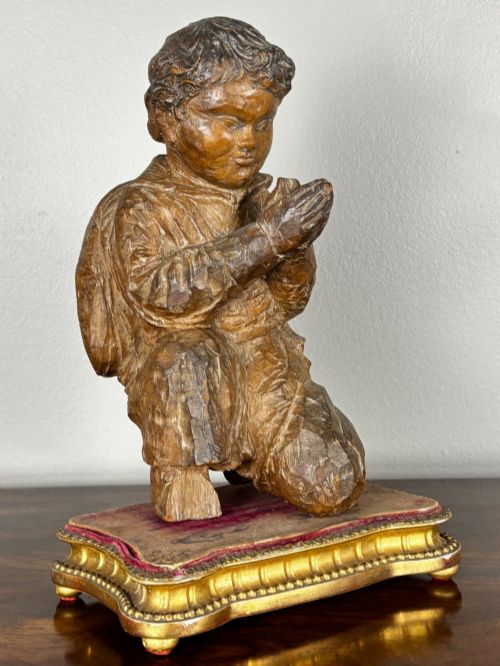
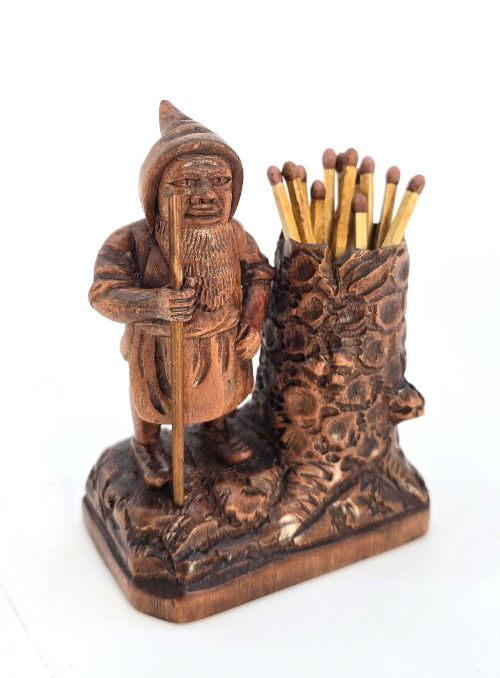
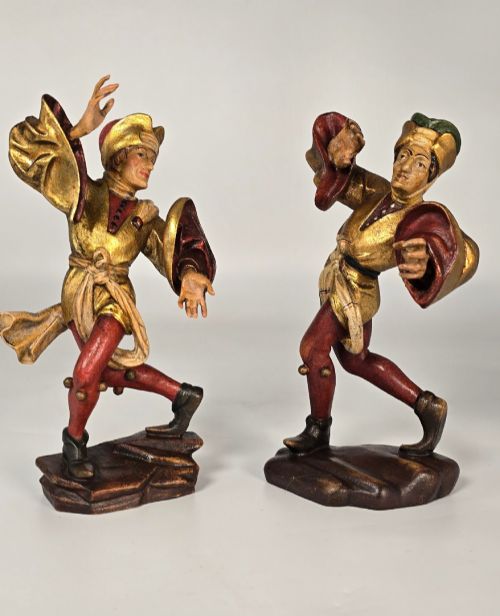
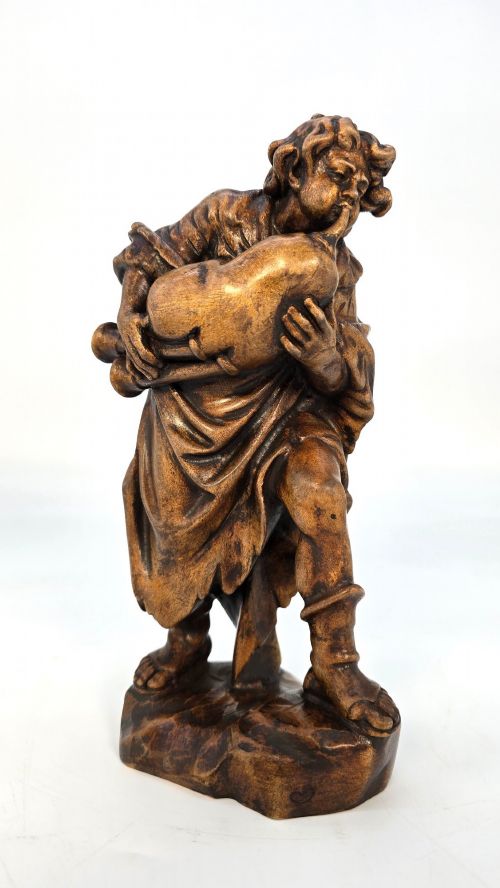
Formats vary widely, moving from devotional praying figures and saints to medieval dancers, musicians, and match holders. Wood, lindenwood, and limewood serve as the primary timber mediums for these sculptures.
How they were made
Many surfaces received applied treatments including gold leaf, gilded wood, velvet mounts, and polychrome paint to enhance the visual depth of the garments and backgrounds. Artisans shaped these sculptures using specialised gouges and chisels directly from seasoned timber blocks.
Antique Limewood Statue Retail Price Guide 2026
Typical asking prices for limewood statue among the pieces listed under this phrase on Sellingantiques today, from the lower quarter to the upper quarter. They describe what is for sale here now, not the wider market.
Among the solemn saints and grand fawns, a gnome match striker waits patiently to light your pipe.
What varies in quality
The definition of the carving work distinguishes simpler folk art from master workshop production, particularly in the rendering of hands, facial expressions, and complex drapery. Deeper undercutting and anatomical precision indicate higher technical skill in the execution.
The preservation of original surface finishes, such as early paint layers or gold leaf, strongly influences the character of each piece. Intact tool marks and stable timber condition without extensive structural replacement retain the authenticity of the object.
Hans Müller
The Antique Limewood Statue Glossary
- Limewood
- A pale timber with a fine, uniform grain favoured by European carvers for intricate detail work. It is also known widely as lindenwood.
- Baroque
- An ornate artistic style from the seventeenth and eighteenth centuries characterised by dynamic movement and dramatic expression. Sculptures from this period feature sweeping drapery and intense emotional poses.
- Black Forest
- A regional style of nineteenth-century wood carving originating from the borderlands of Germany and Switzerland. These pieces often depict local wildlife, figures in traditional costume, or whimsical folk subjects.
- Gilded wood
- Timber coated with a thin layer of gold leaf or metallic powder to create a luminous finish. This technique was frequently applied to religious figures and architectural elements.
- Polychrome
- The practice of painting sculpture in multiple colours to create a lifelike appearance. Surviving pigment adds significant visual and historical depth to older carvings.
Antique Limewood Statue: Frequently Asked Questions
What is limewood?
Limewood is a domestic European hardwood known for its pale colour and very fine, even grain. Its soft yet stable nature makes it the preferred medium for detailed sculptural carving.
Historically, carvers chose this timber because it accepts intricate tool work from any direction without splitting or showing prominent grain patterns.
How do I date a carving?
Dating relies on stylistic clues, costume details, tool marks left on the reverse, and the patina of the wood. Renaissance and Baroque figures display different drapery treatments compared to later nineteenth-century Black Forest pieces.
Examining the base and uncarved rear surfaces often reveals the age of the timber and the manufacturing methods typical of specific centuries.
Where were these figures made?
The majority of these sculptures originate from German, Swiss, and broader continental European workshops. Regional centres developed distinct traditions ranging from sacred church art to secular folk carvings.
South German Baroque and Swiss Black Forest regions produced some of the most recognisable styles found in this category.
How should I clean my statue?
Dusting should be done gently with a dry, soft-bristled brush to remove particles from deep recesses without damaging the wood or fragile surface finishes. Water and chemical cleaning agents must be avoided entirely.
Keeping the sculpture away from direct sunlight and dramatic humidity changes protects the timber from splitting or warping over time.