


Gilded Portrait
A gilded antique portrait brings the presence of earlier centuries into a room through oil paint, pastel, and gold leaf.
Gilded Portrait
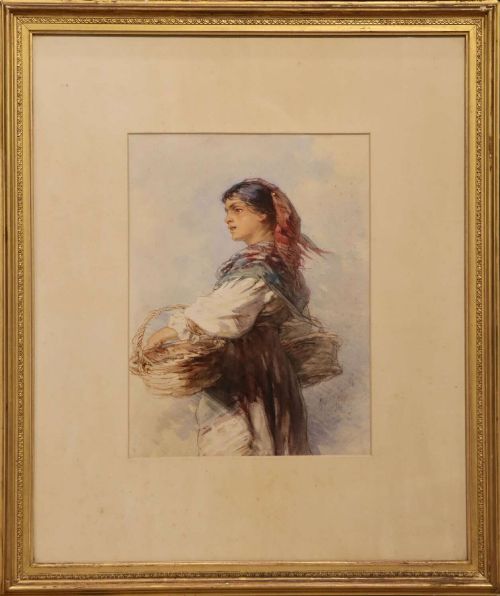
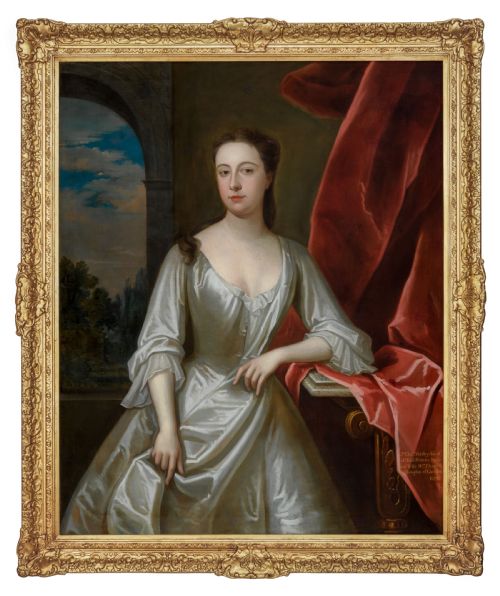
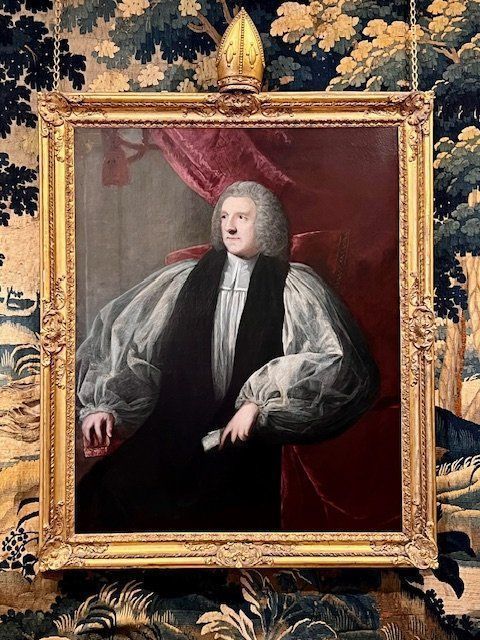
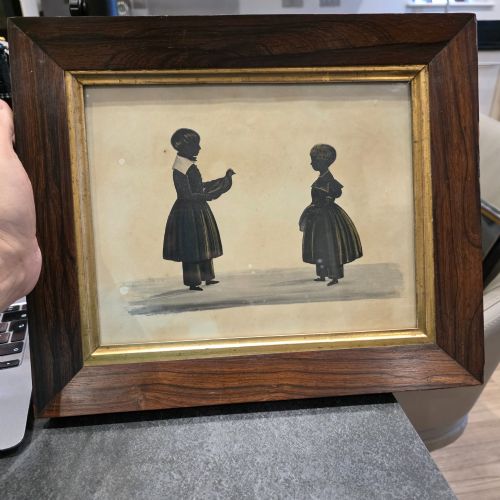
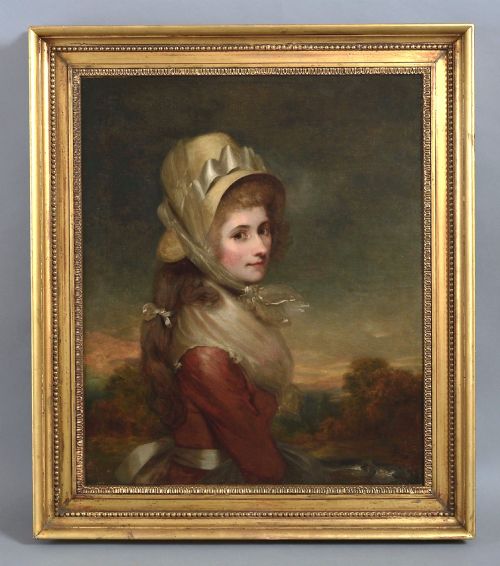
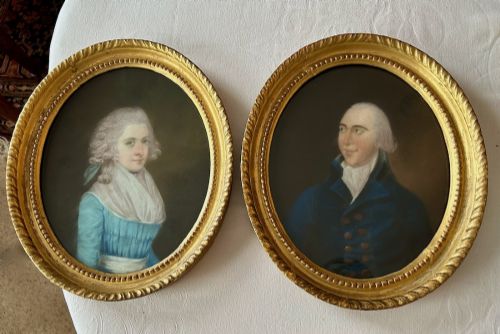
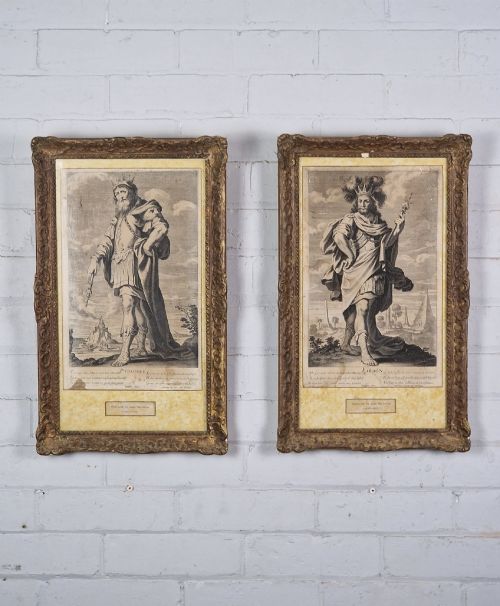
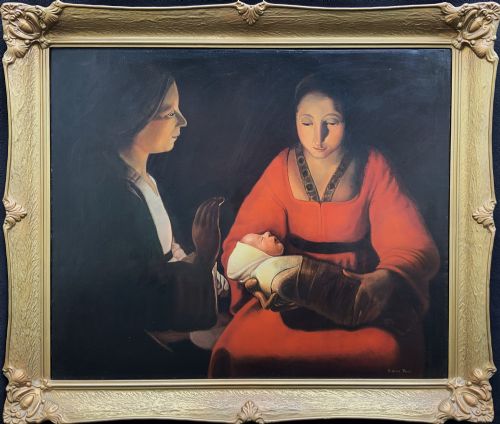
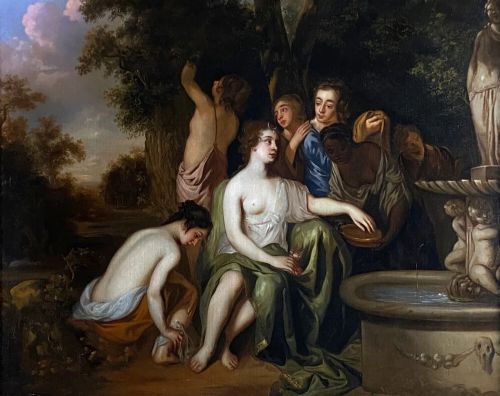
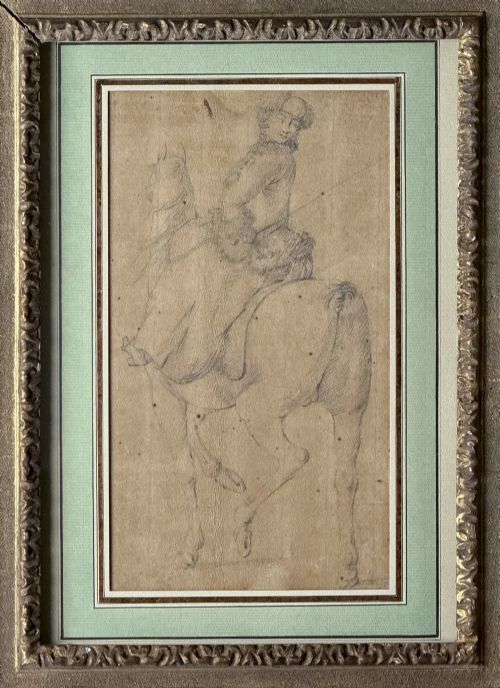
A gilded antique portrait comprises framed paintings, drawings, and silhouettes originating from the seventeenth century through to the mid-twentieth century. These works depict notable figures, nobility, and everyday subjects captured in oil on canvas, pastel on paper, or silhouette profiles. The examples found here span diverse periods including the Georgian, Regency, and Victorian eras, often retained within their original or period-appropriate frames.
Oil paintings on canvas and panel form the core of what collectors encounter, alongside works on paper and framed prints. Subjects range from formal aristocratic commissions by known studios to anonymous studies of country girls and children. The framing typically incorporates gold leaf and carved wood, which completes the visual weight of the historical artwork.
Quality Variations
The sophistication of the brushwork and the anatomical accuracy of the sitter define the upper tiers of portraiture, where master painters captured texture in textiles and psychological depth in expression. Lesser examples rely on formulaic studio production or later derivative copies after established masters.
The integrity and originality of the frame heavily influence the standing of a piece, particularly when gold leaf mouldings remain undisturbed by later overpainting. Contemporary framing detracts from the historical cohesion, whereas period-matched giltwood enhances the authenticity of the artwork.
Listings feature oil on canvas, pastel, and paper works spanning the seventeenth through the twentieth centuries.
Sir Godfrey Kneller·Sir Joshua Reynolds·Joseph Clover·Sir Peter Lely·John Opie·James Watson·Michael Dahl·Thomas Murray·Constantyn Netscher·Pieter Borsseler·Pierre Mignard·John Closterman
The Gilded Portrait Glossary
- Giltwood
- Wood that has been treated and covered with thin sheets of gold leaf or metal powder for decorative effect. This finish defines the ornate borders surrounding historical canvases.
- Mezzotint
- A printmaking process of the intaglio family where tonal gradations are achieved by roughening the copper plate with a rocker. It allowed eighteenth-century printmakers to reproduce oil paintings with subtle shadows.
- Silhouette
- A profile portrait filled in with a solid dark colour, typically black, against a pale background. These were cut from paper or painted on card during the eighteenth and nineteenth centuries.
- Provenance
- The chronology of the ownership, custody, or location of a historical historical artwork. Documented origin adds context to seventeenth and eighteenth-century canvases.
Gilded Portrait: Frequently Asked Questions
How do I identify the age of a portrait frame?
Examination of the timber construction, gesso application, and the type of gold leaf used helps determine the era of the moulding. Earlier frames often display hand-carved wooden ornamentation beneath the gilt layer.
Secondary indicators include corner joints, backboards, and the presence of historic oxidation on the metal leaf surfaces.
What is the difference between an oil painting and an oleograph?
An oil painting consists of hand-applied pigments on canvas or panel, showing visible brush texture and layered depth. An oleograph is a mechanical chromolithographic reproduction designed to simulate the surface of an oil painting.
Magnification reveals the dot matrix pattern characteristic of printed reproductions rather than the fluid strokes of an artist's brush.
How should I care for antique gilt frames?
Giltwood surfaces require gentle dusting with a dry, soft brush to prevent accumulation without disturbing fragile gold leaf. Moisture and chemical cleaners should be avoided to protect the underlying gesso and wood.
Stable indoor humidity prevents the wooden substrate from expanding or contracting, which can cause the gilded decoration to flake.
What distinguishes studio work from a master's own hand?
Studio pieces often executed compositions under the direction of a prominent artist, utilising assistants to complete drapery and backgrounds. Masterworks typically exhibit confident, uninterrupted execution across every element of the canvas.
Attributions in historical listings reflect scholarly consensus regarding the degree of direct participation by the named painter.