
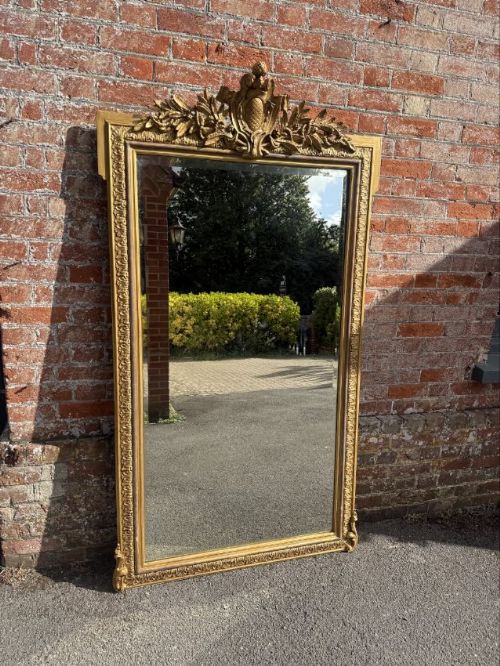
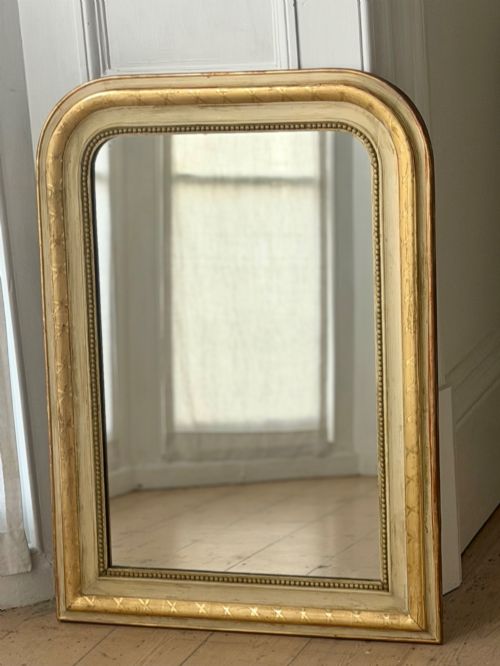
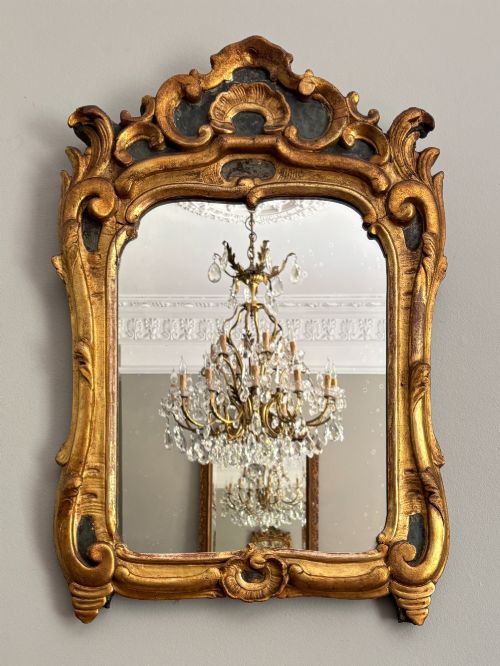
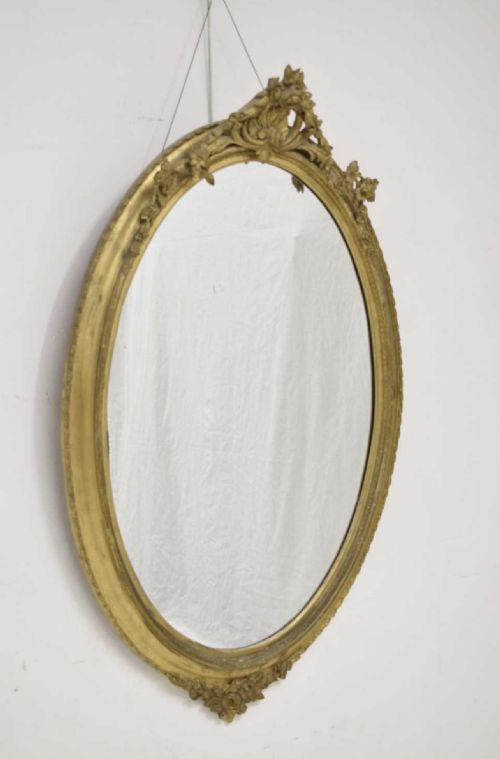
Gesso Giltwood Mirror
A gesso giltwood mirror brings historic British and European craftsmanship, reflective depth, and ornate golden warmth to an interior.
Gesso Giltwood Mirror
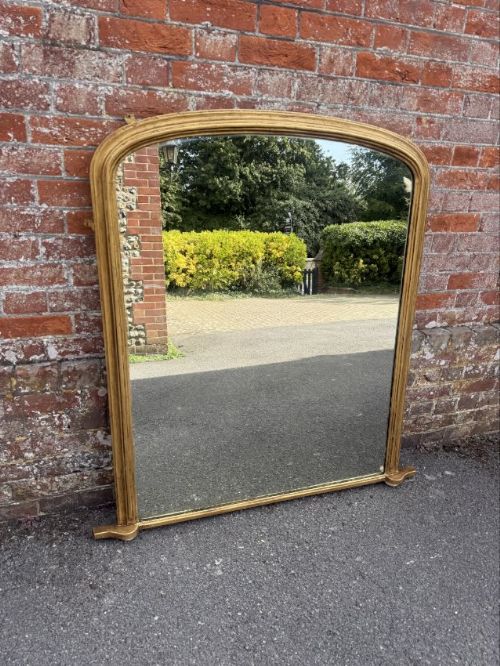
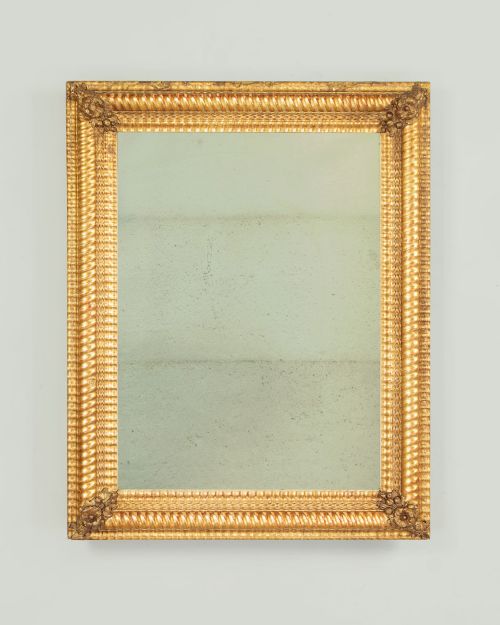
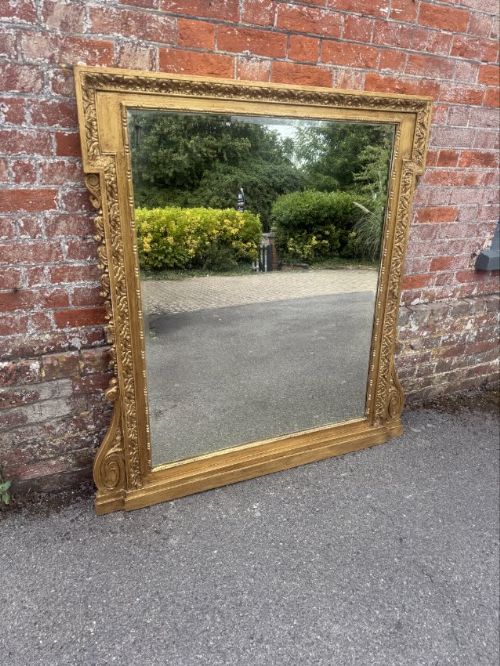
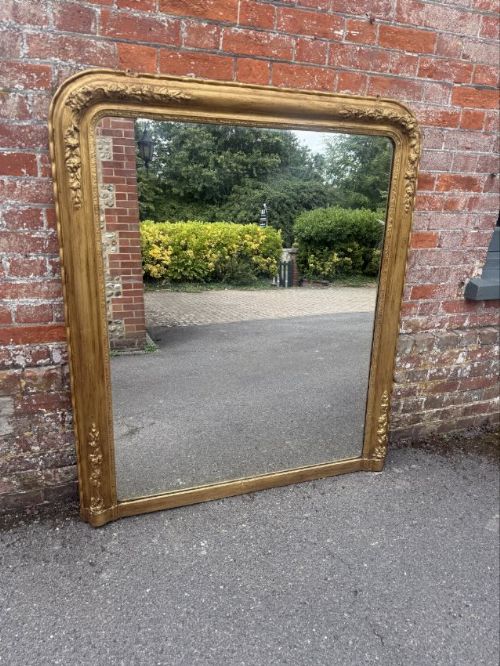
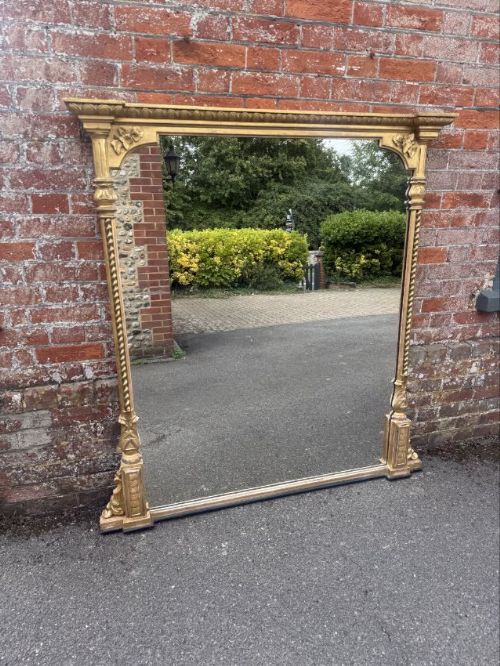
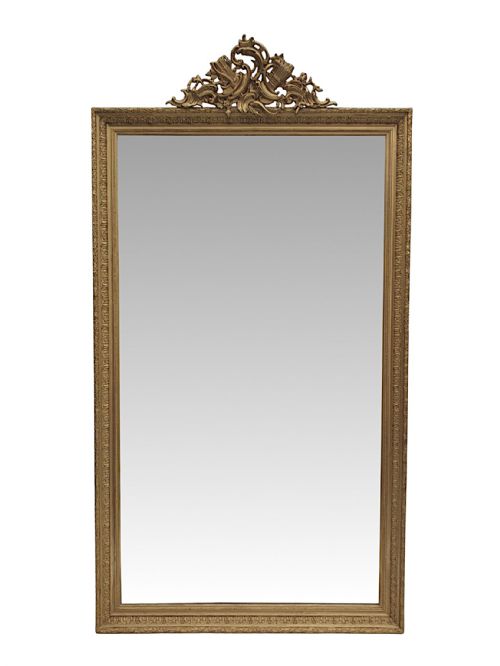
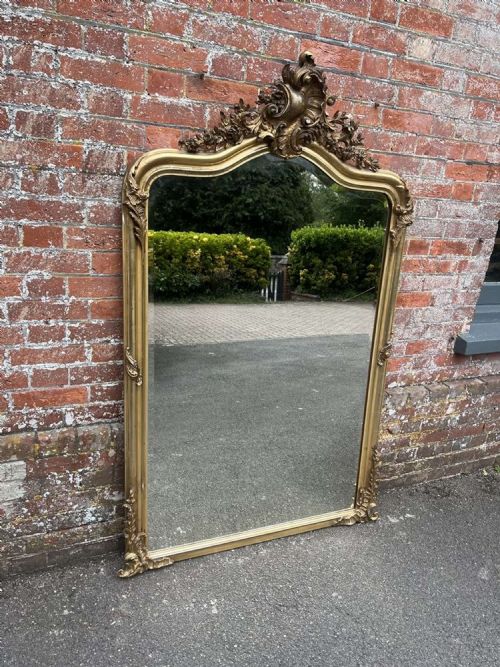
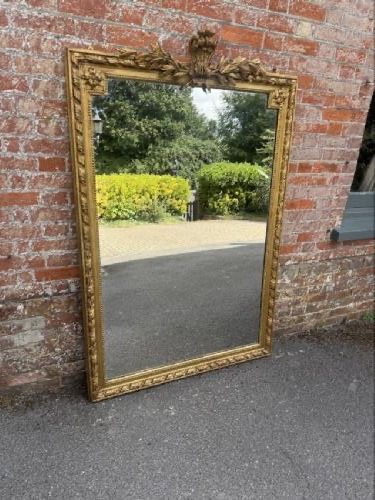
A gesso giltwood mirror combines a carved wooden base with a prepared plaster ground covered in gold leaf or gilt finish, originating in formal rooms from the eighteenth and nineteenth centuries. These pieces appear in numerous formats, with large architectural overmantels and decorative wall mirrors dominating the selection.
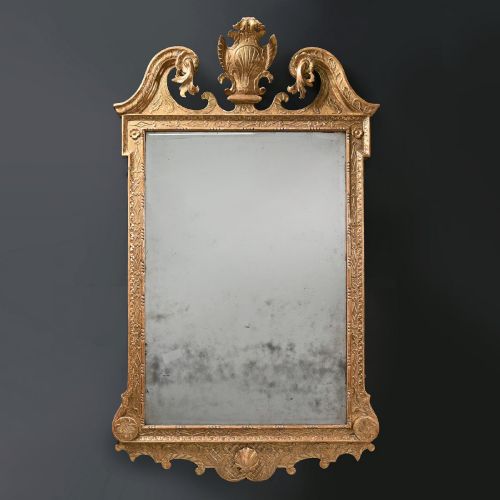
Victorian and nineteenth-century English interpretations frequently take the form of substantial overmantels featuring arched or shaped tops, rope twists, and elaborate floral motifs. Earlier eighteenth-century George II and Regency examples alongside French Rococo styles provide alternative forms with distinct carved detailing.
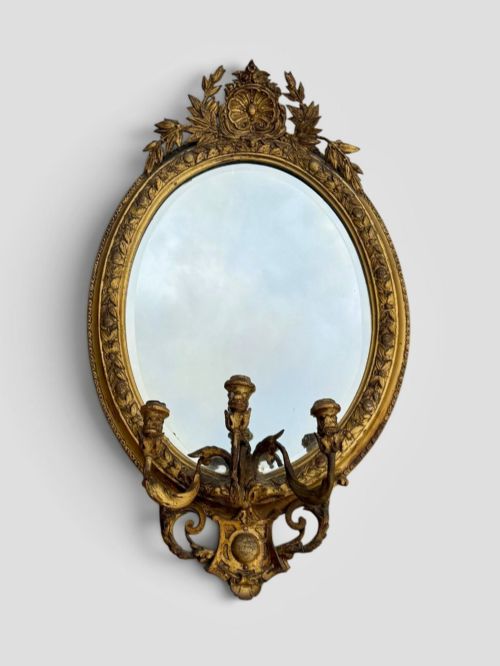
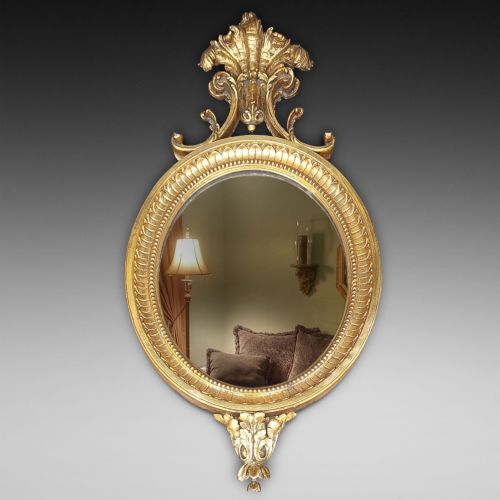
Smaller formats including pier mirrors, girandoles, toilet mirrors, and oval wall mirrors also emerge across the period inventory. Buyers encounter both domestic English workshops and continental European production spanning the eighteenth to the early twentieth centuries.
Materials and methods of construction
Makers constructed the structural carcase from carved wood, typically pine or other softwoods, before applying layers of gesso to build up high-relief ornamentation. Gesso provided a smooth, responsive surface that artisans could tool, stamp, and carve with intricate patterns before gilding.
Gold leaf or liquid gilt was applied over the prepared gesso and bole layer to achieve a luminous metallic sheen, sometimes supplemented by painted elements. Mirror glass was then fitted into the rebate, secured by wooden backs and original fixings.
Listings include eighteenth-century George II and Regency designs alongside Victorian overmantels and early twentieth-century Edwardian pieces.
Distinctions in construction and design
The depth and crispness of the carved wood and gesso ornamentation separate exceptional work from standard production, as skilled carvers achieved sharper undercut details and more harmonious proportions. The retention of original gilding surfaces and early mirror glass plates also elevates a piece significantly.
Structural integrity of the heavy wooden carcase and the stability of the layered gesso ground determine long-term durability. Pieces maintaining their original configuration without extensive later gilding touch-ups represent the upper tier of the historic range.
John Belchier·Charles Nosotti·Butti and Son
The Gesso Giltwood Mirror Glossary
- Gesso
- A mixture of plaster of Paris, chalk, and glue binder applied to wood to create a smooth surface for gilding and carving. It allows intricate relief work to be modelled before the gold leaf is applied.
- Giltwood
- Wood that has been coated with gold leaf, gold paint, or metal leaf. This finish gives the frame its characteristic metallic brilliance and protection.
- Overmantel Mirror
- A large mirror specifically designed to hang above a fireplace mantelpiece. They often feature horizontal proportions or arched tops tailored to nineteenth-century domestic interiors.
- Girandole
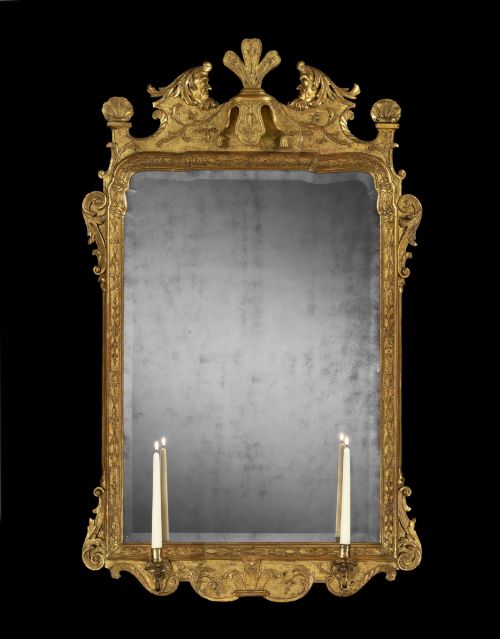
- A decorative wall mirror fitted with attached candle sconces or arms. The candleholders reflect additional light into the room from the mirrored glass.
Gesso Giltwood Mirror: Frequently Asked Questions
How do I hang a heavy gesso giltwood mirror?
Due to the substantial weight of the wooden carcase and gesso ground, these mirrors require secure wall fixings attached directly to structural studs or masonry. Professional mirror-hanging hardware distributed across multiple points ensures safe support for large overmantel formats.
Positioning should avoid areas of high humidity or direct fluctuating heat sources, such as active fireplaces, to protect the historic gesso and wooden structure over time.
Were these mirrors originally used over mantelpieces?
Many large nineteenth-century examples were specifically engineered to sit above domestic fireplaces as architectural overmantels, reflecting light and anchoring the room's decorative scheme. Other formats served as pier glasses between windows or dressing table toilet mirrors.
Their placement depended on the formal reception rooms of the period, where reflective glass amplified candlelight and daylight alike.
How do I distinguish eighteenth-century pieces from Victorian revivals?
Eighteenth-century examples often exhibit hand-carved wooden details integrated directly into the gesso structure, displaying specific stylistic traits associated with George II or Regency periods. Revival pieces from the Victorian era frequently utilise heavier moulded gesso compositions over pine frames.
Examining the construction of the wooden backboards, fixings, and the composition of the gesso ground helps clarify the precise period of manufacture.
What is a girandole mirror?
A girandole is a specialised wall mirror featuring integrated candle arms branching from the frame. The reflective glass serves to multiply the illumination cast by the candles.
These convex or flat mirrors were popular focal points in formal rooms during the eighteenth and nineteenth centuries.