


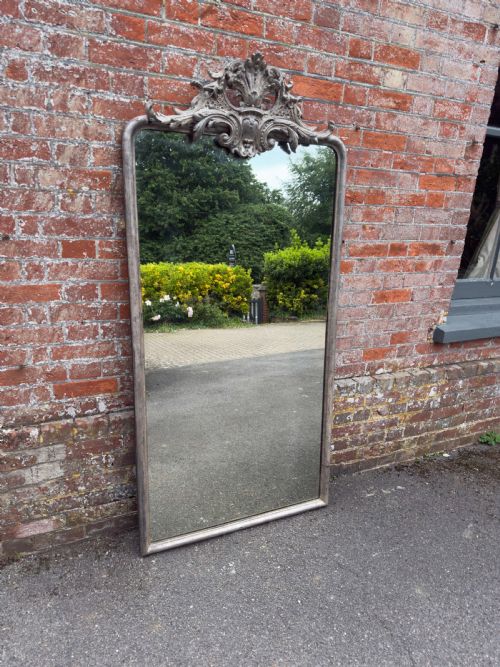

Gesso Arched Wall Mirror
When searching for a gesso arched wall mirror, collectors encounter ornate focal pieces designed to anchor a room.
Gesso Arched Wall Mirror
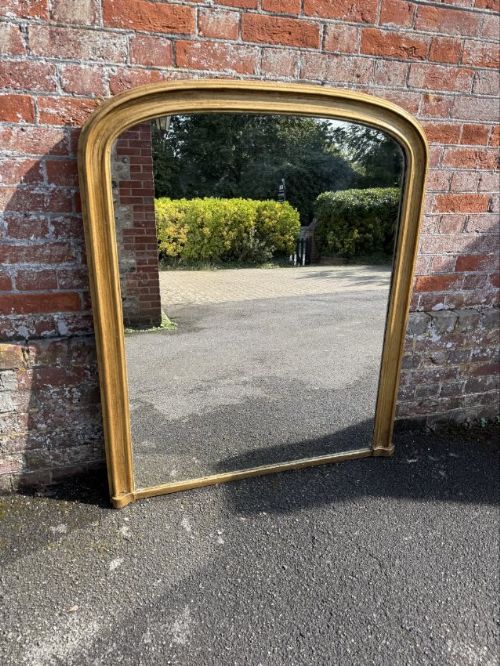
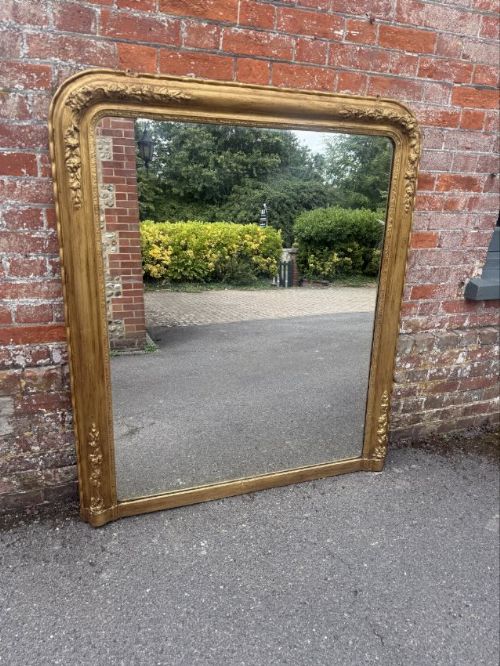
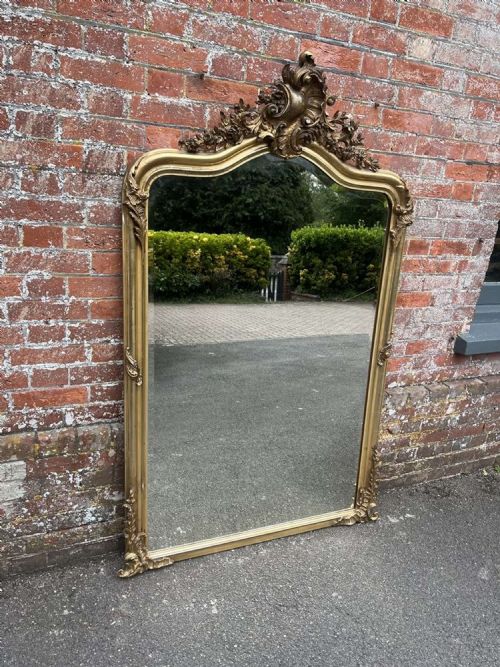
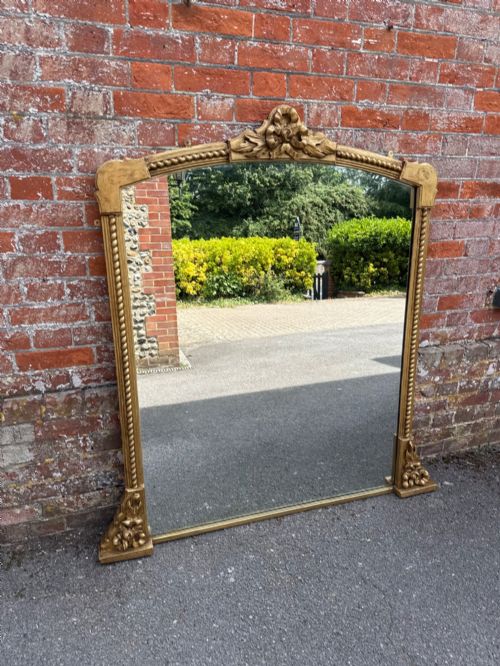
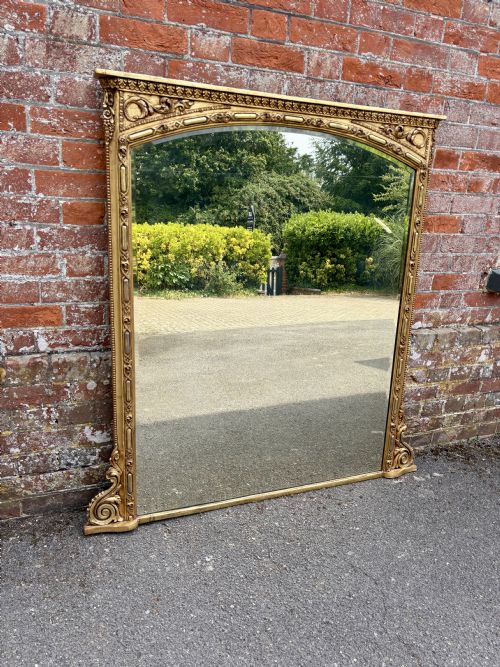
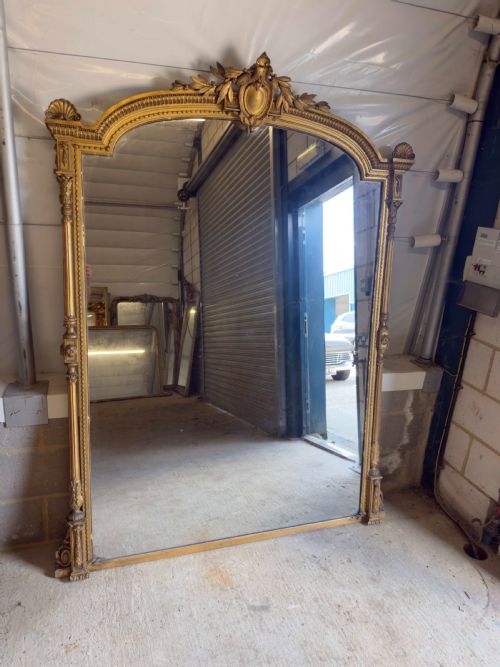
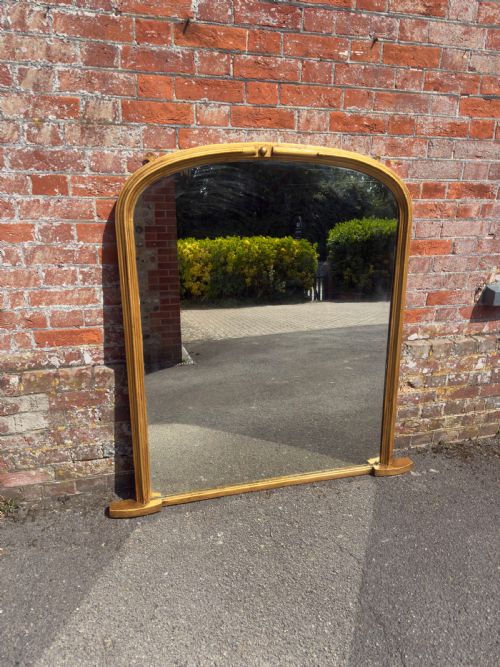
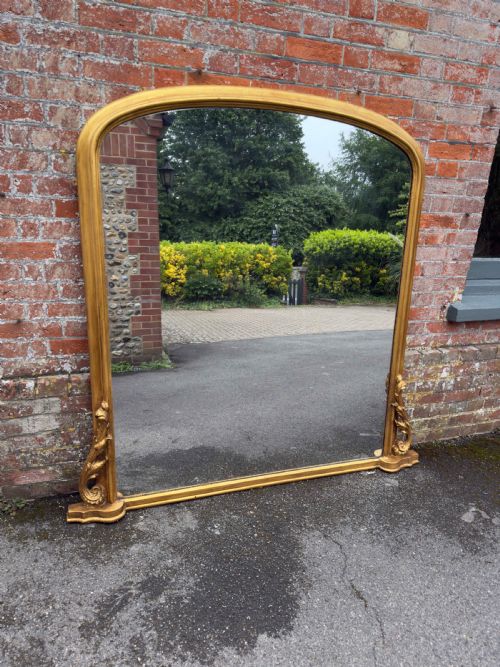
A gesso arched wall mirror combines a curved top silhouette with a moulded surface layer built over a wooden substrate. Most examples seen in this collection originate from the nineteenth century, taking the form of large overmantel mirrors designed to sit above a fireplace.
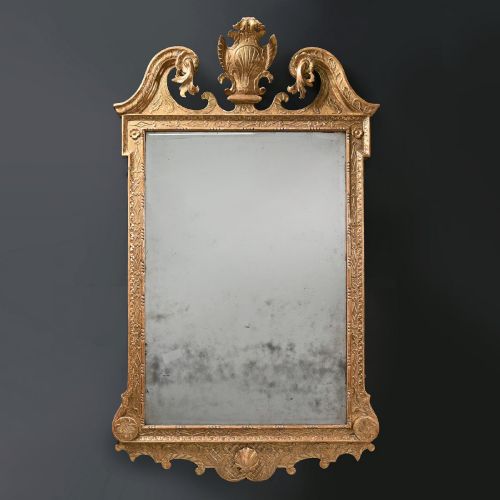
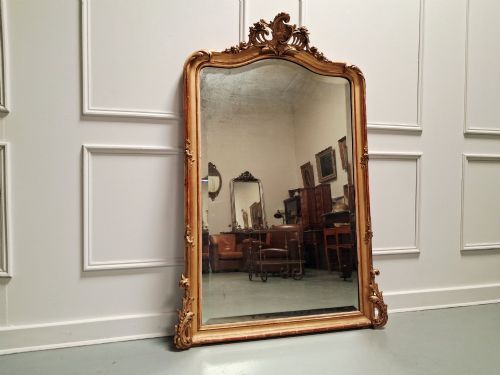
The inventory demonstrates a strong preference for English and French models spanning the Victorian era, alongside occasional eighteenth-century George II pieces. These items function primarily as architectural wall mirrors that reflect light and expand the visual space of a room.
Materials and Construction
Craftsmen built these frames using carved wood as a foundation, applying successive layers of gesso - a mixture of plaster of Paris or chalk and glue - to build up intricate relief ornament. Artisans then finished these surfaces using gold leaf, giltwood, paint, or silvering to achieve a reflective metallic or coloured sheen.
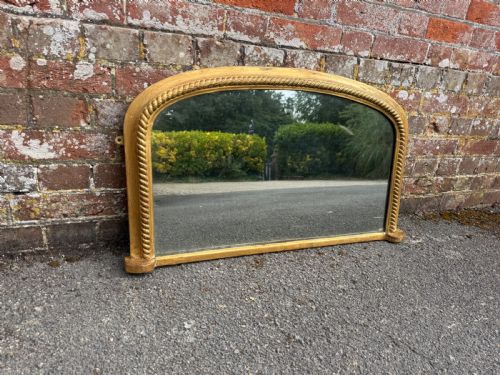
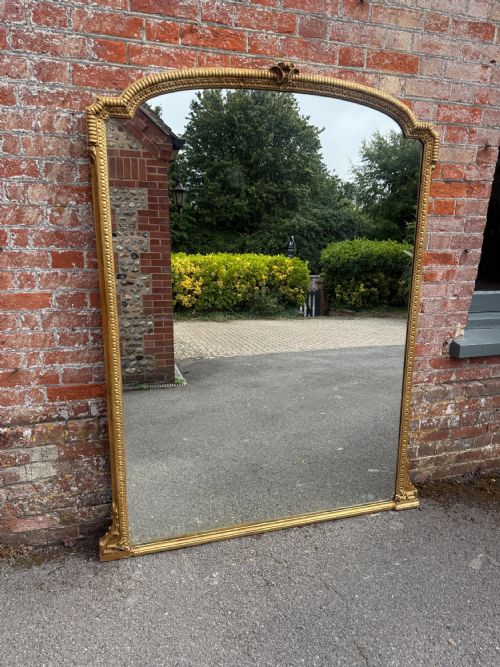
Mirror glass was set within these constructed wooden and gesso frames, often featuring specialised mouldings like rope twists, ribbed columns, or laurel leaves. The combination of carved wood and gesso allowed makers to achieve deep, sculptural relief work that solid timber alone could not easily hold.
Gesso Arched Wall Mirror Retail Price Guide 2026
Typical asking prices for gesso arched wall mirror among the pieces listed under this phrase on Sellingantiques today, from the lower quarter to the upper quarter. They describe what is for sale here now, not the wider market.
Some nineteenth-century French makers could not resist adding a splash of red beneath the cream paint.
Judging Quality and Craftsmanship
Quality in these mirrors rests primarily on the depth and crispness of the gesso moulding and the preservation of the original surface gilding or paint. Pieces with finely hand-carved wooden elements integrated smoothly beneath the gesso layer demonstrate superior workshop standards compared to simpler, heavily cast alternatives.
The integrity of the frame construction and the retention of original mirror glass and backing boards also dictate the standing of a piece. Finer examples maintain the sharpness of delicate motifs like rope twists and ribbed framing without heavy blurring from subsequent overpainting or clumsy repairs.
The Gesso Arched Wall Mirror Glossary
- Gesso
- A plaster-based mixture applied to a wooden frame to create a smooth surface for carving or gilding. This material forms the raised decorative details seen on the borders.
- Giltwood
- Timber that has been covered with a thin layer of gold leaf or gold paint. This finish provides the characteristic metallic brilliance on antique frames.
- Overmantel Mirror
- A large mirror specifically proportioned to hang on the wall directly above a fireplace mantelpiece. These represent the dominant form in this category.
- Rococo
- An ornate design style characterised by asymmetrical scrolls, curves, and naturalistic plant motifs. It appears frequently on Victorian and French pieces in this collection.
Gesso Arched Wall Mirror: Frequently Asked Questions
What is a gesso arched wall mirror?
A gesso arched wall mirror is a decorative looking glass featuring a curved upper frame built up from a chalk and glue mixture over wood. These items date predominantly from the nineteenth century and were originally constructed to adorn domestic interiors.
Such pieces serve as both functional reflective surfaces and sculptural wall art. Their distinctive arched profiles make them natural focal points within traditional drawing rooms and hallways.
Where were these mirrors placed historically?
Historically, these large mirrors were designed to sit directly above fireplace mantels, reflecting candlelight and daylight across the room. Their substantial scale allowed them to dominate the main reception wall of a home.
Today, they function similarly in domestic settings, often mounted over fireplaces or low console tables. Their reflective properties help amplify natural light in contemporary spaces.
How do I identify a Victorian mirror?
Victorian examples in this collection frequently date from the mid to late nineteenth century, displaying characteristic styles such as heavy gilding, rope twist frames, and arched tops. They often incorporate robust wooden carcasses coated in thick gesso relief.
Comparing the framing details against known stylistic periods helps establish the age. French nineteenth-century variants often showcase distinct rococo influences and painted finishes compared to their English counterparts.
How should I care for a gilt gesso frame?
Care for a gilt gesso frame involves gentle dusting with a soft, dry cloth to prevent the accumulation of dirt on the delicate moulded surfaces. Moisture and chemical cleaners must be avoided entirely to protect the fragile gesso and underlying gold leaf.
Positioning the mirror away from direct sunlight and damp environments ensures the materials remain stable. Professional restoration is recommended if the gesso shows signs of cracking or separation from the wood.