






German Porcelain Statuette
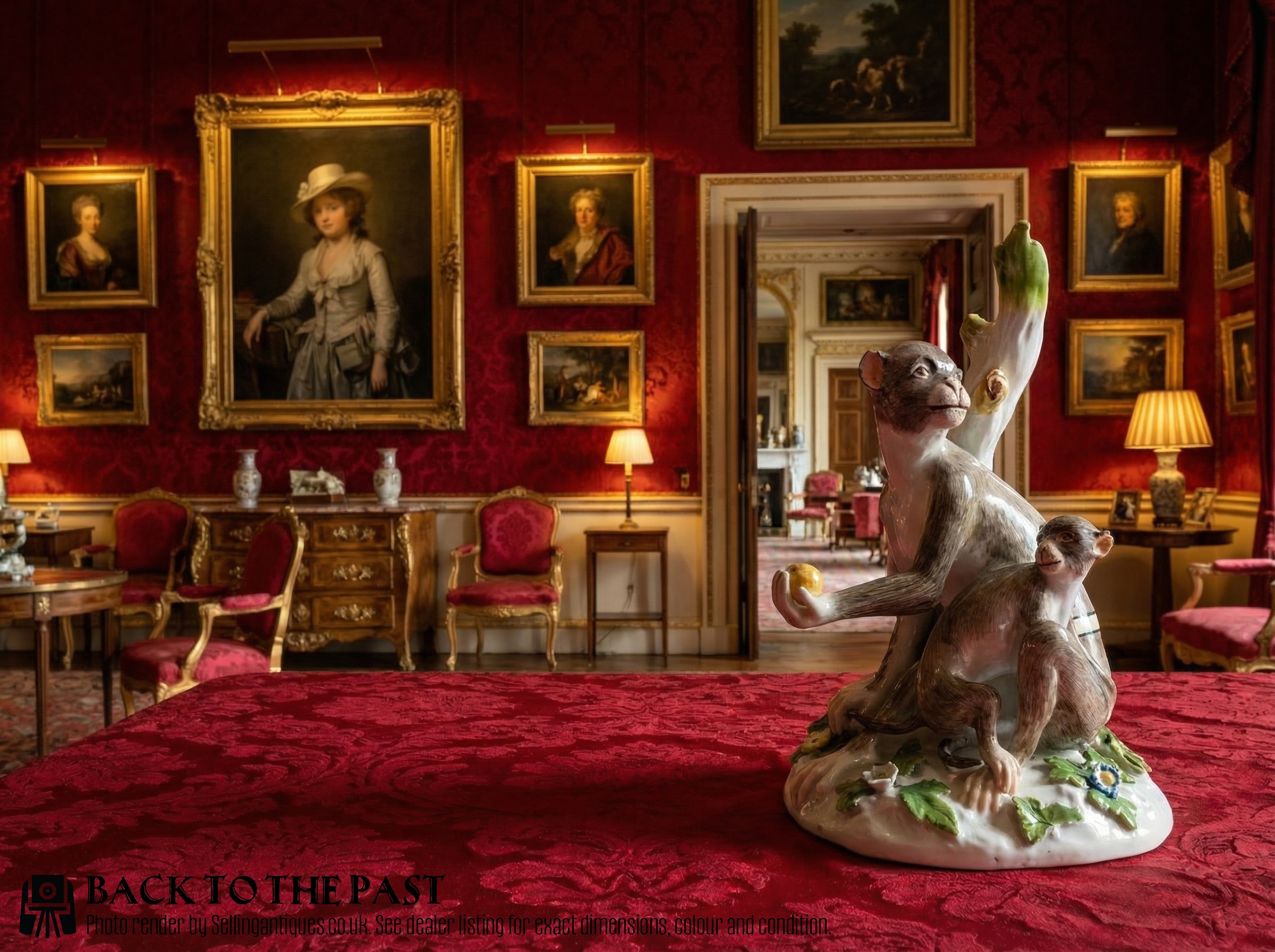
A german porcelain statuette captures centuries of European artistry in a single hand-painted figure, prized by collectors for intricate details and historical character.
German Porcelain Statuette
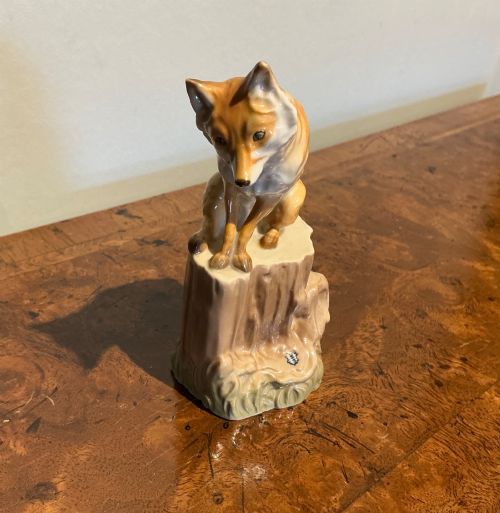
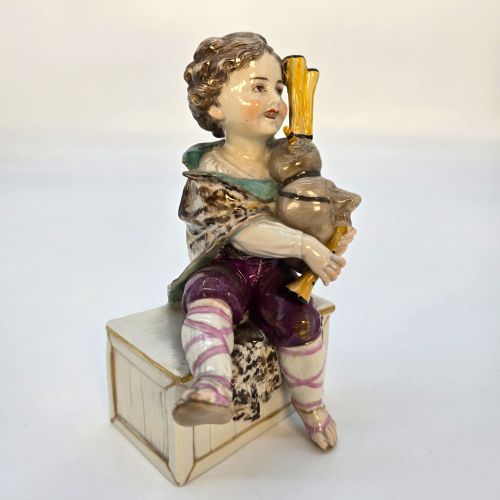
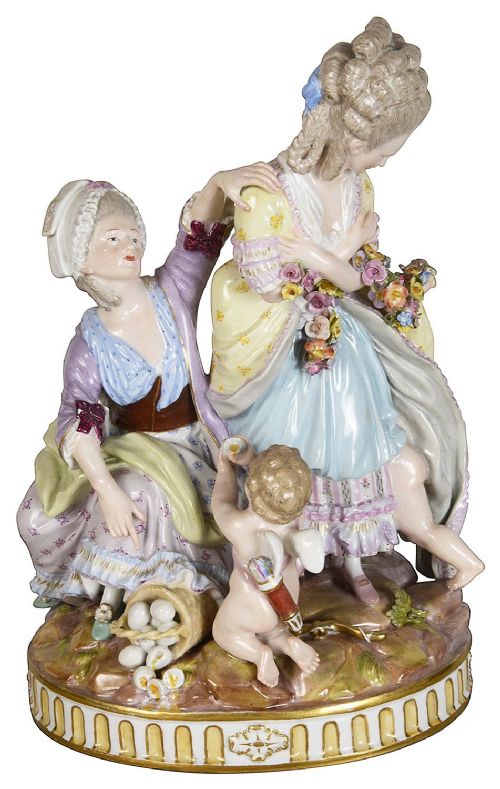
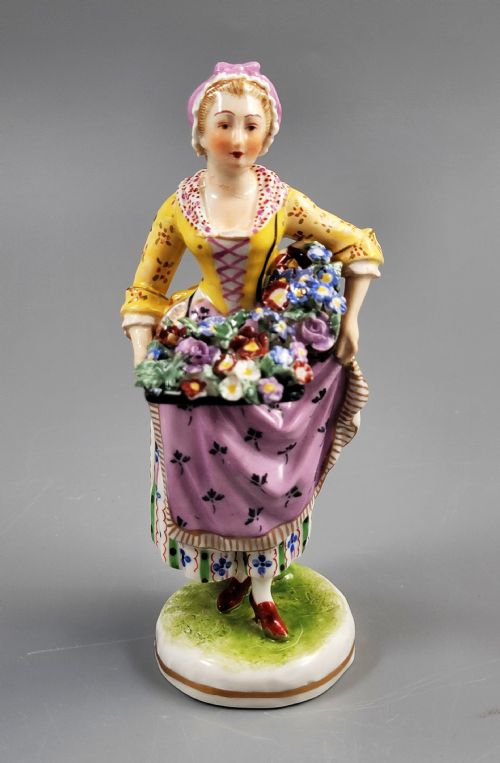
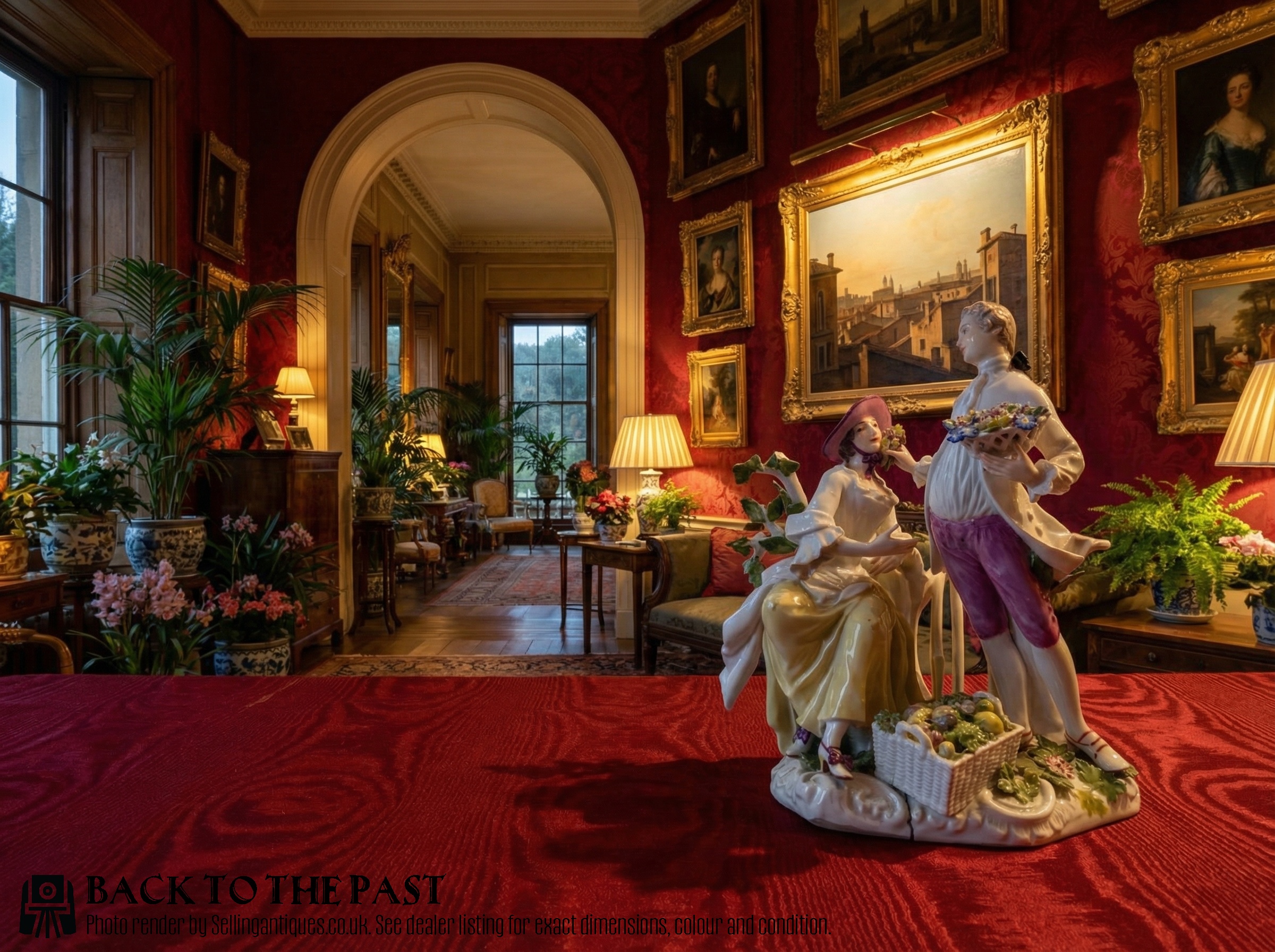
When you examine a german porcelain statuette, you look at modelled figures and groups depicting pastoral scenes, musicians, street traders, and animals. These objects originate from renowned European centres spanning the eighteenth century through the Victorian era and into the early twentieth century.
The most common examples on this page are eighteenth-century figures from factories like Meissen alongside nineteenth-century revival pieces from Volkstedt and Sitzendorf. Collectors find both single figures and balanced pairs representing allegorical themes, children, and dancers.
Materials and production methods
Makers utilised hard-paste porcelain, bisque porcelain, and parian biscuit as the primary body materials for each german porcelain statuette. These ceramic bases provided a durable foundation capable of holding delicate fingers, lace edges, and intricate drapery.
Artisans applied polychrome enamel painting, detailed glazing, and occasional gold leaf or gilt highlights by hand. Many works relied on complex moulding techniques to assemble multi-figure groups before firing.
German Porcelain Statuette Retail Price Guide 2026
Typical asking prices for german porcelain statuette among the pieces listed under this phrase on Sellingantiques today, from the lower quarter to the upper quarter. They describe what is for sale here now, not the wider market.
Listings span from the mid-eighteenth century through the Victorian era up to the 1930s, featuring hard-paste porcelain, bisque, and gilt.
Distinctions in craftsmanship
Painters at top-tier manufactories achieved lifelike expressions and subtle shading on hair and garments. Lesser versions rely on heavier, uniform washes of colour that obscure the underlying sculptural detail.
Meissen·Volkstedt Rudolstadt Factory·Sitzendorf Porcelain·Helena Wolfsohn·Carl Thieme·Karl Tutter
The German Porcelain Statuette Glossary
- Hard-paste porcelain
- A dense, vitrified ceramic composed of kaolin and petuntse fired at high temperatures. This material creates a bright white body that resists scratching and supports fine sculptural definition.
- Bisque porcelain
- Unglazed ceramic fired to a matte finish that resembles marble. It highlights the purity of the modelled form without reflective shine.
- Enamel
- Coloured glass powder fused to the porcelain surface during a secondary low-temperature firing. Artisans utilise these mineral pigments to create permanent painted details.
- Rococo Revival
- A nineteenth-century decorative style inspired by eighteenth-century asymmetry and scrollwork. This aesthetic heavily influences the curved bases and ornate flourishes found on many figures.
German Porcelain Statuette: Frequently Asked Questions
What are german porcelain statuettes made of?
These figures consist primarily of hard-paste porcelain or matte bisque porcelain. Artisans then decorated the fired ceramic bodies using hand-painted enamel colours and gilt highlights.
Some nineteenth-century examples utilise parian biscuit to achieve a marble-like texture. Every piece relies on specific mineral compounds fused at high heat to ensure durability.
How were these figures used historically?
Wealthy households placed these objects as centrepieces on dining tables or displayed them on mantelpieces and cabinets. They served as conversation pieces that reflected the owner's taste and sophistication.
Many pastoral or allegorical subjects also celebrated seasonal harvests, music, or romantic literature. Today, collectors preserve them as standalone decorative works of art.
How do I identify eighteenth-century pieces?
Eighteenth-century examples typically exhibit understated Rococo or Neoclassical styling combined with hand-modelled botanical elements. The painting often shows softer, naturalistic enamel palettes applied by master decorators.
Examining the underside frequently reveals period-specific factory marks or incised numbers. Comparing the sculptural weight and paste translucency helps confirm the era of production.
How should I display them safely?
House these delicate figures within enclosed glass cabinets to protect fragile elements like lace, fingers, and musical instruments from accidental damage. Ensure the display location avoids direct sunlight to prevent fading on the hand-painted enamels.
Stable shelving away from high-traffic zones prevents vibrations that could cause tipping. Use soft dusting brushes gently when maintenance is required.