
German Hand Painted Porcelain
German hand painted porcelain encompasses figurines, cabinet cups, and decorative dishes shaped by centuries of European kiln tradition.
German Hand Painted Porcelain
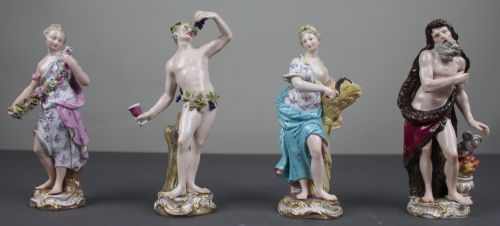
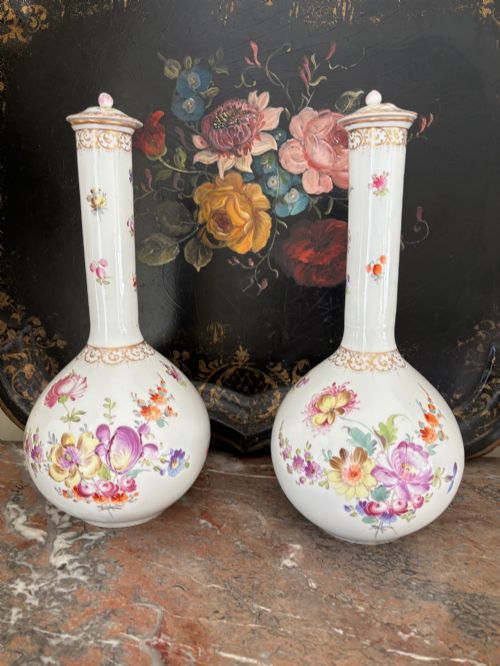
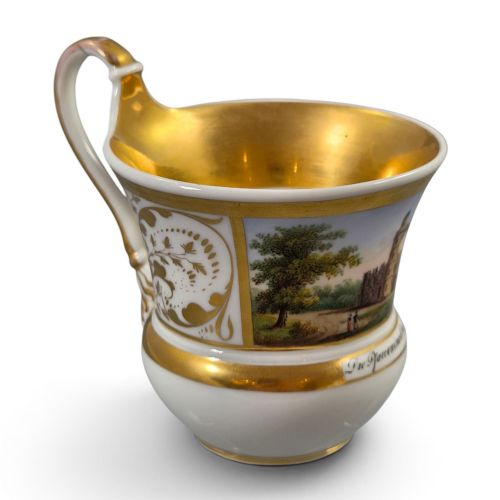
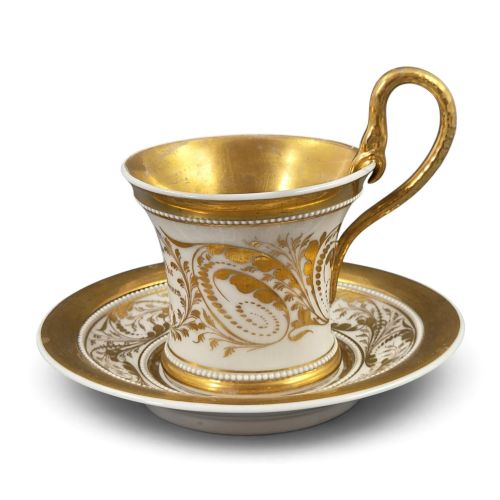
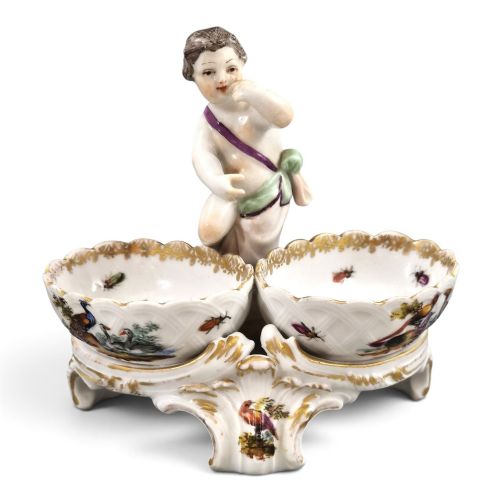
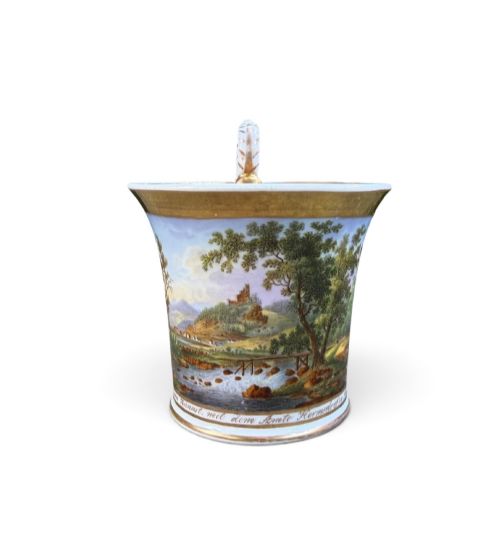
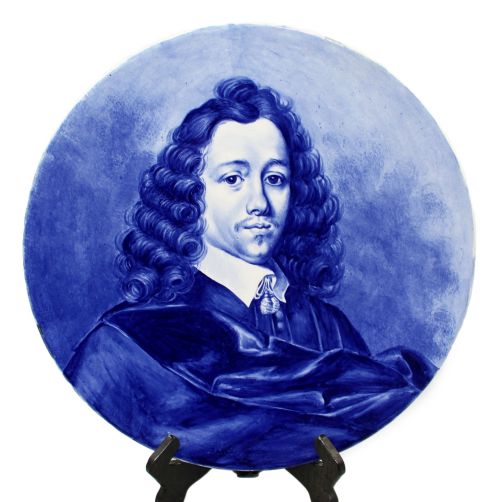
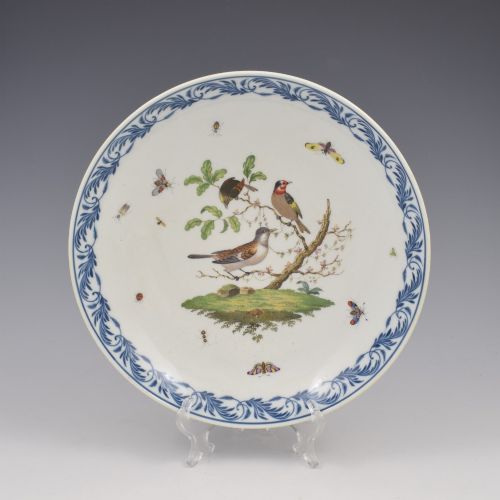
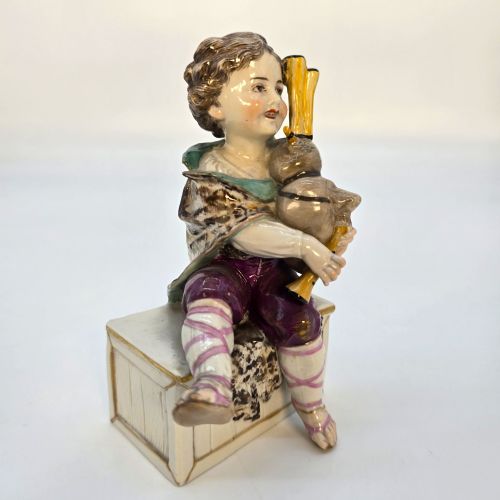
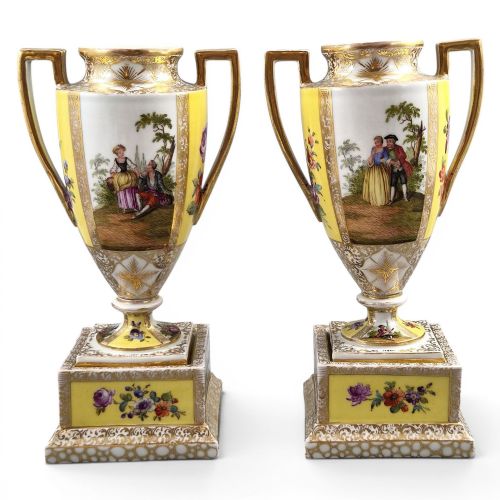
German hand painted porcelain covers a diverse range of domestic and decorative objects, from delicate figurines and figural groups to topographical cabinet cups, plates, and large centrepieces. When exploring this category, collectors frequently encounter wares originating from major manufacturing centres such as Meissen, KPM Berlin, and Dresden, spanning the eighteenth, nineteenth, and early twentieth centuries.
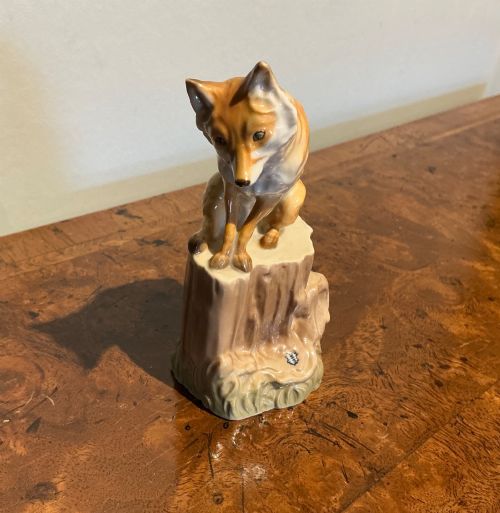
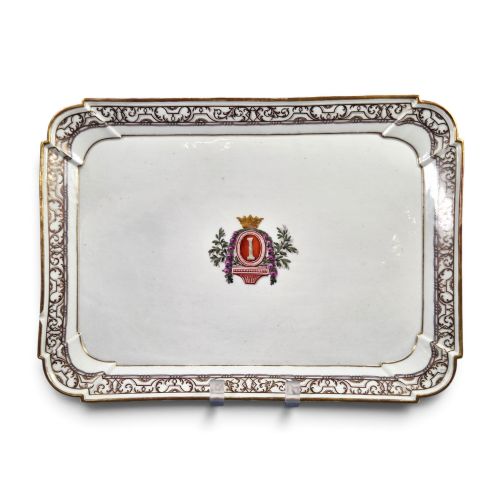
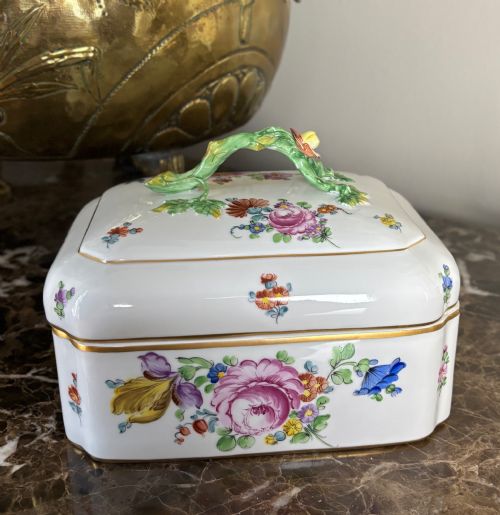
The functional forms include sugar boxes, milk jugs, inkstands, and serving trays, alongside sculptural representations of animals, gardeners, street traders, and allegorical figures. Stylistic expressions move from Rococo and Neoclassical designs through Biedermeier simplicity to Victorian historicism and later twentieth-century productions.
Quality and Execution
The distinction between tiers of quality rests upon the precision of the hand-painted detail, the clarity of the enamel colours, and the crispness of the porcelain moulding. Superior examples display finely rendered facial expressions on figures, meticulous brushwork on topographical cabinet cups, and carefully applied gilding that retains its original lustre.
Simpler production pieces show broader brushwork and standard transfer-outlined painting filled with basic colour, whereas top-tier works by factories like Meissen or KPM Berlin demonstrate artistic ambition through individual brush artistry and complex sculptural assembly.
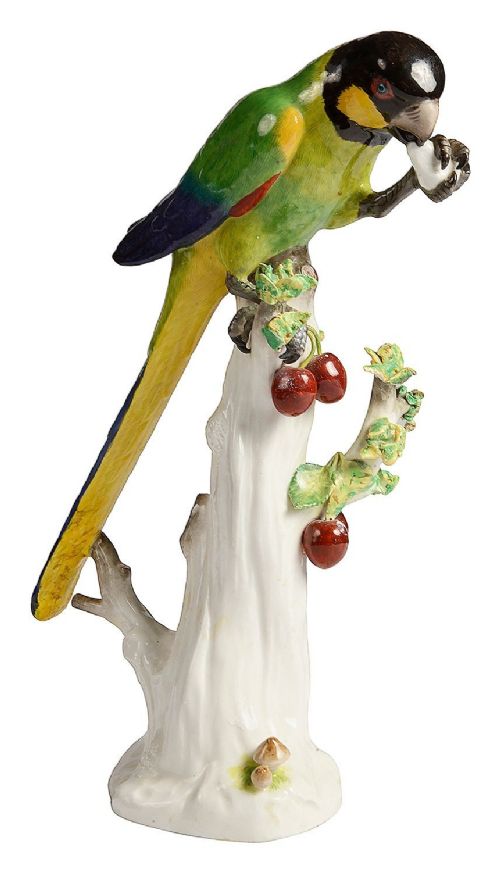
Perched parrots, street traders selling grapes, and cherub-laden centrepieces populate the kiln output with permanent cheer.
Nymphenburg·Ludwigsburg Porcelain·Meissen·Dresden·Sitzendorf·KPM Berlin·Royal Bonn·Volkstedt Rudolstadt Factory·Helena Wolfsohn·Paul Müller Selb·Carl Thieme Dresden·Schierholz·Limbach·Müller Volkstedt
The German Hand Painted Porcelain Glossary
- Hard-paste porcelain
- A durable ceramic composition fired at extreme temperatures, composed of kaolin and petuntse. It yields a vitrified body that resists scratching and absorbs little moisture.
- Enamel
- Vitreous opaque or transparent colours fused to the porcelain surface during a secondary low-temperature kiln firing. Painters use these to render portraits, birds, and floral bouquets.
- Reticulated
- Pierced or openwork decoration cut into the wet clay body of a plate or basket before firing. This technique creates delicate lattice patterns along the rim.
- Gilding
- The application of gold leaf or powdered gold suspended in a medium onto the porcelain surface. It highlights rims, handles, and sculptural accents.
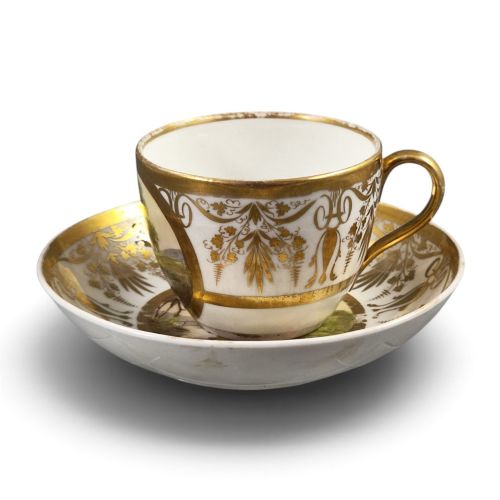
- Cabinet cup
- A small, highly decorative cup and saucer intended for display in a cabinet rather than daily tea service. These often feature hand-painted topographical landscapes or portraits.
German Hand Painted Porcelain: Frequently Asked Questions
What is German hand painted porcelain?
German hand painted porcelain refers to ceramic items produced by European factories where artisans hand-applied enamel decoration onto hard-paste bodies.
These pieces range from utilitarian cups and saucers to elaborate sculptural figures and decorative chargers created across multiple centuries.
How were cabinet cups used?
Cabinet cups served as decorative display items rather than functional vessels for daily drinking.
Collectors and wealthy households placed them within glass-fronted cabinets to showcase fine topographical painting and gilded craftsmanship.
How do you identify different periods?
Identifying periods involves examining the painting style, form, and factory marks associated with specific manufacturing eras.
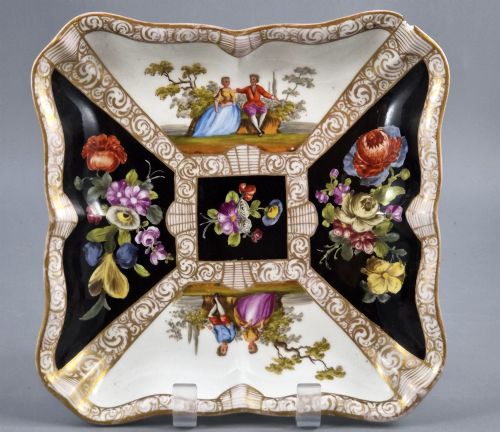
Eighteenth-century items often reflect Rococo curves and hand-painted Watteau scenes, while nineteenth-century works frequently display Victorian historicism or detailed topographical views.