




German Figural Porcelain
German figural porcelain brings sculptural presence to a room, cast in hard-paste clay and detailed with enamels.
German Figural Porcelain
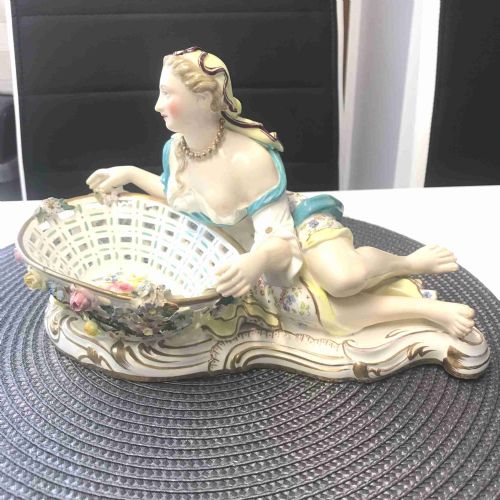
German figural porcelain comprises sculptural objects, tableware and decorative groups produced by historic factories across central Europe. When you search for german figural porcelain, you encounter elaborate candelabra, centrepieces and figural groups shaped from hard-paste clay. The selection leans heavily toward nineteenth-century production, alongside eighteenth-century works and later twentieth-century Art Deco interpretations.
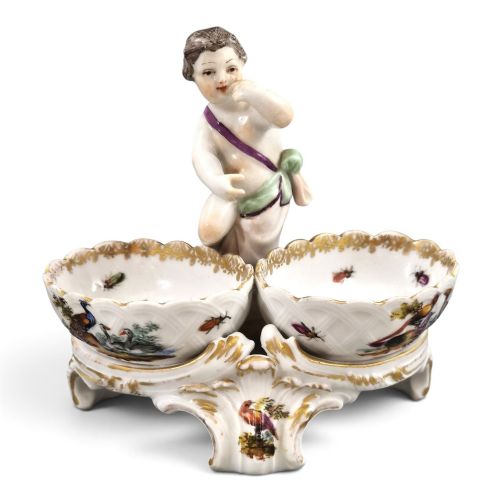
Makers shaped these pieces into functional items and pure ornaments alike, spanning salt cellars, sweetmeat dishes, lamps and freestanding figures. Candlesticks and candelabra dominate the offerings, often featuring putti, allegorical representations of the seasons, or figures engaged in pastoral pursuits. Historical styles range from ornate Rococo Revival and Victorian aesthetics down to streamlined twentieth-century designs.
How They Were Made
Potters relied primarily on hard-paste porcelain, a dense ceramic body fired at high temperatures to achieve a durable, vitreous structure. Artisans combined this body with liquid slip cast in moulds, allowing workshops to replicate complex figural groups and elaborate scrollwork. Some simpler or matt pieces utilised bisque porcelain, left unglazed to emphasise the sculpted contours.
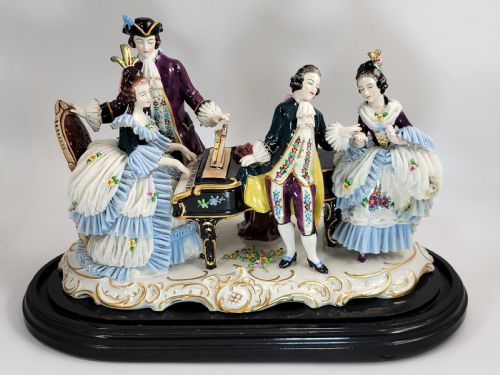
Colour and finish arrived through meticulous hand-painting using enamel pigments, frequently accented with gold leaf or gilding. Certain specialised workshops applied delicate lace dipped in porcelain slip before firing, burning away the fabric to leave brittle ceramic textiles. Glass, brass and additional base metals occasionally appeared as structural mounts on lamps and candelabra.
Ceramic lace groups required artisans to dip real fabric into porcelain slip before firing, burning away the cloth to leave fragile ceramic threads.
What Varies in Quality
The degree of hand-painting separates mass production from exceptional studio output, particularly in the rendering of facial expressions, bird feathers and floral motifs. Crispness in the moulded details matters significantly, as worn moulds yield soft, blurred edges on acanthus leaves and cherub wings. Finer examples retain meticulous underglaze blue marks and crisp enamel saturation without muddy blending.
Proportion and structural complexity dictate the standing of a piece within the hierarchy of these wares. Multi-figure candelabra and intricate lace-work groups demand immense technical control during firing, making successful large-scale survivals superior to smaller, simpler figures. The integration of gilding and the preservation of delicate applied petals also distinguish higher-tier objects.
KPM Berlin·Meissen·Volkstedt·Karl Ens·Anton Buschelberger·Sitzendorf·Ernst Bohne Söhne·Kister·Scheibe Alsbach·Triebner ENS & Eckert·Schierholtz
The German Figural Porcelain Glossary
- Hard-paste porcelain
- A durable ceramic material composed of kaolin and petuntse fired at extreme temperatures. It forms the impermeable white body typical of historic European figures.
- Bisque
- Unglazed porcelain fired once to produce a matt, chalky surface resembling marble. It highlights fine sculptural detail without reflective glare.
- Putto
- A plump, naked male child depicted in art, often winged and resembling a cherub or Cupid. These figures populate many candlesticks and decorative groups.
- Candelabra
- A branched candlestick holding multiple lights. German examples frequently incorporate moulded figures climbing the central column.
- Sweetmeat dish
- A small decorative vessel designed for serving confectionery or dried fruits. They often feature figural supports holding the main bowl.
German Figural Porcelain: Frequently Asked Questions
What is german figural porcelain?
German figural porcelain encompasses decorative and functional ceramic pieces featuring human figures, putti or animals. These range from elaborate candelabra and centrepieces to single figurines.
Factories across regions like Thuringia and Saxony produced these sculptural objects, employing skilled modellers and painters. The category includes both eighteenth-century rarities and prolific nineteenth-century revival pieces.
How were these pieces used originally?
Many items served practical functions on wealthy dining tables and drawing rooms, holding candles, salt, or sweetmeats. Candelabra provided illumination during evening meals, while centrepieces decorated the middle of the table.
Other items, such as allegorical figures and lamp bases, functioned purely as interior decoration. They demonstrated the owner's cultivation and taste through classical and pastoral motifs.
How do I clean german figural porcelain?
Dust these delicate objects gently with a soft, dry brush to prevent dirt from settling into crevices. Avoid using harsh chemical cleaners or abrasive cloths that might damage hand-painted enamels or gilding.
If washing is necessary, use lukewarm water and mild soap, ensuring the piece is dried thoroughly afterward. Take special care around delicate applied flowers and lace work.
How can I tell the period?
Examine the factory marks stamped or painted on the underside, as most historic German potteries changed their ciphers over time. Stylistic clues also help, such as the exuberant scrolls of nineteenth-century Rococo Revival versus geometric lines of Art Deco.
Material texture, colour palette, and the crispness of the moulding offer further indications of age. Eighteenth-century pieces generally show softer paste characteristics and different potting techniques than later Victorian items.