

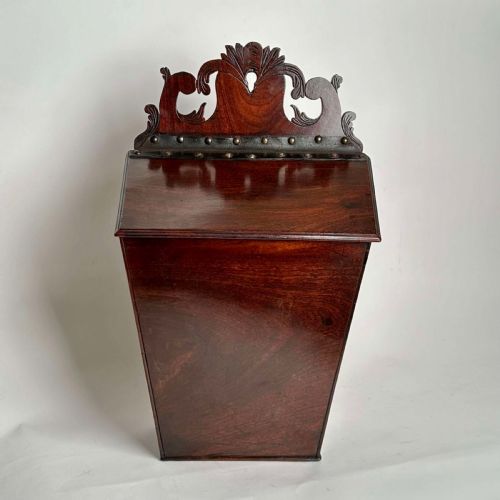


Georgian Wooden Wall Box
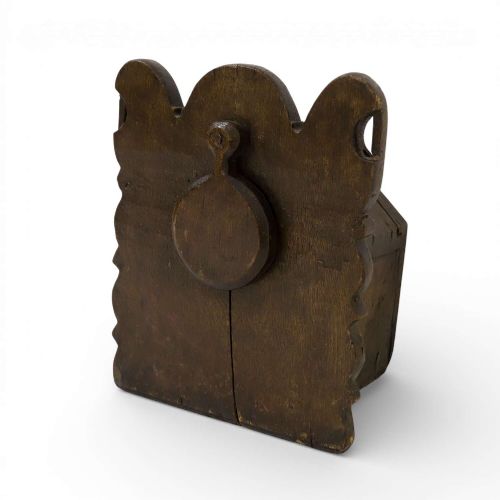
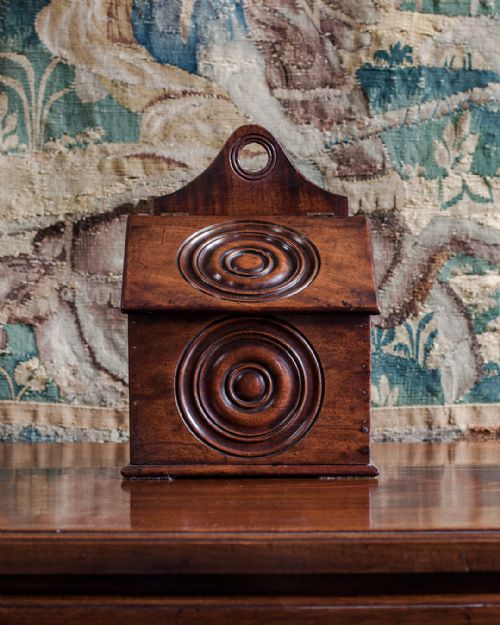
A georgian wooden wall box is a sturdy storage piece designed to keep household essentials tidy, bringing practical period charm to any room.
Georgian Wooden Wall Box
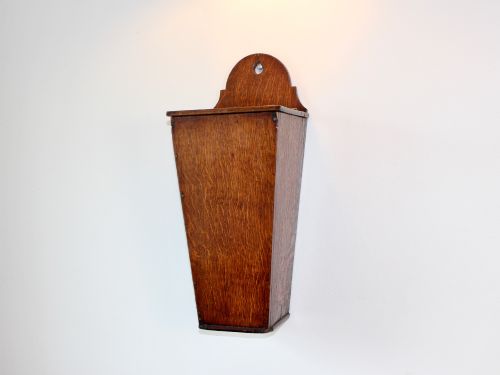
Most examples found here date from the eighteenth century, alongside pieces spanning from the seventeenth to the nineteenth centuries. Oak and mahogany form the primary timbers of these functional wall-mounted items.
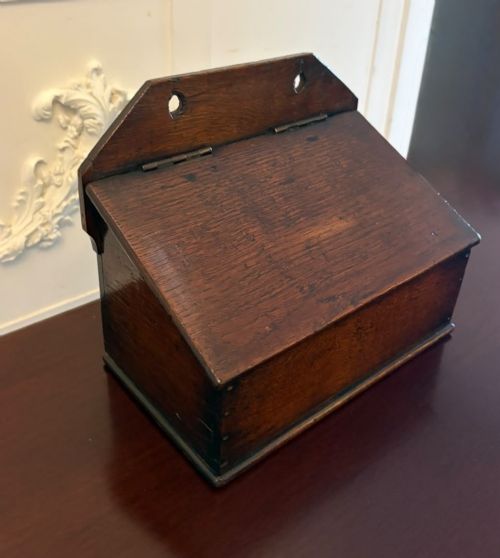
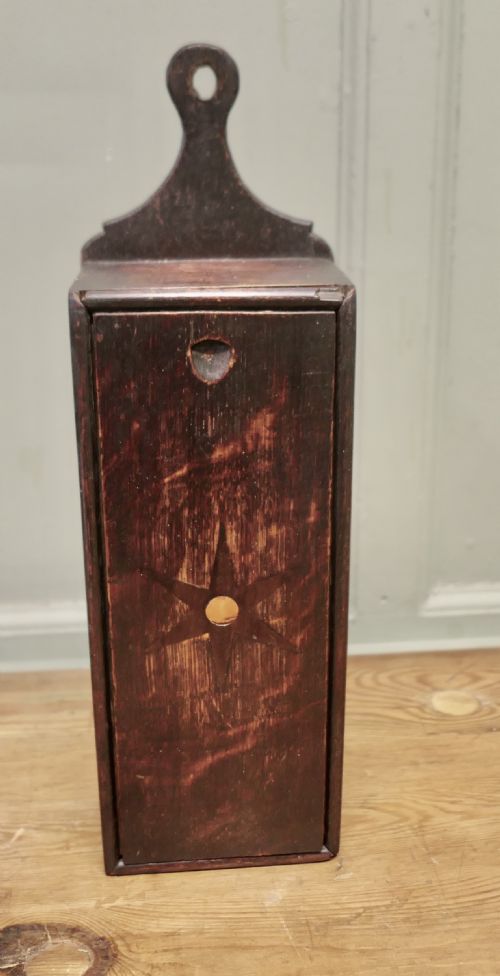
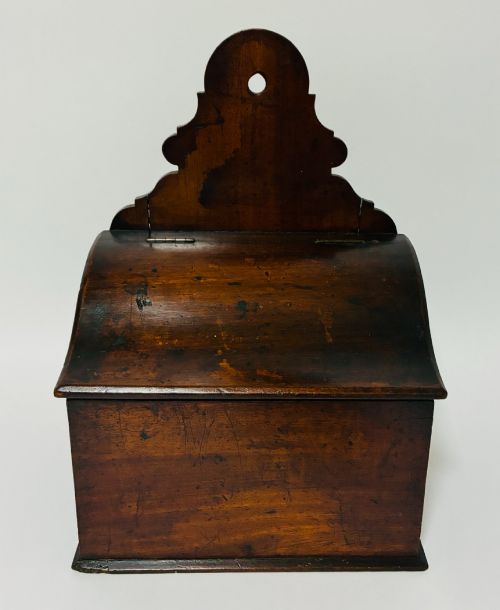
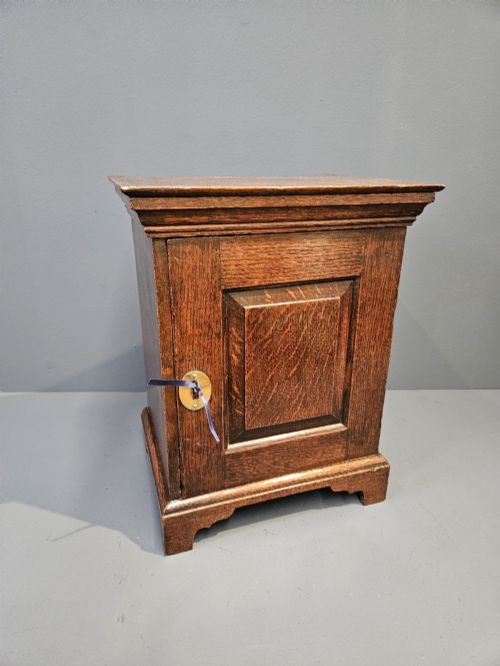
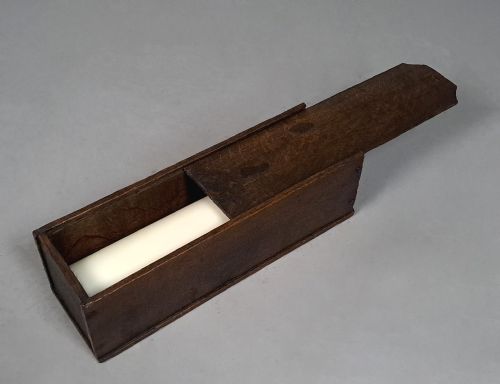
Forms vary from tapered rectangular candle boxes to compact spice cupboards and wall salt boxes. Many pieces reflect vernacular regional styles, including English and Welsh country traditions.
Materials and construction
Construction relies heavily on sturdy timbers such as oak, mahogany, pine, and general timber. Craftsmen utilised these accessible woods to build durable wall-hanging storage containers that could withstand daily domestic use.
Metal components such as brass and original iron hardware provide structural reinforcement and hinges. Traces of paint and occasional gold leaf survive on select surfaces to indicate original decorative finishes.
The listings feature oak and mahogany pieces alongside pine examples spanning from the seventeenth to the nineteenth centuries.
Assessing craftsmanship
Quality separates simple utility items from finely figured pieces through the choice of timber and refinement of joinery. Mahogany and finely grained oak examples display greater attention to surface finishing than rougher country pine iterations.
The survival of original hardware, such as iron latches and brass fittings, elevates a piece. Evidence of early painted decoration or untouched patination also distinguishes superior examples.
The Georgian Wooden Wall Box Glossary
- Salt Box
- A wall-mounted container traditionally used for storing coarse kitchen salt safely away from dampness. These typically feature a hinged sloping lid and a high backboard with a hanging hole.
- Candle Box
- A specialised receptacle designed to keep tallow or wax candles protected from dust and pests. They often feature sliding lids or hinged doors suited for vertical wall mounting.
- Spice Cupboard
- A small hanging cabinet fitted with internal drawers or small shelves for culinary ingredients. These frequently showcase panelled doors and fine period joinery.
- Treen
- Small handmade wooden household objects created by turners and joiners. The category encompasses utilitarian boxes and domestic items fashioned from native timbers.
Georgian Wooden Wall Box: Frequently Asked Questions
How were wall boxes used in period homes?
These boxes were mounted near hearths or preparation areas to keep daily necessities like salt, candles, and spices dry and secure. Their hanging design kept surfaces clear in cramped domestic spaces.
They served as functional storage rather than decorative items, though many displayed careful craftsmanship suited to the main living rooms of modest and prosperous homes alike.
What woods were used for these boxes?
Oak and mahogany dominate the better-quality pieces, offering durability and a refined grain. Pine and mixed timber appear frequently in regional or vernacular pieces.
Makers utilised whatever local wood was available, which explains the variety of grains and weights found across different country styles.
How do I distinguish eighteenth-century pieces?
Eighteenth-century examples often show hand-cut dovetailing, pegged joints, and older iron or brass hardware. The timber develops a deep patina and dry surface texture over centuries of exposure.
Later nineteenth-century versions can display machine-sawn components and different fastening methods, though country traditions often persisted for generations.
Where should I hang a wall box?
These boxes suit kitchens, hallways, or living spaces where their historical character can be appreciated. Ensure the wall fixings match the weight of the timber and any internal contents.
Keep them away from direct heat sources and strong sunlight to protect the aged wood surfaces and any surviving paint or ironwork.