


Vintage Wall Hanging Box
These vintage wall hanging box items are timber storage pieces designed to mount securely on vertical surfaces.
Vintage Wall Hanging Box
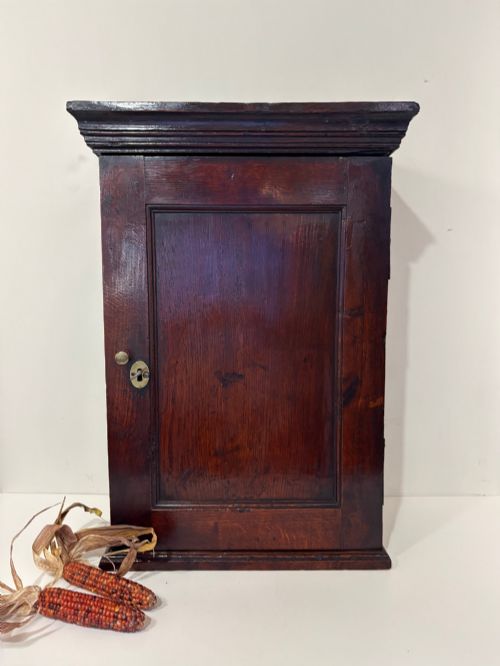
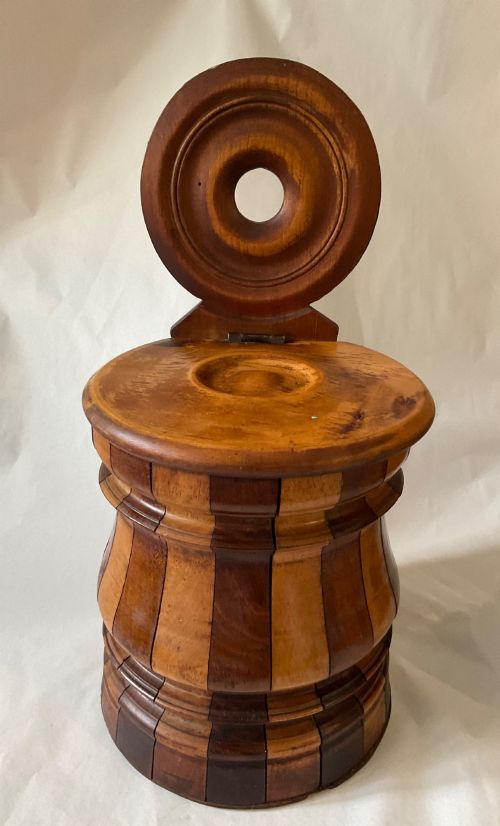
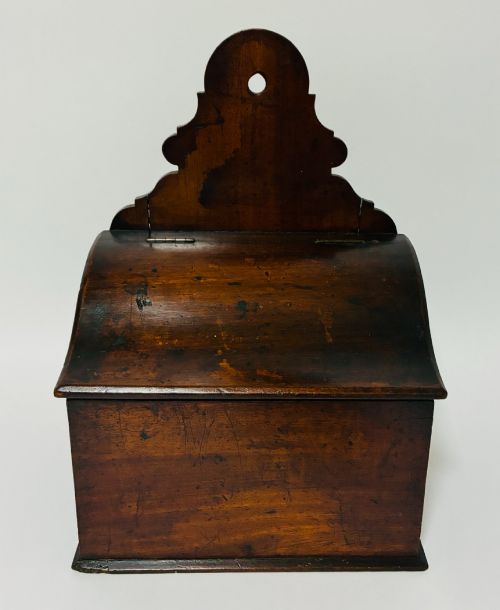
A vintage wall hanging box encompasses compact timber receptacles built to keep small household commodities organised within domestic spaces. You encounter forms ranging from spice cabinets and key cupboards to salt boxes and knife holders intended for wall mounting.
The selections span several centuries, reaching from the eighteenth century through the Victorian era. Common domestic woods dominate the forms, reflecting regional British, French, Dutch and Spanish vernacular traditions.
Materials and construction methods
Cabinet makers utilised solid timbers including oak, mahogany and pine, sometimes combining oak and pine within a single piece. Surfaces feature plain waxed timber, painted pine, or leather clad panels secured with nailhead details.
Joining techniques rely on traditional carpentry suited to wall-mounted weight bearing, whilst hardware incorporates brass fittings, hinges and latches. Certain utilitarian objects demonstrate maritime folk art influences and carved relief work.
Listings feature oak, pine and mahogany across periods spanning the eighteenth century to the Victorian era.
Judging quality in hanging boxes
Quality rests upon the selection of timber and the integrity of the original construction rather than decorative excess. Finer examples display thoughtful proportion, well-fitted joinery and hardware that suits the period of the piece.
Surface patination plays a central role in distinguishing superior items, where uncompromised age and honest wear enhance the character of the wood. Retaining original hinges, latches and interior divisions elevates the standing of a wall box.
The Vintage Wall Hanging Box Glossary
- Spice box
- A small wall-mounted timber cabinet fitted with internal drawers or compartments for storing culinary spices. These compact containers hung within reach of the kitchen hearth.
- Salt box
- A domestic receptacle featuring a sloping lid designed to keep salt dry and accessible near the fireplace. Many include a shaped backboard pierced for suspension on a wall peg.
- Key cabinet
- A diminutive wall cupboard furnished with interior hooks for organising household keys. They often exhibit decorative timber framing or carved details on the door.
- Patina
- The surface sheen and colour developed on timber through decades of handling, polishing and exposure to light. A desirable patina signals genuine age and continuous use.
Vintage Wall Hanging Box: Frequently Asked Questions
Where were wall boxes used?
These boxes hung in kitchens, hallways and living spaces where floor space remained at a premium. Their placement kept everyday essentials like salt, candles or keys immediately to hand.
Kitchens and sculleries frequently accommodated spice and knife boxes, whilst hallways housed key cabinets. The suspension holes or brackets integrated into their backs enabled secure mounting on timber panelling or plaster walls.
How do I date a timber wall box?
Dating relies upon examining the construction methods, tool marks and timber species visible on the piece. Eighteenth century examples typically display hand-sawn boards and pegged joinery.
Later Victorian items may incorporate machine-sawn components alongside standard brass hinges and locks. Comparing the hardware and timber grain with known period pieces clarifies the age.
How do I hang a vintage box safely?
Safety depends on utilising the original mounting points if sturdy, or adding discreet modern brackets that bear the weight securely. Wall fixings must match the specific composition of the wall.
Because these timber boxes vary in weight, particularly when laden with contents, anchoring directly into wall studs or masonry provides the necessary support.
What woods were commonly used?
Oak and pine serve as the primary timbers encountered in these wall-mounted storage pieces. Oak provided durability for structural elements and frequently appears in eighteenth century items.
Pine offered a lighter, workable alternative often finished with paint or left plain. Mahogany appears on more refined domestic boxes from the Georgian period onward.