

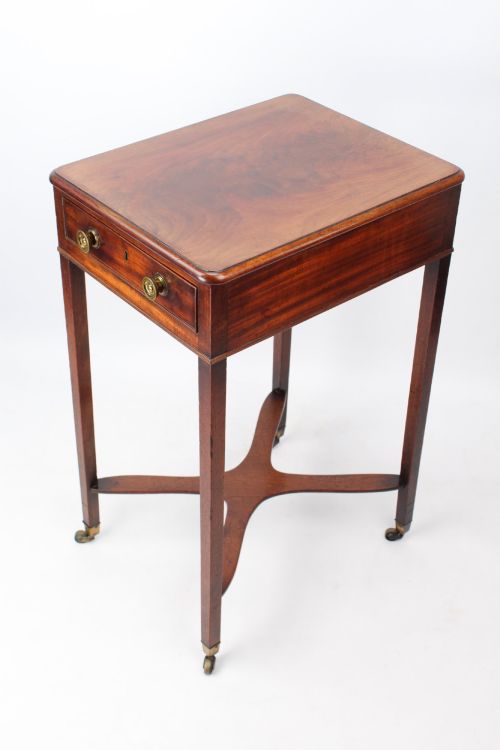
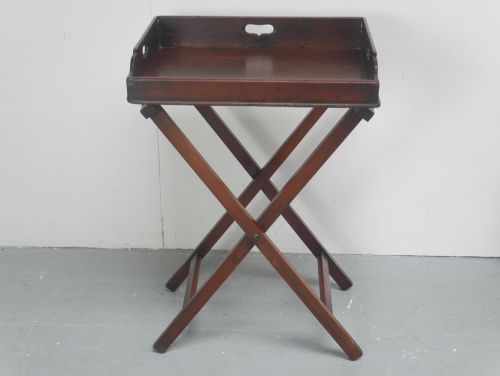
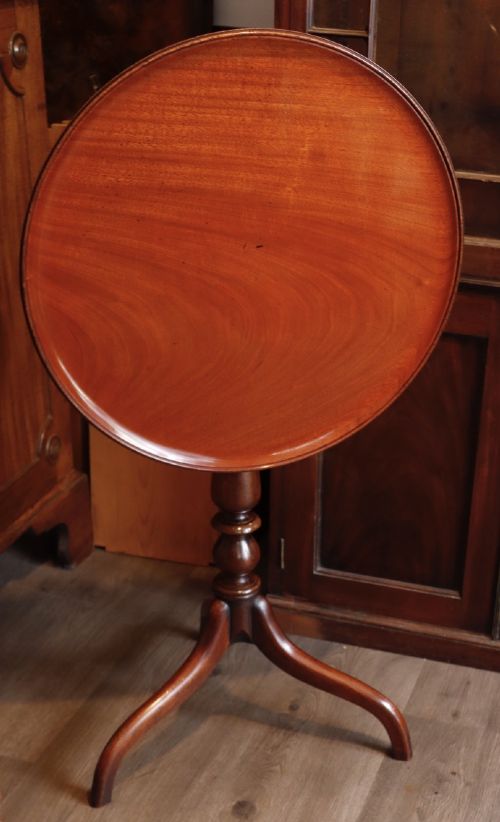
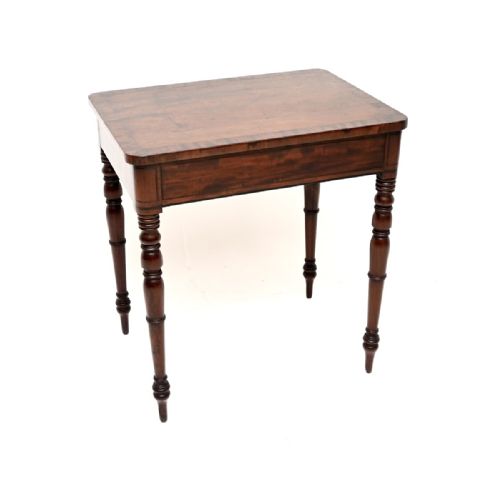
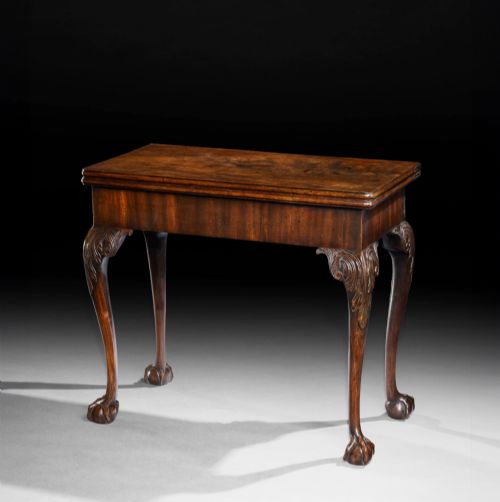
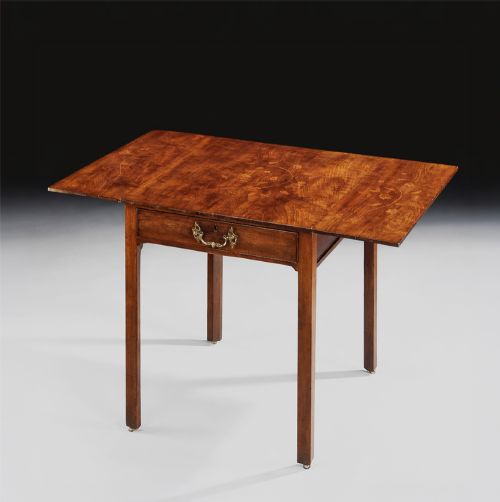
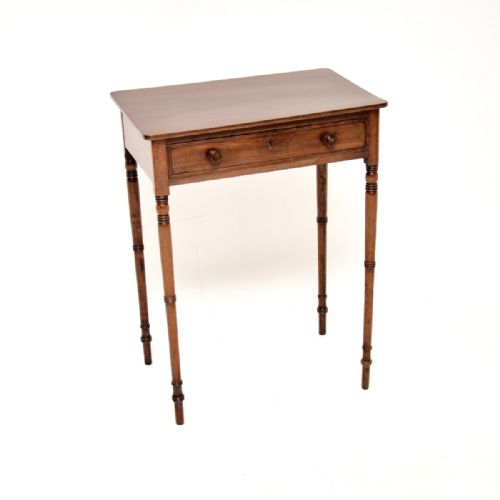
Georgian Wooden Tea Table
A georgian wooden tea table is a folding or tilt-top surface built to hold evening porcelain, combining eighteenth-century cabinet-making with domestic ritual.
Georgian Wooden Tea Table
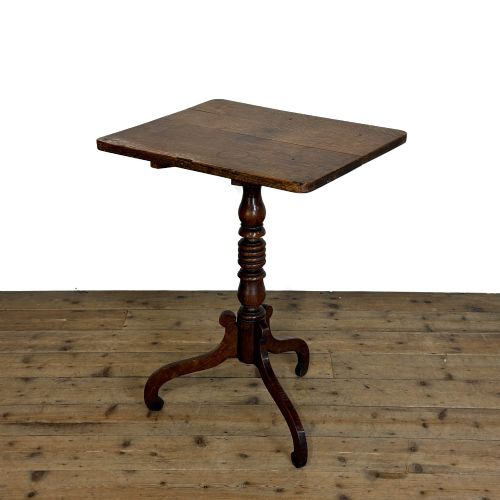
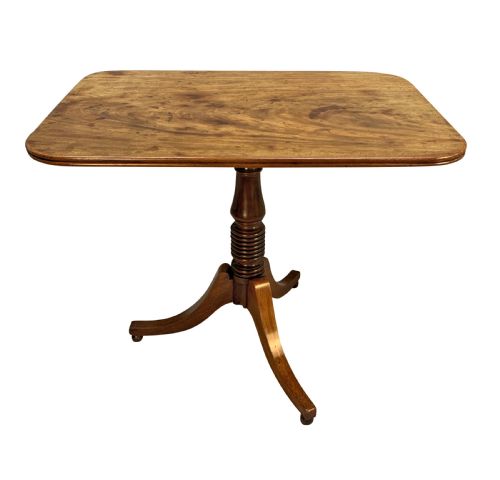
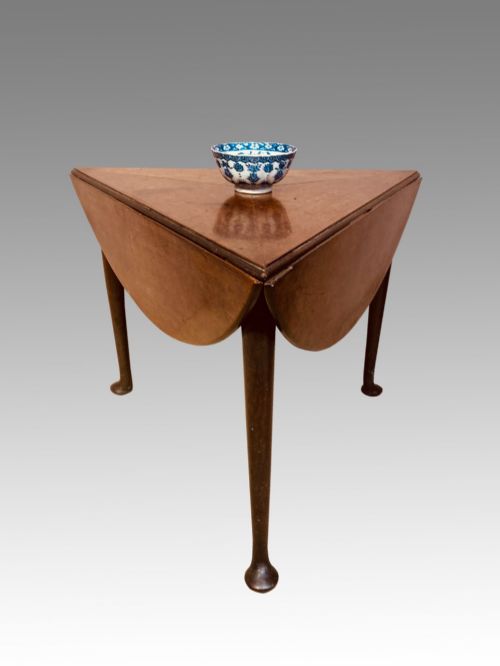
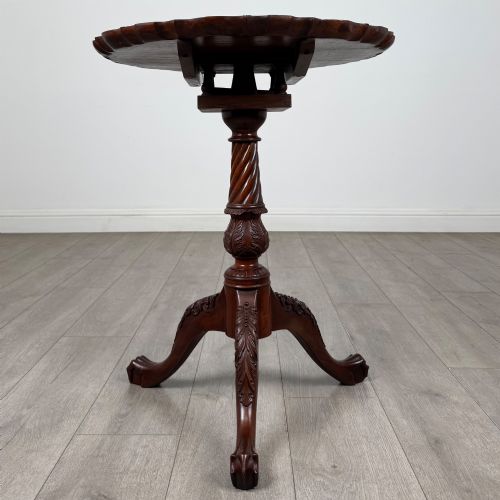
A georgian wooden tea table encompasses drop-leaf surfaces, foldover mechanisms, and tilt-top tripod designs created to serve tea in eighteenth-century and nineteenth-century parlours.
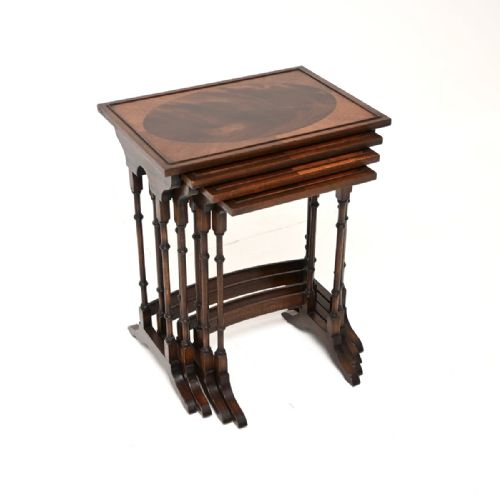
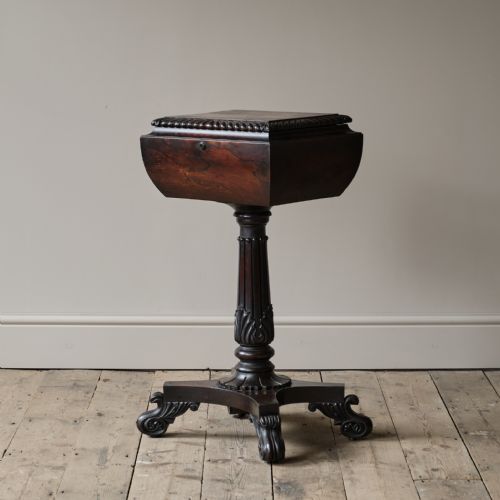
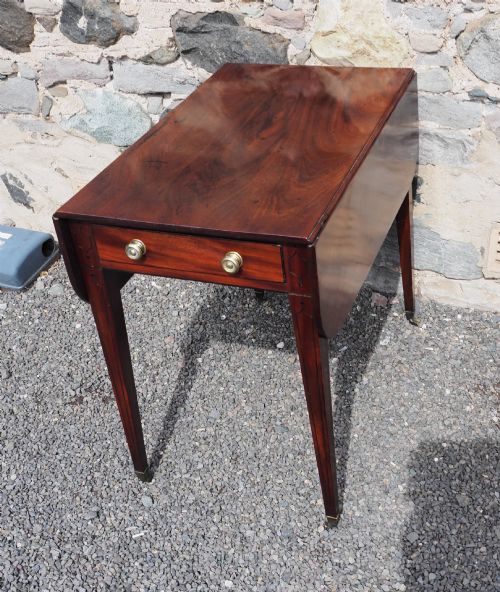
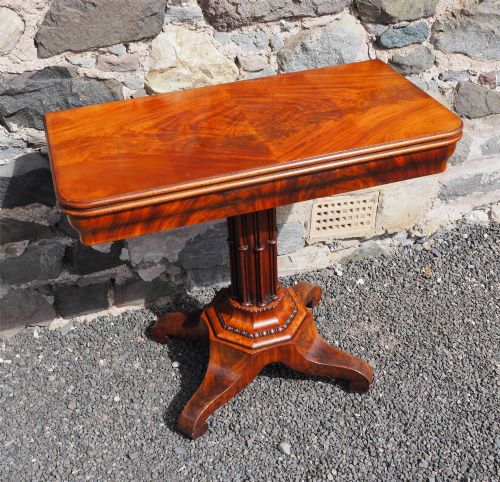
The pieces on this page appear in forms such as card tables, pembroke tables, and occasional stands, originating from the eighteenth century, the regency, and later revival periods.
Buyers meet mahogany most frequently, alongside walnut, oak, and satinwood, constructed in styles spanning George II, George III, and Sheraton periods.
Materials and construction
Cabinet-makers utilised dense timbers like Cuban and Honduras mahogany, red walnut, and burr oak, frequently selecting veneers with pronounced figure for table tops.
Joinery techniques included concertina actions for card tables, birdcage mechanisms for tilt-top tripod pedestals, and subtle wood inlay or satinwood banding for decoration.
Listings feature mahogany, oak, walnut, satinwood, and brass, spanning the eighteenth century, regency era, and early twentieth-century revivals.
Qualities of manufacture
Superior examples display crisp carving on cabriole legs or tripod bases, balanced proportions in the folding leaves, and well-figured timber selected for the primary visual surfaces.
The precision of the mechanical joints, such as concertina actions or tilt-top catches, separates standard utilitarian pieces from workshop items of finer execution.
The Georgian Wooden Tea Table Glossary
- Tilt-top table
- A table featuring a mechanism allowing the surface to pivot vertically against the pedestal when not in use. This clever space-saving design became popular in the eighteenth century.
- Pembroke table
- A small rectangular table fitted with two hinged drop leaves on opposing sides. It often includes a single drawer and slender legs.
- Tripod table
- A piece supported by a single central pillar resting on three spreading feet. These versatile stands served for lamps, tea, or occasional use.
- Concertina action
- An expanding framework that supports a foldover table top when opened. It allows all four legs to move outward symmetrically.
- Birdcage mechanism
- A rotating wooden frame positioned between a table top and its central pedestal. This construction allows the surface both to tilt and to swivel.
Georgian Wooden Tea Table: Frequently Asked Questions
What is a georgian wooden tea table used for?
These tables served primarily in eighteenth-century drawing rooms for holding tea service equipment during social gatherings. The foldable or tilting tops allowed the furniture to be cleared away against the wall when tea time ended.
Today, buyers utilise them as functional side tables or accent pieces in living spaces where compact surfaces are required.
How do I identify a georgian period table?
Look for traditional timber choices such as mahogany, walnut, and oak, combined with period construction methods like hand-cut dovetails and pegged joints. Stylistic cues often align with George II, George III, or Sheraton design idioms.
Check for honest signs of age in the timber grain and patination rather than relying solely on applied labels or modern hardware.
How should I care for antique mahogany wood?
Keep wooden surfaces away from direct sunlight and strong heat sources to prevent the timber from drying out or splitting. Gentle dusting with a soft cloth preserves the natural wax finish and historic patination.
Apply a quality beeswax polish sparingly when the wood appears dry, rubbing it thoroughly into the grain to maintain a soft lustre.