
Georgian Round Side Table
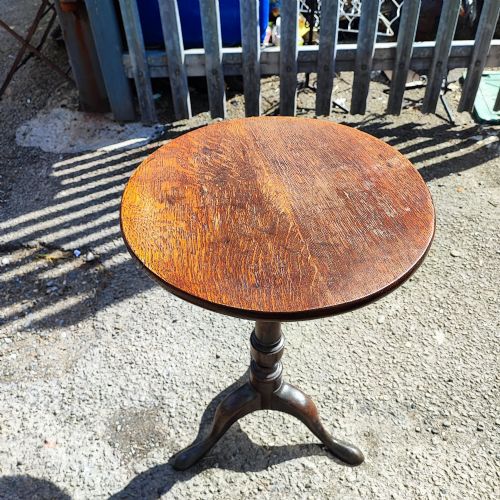
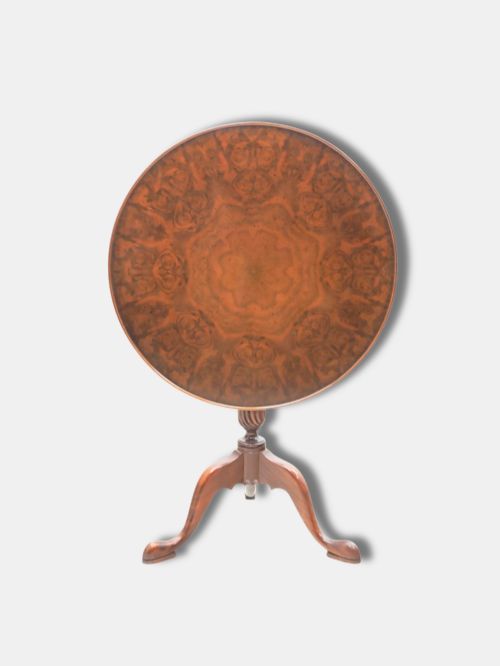
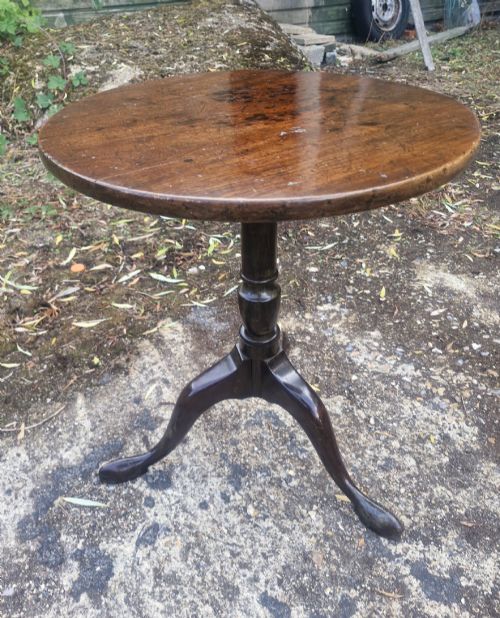
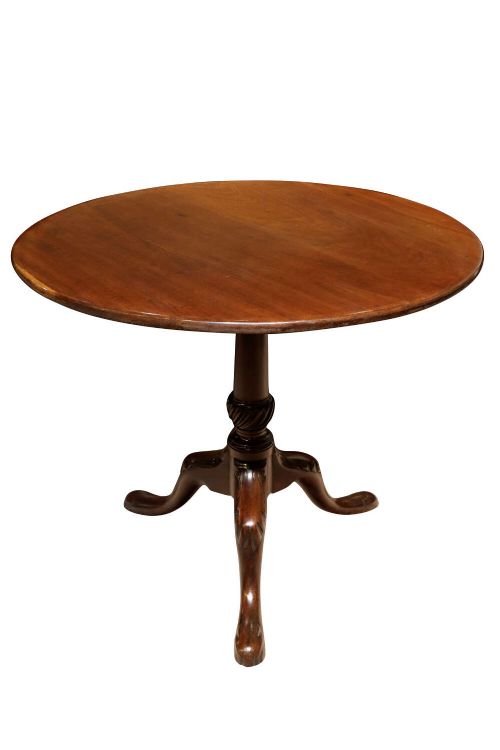
A georgian round side table provides compact surface space with traditional tripod or pedestal supports.
Georgian Round Side Table
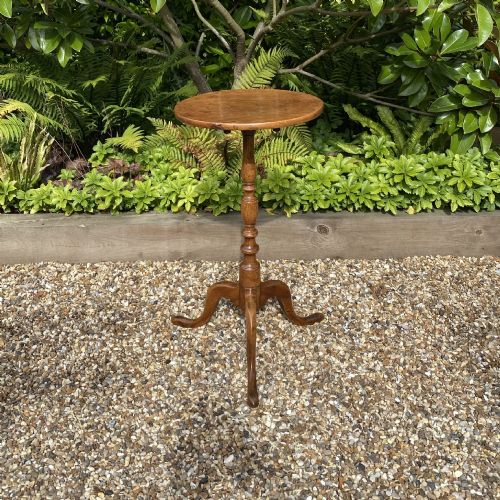
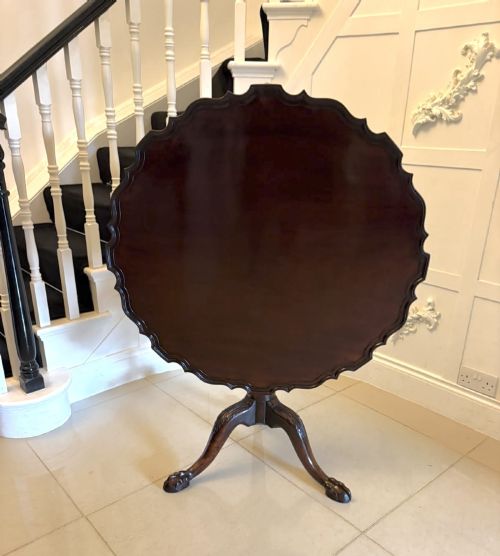
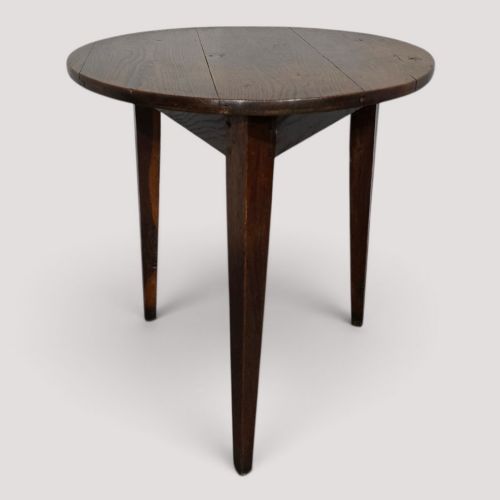
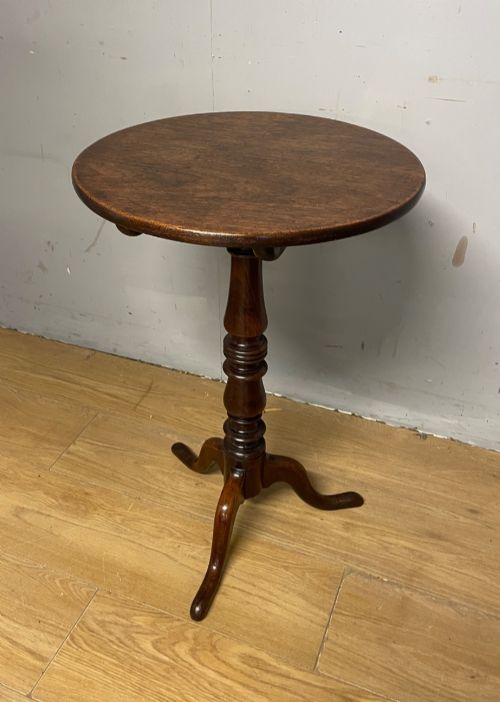
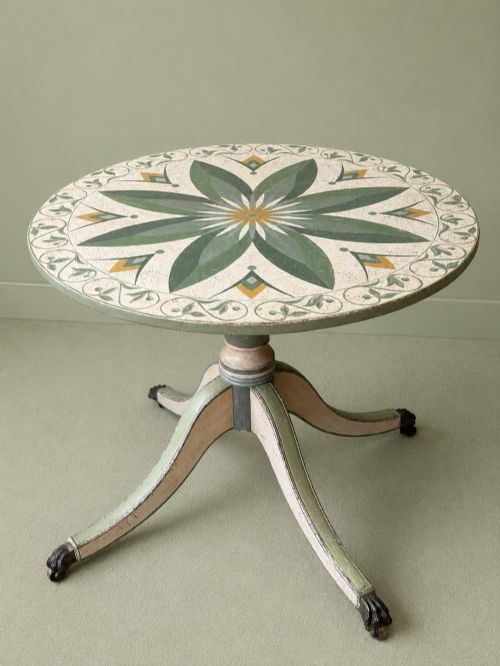
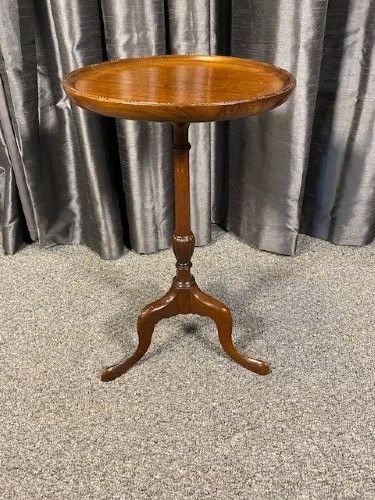
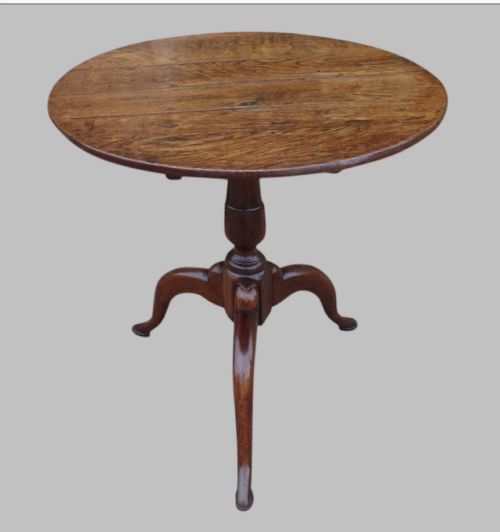
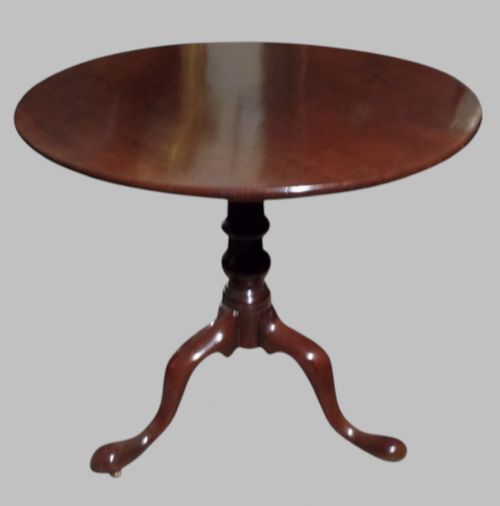
A georgian round side table is a compact circular piece designed for occasional use beside chairs or in corners. You will frequently encounter tripod wine tables, tilt-top examples, and cricket tables originating from the eighteenth and nineteenth centuries.
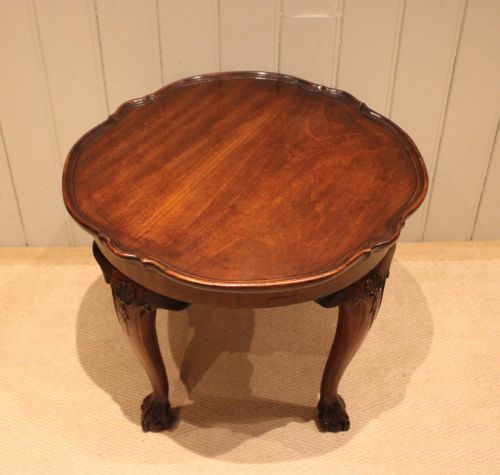
The selection ranges from country oak and elm vernacular pieces to finer mahogany examples featuring birdcage mechanisms. Later revivals from the twentieth century also appear alongside pieces from the original periods.
Materials and construction
Cabinet makers utilised dense timbers such as mahogany, oak, walnut, and elm for stability on single-pillar tripod bases. Turning lathes shaped central pedestals, while joined legs formed sturdy three-legged supports for smaller table tops.
Tilt-top mechanisms often incorporated wooden or brass catches allowing the circular surface to pivot upright when not in use. Joinery techniques included pegged mortise and tenon joints on oak country pieces and finer dovetailing on polished mahogany furniture.
Listings feature timbers including mahogany, oak, walnut, elm, and burr walnut veneer across Georgian, Victorian, and twentieth century periods.
Quality variations
The crispness of timber carving on the tripod knees and the choice of wood grain dictate the grade of each piece. Figured mahogany or burr walnut veneers demonstrate higher workshop standards than plain utility boards.
Structural integrity depends on original pillar mountings and the tightness of the central pivot mechanisms. Tables retaining their original tilt blocks and unwarped circular tops command greater appreciation among collectors.
The Georgian Round Side Table Glossary
- Tripod table
- A small round table supported by a central pillar resting on three legs. This form became popular during the eighteenth century for serving wine or holding candles.
- Tilt-top
- A table top attached to a mechanism allowing the surface to swivel and fold vertically. This design enabled convenient storage against walls when the table was idle.
- Cricket table
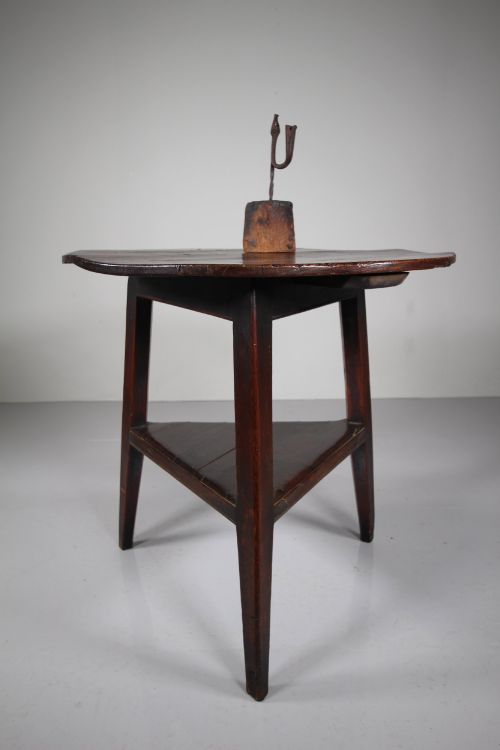
- A small circular wooden table with three splayed legs and often an undertag shelf. Country makers built these robust utility items using oak and elm.
- Birdcage
- A rotating wooden frame beneath a tilt-top table that allows the top to both pivot and rotate horizontally. It represents a more complex mechanism found on higher grade examples.
- Demilune
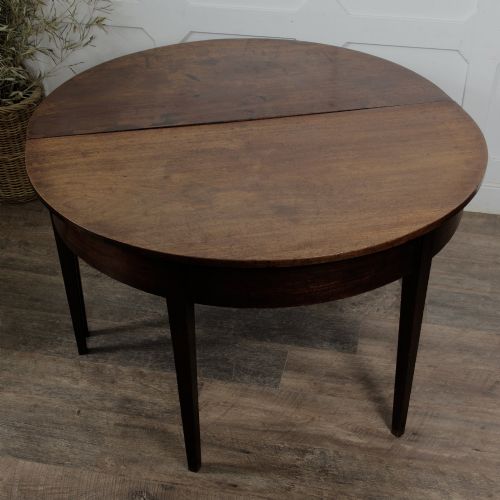
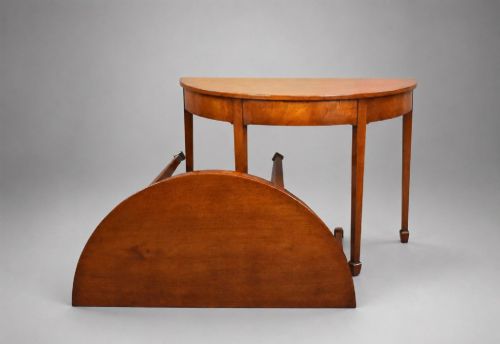
- A half-moon shaped table designed to stand flat against a wall. Pairs of these items could be joined together to form a larger circular dining surface.
Georgian Round Side Table: Frequently Asked Questions
What were these tables used for originally?
These small circular tables served versatile roles in domestic interiors, holding tea equipment, wine decanters, or reading lamps near seating areas.
Tilt-top variants allowed servants to clear floor space quickly by folding the tops upright against walls when rooms were needed for other activities.
How do I identify a genuine period piece?
Examine the timber surfaces for hand-cut tool marks, shrinkage patterns, and the rich patina developed over centuries of polishing. Original fixtures like iron or brass fittings and traditional peg construction offer strong indicators of age.
Compare the proportions and wood types against documented examples from the eighteenth and nineteenth centuries. Later revival pieces often display machine-cut uniformity and different internal framing methods.
Can I use a tilt-top table daily?
Daily use is entirely practical provided the central pivot mechanism and leg joints remain stable and secure. Placing lighter objects on the surface prevents undue strain on older timber joints.
Take care when operating the tilt mechanism to avoid sudden drops that might stress the wooden catch block beneath the top.
How do I fit one into a modern room?
A round side table works effectively beside armchairs, between sofas, or as a display surface in empty corners. Their compact footprints allow them to occupy minimal floor space while adding organic warmth from aged wood.
Pairing a dark mahogany or oak table with contemporary seating creates a striking textural contrast in modern living spaces.