

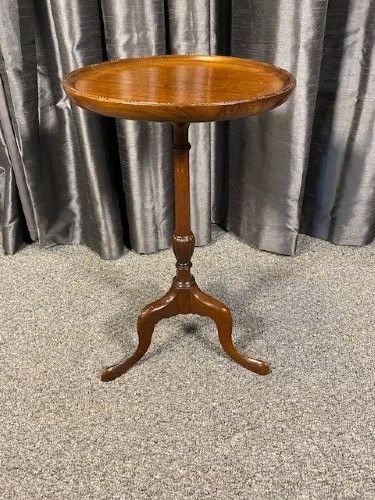
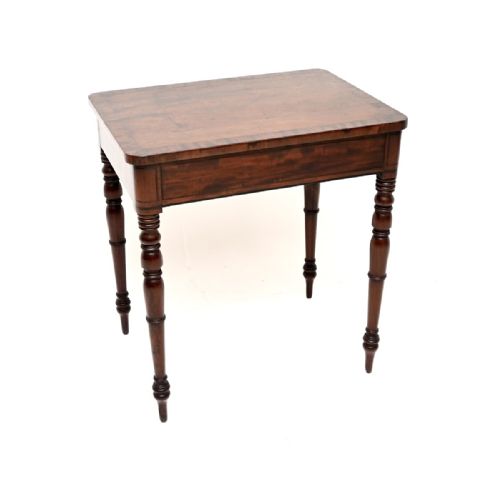
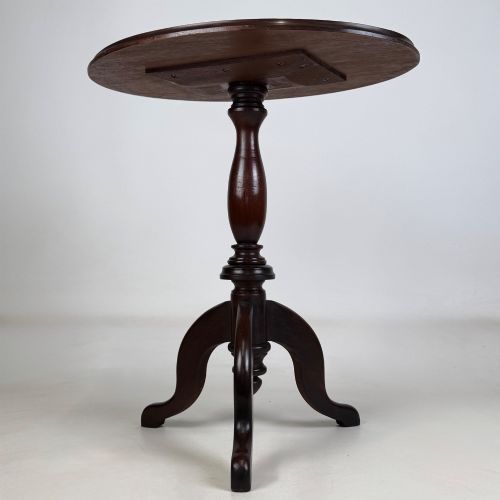
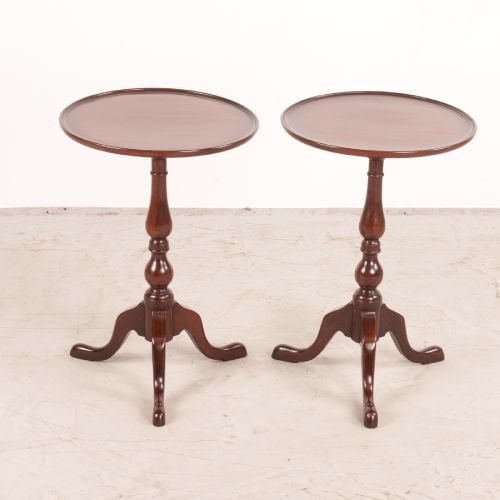


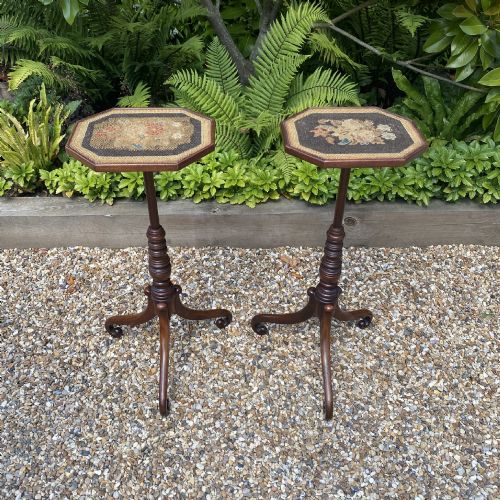
Traditional Mahogany Lamp Table
A traditional mahogany lamp table brings warm timber and steady proportion to a corner, holding a reading light beside a favoured chair.
Traditional Mahogany Lamp Table
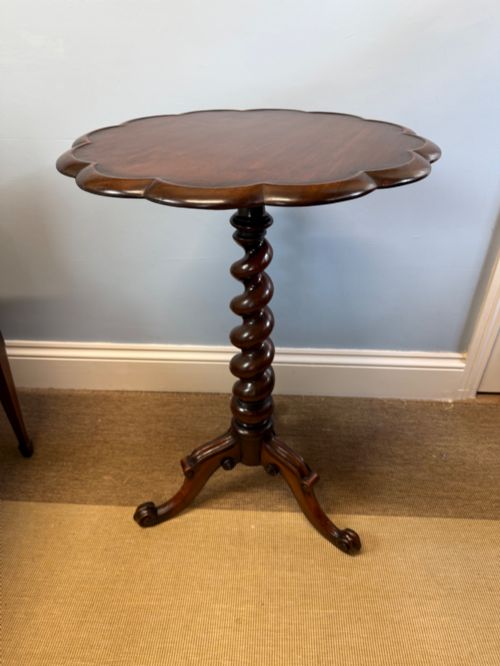
A traditional mahogany lamp table serves as a functional surface for illumination and small objects, often taking the form of a wine table, occasional table, or compact side table. These pieces emerge across periods from the eighteenth century through to the early twentieth century, reflecting shifting domestic needs.
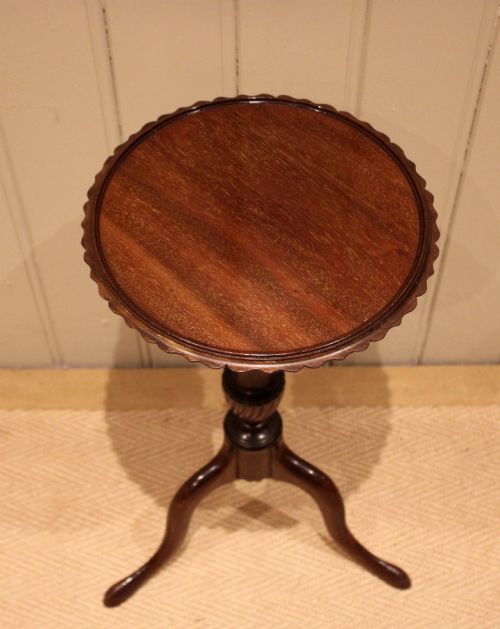
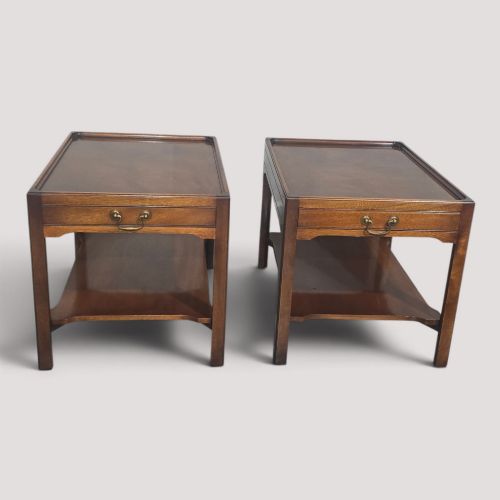
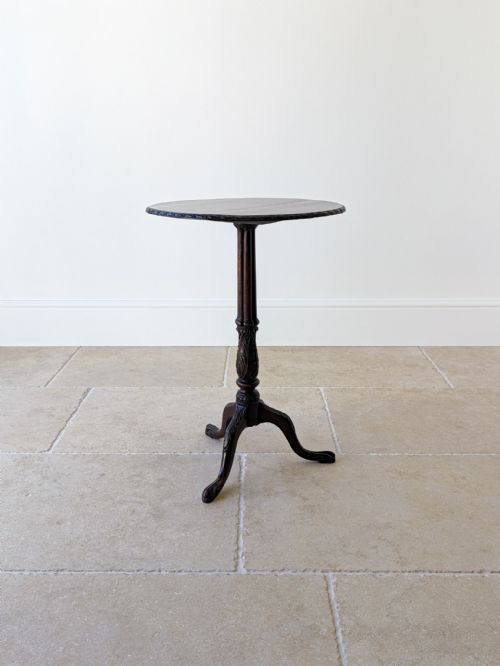
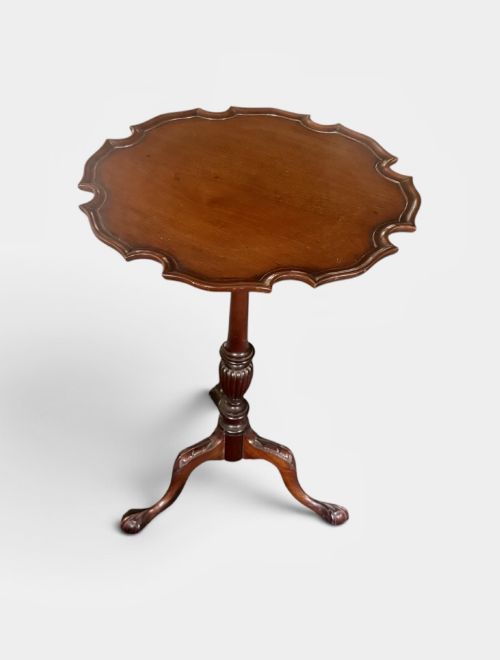
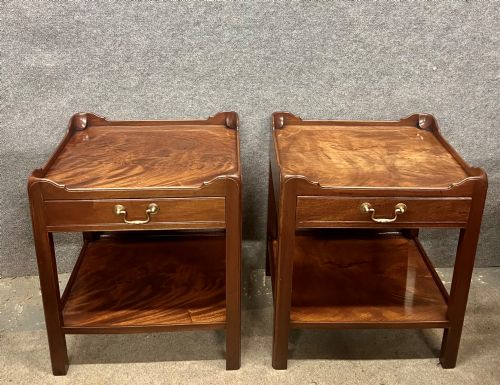
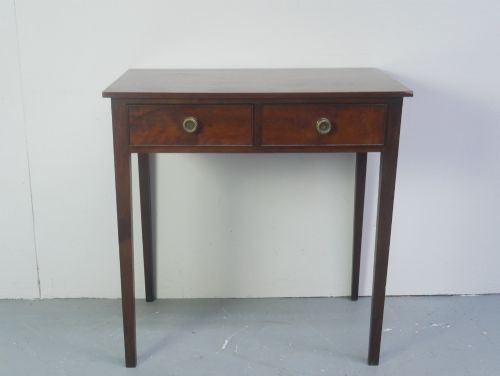
Buyers meet variations spanning simple round tripod wine tables with tilting tops to rectangular bedside cabinets and nests of tables. The dominant forms rely on a central pillar supported by three legs or straightforward four-leg configurations designed to sit beside seating.
Origins stretch from genuine Georgian pieces to later revival pieces influenced by Chippendale and Regency aesthetics. This mix provides sturdy hardwood utility suited to modern rooms without losing period character.
Materials and Construction Methods
Timbers are primarily mahogany and solid mahogany, occasionally accented with burr walnut or enriched through marquetry inlay and brass fittings. Artisans selected dense hardwoods to ensure stability, particularly for slender tripod bases and spider leg designs.
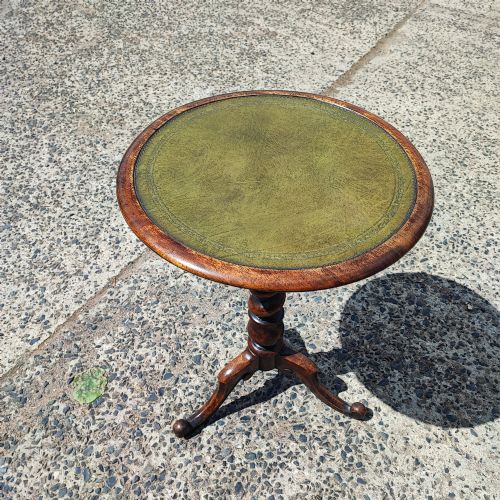
Surfaces frequently feature decorative elements such as shaped pie crust rims, carved details, or leather inserts depending on the specific period and style. Joinery prioritises sturdy frame construction and secure pillar-to-leg joints to withstand daily placement of lamps and household items.
Distinctions in Quality and Execution
Quality rests in the crispness of carved details, the choice of well-figured timber, and the structural integrity of joints. Superior examples exhibit balanced proportions, refined tripod turnings, and precise inlay work without heavy restorations.
Lesser pieces may show coarser timber selection, simplified legs, or replacement hardware that alters the original balance. The harmony between the top surface and the supporting base dictates the visual success of each individual table.
The Traditional Mahogany Lamp Table Glossary
- Mahogany
- A durable tropical hardwood prized for its rich reddish-brown colour and stable grain. It forms the primary structural material for these tables across multiple centuries.
- Tripod Table
- A small occasional table supported by a central pillar resting on three spreading legs. This design prevents rocking on uneven floors.
- Tilt Top
- A tabletop hinged to the pillar so it can be folded into a vertical position when not in use. This mechanism saved space in period drawing rooms.
- Pie Crust Rim
- A raised, decoratively carved edge shaped around the perimeter of a circular tabletop. It prevents small items from rolling off.
- Spider Leg
- A very slender leg style utilised on delicate occasional tables. The thin turned components create an appearance of lightness while maintaining support.
Traditional Mahogany Lamp Table: Frequently Asked Questions
What is a traditional mahogany lamp table used for?
These tables provide a stable surface for reading lamps, small ornaments, and drinking glasses beside a sofa or armchair. Their compact footprint allows them to fit neatly into corners and narrow spaces where larger furniture will not go.
Historically, similar small tables held candles, wine decanters, or sewing equipment. Today they function as versatile accent pieces that combine practical utility with traditional cabinetmaking.
How do I distinguish an 18th century table from a later revival?
Eighteenth-century examples display hand-cut joinery, timber with deep natural patina, and structural wear consistent with extended age. Tool marks on the underside of the top and base often reveal the methods of period artisans.
Revival pieces from the Victorian and Edwardian eras typically utilise machine-assisted construction techniques while copying earlier Georgian or Chippendale styles. Examining the fasteners, secondary woods, and surface finishes helps clarify the actual date of manufacture.
Are these tables suitable for modern living rooms?
Their modest scale and warm mahogany tones allow these tables to blend easily with contemporary or mixed interior schemes. A single wine table or a nest of tables offers functional surface area without overwhelming a small room.
Placing a lamp on one creates an inviting pool of warm light while introducing historic texture. The durable hardwood construction handles everyday placement of modern electronics and lamps without difficulty.