
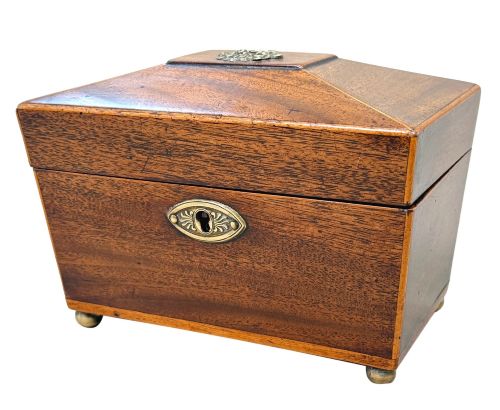
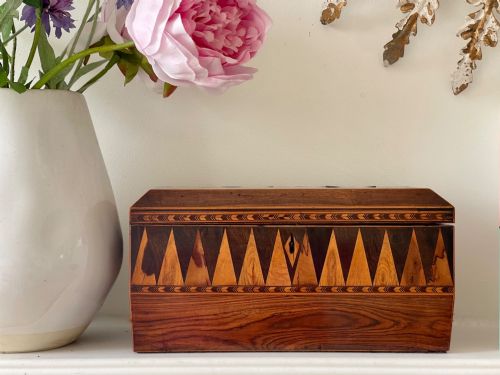

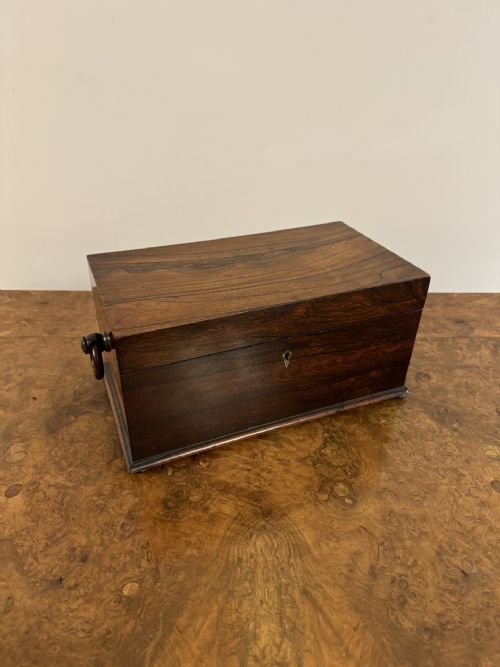
Georgian Wooden Tea Box
A georgian wooden tea box holds the leaves of a costly commodity under lock and key, bringing period craftsmanship into daily use.
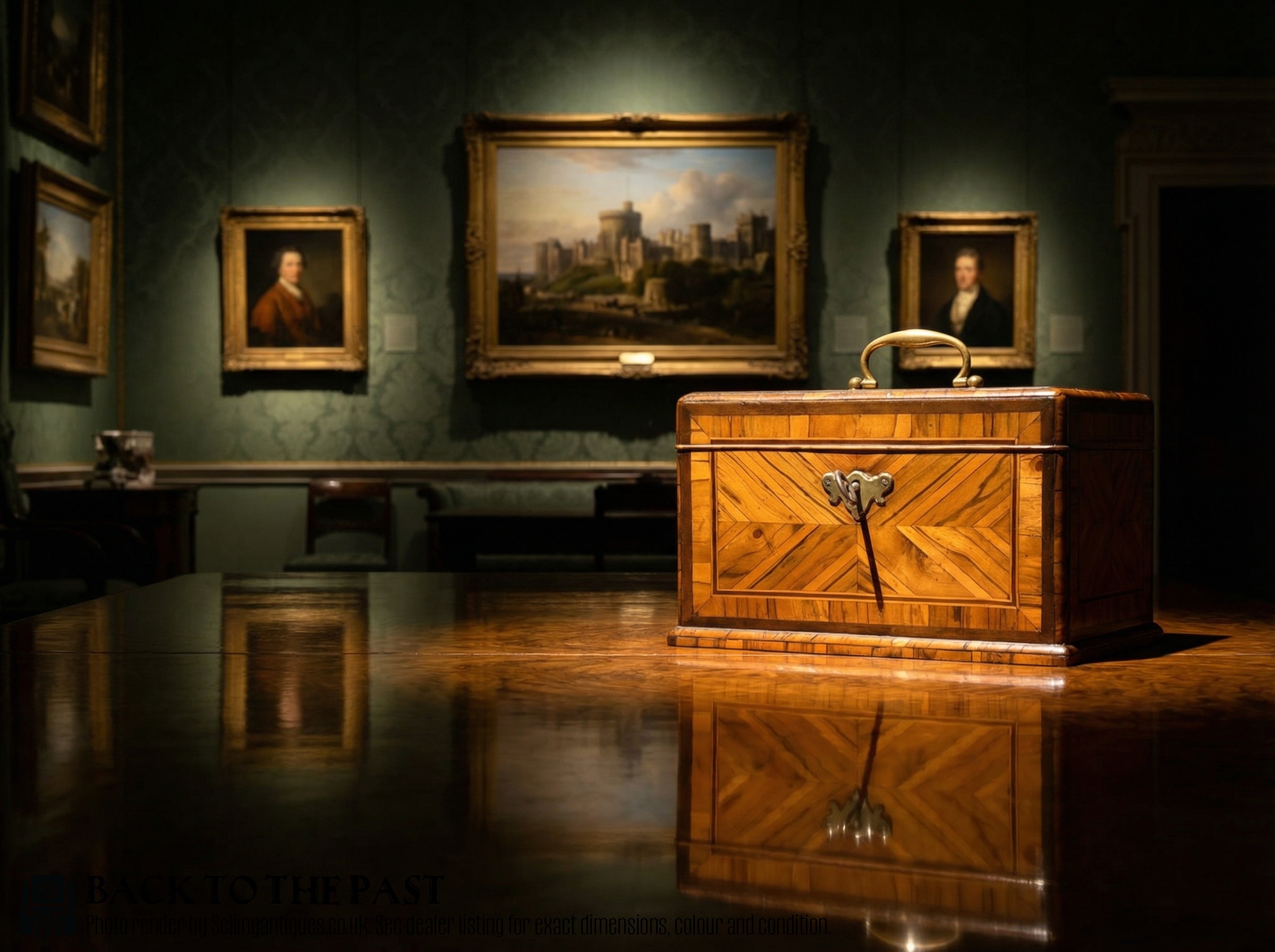
Georgian Wooden Tea Box
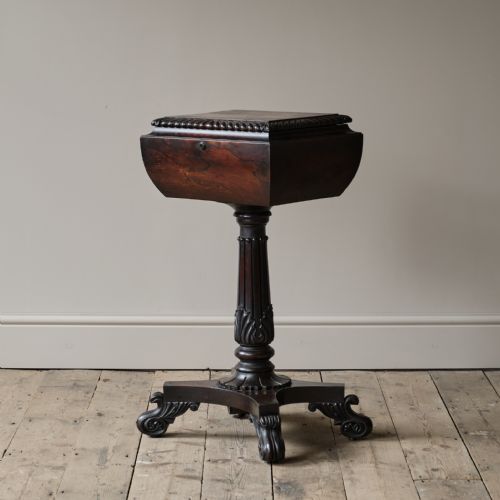
A georgian wooden tea box encompasses caddies, chests, and teapoys designed to store precious leaves securely. These containers date from the eighteenth and nineteenth centuries, spanning Georgian, Regency, and early Victorian periods.
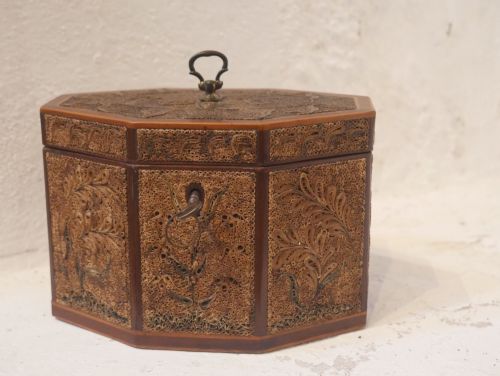
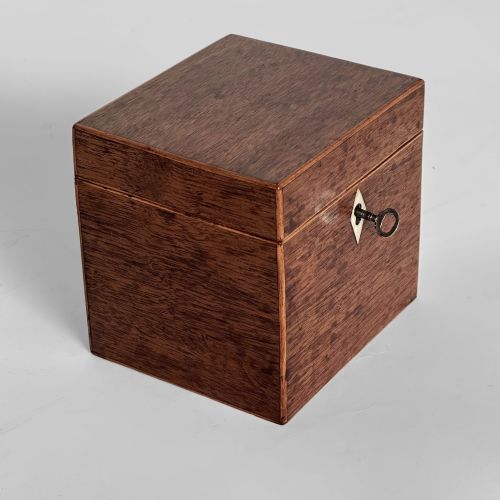
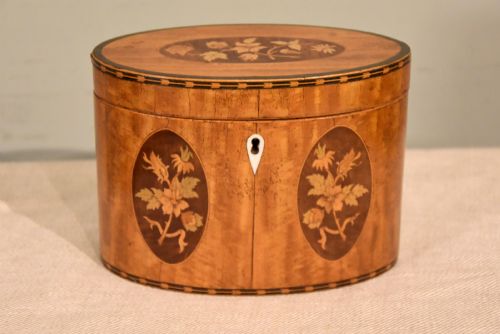
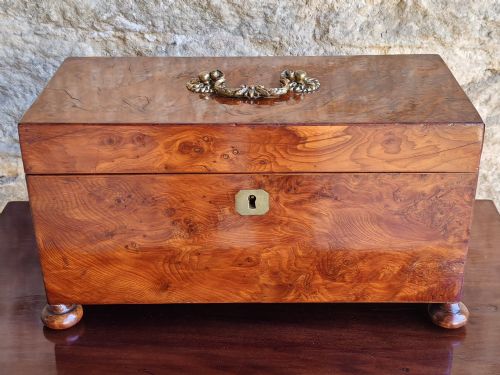
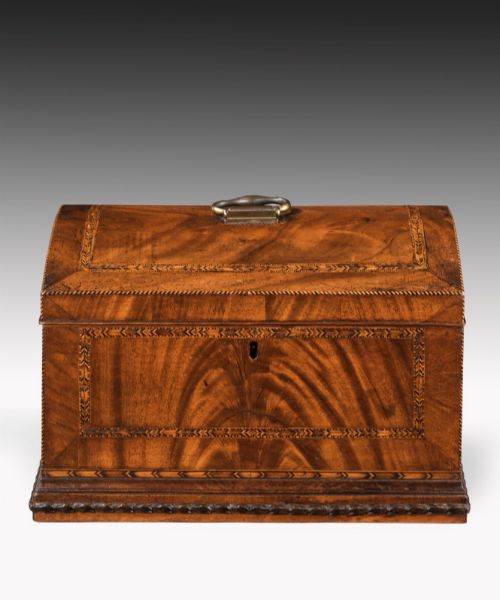
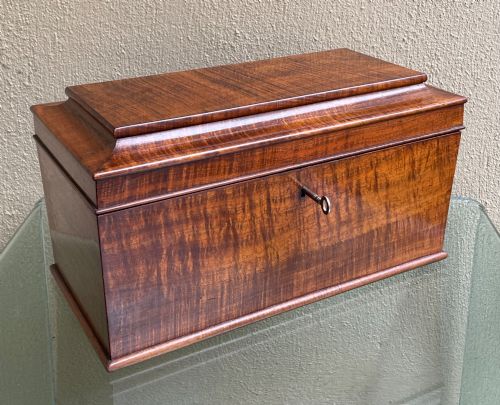
Mahogany and rosewood form the core of the selection, accompanied by lighter timbers such as satinwood, walnut, yew, and harewood. Boxes arrive in rectangular, sarcophagus, oval, hexagonal, and dome shapes.
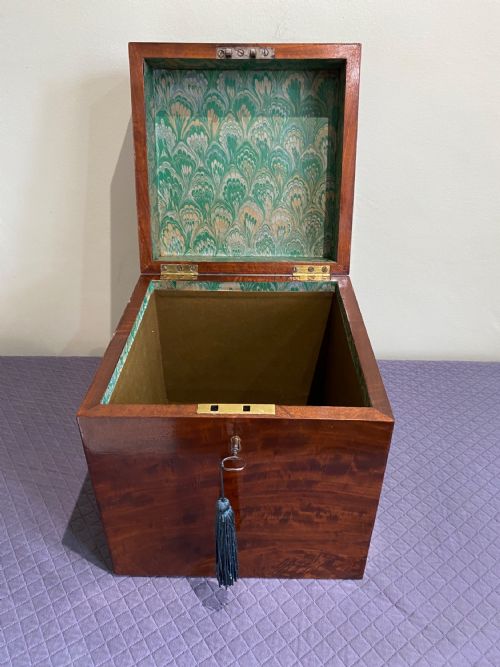
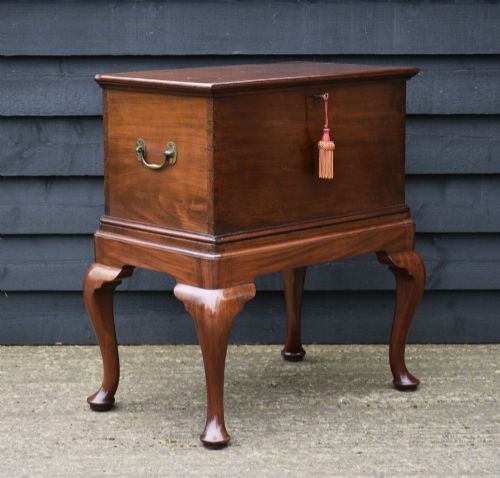
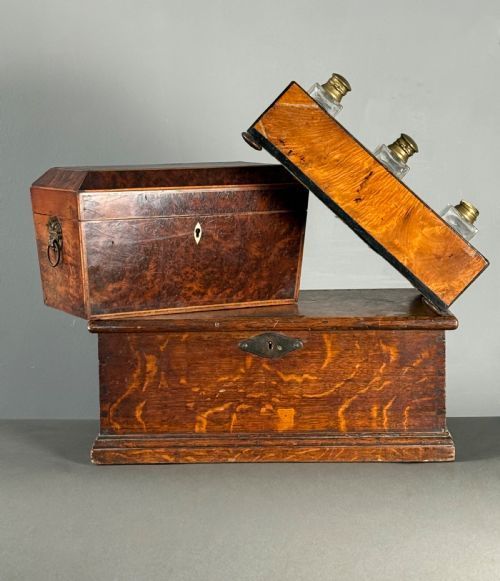
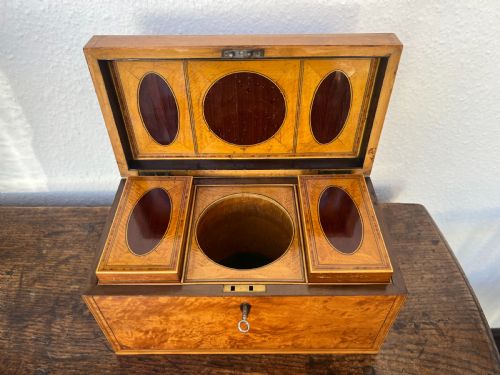
Many examples feature fitted interiors designed to hold loose leaves, alongside glass bowls or mixing sticks. Certain pieces rest upon stands or incorporate secret drawers for added utility.
How they were made
Cabinetmakers utilised dense tropical hardwoods and native timbers, shaping them into solid or veneered carcasses. Exterior surfaces frequently display intricate stringing, parquetry, or geometric marquetry.
Inlays of boxwood, ebony, bone, mother of pearl, and brass accent the timber grains. Specialised techniques like Tunbridge ware create detailed mosaic patterns using naturally coloured woods.
Hardware such as lion mask handles, padouk mounts, and working brass locks complete the construction, often paired with paper filigree or decorative scrollwork inside.
Georgian Wooden Tea Box Retail Price Guide 2026
Typical asking prices for georgian wooden tea box among the pieces listed under this phrase on Sellingantiques today, from the lower quarter to the upper quarter. They describe what is for sale here now, not the wider market.
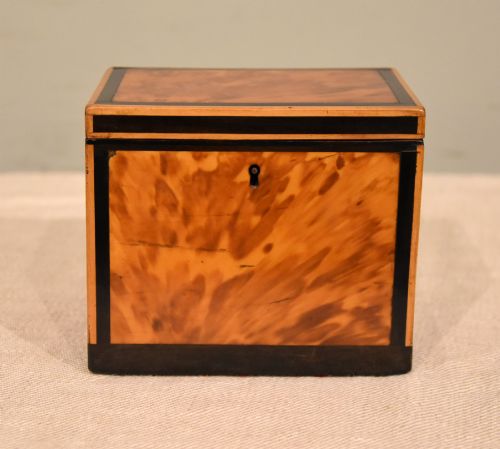
Listings feature eighteenth and nineteenth century periods, utilising mahogany, rosewood, satinwood, walnut, and tortoiseshell.
What varies in quality
The sophistication of the timber selection dictates much of the distinction, with burr figures and figured grains commanding attention. Richly patterned satinwood and burr yew elevate simple geometric forms.
Detailing in the decorative embellishments separates standard boxes from finer examples. Precision in brass inlay, delicate butterfly or star wood marquetry, and intact paper scrollwork indicate skilled labour.
The survival of internal fittings, original glass mixing bowls, functioning locks with keys, and untouched patination preserves the integrity of the piece.
The Georgian Wooden Tea Box Glossary
- Teapoy
- A large tea caddy supported on a central pillar with feet, or built as a small table. These freestanding pieces allowed tea to be mixed in the parlour.
- Tunbridge Ware
- Woodworking characterised by mosaic veneers made from tiny blocks of various natural coloured timbers. These tiles create pictorial or geometric designs on the box exterior.
- Parquetry
- Geometric wood-mosaic work used for flooring and cabinet decoration. Artisans arrange small wood veneers to form repeating patterns across the lid and sides.
- Navette
- A boat-shaped outline with pointed ends, used for specific oval box designs. This symmetrical curved form appears frequently on late eighteenth-century pieces.
Georgian Wooden Tea Box: Frequently Asked Questions
How do I date a wooden tea caddy?
Examine the timber choices, construction methods, and overall silhouette to establish the period. Georgian pieces often favour mahogany and simple geometric lines, whereas Regency examples introduce sarcophagus shapes and brass inlay.
Hardware styles, interior paper linings, and lock mechanisms offer further clues. Comparing the carcass construction to known historical forms helps narrow down the decade of manufacture.
What were the interior bowls used for?
The glass bowls found inside many caddies served as mixing vessels for combining different varieties of tea leaves. Black and green teas were blended to suit individual tastes before brewing.
These bowls also held sugar or acted as spoon rinses. Surviving original glassware adds significant interest to the container.
Why did these boxes have locks?
Tea was an extremely valuable commodity in the eighteenth and nineteenth centuries, imported from afar at great expense. Locking the container prevented domestic staff or guests from accessing the dry leaves unsupervised.
Keys were kept securely by the mistress of the house. The presence of a working lock underscores the status tea once held in the household.
How should I care for antique wood?
Keep wooden caddies away from direct sunlight and sudden changes in temperature to prevent the timber and veneer from splitting. Maintain stable indoor humidity levels in the room.
Apply a light application of appropriate wax polish occasionally to nourish the surface and preserve the historic shine. Avoid using liquid cleaners or synthetic sprays.