
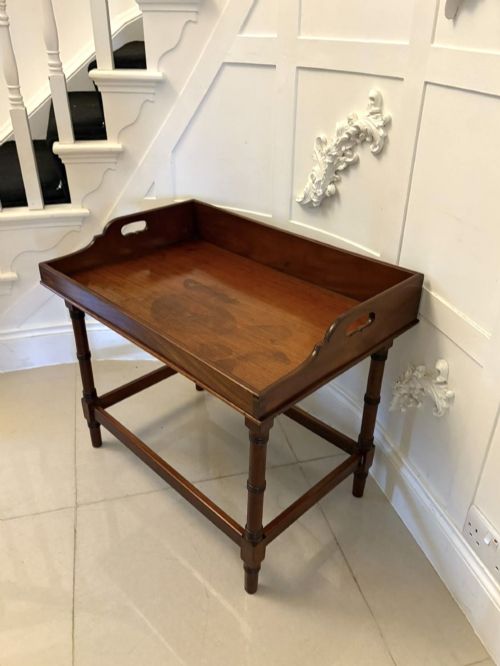
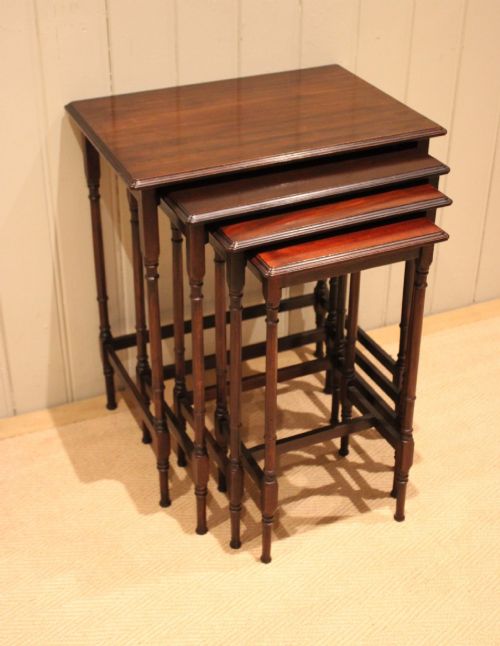
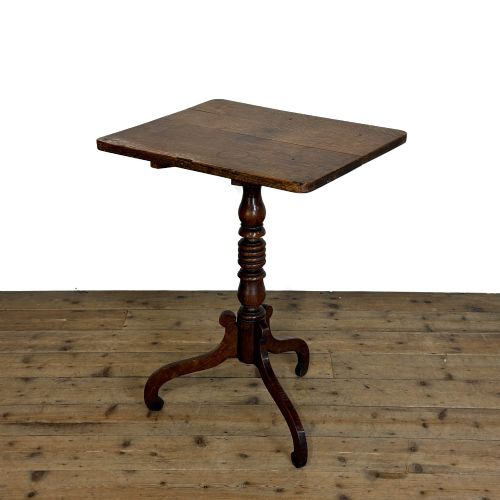
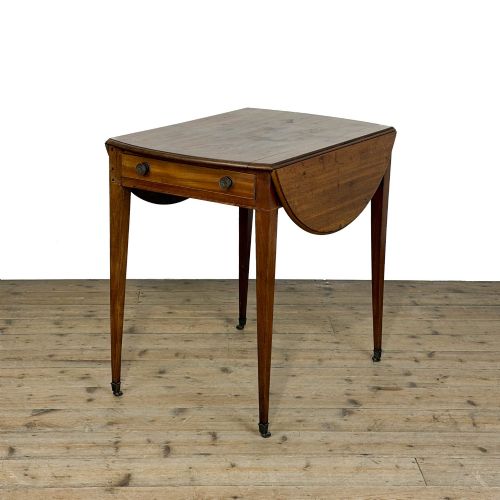

Georgian Wooden Occasional Table
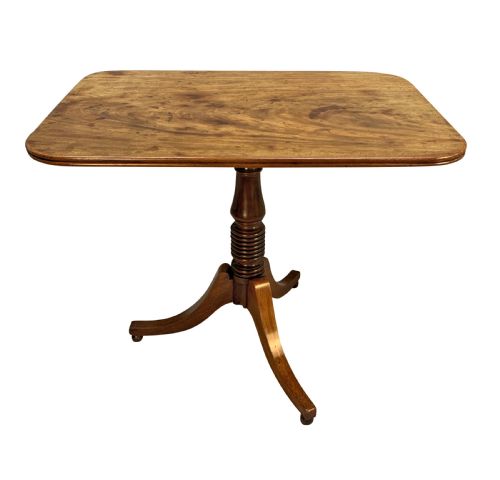
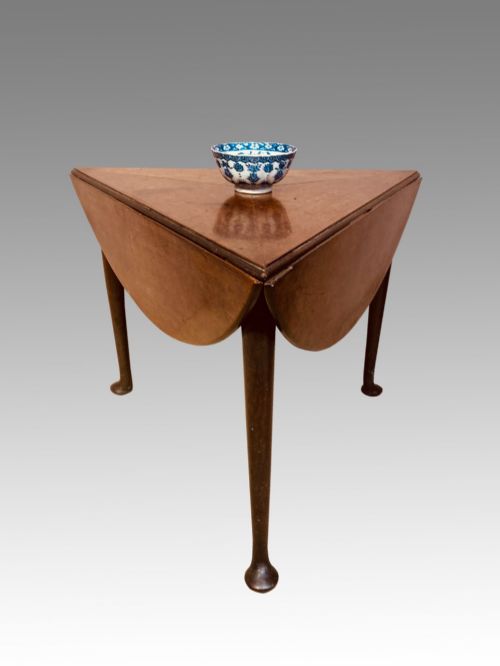
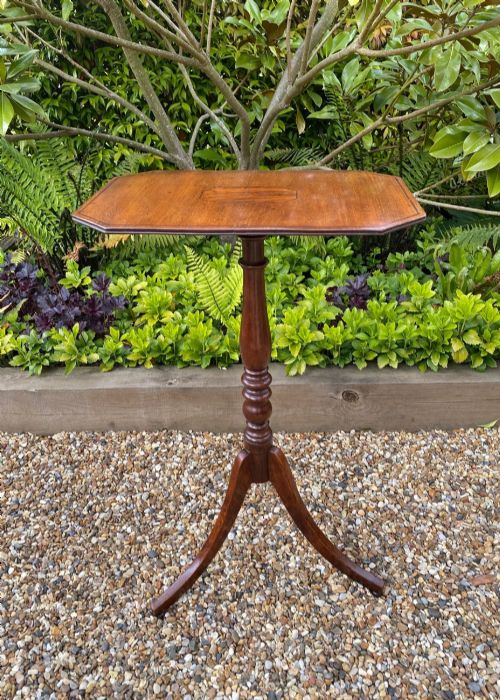
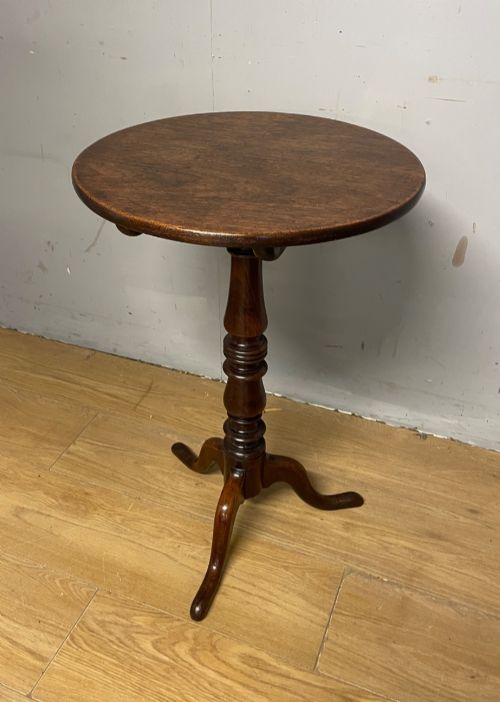
A georgian wooden occasional table brings flexible surface space and rich timber grain into a room, spanning forms from tilt-top wine stands to Pembroke tables.
Georgian Wooden Occasional Table
A georgian wooden occasional table encompasses small, movable surfaces designed for specific domestic tasks rather than central dining. The selection ranges from compact tripod wine tables and cricket tables to drop-leaf Pembroke tables and nesting sets.
Most examples found here date from the Georgian period through to the Regency era, constructed to serve beside a chair or in a corner. These versatile forms reflect the evolving social habits of eighteenth and nineteenth-century households.
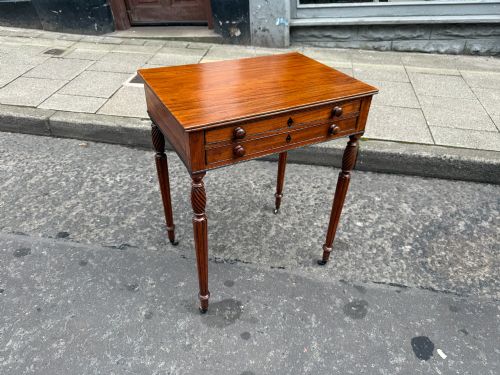
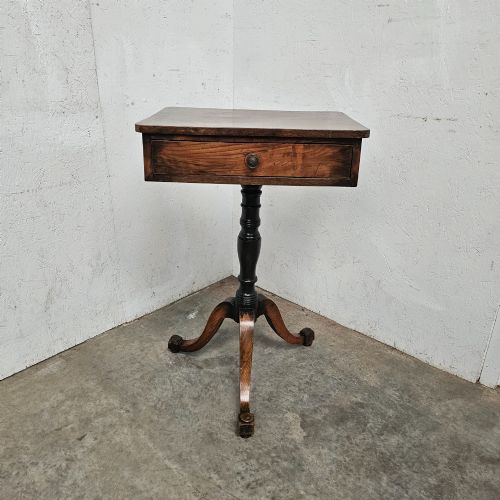
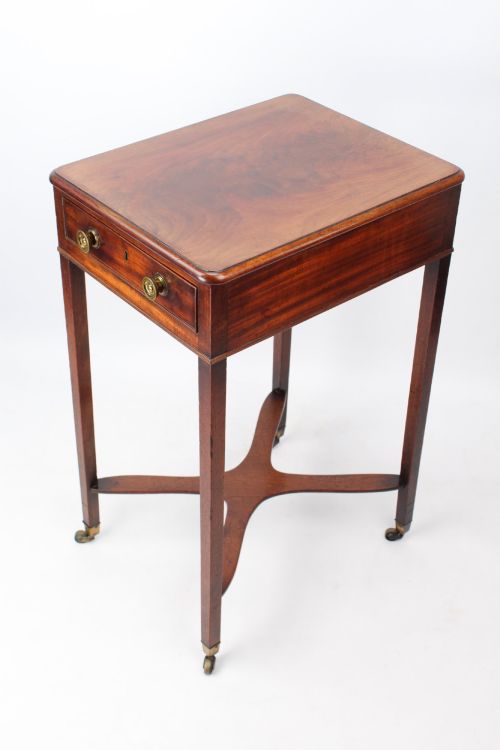
Buyers encounter numerous variations, including tilt-top pedestals fitted with birdcage mechanisms and narrow side tables featuring single drawers. Each piece demonstrates how cabinetmakers tailored small furniture to the specific rooms of a traditional home.
How they were made
Makers relied heavily on native and imported timbers, utilising mahogany, oak, walnut, and satinwood alongside fruitwood and English elm. These hardwoods were selected for both structural stability and rich natural grain patterns.
Construction techniques combined solid timber framing with delicate wood inlay and decorative veneer work, particularly on late period surfaces. Turning, dovetailing, and tripod pedestal joints ensured that these lightweight tables remained sturdy despite frequent movement around the house.
Watch for clever birdcage mechanisms that let tiny tables spin like compasses before folding flat against the wall.
What varies in quality
The degree of refinement in the timber selection and decorative detail separates standard utilitarian pieces from finer parlour furniture. Superior examples display carefully matched veneer grains and crisp, hand-cut inlay work.
Mechanical execution in moving parts, such as the snug fit of a drop-leaf hinge or the smooth rotation of a tilt-top birdcage mechanism, demonstrates the original joiner's skill. The balance of a tripod base and the proportion of the turned column also dictate the overall elegance of the table.
The Georgian Wooden Occasional Table Glossary
- Tilt-top table
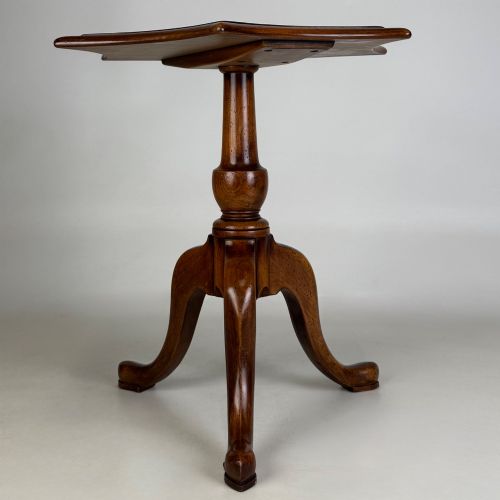
- A small pedestal table with a hinged top that folds vertically for convenient storage against a wall when not in use. This clever mechanism allowed compact rooms to remain uncluttered.
- Pembroke table
- A drop-leaf occasional table featuring hinged flaps on two opposing sides supported by swing brackets. It often includes one or two small drawers integrated into the frieze.
- Tripod table
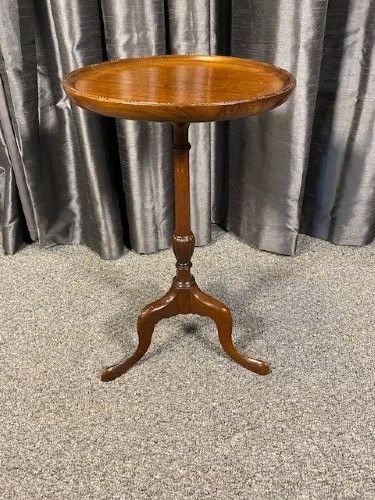
- A freestanding small table supported by a central pillar resting on three spreading legs. This design provided maximum stability on uneven floorboards.
- Birdcage mechanism
- A rotating wooden frame situated beneath a tilt-top table that allows the surface to both pivot and tilt. It represents a sophisticated piece of internal joinery.
- Cricket table
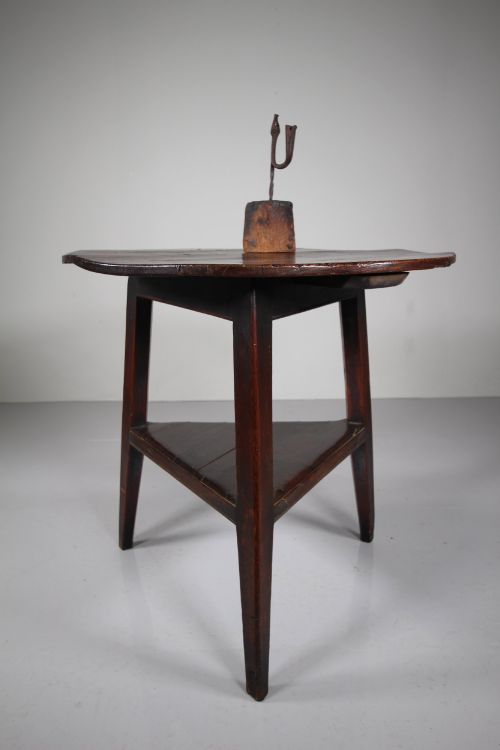
- A sturdy three-legged occasional table typically constructed from oak with a round top. The triangular base design ensures it stands firmly on flagged stone floors.
Georgian Wooden Occasional Table: Frequently Asked Questions
Where were occasional tables used?
These pieces sat beside chairs or near fireplaces to hold candles, tea equipment, or needlework. Their movable nature allowed servants to shift them around public rooms as daily activities changed.
Today they function effectively beside modern sofas or as bedside stands, offering practical surface area without dominating a room.
What is a spider leg table?
A spider leg table is an exceptionally slender folding table supported by multiple thin turned legs connected by delicate stretchers. This clever folding frame offers maximum legroom beneath a compact top.
They appear frequently in nineteenth-century settings where lightweight, easily repositioned furniture was prized.
Are nest of tables antique?
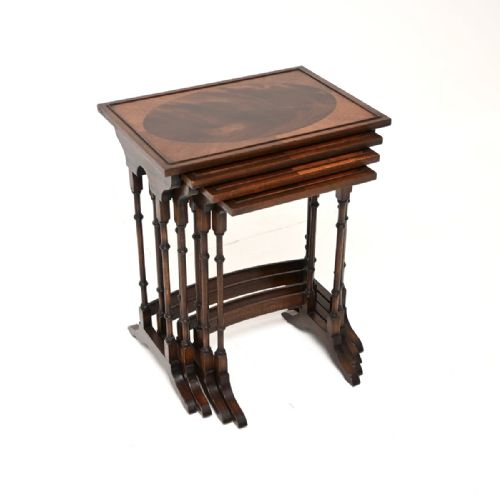
While individual occasional tables date primarily to the eighteenth and early nineteenth centuries, nesting sets frequently appear from later periods including the Edwardian era and the early twentieth century. These graded sets slide neatly beneath one another to economise space.
Cabinetmakers adopted the concept to suit more compact Victorian and Edwardian drawing rooms.