



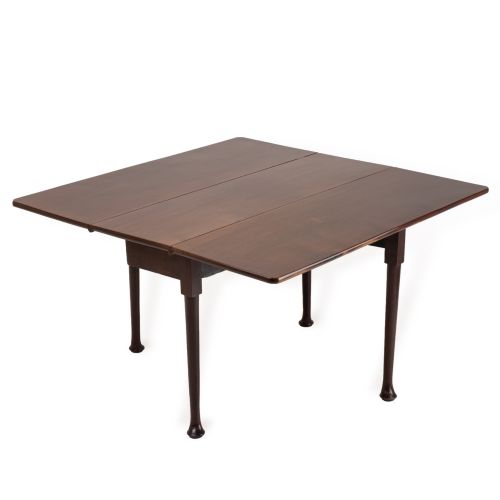
Georgian Oval Side Table
A georgian oval side table brings subtle curves and warm timbers to a room, offering a practical surface with period character.
Georgian Oval Side Table
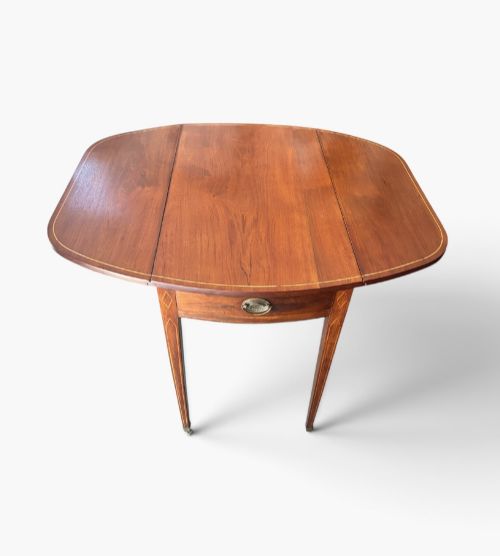
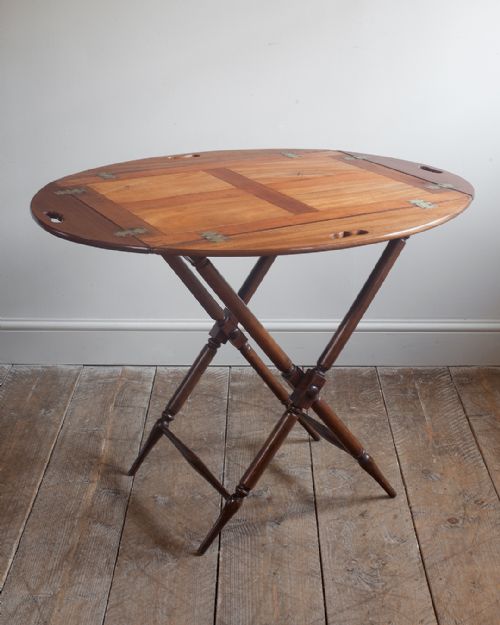
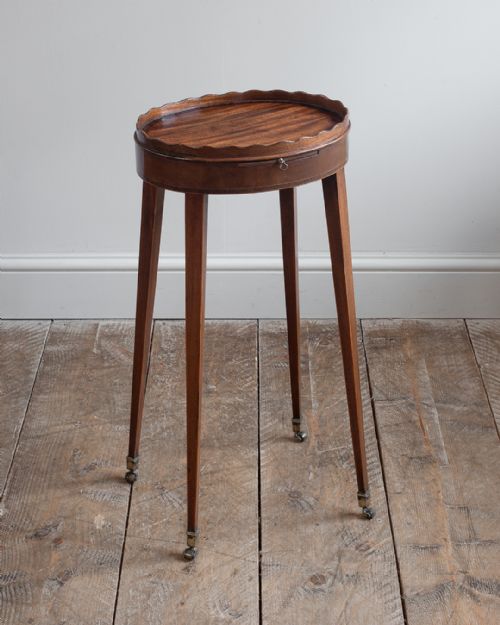
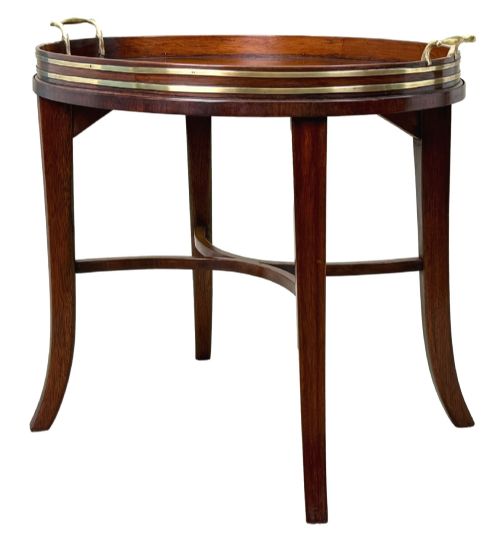
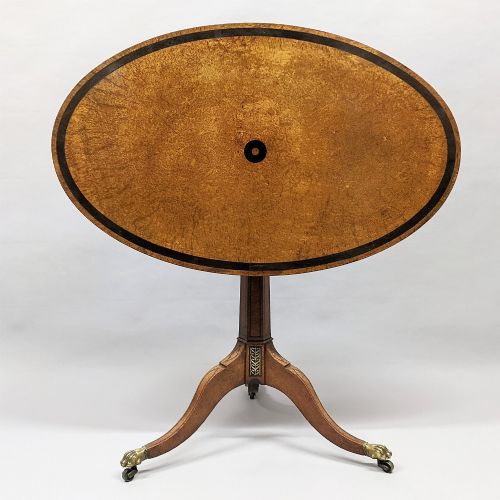
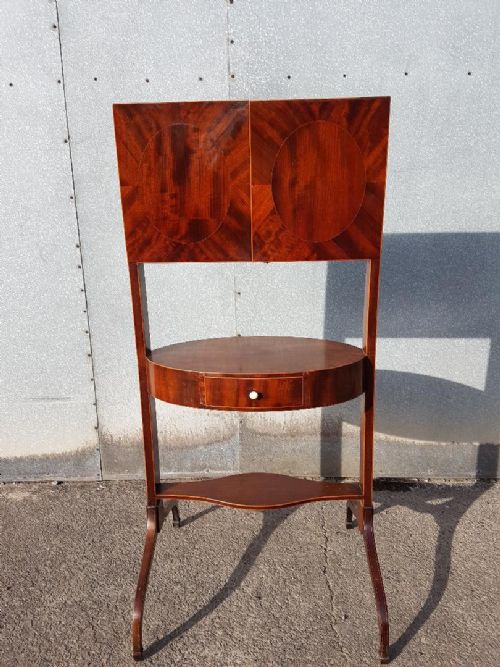
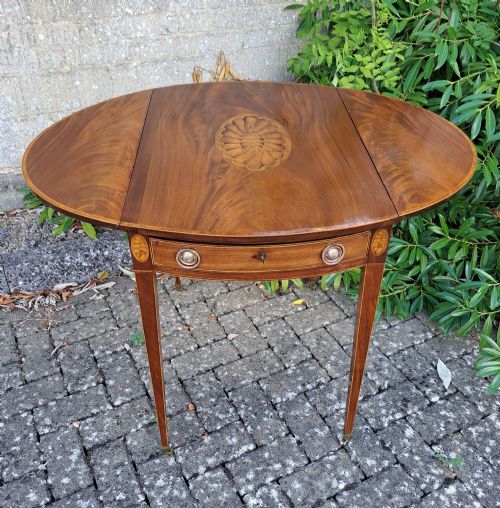
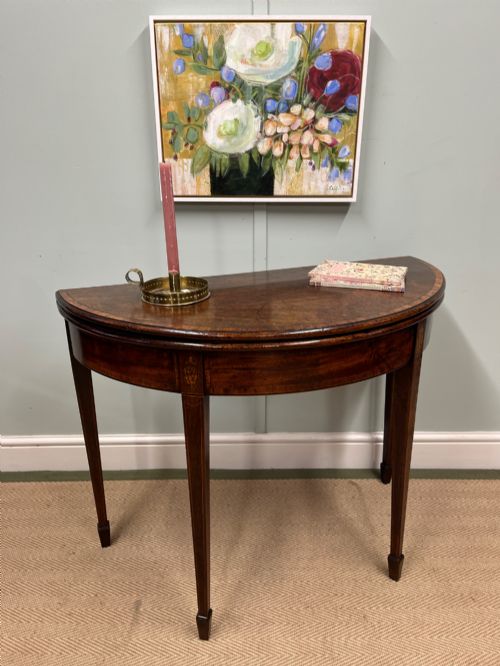
A georgian oval side table encompasses a variety of compact occasional furniture pieces originating largely from the eighteenth century and the Regency era, alongside later revivals. Buyers looking for this form will find pieces designed for specific household tasks, including Pembroke tables, tray tables on folding stands, and tripod wine tables.
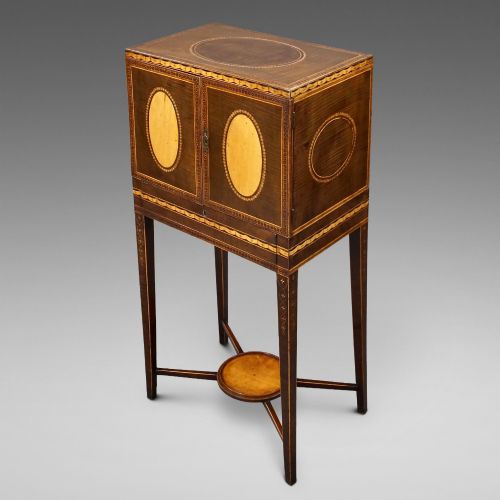
The selection here draws heavily on the Georgian and George III periods, supplemented by Regency examples and Edwardian Sheraton revival pieces. Mahogany remains the dominant timber, often enhanced by satinwood, rosewood, and delicate boxwood inlay.
How they were made
Cabinet makers utilised dense native and imported timbers, employing solid mahogany alongside rich veneers of satinwood, harewood, kingwood, and burr oak. Tops were frequently shaped with drop leaves, tilt mechanisms, or raised tray edges supported on slender tripod bases or tapered legs.
Decoration relied heavily on contrasting wood inlay, boxwood and ebony stringing, and marquetry details rather than heavy carving. Brass hardware, such as bound edges or ring drop handles, added both functional strength and visual contrast to the polished wooden surfaces.
Georgian Oval Side Table Retail Price Guide 2026
Typical asking prices for georgian oval side table among the pieces listed under this phrase on Sellingantiques today, from the lower quarter to the upper quarter. They describe what is for sale here now, not the wider market.
Listings feature woods including mahogany, satinwood, rosewood, oak, amboyna, and boxwood.
What varies in quality
The distinction between standard domestic furniture and the finest examples rests on the choice of timber and the precision of the inlay work. Finer pieces display carefully chosen flame mahogany, symmetrical satinwood banding, and crisp boxwood stringing that follows the gentle curve of the oval top.
Structural harmony also dictates value, seen in the elegance of tripod proportions, the smooth operation of drop-leaf hinges, and the integration of stands with their corresponding trays.
The Georgian Oval Side Table Glossary
- Pembroke table
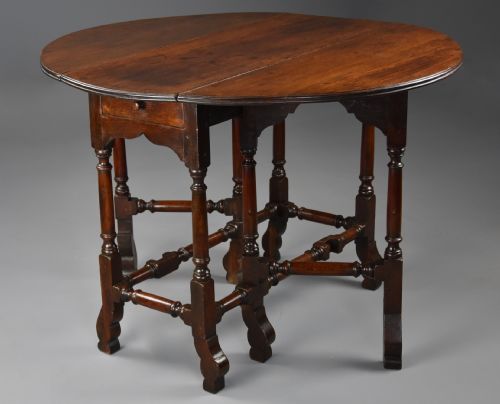
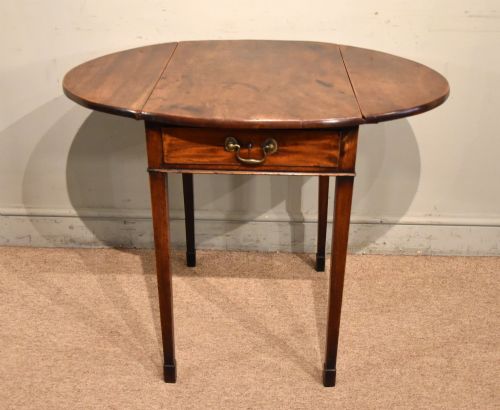
- A small, drop-leaf table with hinged flaps on either side, often featuring a single drawer. This form gained immense popularity during the eighteenth century for versatile use in sitting rooms.
- Butler's tray
- A removable wooden tray with shaped or pierced gallery edges designed for carrying refreshment, typically resting on a folding X-frame stand. They form a distinct subset of portable serving tables.
- Tilt top
- A table mechanism allowing the wooden top to pivot vertically and lock parallel to the base when not in use. This clever design saved valuable floor space in smaller period rooms.
- Tripod table
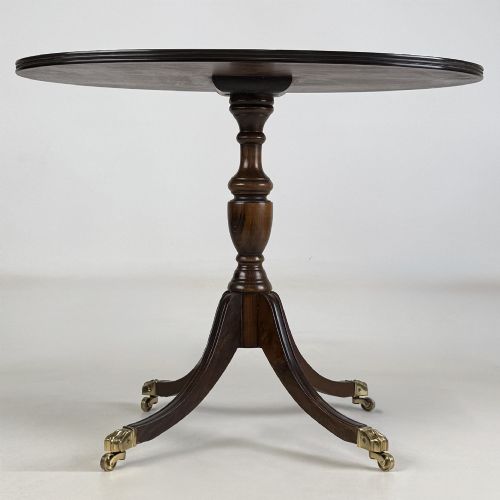
- A small freestanding table supported by a central pillar resting on three spreading feet. They provide stable support on uneven period floorboards.
- Stringing
- A narrow strip of contrasting wood inlaid into the surface of a piece to form geometric borders. Cabinet makers used boxwood and ebony to create crisp linear patterns on satinwood and mahogany.
Georgian Oval Side Table: Frequently Asked Questions
How were pembroke tables used?
These versatile tables served primarily for light dining, writing, or needlework in private withdrawing rooms. Their drop leaves allowed them to sit compactly against a wall when not in use.
Raised flaps provided extra surface space quickly when visitors arrived for tea or card games.
What is a butler tray table?
A butler tray consists of a shallow wooden tray with hinged or fixed sides featuring carrying handles. It was lifted off its folding wooden stand to transport items.
Over time, the tray and stand became permanently paired as a stationary side or coffee table in period interiors.
How do I spot a revival piece?
Revival items, such as Edwardian Sheraton revival pieces, often feature lighter satinwood finishes and machine-sawn veneers. Their construction details and secondary timbers reflect manufacturing standards of the early twentieth century rather than the eighteen hundreds.
Examining the interior linings and underside reveals the tool marks and construction methods specific to later workshops.
Where should I place an oval table?
An oval surface softens the rigid lines of a room filled with rectangular upholstery and architectural doorways. These compact tables fit easily beside armchairs, in narrow hallways, or as freestanding display surfaces.
Their curved edges improve traffic flow in tighter spaces compared to square or sharp-cornered alternatives.