
Antique Flap Leaf Table
An antique flap leaf table offers a clever folding surface, shifting smoothly from compact console to generous dining room centrepiece.
Antique Flap Leaf Table
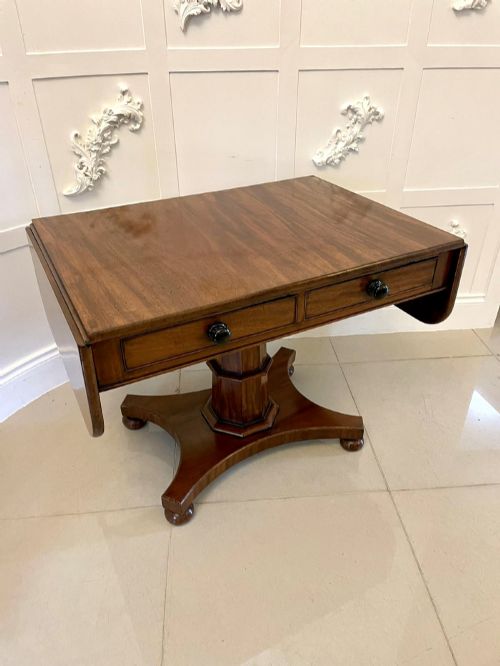
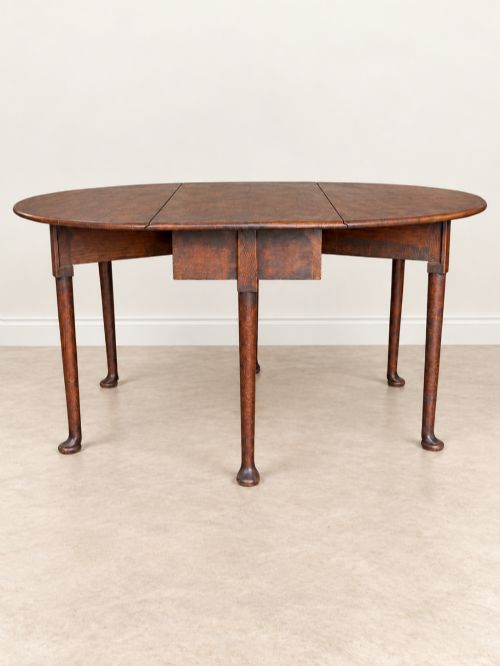
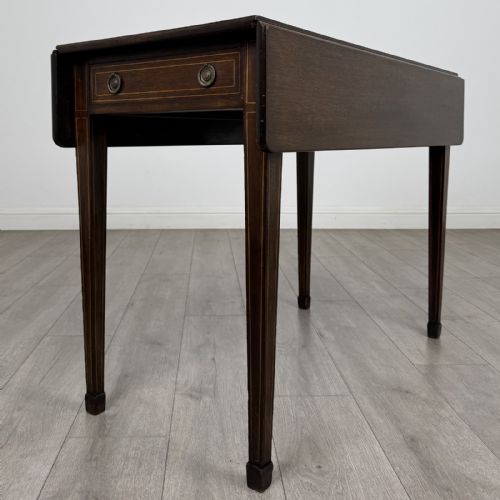
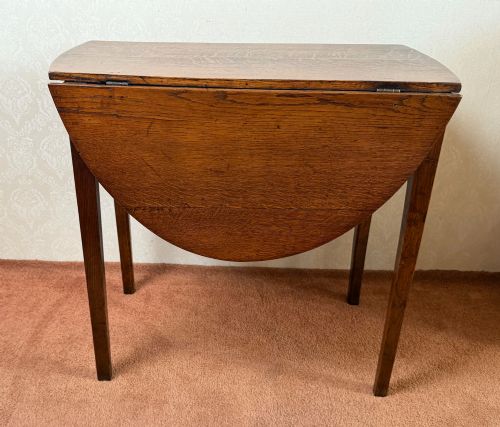
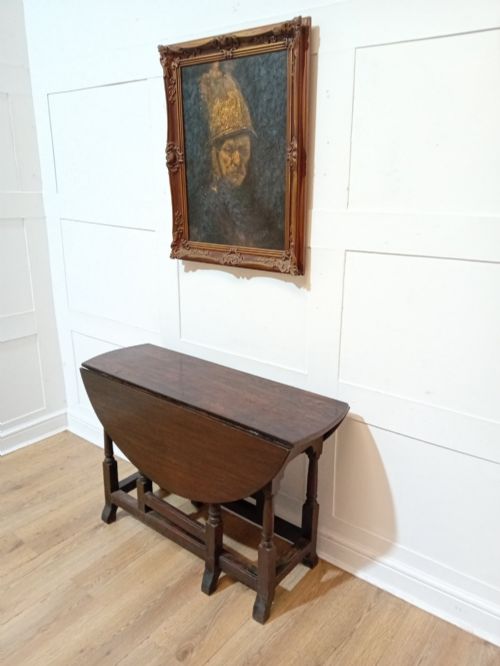
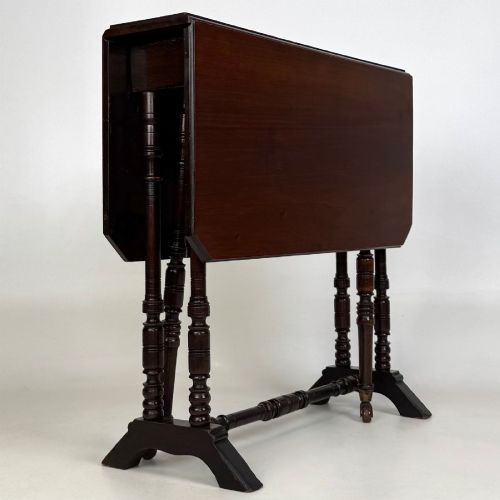
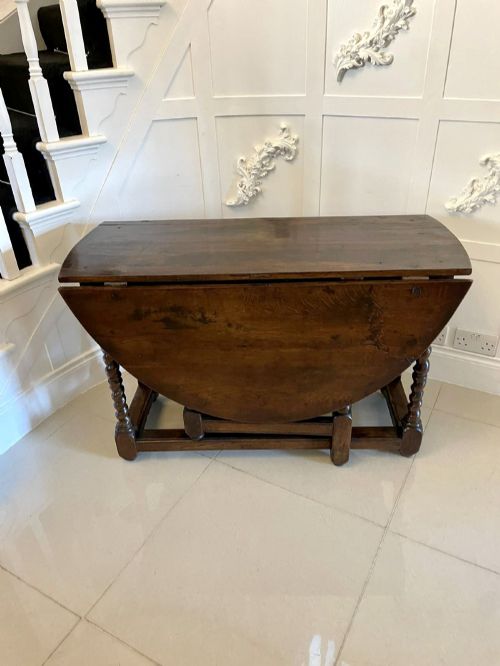
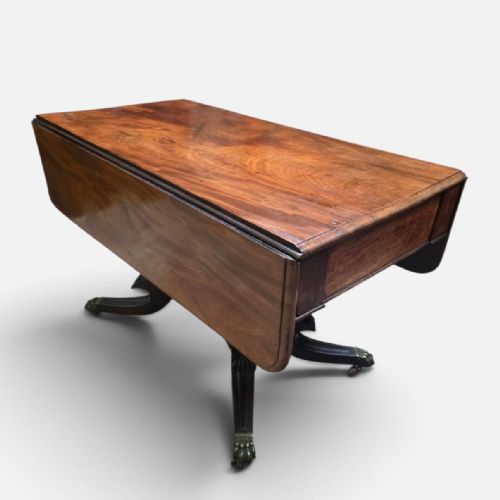
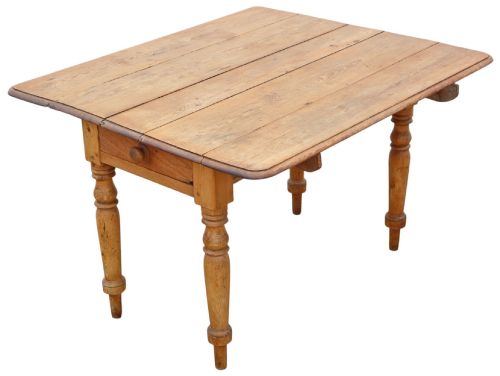
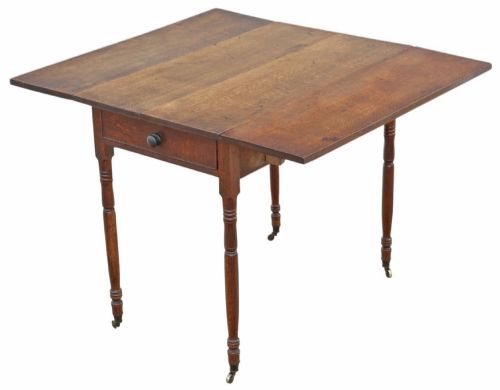
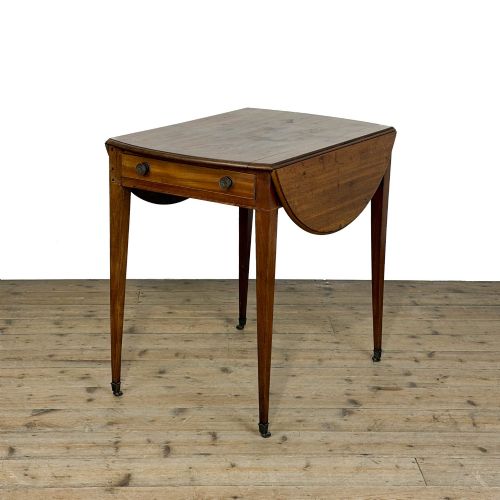
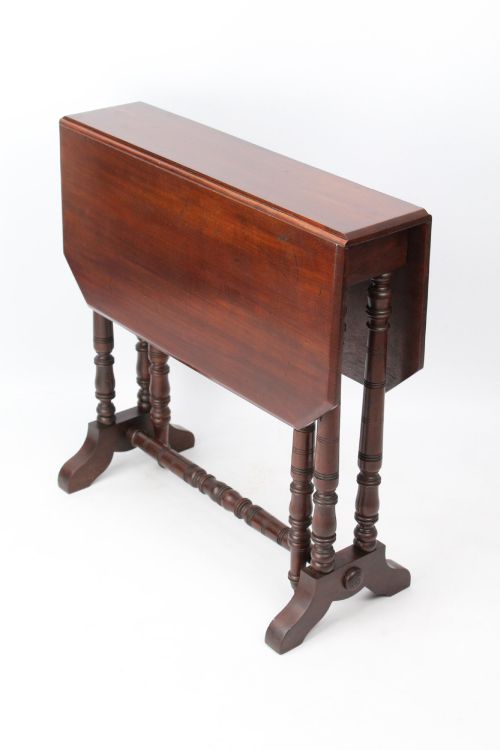
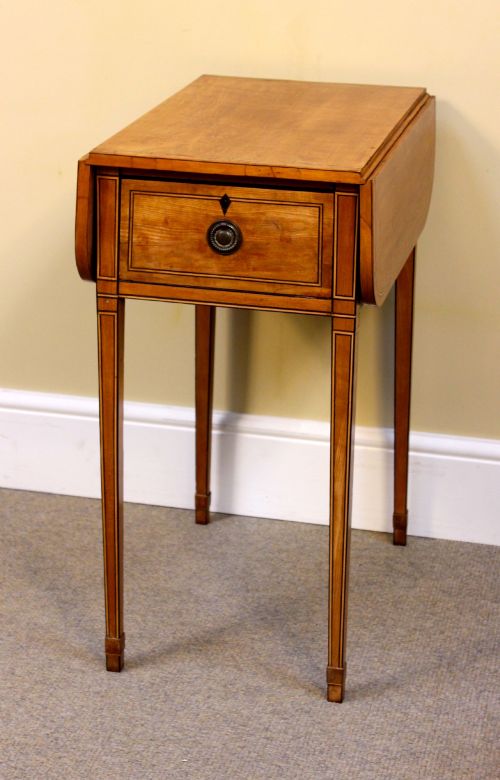
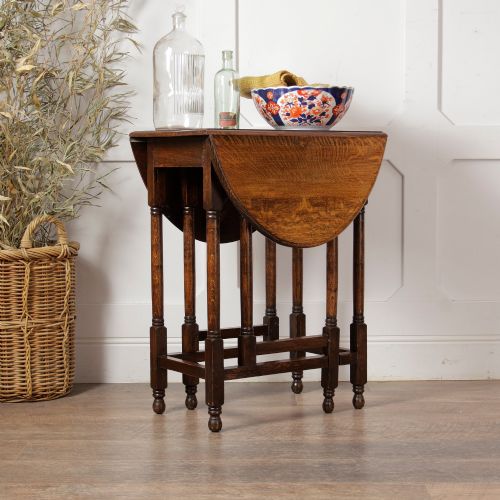
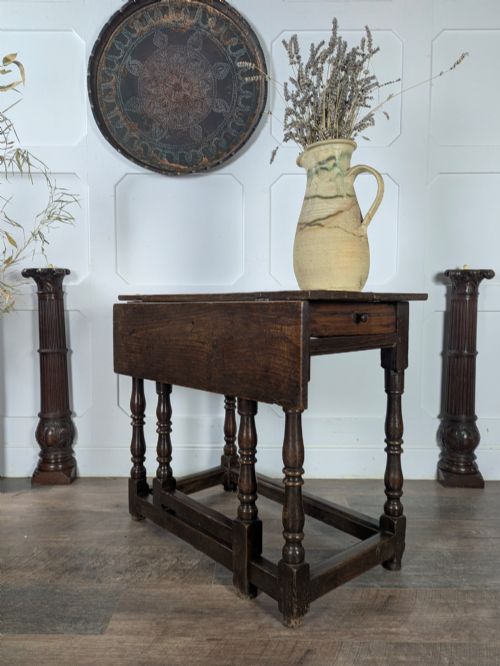
An antique flap leaf table provides a versatile surface featuring hinged flaps that drop down at the sides or ends when extra space is not required. These pieces arrive in various forms including gateleg dining tables, Pembroke tables with drawers, and slender Sutherland tables designed for occasional use. Buyers seeking these items encounter a broad selection spanning from late 17th century oak examples to refined Georgian mahogany designs and later Victorian walnut pieces.
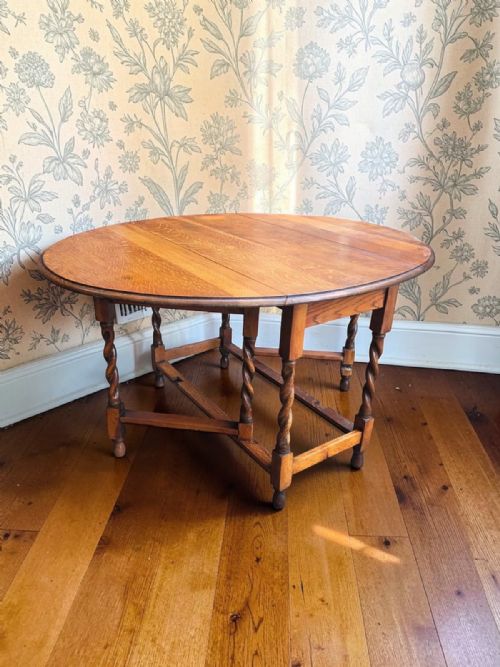
The materials and styles reflect the periods in which they were constructed, ranging from heavy 17th century solid oak gateleg variants with bobbin or barley twist legs to elegant Regency rosewood and satinwood drop flap tables. Smaller proportions appear frequently alongside substantial dining versions suited for everyday family meals. Such adaptability explains why these tables remain practical additions to contemporary homes whilst retaining their historical character.
How they were made
Cabinet makers utilised dense native and imported timbers, predominantly relying on mahogany, oak, and walnut, often enhanced with burr walnut or satinwood veneers. Structural integrity in gateleg designs depended on sturdy swing legs that pivoted outward to support the dropping flaps, whilst Pembroke and Sutherland tables utilised hinged rule joints supported by pivoting wooden brackets.
Metal components such as brass hinges and original castors appeared on finer Regency and Victorian examples, alongside hand-carved cabriole legs with claw-and-ball feet on earlier George II pieces. Surfaces were typically finished with traditional polish or wax that emphasised the natural grain and warm patina developed over centuries of use.
Listings feature items spanning the seventeenth, eighteenth, and nineteenth centuries, constructed from oak, mahogany, walnut, and rosewood.
What varies in quality
The standard of timber selection largely dictates the worth of the piece, with figured mahogany, burr walnut, and rich satinwood sitting at the upper end of the scale. Superior examples display meticulous attention to detail in the matching of wood grain across the flaps and top, alongside crisply carved legs or delicate inlay work.
Originality of hinges, hardware, and surface patina separates honest period pieces from heavily restored alternatives. Tables retaining their structural stability within the pivoting leg mechanisms and rule joints demonstrate superior craftsmanship from their original workshop.
Johnstone and Jeanes
The Antique Flap Leaf Table Glossary
- Gateleg table
- A table with hinged flaps supported by legs that swing outward like gates. This construction provides robust support for large drop leaves.
- Pembroke table
- A small rectangular table with two drop flaps on opposite sides, usually equipped with one or more small drawers. These versatile items served as breakfast or writing tables.
- Sutherland table
- A narrow table featuring exceptionally slender drop leaves and low-profile folding legs. They fold down into a very compact footprint.
- Rule joint
- A specialised moulding joint used on drop-leaf tables where the edge of the fixed top and the flap meet. It conceals the gap and the hinge mechanism during use.
- Patina
- The deep sheen and surface texture acquired by wood over long periods through handling and polishing. Original patination is highly prized by collectors.
Antique Flap Leaf Table: Frequently Asked Questions
How do I use an antique flap leaf table daily?
These tables adapt easily to modern living by resting against a wall with both flaps dropped to function as a side console. When guests arrive, simply lift the leaves and swing out the supporting legs to create an instant dining or workspace.
Their sturdy construction handles regular use well, provided hot dishes are kept off the bare timber surface by using mats. Placing them away from direct heat sources prevents the solid wood or veneer from drying out.
How do I identify a Georgian drop leaf table?
Georgian examples often utilise rich mahogany or oak, displaying clean classical proportions and robust craftsmanship. Look for characteristics such as cabriole legs, pad feet, or subtle mahogany inlay work dating around the 18th century.
Examine the underside and hinges for signs of age, such as hand-cut screws and timber shrinkage that confirm period construction rather than later reproduction.
Can I fit a flap leaf table in a small room?
Many drop leaf and Sutherland tables are specifically built with narrow profiles when folded down. Dropping both leaves reduces the footprint significantly, allowing the table to tuck neatly against a wall or behind a sofa.
Opening only one leaf provides a practical half-size surface for dining or writing in compact spaces without overwhelming the room.