
Georgian Wooden Figure
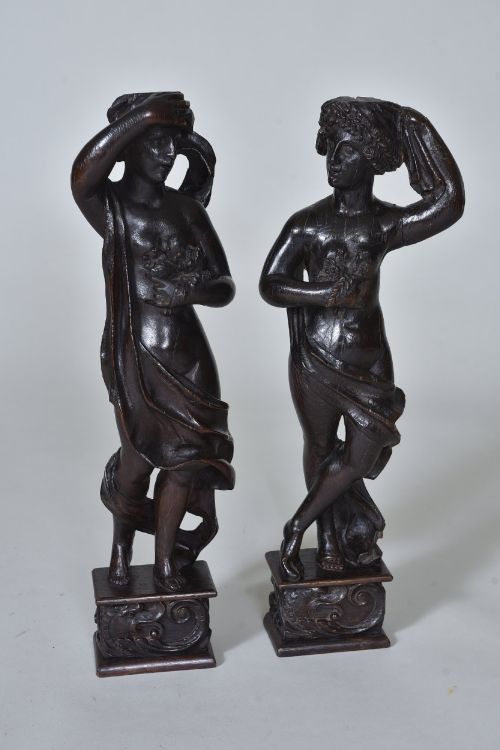
A georgian wooden figure brings centuries of hand-carved character into a room through historic oak, walnut and pine.
Georgian Wooden Figure
A georgian wooden figure search uncovers hand-carved representations dating predominantly from the eighteenth century through to the regency and nineteenth century eras. These objects range from classical subjects and early folk art carvings to dummy boards and decorative architectural figures.
Most examples originate from British workshops, reflecting the vernacular styles and formal traditions of the Georgian period. The surviving pieces demonstrate the diverse applications of timber sculpture in domestic interiors of the past.
Materials and Methods
The makers utilised seasoned timbers such as oak, walnut and elm, selected for their grain and stability. Carvers employed gouges, chisels and hand mallets to shape the figures directly from solid blocks or panels of wood.
Surface finishes typically consist of traditional wax or oil layers applied over decades, which highlight the natural figuring of the wood. Details were often worked entirely by hand without the aid of mechanised tools.
A carved toy horse survives alongside kings and queens from the same century.
Assessing Quality
The choice and preservation of the timber significantly influence desirability, with dense, well-figured woods commanding greater appreciation. Patina accumulated through age further separates exceptional survivors from later or heavily restored examples.
The Georgian Wooden Figure Glossary
- Dummy board
- A flat painted wooden figure designed to stand in a room and create the illusion of a person or pet. These trompe l'oeil pieces date from the eighteenth and nineteenth centuries.
- Folk art
- Utilitarian or decorative objects created by self-taught makers working outside formal artistic academies. These pieces often display naive charm and direct carving techniques.
- Patina
- The surface sheen and colour developed on wood through decades of handling, exposure to light and waxing. It serves as an indicator of genuine age.
- Figured wood
- Timber possessing an attractive grain pattern, such as flame or burr, caused by irregular growth. This material is prized for fine cabinet work and decorative objects.
Georgian Wooden Figure: Frequently Asked Questions
What is a wooden dummy board?
A dummy board is a life-sized or scaled figure painted on wood to create an optical illusion in an interior space. They were often placed near doorways or hearths to mimic servants, children or animals.
These decorative panels date back to the Georgian era and earlier, serving as both conversation pieces and draught excluders. Surviving examples showcase period costume and domestic habits.
How old are these wooden figures?
The pieces span the eighteenth and nineteenth centuries, with many originating from the Georgian and Regency periods. Stylistic traits help place them within these broad chronological brackets.
Makers worked primarily in oak, walnut and elm using traditional hand tools. The materials and construction methods align with documented furniture and sculpture of the same eras.
Where were these carvings displayed?
Historic figures were positioned within domestic interiors, ranging from principal rooms to hallways and staircases. Architectural elements sometimes incorporated carved wooden figures as supports or ornaments.
Smaller pieces sat upon sideboards, tables or cabinets alongside ceramics and silver. Their placement depended on whether they functioned as fine art, folk objects or functional room accents.
How do I care for antique wood?
Maintain stable humidity and temperature levels away from direct sunlight and heat sources to prevent timber from splitting. Regular dusting with a soft, dry cloth is sufficient for routine maintenance.
Apply a traditional beeswax polish sparingly only when the wood appears dry. Avoid modern silicone sprays that can damage the historic surface patina.