

Georgian Wooden Bench Seat
A georgian wooden bench seat brings vernacular presence and utilitarian history into a room, offering robust seating shaped by centuries of daily use.
Georgian Wooden Bench Seat
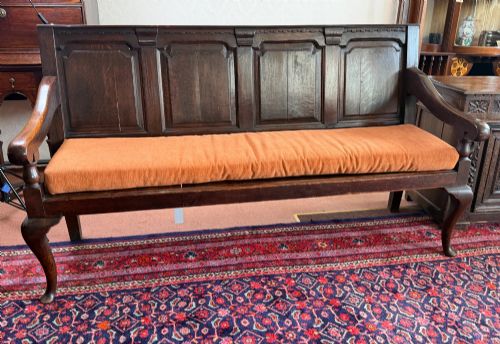
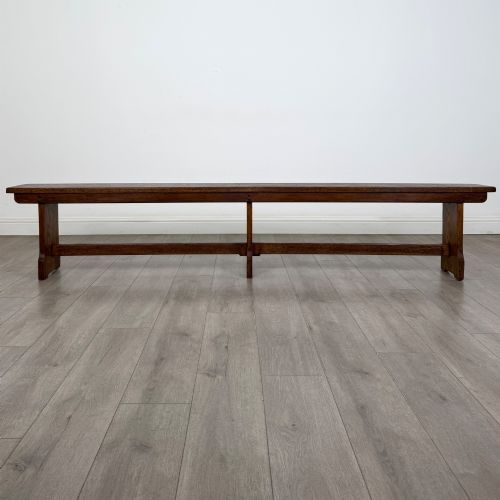
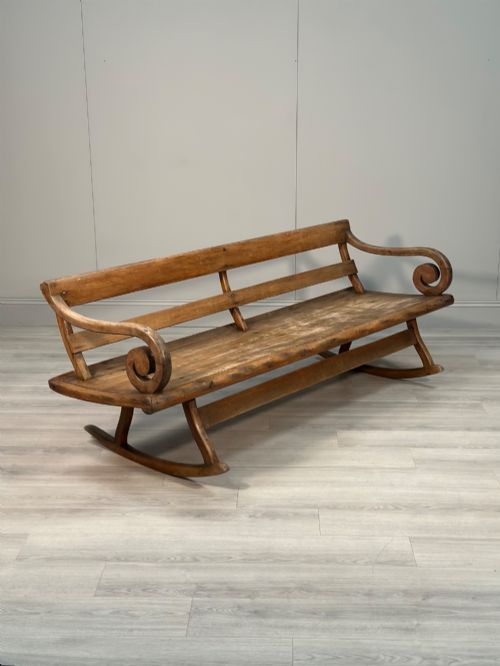
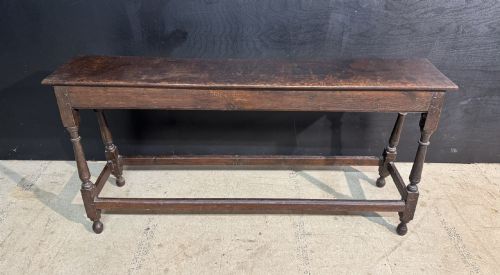
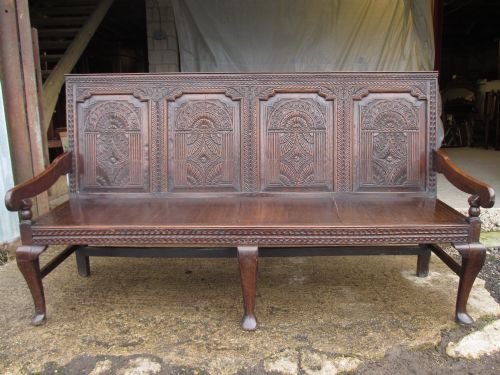
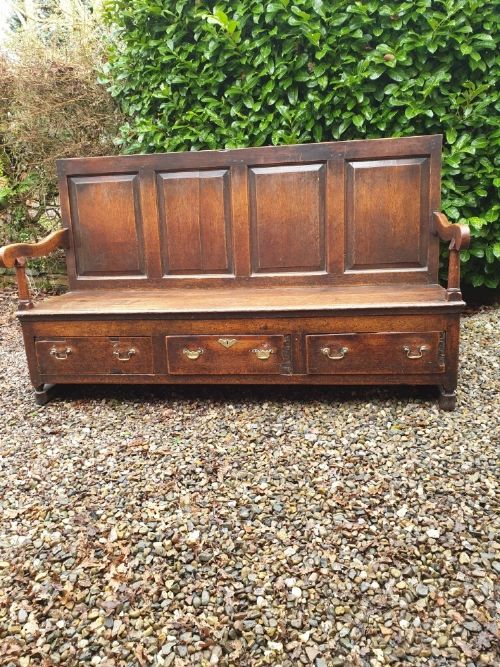
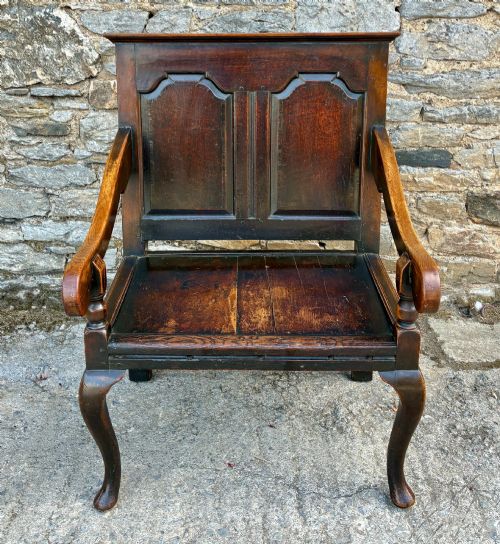
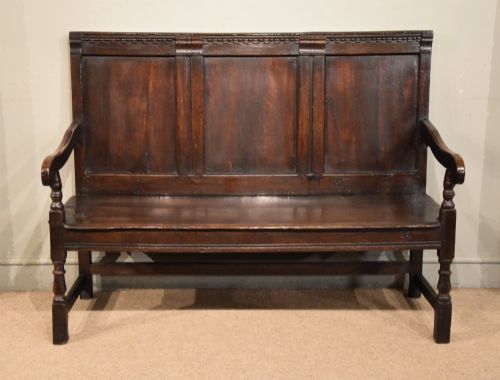
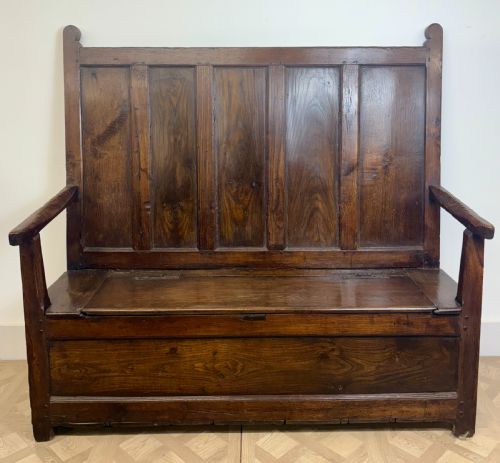
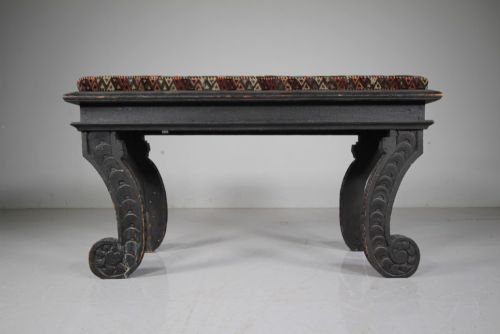
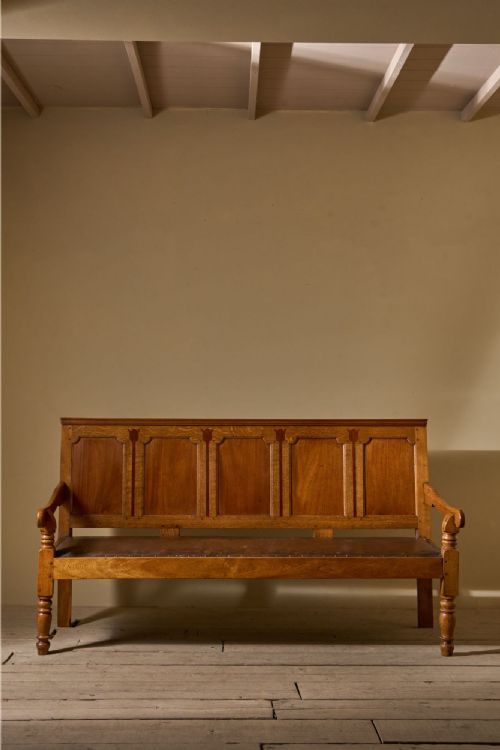
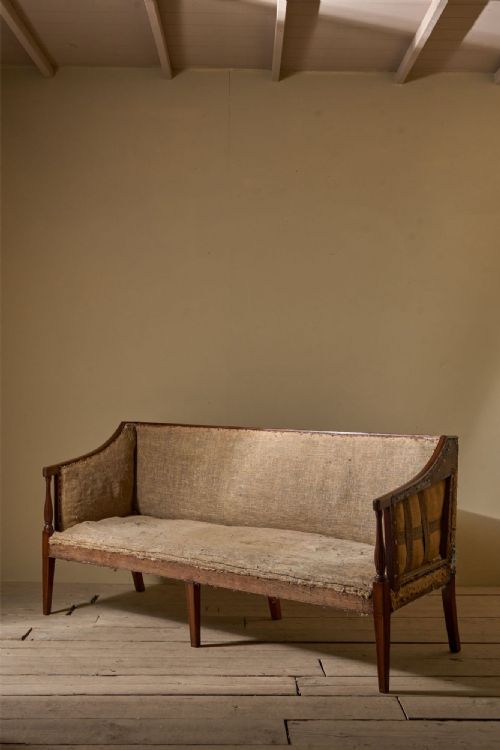
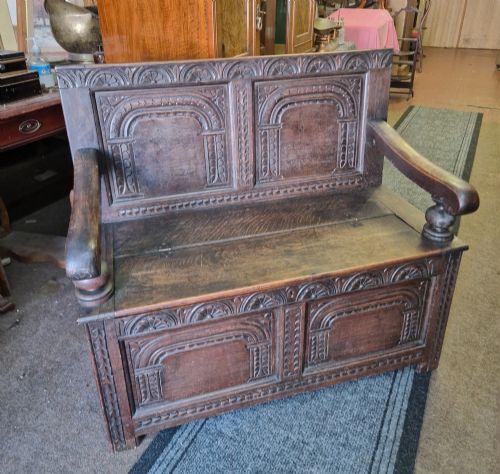
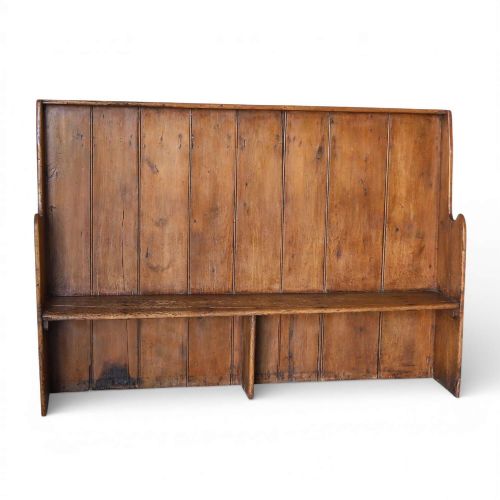
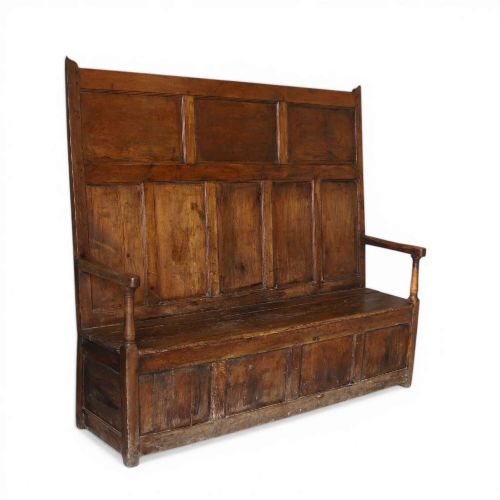
A georgian wooden bench seat encompasses robust settles, tall-backed hall benches, and window seats originating across the eighteenth and nineteenth centuries. These forms reflect both country vernacular traditions and refined urban workshops, utilising local timbers to create functional domestic seating.
Buyers browsing this selection frequently encounter sturdy oak box settles, painted pine window seats, and elongated mahogany forms. Regional variations such as Welsh or English country pieces appear alongside grander Regency iterations, showing diverse regional joinery methods.
How they were made
Construction relies heavily on native timbers such as oak, mahogany, ash, and pine, joined using traditional pegged mortise and tenon techniques. Box settles often incorporate integrated storage compartments beneath hinged seats, while panelled backs provide structural rigidity against draughts.
Surface finishes range from waxed patinated grains to historic painted layers and functional upholstery textiles. Iron fixings and hand-carved details appear selectively, supporting the structural longevity of these utilitarian seating forms.
Listings feature oak, mahogany, pine, and ash, spanning eighteenth-century vernacular settles to nineteenth-century Regency window seats.
What varies in quality
Quality differentiates through the integrity of the timber, the crispness of hand-carved or panelled details, and the survival of original surfaces. Pieces retaining honest patination and untouched structural joinery stand apart from those altered extensively over time.
The balance of proportions and the refinement of regional craftsmanship dictate the distinction between simple utility and exceptional design. Finer examples display thoughtful integration of timber grain and structural framing that maintains stability without excessive restoration.
The Georgian Wooden Bench Seat Glossary
- Box settle
- A high-backed wooden bench featuring an enclosed storage base beneath the seat. This form protected sitters from cold draughts in domestic interiors.
- Vernacular
- Everyday furniture built by local craftsmen using traditional regional methods rather than high-style urban designs. These pieces emphasise practical utility and local materials.
- Panel-back
- A wooden bench back constructed from inset panels within a structural frame. This method accommodates seasonal timber movement without splitting.
- Window seat
- A long, low bench proportioned specifically to sit beneath domestic window apertures. They frequently incorporate upholstered tops or shaped wooden frames.
- Patina
- The surface sheen and colour developed by timber through age, handling, and wax polishing. This quality indicates prolonged use and care.
Georgian Wooden Bench Seat: Frequently Asked Questions
Where were settles placed?
Settles were traditionally positioned close to hearths in domestic kitchens and halls to block cold draughts. The high wooden backs trapped heat around the seated occupants.
Over time, these versatile pieces moved into hallways and living spaces as formal seating arrangements evolved.
How do I care for antique wood?
Maintain timber surfaces by applying traditional beeswax sparingly and buffing gently with a soft cloth. Avoid placing wooden benches near direct heat sources or rapid temperature shifts.
Consistent indoor humidity prevents timber from drying out and preserves the historic finish.
What is a box settle?
A box settle combines a high-backed wooden bench with an enclosed chest base beneath the seat. The hinged lid allows storage for household blankets or provisions.
This dual-purpose design maximised utility in historical domestic spaces.
How do I date a bench?
Dating relies on examining construction methods, tool marks, timber species, and stylistic details. Hand-cut joinery, pegged framing, and timber shrinkage patterns provide key clues to the era of manufacture.
Comparing regional vernacular traits further helps narrow the period of origin.